

NuovoCena
Classico Beef Stroganoff
L'export russo più famoso — strisce tenere di manzo saltate con funghi e cipolle in un sugo setoso di panna acida, servito su pasta all'uovo o riso.
35 min490 kcalFacile
★4.6(3,640)
Manzo alla Stroganoff, borscht, pelmeni: cucina ricca e calda dell'Europa orientale.
Altre ricette costruite attorno agli stessi ingredienti principali.
Tieni traccia di ciò che mangi
Fotografa il tuo pasto per registrare calorie e macro, usa i timer del digiuno e monitora l’acqua con l’app gratuita SnapCal.
Pianifica i pasti, monitora il digiuno e crea la lista della spesa — gratis
La dashboard di MyCookingCalendar funziona direttamente nel browser, nessun download necessario.
L'export russo più famoso — strisce tenere di manzo saltate con funghi e cipolle in un sugo setoso di panna acida, servito su pasta all'uovo o riso.
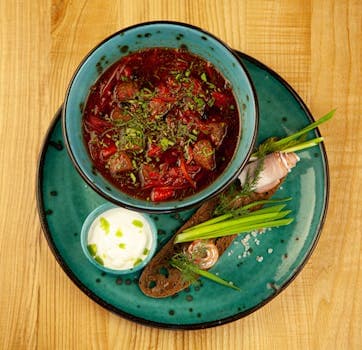
Zuppa di barbabietola cremisi profonda con manzo tenero, cavolo e radici, ricoperta di panna acida e aneto fresco.
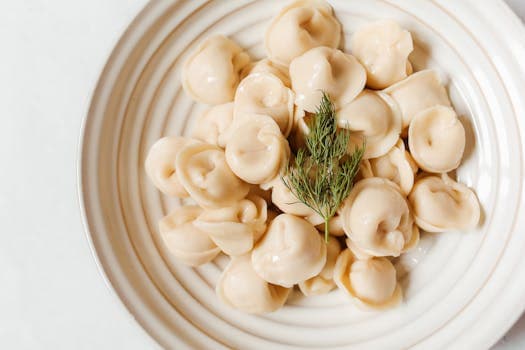
Tasche di pasta sottile ripiene di un mix di maiale e manzo, bollite e servite con burro e panna acida.

Una zuppa russa robusta e tangia con carni affumicate.

Delicate frittelle russe perfette per condimenti sia dolci che salati.

Una tradizionale zuppa di cavolo russo che è robusta e riscaldante.

Frittelle dorate di formaggio russo fritte in padella servite con panna acida e marmellata di frutti di bosco per la colazione.
Sottili frittelle di grano saraceno condite con caviale e crème fraîche.

Gnocchi polacchi fatti a mano ripieni di purè di patate cremoso e formaggio fresco, bolliti e rosolati nel burro con cipolle caramellate.

Un pane piatto georgiano a forma di barca ripieno di formaggio fuso e condito con un uovo crudo e burro — confortevole e spettacolare.
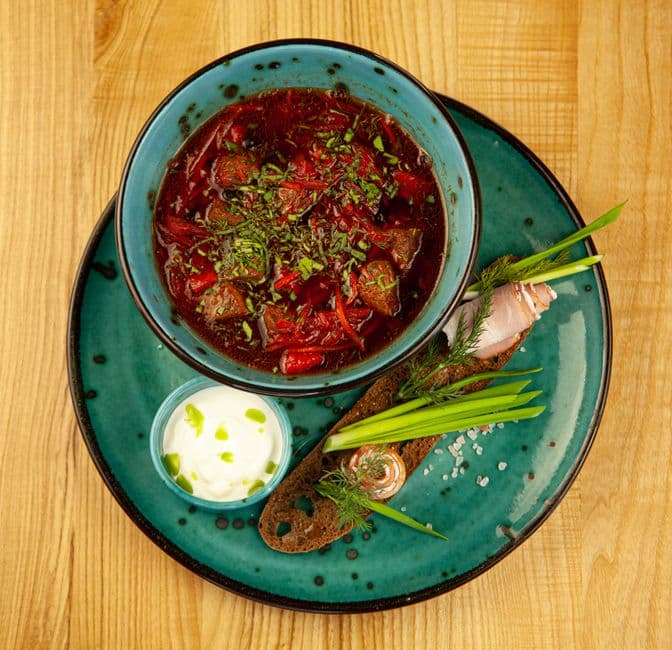
La zuppa di barbabietole iconica e cremisi profonda della Russia, ricca di cavolo, patata e manzo tenero, finito con un generoso cucchiaio di panna acida smetana.
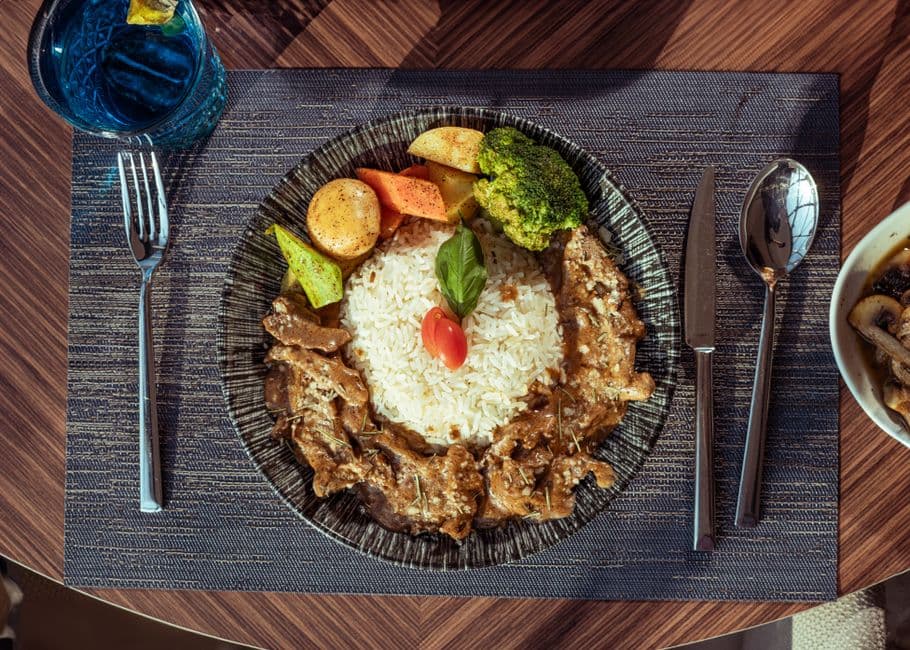
Strisce di manzo tenere in un sugo ricco, acidulo a base di panna acida e senape con funghi rosolati — il leggendario classico russo amato in tutto il mondo.

I leggendari ravioli siberiani piegati a mano — pasta sottile come carta ripiena di un ripieno di maiale e manzo condito, bolliti e serviti con panna acida e burro.

L'insalata preferita delle feste russe — patate, carote, piselli, cetriolini, uova e pollo o mortadella a dadini, legati con una cremosa maionese.

Una sontuosa torta russa al miele a strati, con sfoglie sottili al miele e spezie e una vellutata crema di panna acida — uno spettacolo che migliora durante la notte.

Barbabietole arrostite lentamente e affumicate con fieno o legno di melo, servite con panna acida al rafano, semi di senape sott'aceto e aneto fresco.

Piccoli ravioli russi ripieni di carne bolliti finché sono teneri, conditi con burro, aceto o smetana.

Il piatto originale di San Pietroburgo del XIX secolo: strisce di manzo scottato in salsa di senape e smetana, servite su patate croccanti.
La ciotola di riso alle erbe e limone del mercato russo porta il sapore russo in una pratica ciotola di riso costruita con cosce di pollo, aneto, panna acida, grano saraceno e funghi e un finale di aneto fresco.
La zuppa di pomodoro affumicata del Russian Village porta il sapore russo in una pratica zuppa a base di funghi, aneto, panna acida, grano saraceno e funghi, con un finale di aneto fresco.
Russian Garden Sesame Lime Skillet porta il sapore russo in una pratica cena in padella a base di cavolfiore, aneto, panna acida, grano saraceno e funghi e un finale di aneto fresco.
I Russian Harbour Charred Pepper Noodles portano il sapore russo in un pratico piatto di noodle a base di spaghetti di riso, aneto, panna acida, grano saraceno e funghi e un finale di aneto fresco.
L'insalata russa alle erbe verdi di montagna porta il sapore russo in una pratica insalata composta da pollo grigliato, aneto, panna acida, grano saraceno e funghi e un finale di aneto fresco.
La focaccia alle erbe e limone del Festival russo porta il sapore russo in una pratica focaccia realizzata con pasta per focaccia, aneto, panna acida, grano saraceno e funghi e un finale di aneto fresco.
Russian Homestyle Smoky Tomato Traybake porta il sapore russo in un pratico vassoio preparato con patate dolci, aneto, panna acida, grano saraceno e funghi e un finale di aneto fresco.
Le frittelle di Russian Street Sesame Lime portano il sapore russo in pratiche frittelle realizzate con pesce salato, aneto, panna acida, grano saraceno e funghi e un finale di aneto fresco.
Il piatto da colazione russo al peperone carbonizzato dorato porta il sapore russo a un pratico piatto da colazione costruito con fagioli, aneto, panna acida, grano saraceno e funghi e un finale di aneto fresco.
Russian Weeknight Green Herb Dessert porta il sapore russo a un pratico dessert a base di cocco, aneto, panna acida, grano saraceno e funghi e un finale di aneto fresco.
Semole di grano saraceno tostate bollite con funghi saltati e cipolla, un contorno base su quasi ogni tavola russa.
Una colorata insalata fredda di barbabietole, patate, carote e sottaceti a cubetti condita semplicemente con olio di semi di girasole e aceto.
Succose polpette di manzo e maiale saltate in padella e legate con pane imbevuto, un alimento base della cucina casalinga che si trova in quasi tutte le cucine russe.
Frittelle di patate tritate dai bordi croccanti, fritte fino a doratura, servite calde con panna acida, un classico russo e dell'Europa dell'Est.
Un'imponente torta russa al miele con strati sottilissimi e glassa di panna acida piccante, ammorbidita durante la notte in qualcosa di tenerissimo.
Blini russi sottili e di pizzo di grano saraceno avvolti attorno a salmone affumicato e panna acida, un classico antipasto celebrativo.
Bocconcini di maiale marinati in cipolla e aceto, infilzati su spiedini e grigliati sulla brace finché non diventano carbonizzati e succosi.
Foglie di cavolo avvolte attorno a un ripieno di riso e carne macinata, brasate lentamente in salsa di panna acida di pomodoro finché sono tenere.
L'insalata di patate a dadini, carote, sottaceti, uova e mortadella ricoperta di maionese che caratterizza ogni tavola del Capodanno russo.
Una zuppa piccante di manzo e riso con salsa all'aglio, aromatizzata con noci e prugna acida, popolare in tutta la Russia grazie alle sue radici georgiane.
Morbidi gnocchi ripieni di purè di patate e formaggio contadino, lessati e rifiniti con cipolle caramellate e panna acida.
Dorate e morbide torte fritte ripiene di cavolo o patate, uno spuntino di strada e di mercato russo di base.
Semole di grano saraceno tostate bollite con funghi e cipolle saltate: il lato quotidiano del grano russo è diventato abbastanza abbondante per un pasto.
Segale scura imburrata condita con salsiccia russa a fette sottili, formaggio e un pizzico di senape: il panino aperto che si vede su ogni tavolo da tè russo.
Polpette di pollo morbide e succose legate con pane imbevuto di latte, fritte in padella fino a ottenere una crosta dorata e finite coperte fino a cottura ultimata.
Fagioli bianchi bolliti con funghi e cipolla ben dorati in salsa di aneto e panna acida fino a quando non saranno densi e aderenti alle costole.
Una morbida frittata di uova avvolta attorno a cimette di cavolfiore rosolate nel burro, rifinita con abbondante aneto fresco e panna acida.
Porridge cremoso di semola cotto lentamente nel latte fino ad ottenere una consistenza vellutata, rifinito con burro e un giro di marmellata di frutti di bosco.
Pesce bianco scottato in padella condito con una marinata di carote, cipolle e pomodori brasati dolcemente piccante, tradizionalmente servito freddo o caldo.
Una torta rustica in padella monocrosta con pesce bianco traballante, cipolla saltata e aneto, cotta sotto una grata di pasta dorata.
Lenticchie cotte terrose condite con sottaceti croccanti all'aneto, cipolla rossa e salsa di aceto di senape per un'abbondante insalata fredda.
Piccoli gnocchi ripieni di funghi bolliti in un brodo chiaro e terroso, rifiniti con aneto e un cucchiaio di panna acida.
Manzo a fette sottili e funghi rosolati in una salsa setosa di panna acida, spalmati su pasta all'uovo imburrata.
Patate, cavoli e carote a strati cotti sotto una gustosa panna acida e crema pasticcera all'uovo fino a doratura: la risposta russa a una confortante casseruola di verdure.
Biscotti morbidi al miele e spezie glassati con sciroppo di zucchero: il secolare dolce russo per l'ora del tè con cannella e chiodi di garofano caldi.
Blini sottili e di pizzo di grano saraceno rifiniti con un filo di burro rosolato alla nocciola, un classico alimento base della colazione russa.
Semole di grano saraceno tostate bollite finché sono tenere e condite con funghi saltati e cipolla, un amato alimento base russo.
Salmone scottato in padella servito su riso burroso con aneto fresco, un piatto semplice ed elegante che affonda le sue radici nell'amore russo per il salmone e l'aneto.
Una sostanziosa zuppa di lenticchie bollita con salsiccia affumicata, carote e alloro, che riscalda il cibo invernale delle cucine russe.
Peperoni ripieni di carne macinata, riso e cipolla, bolliti in una leggera salsa di panna acida fino a quando saranno teneri.
Una variante al forno del pollo alla Kiev, con petti di pollo ripieni di burro alle erbe e aglio adagiati su un letto di riso burroso.
Succose polpette di kotleti in stile russo, fatte con panade di pane imbevuto di latte, servite in stile hamburger con senape e sottaceti.
Budino di formaggio contadino cotto al forno con superficie dorata e legatura di semolino, una confortante colazione russa e dessert.
Un piatto festoso di insalata Olivier, aringhe sotto la pelliccia e pelmeni, i tradizionali centrotavola della tavola di Capodanno russo.
La cucina russa è stata progettata dal clima: una breve stagione di crescita e lunghi inverni hanno costruito una cucina attorno al pane di segale, alle verdure conservate, al kasha (porridge di grano saraceno) e al fornello in muratura – il pech – il cui calore lento e decrescente ha plasmato una preferenza nazionale per brasati, porridge al forno e zuppe invece che fritture. La lattofermentazione è ovunque: crauti, sottaceti in salamoia (non sottaceto) e kvas, la bevanda di pane di segale fermentato che funge anche da base per la zuppa fredda okroshka in estate.
Il repertorio si divide tra linee contadine e aristocratiche. Il canone contadino offre shchi (zuppa di cavolo), borscht (condiviso con l'Ucraina, dove ha avuto origine), gnocchi pelmeni degli Urali e bliny serviti con smetana. L'aristocrazia del XIX secolo, impiegando chef francesi, produceva il manzo alla Stroganoff, la sharlotka e le insalate a strati - soprattutto l'insalata Olivier - che ancora dominano la tavola di Capodanno, la festa gastronomica più importante dell'anno russo.
La cucina casalinga rimane orientata alla zuppa – un vero pasto di mezzogiorno inizia con una zuppa calda quasi tutto l'anno – e satura di aneto, con smetana (panna acida) aggiunta a qualsiasi cosa, dal borscht al pelmeni. La tradizione zakuski di antipasti freddi (sottaceti, pesce stagionato, insalate) che accompagnano la vodka struttura i pasti festivi e li chiude il tè del samovar con varenye (conserve di frutta), un rituale risalente all'arrivo del tè nel XVII secolo attraverso il commercio con la Cina.
Zuppe
Borscht, shchi, solyanka e ukha costituiscono il pasto quotidiano; una zuppa calda a pranzo rimane la norma nelle famiglie russe tutto l'anno.
Fermentazione e decapaggio
Cetrioli, crauti e kvas fermentati in salamoia riflettono una tradizione di conservazione che fornisce acidità e vitamine durante l'inverno.
Pelmeni e impasti ripieni
Gnocchi di carne siberiani, vareniki e pirozhki - panini ripieni al forno o fritti - formano una vasta famiglia di pasta ripiena in tutto l'ex impero.
Kasha e segale
La kasha di grano saraceno e il denso pane a lievitazione naturale di segale sono la storica spina dorsale dei carboidrati, cotti al fuoco lento del tradizionale fornello pech.
Smetana e latticini
La panna acida rifinisce le zuppe, condisce gli gnocchi e arricchisce la cottura; il tvorog (formaggio contadino) riempie le frittelle syrniki e i panini vatrushka.
Tavolo Zakuski
La varietà di antipasti freddi – sottaceti, aringhe, insalata Olivier, pesce stagionato – apre i pasti festivi e accompagna tradizionalmente la vodka.
La cucina russa è nota per le zuppe sostanziose come il borscht e lo shchi, i ravioli pelmeni, il manzo alla Stroganoff, i bliny con panna acida o caviale e una forte tradizione di marinatura e fermentazione. È un cibo confortevole per i climi freddi, a base di pane di segale, grano saraceno, patate, aneto e smetana, con rituali festivi come il tavolo degli antipasti zakuski e l'insalata Olivier di Capodanno.
Il Borscht è la zuppa a base di barbabietola, originariamente ucraina, che tipicamente comprende cavoli, patate e spesso manzo, servita con smetana e aneto. Lo shchi è la zuppa di cavolo più antica della Russia, preparata con cavolo fresco in estate o crauti (allora chiamato shchi acido) in inverno, senza barbabietole. Entrambe sono zuppe quotidiane, ma lo shchi precede di secoli il borscht nelle cucine russe.
Le colazioni comuni sono kasha - porridge di grano saraceno, avena o semolino con burro - syrniki (frittelle fritte di formaggio contadino con smetana o marmellata), bliny o semplicemente pane con burro, formaggio e kolbasa. Il tè, non il caffè, è la tradizionale bevanda mattutina. Le uova si presentano come frittate o alla coque. La colazione tende ad essere sostanziosa, riflettendo lo schema di un abbondante pasto di mezzogiorno.
L'insalata Olivier è un assemblaggio, non una cottura: patate bollite, carote, uova, sottaceti, piselli e maionese. I Syrniki hanno bisogno solo di formaggio contadino, uova, farina e una padella. Il manzo alla Stroganoff è un soffritto di 30 minuti con salsa di panna acida. Una pentola di borscht insegna il metodo della zuppa a strati e migliora durante la notte. Pelmeni da zero è un progetto utile per il fine settimana, tradizionalmente prodotto in grandi lotti e congelato.
No. La cucina tradizionale russa evita quasi del tutto il calore del peperoncino; il sapore deriva da aneto, aglio, pepe nero, alloro, rafano e senape: gli ultimi due forniscono il piccante piuttosto che il calore della capsaicina. L'acidità dei sottaceti fermentati, dei crauti e della smetana è l'accento dominante. I piatti più piccanti che si trovano in Russia, come il kharcho georgiano o i condimenti plov dell'Asia centrale, sono presi in prestito dalle cucine vicine.
Calcolatori e convertitori pensati per questa pagina — senza registrazione.
Calcolatore di dosi
Dimezza o raddoppia ogni quantità di questa ricetta senza fare calcoli a mente.
Convertitore di misure
Converti tazze, grammi, once e millilitri in entrambe le direzioni.
Convertitore per friggitrice ad aria
Converti tempo e temperatura del forno nelle impostazioni della friggitrice ad aria.