
NuovoCena
Stamppot Boerenkool
L'ultimo comfort food invernale dell'Olanda — purè di patate cremoso mescolato con cavolo riccio e servito con salsiccia affumicata e un pozza di salsa.
50 min520 kcalFacile
★4.6(876)
Stamppot, erwtensoep, stroopwafel: cucina olandese robusta e confortante.
Altre ricette costruite attorno agli stessi ingredienti principali.
Tieni traccia di ciò che mangi
Fotografa il tuo pasto per registrare calorie e macro, usa i timer del digiuno e monitora l’acqua con l’app gratuita SnapCal.
Pianifica i pasti, monitora il digiuno e crea la lista della spesa — gratis
La dashboard di MyCookingCalendar funziona direttamente nel browser, nessun download necessario.
L'ultimo comfort food invernale dell'Olanda — purè di patate cremoso mescolato con cavolo riccio e servito con salsiccia affumicata e un pozza di salsa.

La leggendaria zuppa olandese di piselli spezzati spessi con stinco di maiale affumicato, sedano rapa e porro — così spessa che un cucchiaio può stare diritto.

Zuppa di piselli spezzati straordinariamente densa con stinco di maiale affumicato, sedano rapa, porro e salsiccia rookworst — il piatto invernale più amato dei Paesi Bassi.

Palline dorate e croccanti con un interno morbido e ricco di ragù di manzo — lo snack da bar più amato dei Paesi Bassi, servito con senape piccante.

Un sostanzioso purè olandese di patate, carote e cipolle con burro, servito accanto a manzo brasato — il piatto nazionale dei Paesi Bassi con profondi radici storiche.

Due sottili cialde croccanti con un denso e avvolgente ripieno di caramello — il biscotto più amato dei Paesi Bassi e uno dei grandi dolci europei.
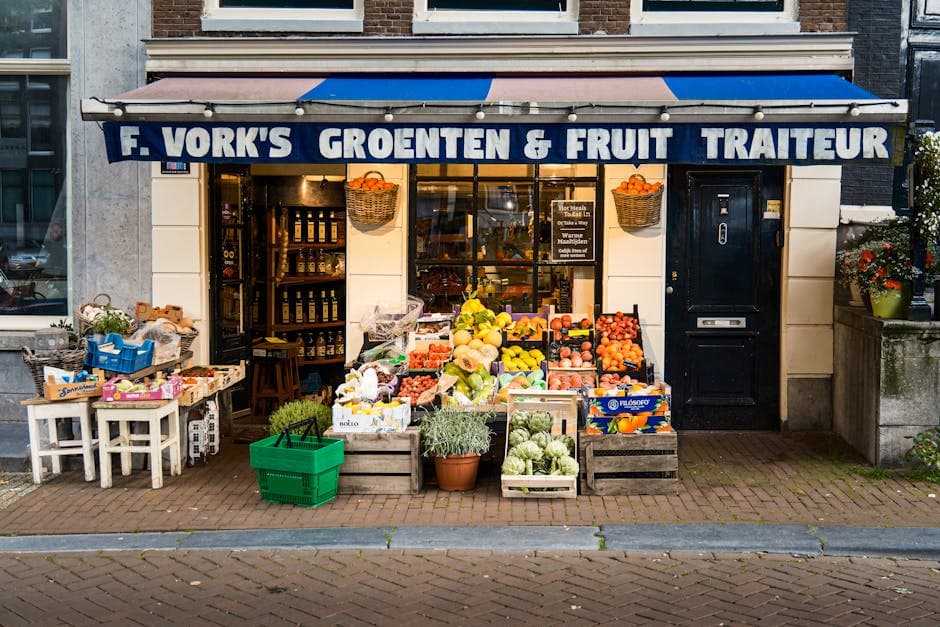
Il piatto di conforto invernale per eccellenza dell'Olanda — purè di patate cremoso combinato con verdure a foglia (tradizionalmente cavolo riccio o indivia) e servito con salsiccia affumicata.
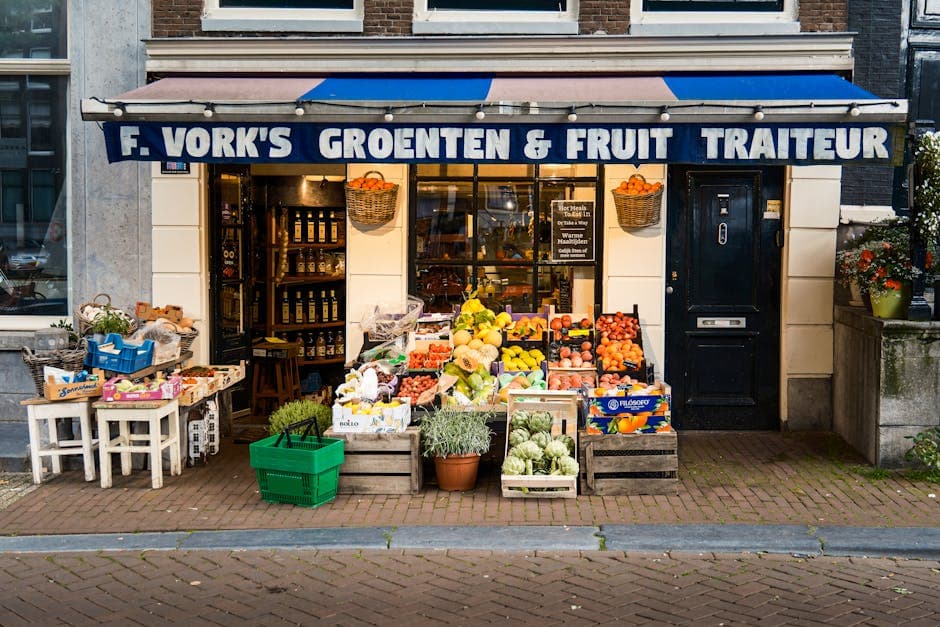
Lo stamppot olandese più iconico — purè di patate cremoso mescolato vigorosamente con cavolo nero brasato, servito con salsiccia affumicata rookworst e pancetta croccante.
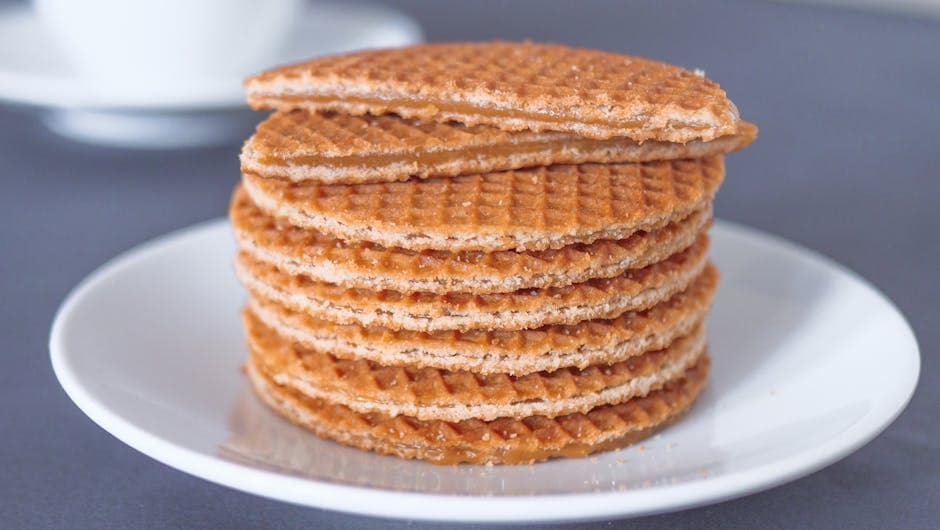
Sottili cialde croccanti con uno strato di sciroppo di caramello — il dolce più iconico dei Paesi Bassi.
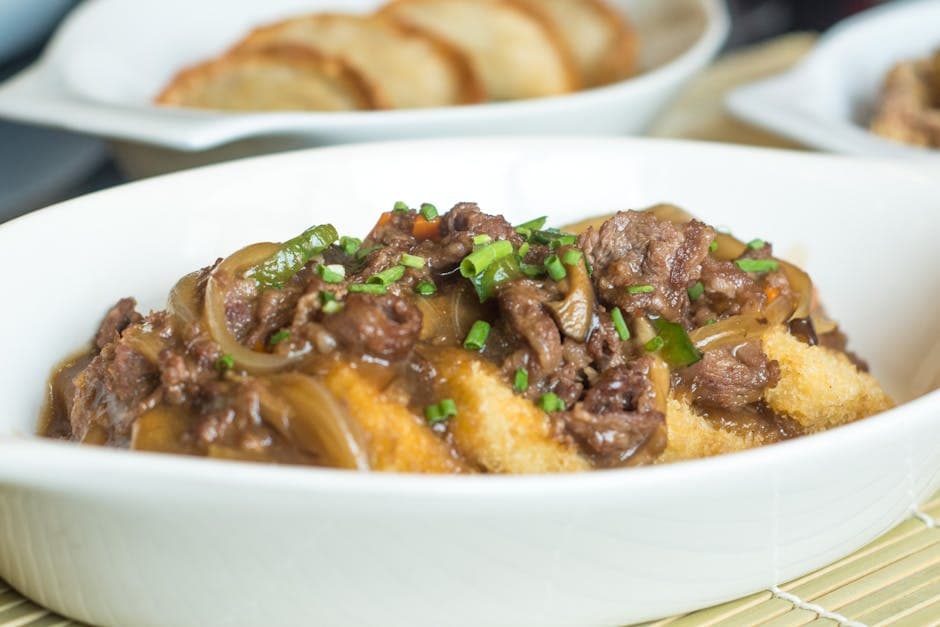
Ricco e saporito stufato olandese di manzo brasato lentamente con una montagna di cipolle, aceto e foglie di alloro.
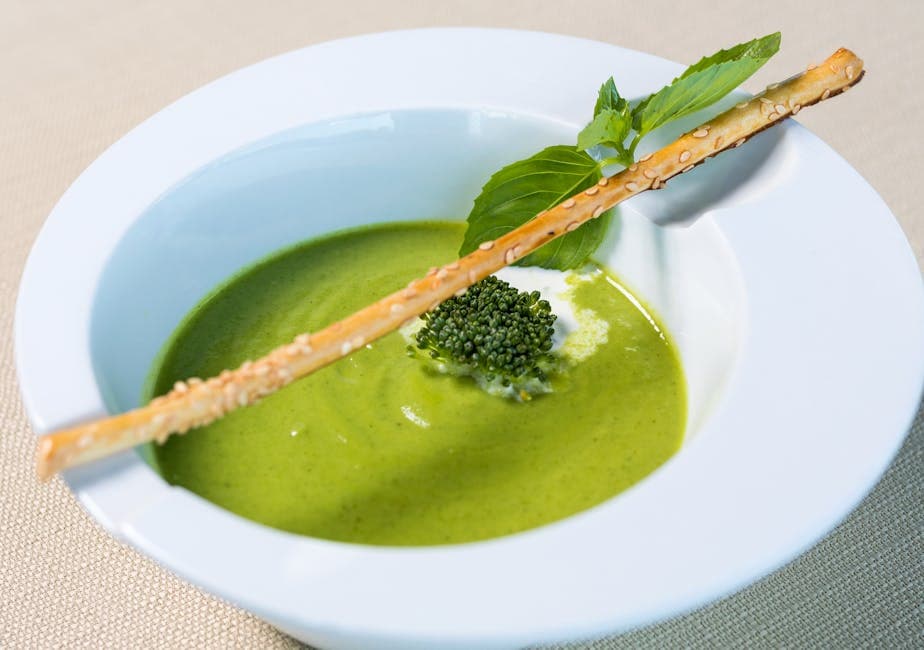
La densa zuppa invernale verde esercito dei Paesi Bassi — così sostanziosa che il cucchiaio vi sta dritto, ricca di maiale e salsiccia affumicata.

Croccanti palline fritte olandesi di ragù di manzo — lo spuntino da bar per eccellenza, sempre servite con senape.
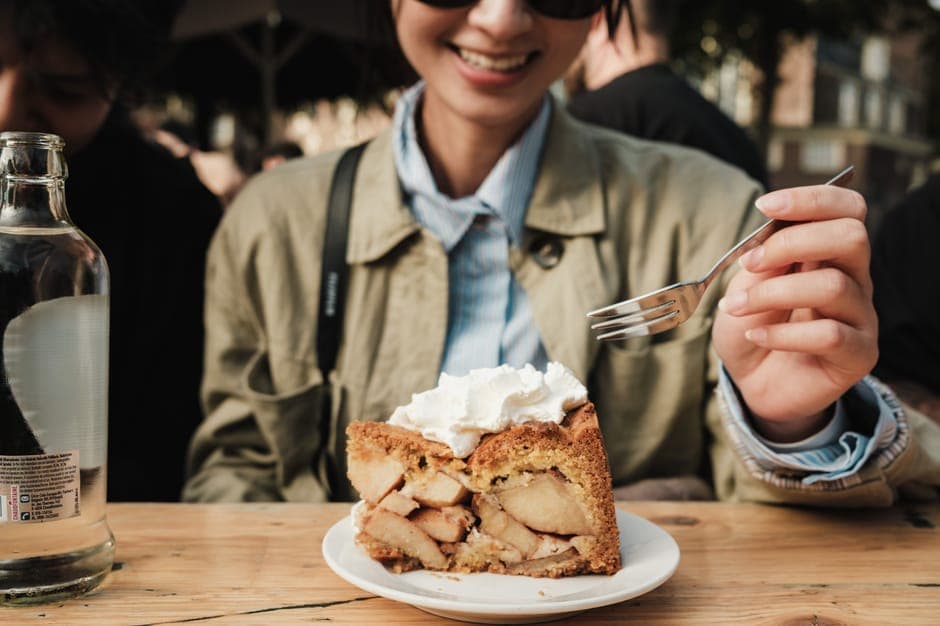
Torta di mele olandese a ripieno generoso con pasta frolla burrosa, mele alla cannella e copertura a griglia — la cultura del caffè in una fetta.
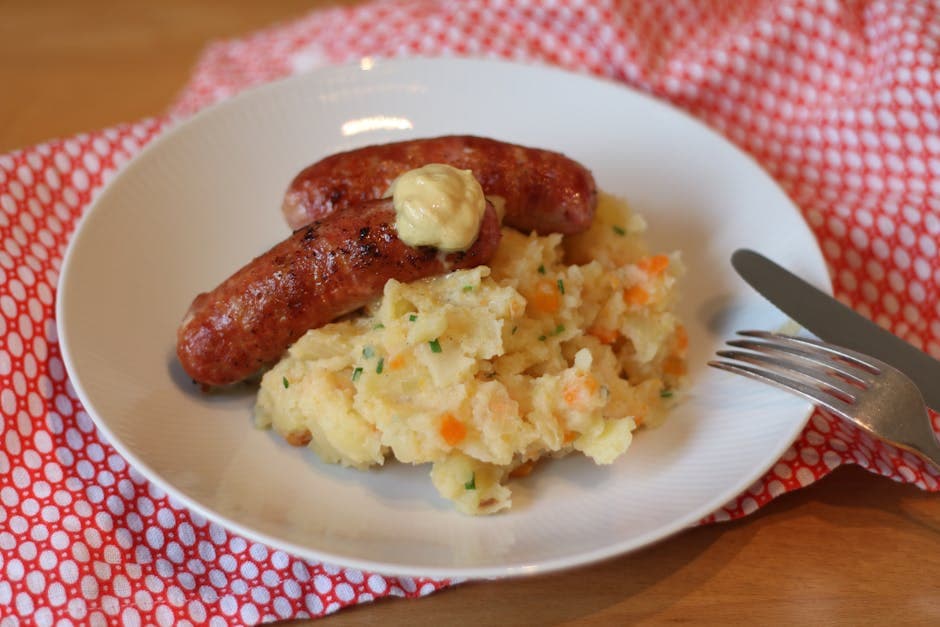
Il secondo grande stamppot olandese — carote, cipolle e patate bollite insieme e schiacciate in una purea grossolana, dolce-salata e arancione. Si mangia il 3 ottobre per commemorare la liberazione di Leida.
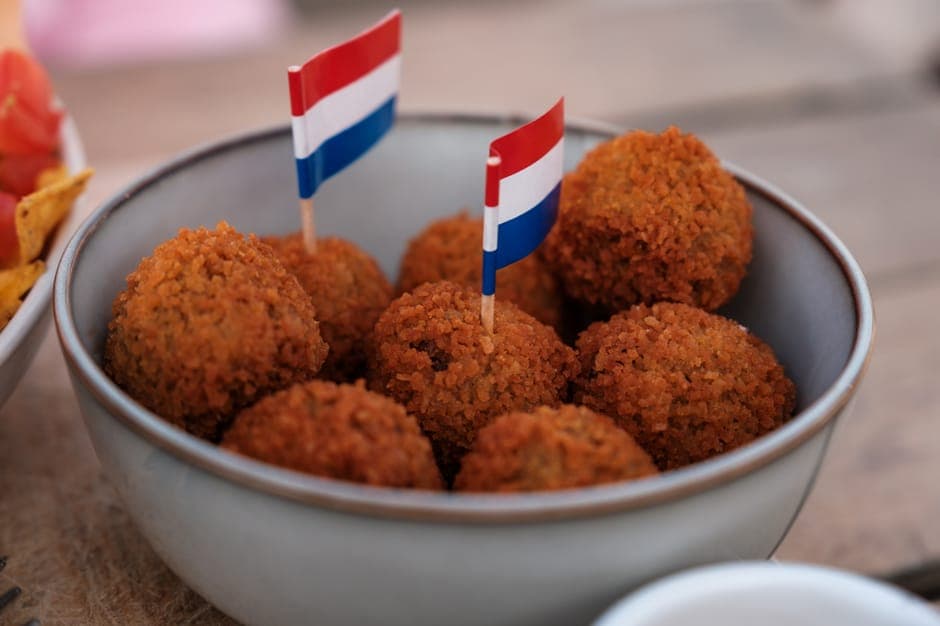
Lo snack da bar più popolare dei Paesi Bassi — palline croccanti e dorate fritte in olio profondo con un cuore di ragù di manzo fuso. Servite con senape olandese in ogni caffè e festa di compleanno. Il boccone olandese per eccellenza.
Densa e sostanziosa zuppa olandese di piselli spezzati con salsiccia affumicata e maiale — così densa che un cucchiaio ci rimane in piedi.
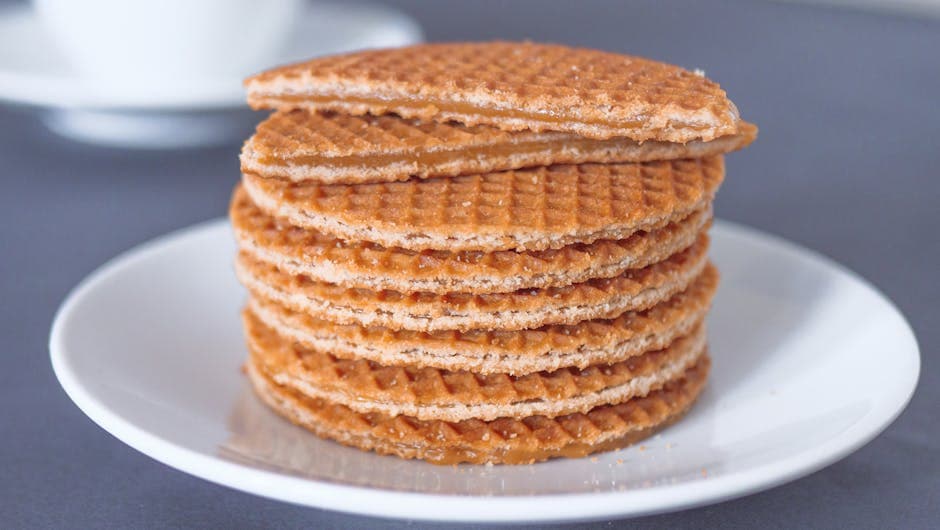
Biscotti waffle olandesi sottili farciti con sciroppo al caramello — pensati per scaldarsi su una tazza di caffè.
La ciotola di riso alle erbe e limone del mercato olandese porta il sapore olandese in una pratica ciotola di riso costruita con cosce di pollo, burro, patate, formaggio e senape e un finale di prezzemolo fresco.
La zuppa di pomodoro affumicata Dutch Village porta il sapore olandese in una pratica zuppa a base di funghi, burro, patate, formaggio e senape e un finale di prezzemolo fresco.
Dutch Garden Sesame Lime Skillet porta il sapore olandese a una pratica cena in padella composta da cavolfiore, burro, patate, formaggio e senape e un finale di prezzemolo fresco.
I Dutch Harbour Charred Pepper Noodles portano il sapore olandese in un pratico piatto di noodle composto da spaghetti di riso, burro, patate, formaggio e senape e un finale di prezzemolo fresco.
L'insalata olandese alle erbe verdi di montagna dona il sapore olandese a una pratica insalata composta da pollo grigliato, burro, patate, formaggio e senape e un finale di prezzemolo fresco.
La focaccia alle erbe e limone del Festival olandese porta il sapore olandese a una pratica focaccia realizzata con pasta per focaccia, burro, patate, formaggio e senape e un finale di prezzemolo fresco.
Dutch Homestyle Smoky Tomato Traybake porta il sapore olandese in un pratico vassoio preparato con patate dolci, burro, patate, formaggio e senape e un finale di prezzemolo fresco.
Le frittelle di lime e sesamo Dutch Street donano il sapore olandese a pratiche frittelle realizzate con pesce salato, burro, patate, formaggio e senape e un finale di prezzemolo fresco.
Il piatto da colazione olandese al peperone carbonizzato dorato dona il sapore olandese a un pratico piatto da colazione realizzato con fagioli, burro, patate, formaggio e senape e un finale di prezzemolo fresco.
Dutch Weeknight Green Herb Dessert porta il sapore olandese a un pratico dessert a base di cocco, burro, patate, formaggio e senape e un finale di prezzemolo fresco.
Due dischi di waffle sottili e croccanti avvolti attorno a un ripieno gommoso di sciroppo di caramello, tradizionalmente riscaldato con una bevanda calda.
Un dolce e abbondante purè di carote, cipolle e patate servito insieme a carne di manzo brasata, storicamente legata all'assedio di Leida.
Piccole polpette croccanti di cremoso ragù di manzo, un classico snack da bar olandese servito con senape da immersione.
Minuscole e morbide frittelle lievitate cotte in una speciale padella con fossette, servite calde spolverate di zucchero a velo e burro.
Cozze fresche della Zelanda cotte al vapore nel vino bianco con sedano, porro e cipolla, servite con una grande ciotola di patatine fritte.
Panini di pasta sfoglia croccanti e friabili ripieni di cubetti di mela e uvetta speziati alla cannella, un'amata delizia olandese del cibo equo e solidale.
Una variante regionale della zuppa olandese di piselli spezzati arricchita con anguilla affumicata in scaglie, una specialità dei corsi d'acqua dei Paesi Bassi.
Palline di pasta lievitata fritte e tempestate di uvetta e ribes, spolverate di zucchero a velo, un amato dolcetto di Capodanno.
Una croccante crocchetta di ragù di manzo fritto, infilata in un morbido panino bianco con senape, un amato classico del pranzo olandese.
Un purè cremoso di patate ripiegato con indivia riccia cruda che appassisce con il calore, guarnito con pezzetti di pancetta croccanti.
Biscotti croccanti e speziati allo zucchero di canna, stampati con le tradizionali forme di mulini a vento o figure, un classico delle vacanze di Sinterklaas.
Un dessert freddo a strati di crema pasticcera alla vaniglia e yogurt alla frutta, un dolcetto nostalgico in stile supermercato olandese fatto da zero.
Pezzi di manzo brasati lentamente con una montagna di cipolle, foglie di alloro e aceto fino a quando diventano profondamente saporiti e dolci.
Grandi polpette di manzo macinato delicatamente speziate brasate in un ricco sugo, un tipico piatto olandese della cena domenicale.
Bocconcini di pesce bianco croccanti e pastellati alla birra, un classico spuntino da bancarella del mercato olandese servito con salsa alle erbe e all'aglio.
Aringa cruda morbida su un panino con sottaceti e cipolla cruda: l'amato sandwich di aringhe dello street food olandese, broodje haring.
Indivia belga brasata avvolta nel prosciutto e cotta con besciamella e salsa al formaggio: un'amata casseruola olandese.
Polpette abbondanti di manzo e maiale condite con noce moscata e chiodi di garofano, rosolate e bollite in un ricco sugo: una classica cena casalinga olandese.
Fagioli marroni bolliti con pancetta, mela e pepe nero in uno stufato denso e sostanzioso: un piatto tradizionale della tradizione contadina olandese.
Una soffice frittata avvolta attorno a una mela saltata e un filo di sciroppo speziato olandese: una calda colazione autunnale basata sui classici prodotti della dispensa olandese.
Porridge cremoso di grano saraceno rifinito con un gustoso burro alle erbe: un tradizionale porridge di cereali olandese con un finale saporito piuttosto che dolce.
Filetti di merluzzo cotti sotto una crosta di senape, erbe e pangrattato: una semplice cena olandese a base di pesce ispirata alla costa.
Una torta di mele alta e profondamente speziata con crosta reticolare e uvetta: l'appeltaart amato dai Paesi Bassi, più denso e più simile a una crema pasticcera rispetto alle versioni americane.
Un'insalata tritata di patate, barbabietola rossa, mela e sottaceti ricoperta da una leggera salsa di maionese: la classica huzarensalade olandese.
Un pollo intero strofinato con noce moscata, chiodi di garofano e timo e arrostito fino a doratura: un arrosto domenicale olandese caldamente speziato basato sulle classiche spezie della dispensa del paese.
Purè di patate, carote e cipolla al forno con pepe nero e burro: lo storico rifugio dell'Olanda, legato alla liberazione di Leida.
Sottili biscotti waffle divisi e riempiti con un caldo sciroppo di caramello: l'amato stroopwafel dei Paesi Bassi, meglio consumato fresco su una piastra al mercato.
Pancake olandesi sottili e di grandi dimensioni tempestati di mele saltate e riscaldati con cannella, cotti in padella.
Una ciotola di cereali calda basata sui sapori del boerenkool olandese: orzo, cavolo riccio, salsiccia affumicata e noce moscata.
Cozze alla Zelanda cotte al vapore con vino bianco, aglio e limone, il piatto di pesce più iconico dei Paesi Bassi, servito su riso.
Erwtensoep, la densa zuppa invernale di piselli spezzati dei Paesi Bassi con salsiccia affumicata, servita come una ricca ciotola.
Peperoni ripieni di carne macinata caldamente speziata in stile gehaktbal olandese, cotta in salsa di pomodoro al profumo di noce moscata.
Una cremosa casseruola olandese al forno con indivia brasata, purè di patate e formaggio fuso, ravvivata con aglio e limone.
Un hamburger di manzo speziato olandese condito come gehaktballen con noce moscata e pimento, condito con formaggio piccante dell'Old Amsterdam.
Setoso budino olandese alla crema pasticcera vla, guarnito con una composta di frutta brillante al limone e una croccante mollica di biscotti alle spezie speculaas.
Un festoso brasato di pollo (tradizionalmente coniglio) durante le festività olandesi con prugne, arancia e una calda punta di zenzero.
La cucina olandese è nata da un clima marittimo freddo e umido e da un sospetto calvinista per l'eccesso: cibo semplice e abbondante fatto bene. Il nucleo storico è la famiglia degli stamppot - purè di patate con verdure come cavoli (boerenkool), crauti o indivia, serviti con salsiccia affumicata e sugo - insieme all'erwtensoep, una zuppa di piselli spezzati abbastanza densa da contenere un cucchiaio, mangiata dopo il pattinaggio invernale. L'aringa è molto importante: l'Hollandse nieuwe, il primo pescato della stagione leggermente in salamoia, consumato crudo con cipolle, è un rito nazionale ogni giugno.
L'età dell'oro olandese e l'era coloniale hanno lasciato un secondo strato. Il commercio delle spezie produceva noce moscata, cannella e chiodi di garofano come spezie da forno quotidiane, da qui i biscotti speculaas e l'ontbijtkoek. I legami con l’Indonesia hanno incorporato il cibo indo-olandese nella dieta nazionale: il nasi goreng, satay con salsa di arachidi, e il rijsttafel, un elaborato formato di tavola di riso composto da molti piatti che era in realtà un’invenzione coloniale olandese. Il roti del Suriname e il broodje pom sono appuntamenti fissi ad Amsterdam e Rotterdam.
L'alimentazione quotidiana è notoriamente pragmatica: pane con formaggio o hagelslag (confettini di cioccolato) a colazione e pranzo, un pasto cucinato la sera. Il formaggio è la grande esportazione e orgoglio: Gouda ed Edam stagionati da giovani (jong) a oud cristallino, tagliati a fette sottili con il formaggio fatto in casa dagli olandesi. La cultura della strada e degli snack fornisce gioia: stroopwafel pressati caldi, poffertjes con burro e zucchero a velo, croccanti bitterballen con senape e patatine fritte con maionese.
Stamppot
Purè di patate con cavolo riccio, crauti, indivia o salsa di carote e cipolle, coronato con rookworst affumicato: la cena invernale definitiva.
Artigianato del formaggio
Gouda ed Edam invecchiati da jong a fragile, oud dalla nota caramellata, consumati quotidianamente a fette sottili piallate sul pane.
Aringhe e mare
Aringhe Hollandse nieuwe crude con cipolle tritate, crocchette e anguilla affumicata completano il lato marittimo della tavola.
Eredità indonesiana
La storia coloniale ha reso il satay, il nasi goreng, il sambal e i rijsttafel elementi permanenti della cucina olandese nelle case e nei ristoranti.
Spezie e dolci da forno
Spezie commerciali con noce moscata, cannella e chiodi di garofano aromatizzano speculaas, ontbijtkoek e lo stroopwafel ripieno di caramello.
Cultura dello spuntino fritto
Bitterballen e kroketten con senape, frites con maionese e poffertjes definiscono l'ora del borrel e il cibo di strada.
Prima il formaggio - Gouda ed Edam - poi stroopwafel, aringhe crude con cipolle, stamppot con rookworst, zuppa di piselli spezzati (erwtensoep), bitterballen, poffertjes e patatine fritte con maionese. Grazie alla storia coloniale, anche i piatti indonesiani come il satay e il nasi goreng fanno parte autenticamente della cucina olandese, così come il roti del Suriname nelle grandi città.
Il nucleo tradizionale è delicato e orientato al comfort - patate, formaggio, pane, salsiccia affumicata - ma l'intera tavola olandese è più piccante della sua reputazione. Il cibo indonesiano-olandese porta il sambal e il satay speziato nelle famiglie comuni, la cucina del Suriname aggiunge il calore del pepe di Madame Jeanette e i formaggi stagionati, il pesce affumicato, l'aringa cruda e la senape portano già da soli molta intensità.
Il Gouda è fatto con latte intero, che gli conferisce un corpo più ricco e cremoso che sviluppa note di caramello e caramello con croccanti cristalli di tirosina man mano che invecchia. L'Edam utilizza latte parzialmente scremato, quindi è più sodo, meno grasso e più delicato, tradizionalmente modellato in palline cerate di rosso. Entrambi prendono il nome dalle città nei cui mercati li vendevano, ed entrambi vanno dal giovane all'anziano (overjarig).
Stamppot boerenkool: lessare le patate con il cavolo riccio tritato, schiacciarle insieme al burro, al latte e una spruzzata di aceto o senape e servire con una salsiccia affumicata riscaldata in padella e una salsa di salsa. È una pentola e trenta minuti. Erwtensoep - piselli spezzati bolliti con carne di maiale, porro, sedano rapa e rookworst - è il secondo progetto naturale.
Rijsttafel ("tavola di riso") è un formato olandese di epoca coloniale per servire cibo indonesiano: riso circondato da una dozzina o più piccoli piatti - manzo rendang, satay, gado-gado, sambal goreng, acar sottaceti - che coprono lo spettro dal dolce al caldo. È stato assemblato dagli olandesi nell'Indonesia coloniale piuttosto che essere una tradizione nativa, e oggi sopravvive principalmente nei ristoranti indonesiani olandesi.
Calcolatori e convertitori pensati per questa pagina — senza registrazione.
Calcolatore di dosi
Dimezza o raddoppia ogni quantità di questa ricetta senza fare calcoli a mente.
Convertitore di misure
Converti tazze, grammi, once e millilitri in entrambe le direzioni.
Convertitore per friggitrice ad aria
Converti tempo e temperatura del forno nelle impostazioni della friggitrice ad aria.