
NuovoCena
Plov
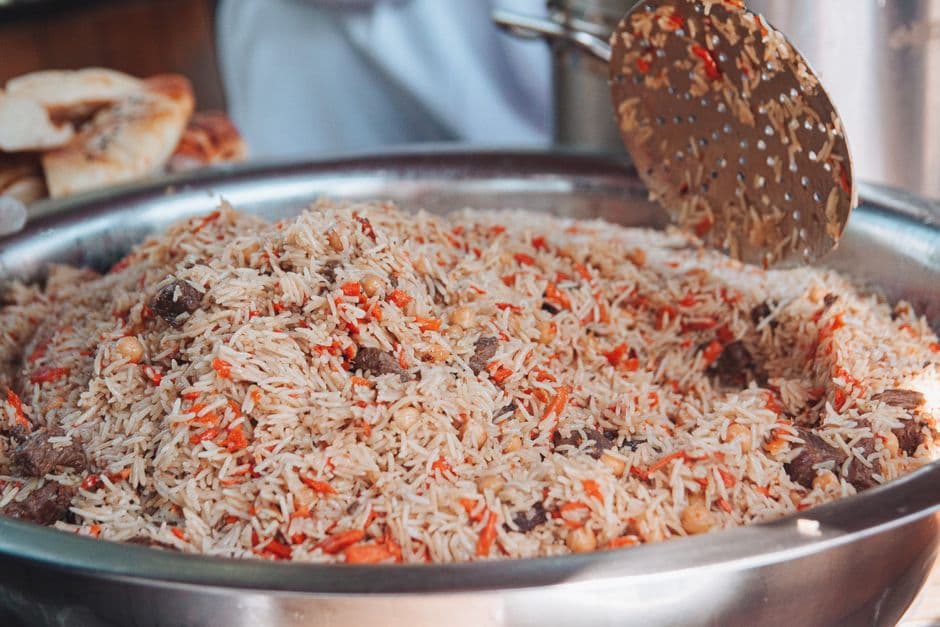
Il leggendario pilaf di riso dell'Uzbekistan — agnello, carote, cipolle e brodo speziato cotti insieme in un kazan per creare il piatto più amato dell'Asia centrale.
115 min680 kcalMedio
★4.9(654)
Plov, samsa, lagman: la ricca cucina della Via della Seta dal cuore dell'Asia centrale.
Altre ricette costruite attorno agli stessi ingredienti principali.
Tieni traccia di ciò che mangi
Fotografa il tuo pasto per registrare calorie e macro, usa i timer del digiuno e monitora l’acqua con l’app gratuita SnapCal.
Pianifica i pasti, monitora il digiuno e crea la lista della spesa — gratis
La dashboard di MyCookingCalendar funziona direttamente nel browser, nessun download necessario.
Il leggendario pilaf di riso dell'Uzbekistan — agnello, carote, cipolle e brodo speziato cotti insieme in un kazan per creare il piatto più amato dell'Asia centrale.

Un brodo d'agnello chiaro e dorato con ceci, patate, carote, cipolle ed erbe fresche — la zuppa più amata e nutriente dell'Asia Centrale.
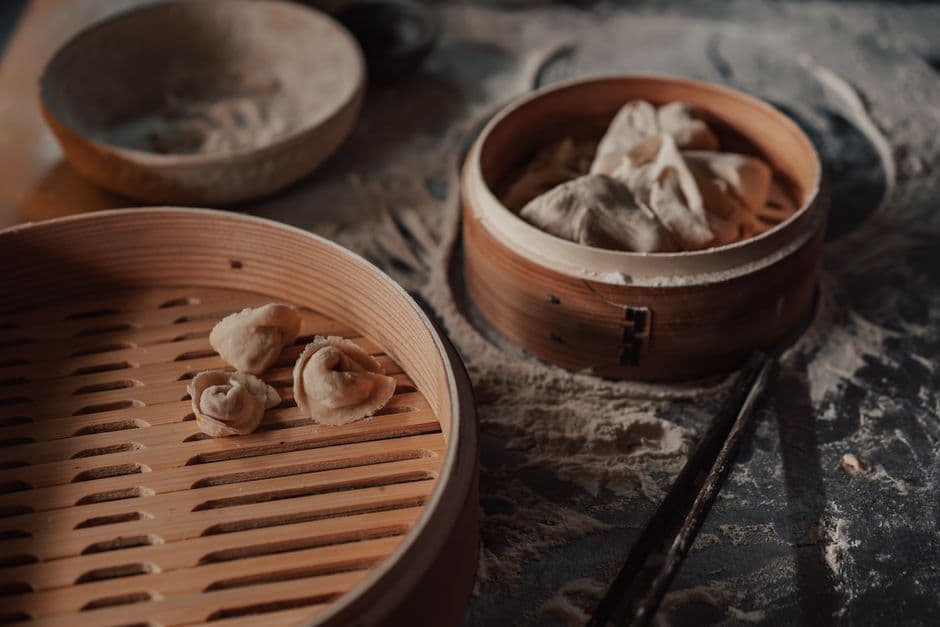
Generosi ravioli al vapore ripieni di agnello speziato, cipolla e zucca, serviti con panna acida e salsa alle erbe — il piatto regale della cucina centroasiatica.

Uno stufato uzbeko senza rimestare, a strati di agnello, patate, carote, cipolle ed erbe, sigillato ermeticamente e cotto lentamente nel proprio vapore — deceptivamente semplice e straordinariamente saporito.
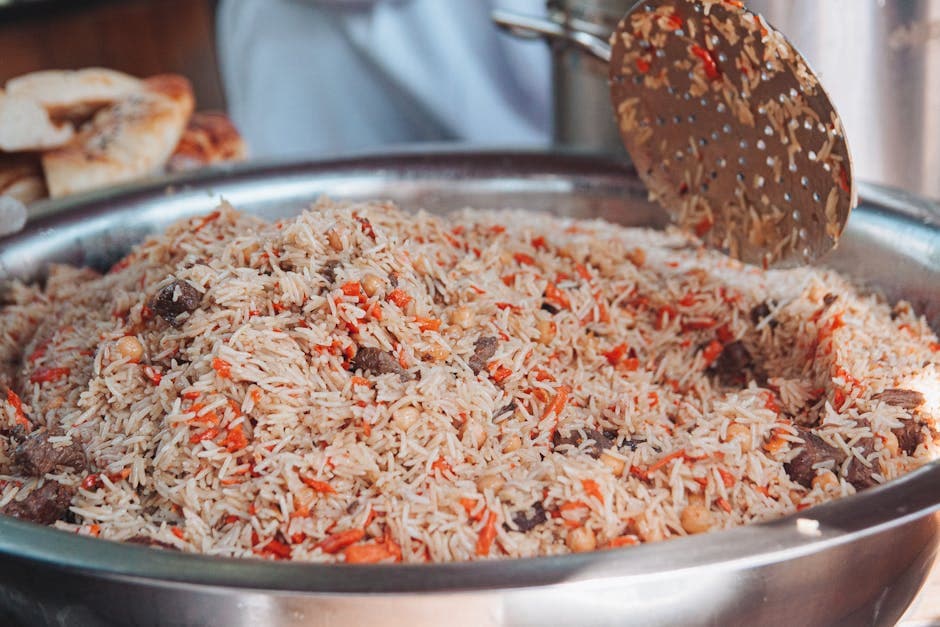
L'antico piatto di riso di Samarcanda — agnello e riso cotti in un kazan con i caratteristici chicchi asciutti e separati del plov uzbeko, profumato al cumino e guarnito con aglio intero e mela cotogna.
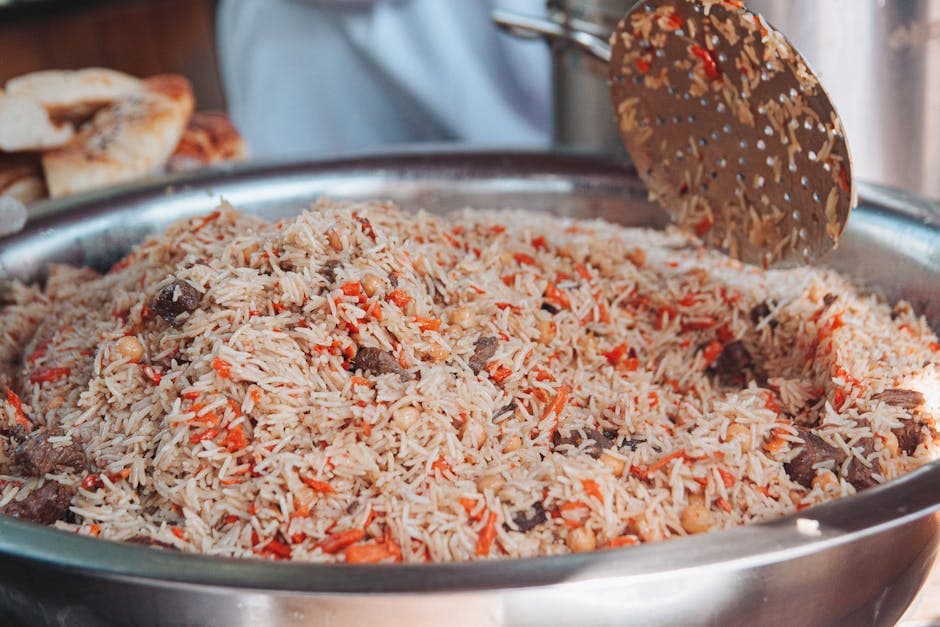
Pasticcini uzbeki di agnello al forno dal tandoor — pasticcini triangolari e sfogliati ripieni di agnello speziato e cipolla, cotti in un forno di argilla finché l'esterno non si sfalda e l'interno sfrigola.
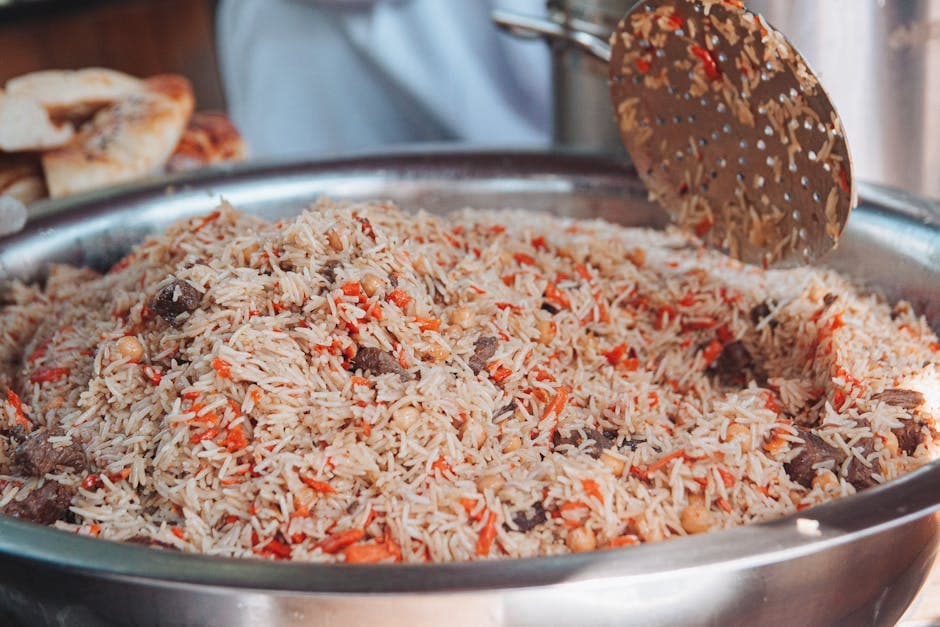
Il piatto di noodles nomade dell'Uzbekistan — noodles tagliati a mano serviti con carne di cavallo o agnello bollita in un brodo chiaro e aromatico, guarniti con cipolle fritte dorate.

La grande zuppa di agnello e verdure dell'Asia Centrale — ricca, aromatica e profondamente nutriente.

Piccoli gnocchi uzbeki ripieni di agnello e cipolla, serviti in brodo chiaro o yogurt — il comfort food dell'Asia Centrale.

Zuppa uzbeka di riso con agnello tenero, pomodori e ceci — una versione più leggera e brodosa del plov.

Ricca e burrosa halva uzbeka di semolino, profumata di burro e vaniglia — un dolce da festa come nessun altro.

Stufato uzbeko a strati di agnello, verdure ed erbe cotto completamente sigillato — senza aggiunta di liquidi, solo vapore naturale.
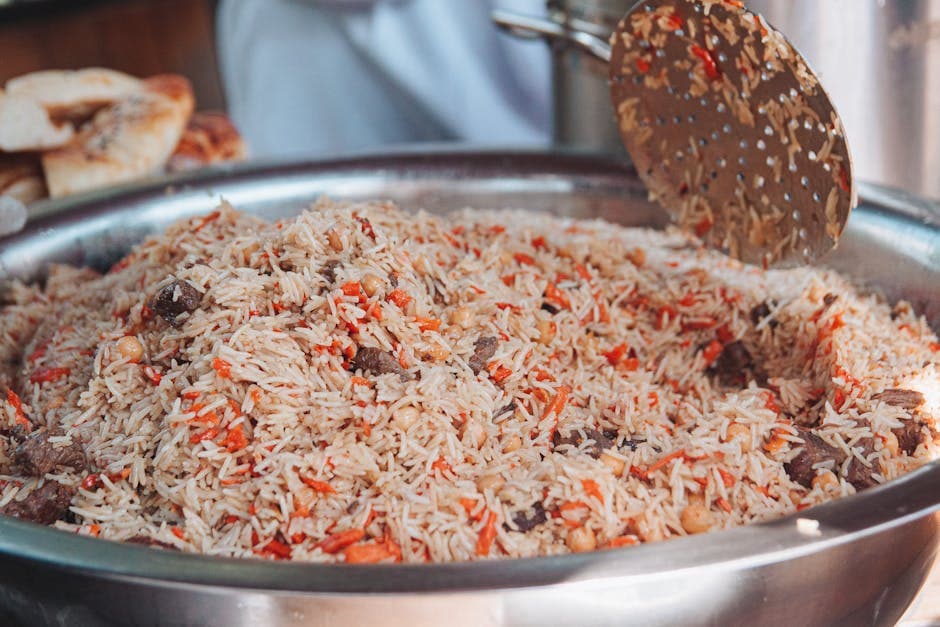
Il più grande piatto di riso dell'Asia Centrale — agnello, carota e cipolla cotti insieme in un grande kazan di ghisa, poi coperti di riso e cotti a vapore nei succhi della carne. Il piatto nazionale dell'Uzbekistan, consumato ad ogni celebrazione.
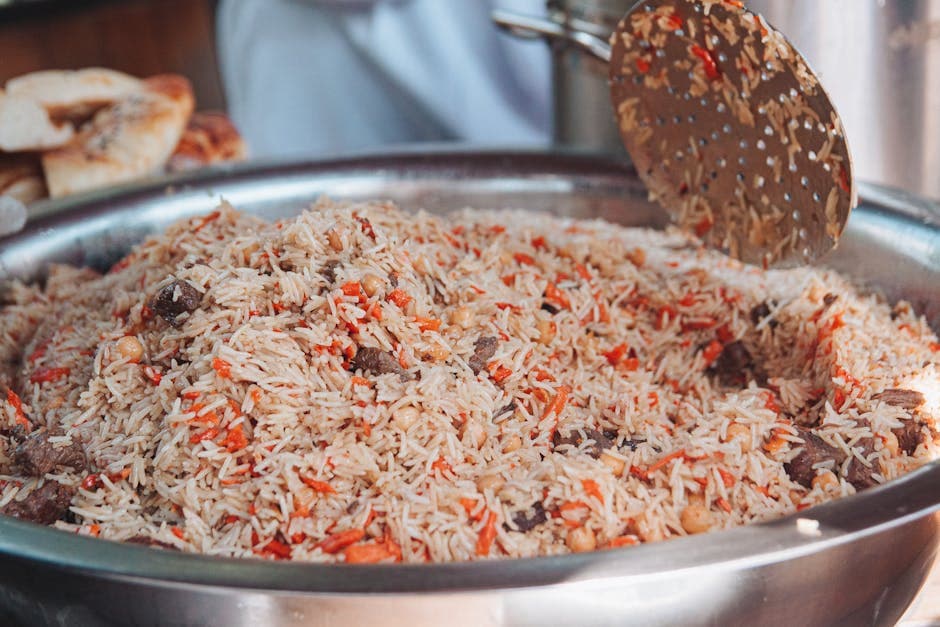
Sostanziosa zuppa uzbeka di agnello e verdure — un brodo a cottura lenta con verdure intere e tenero agnello con osso.

Pasticcini sfogliati al forno ripieni di agnello speziato e cipolla — la risposta centroasiatica al samosa.
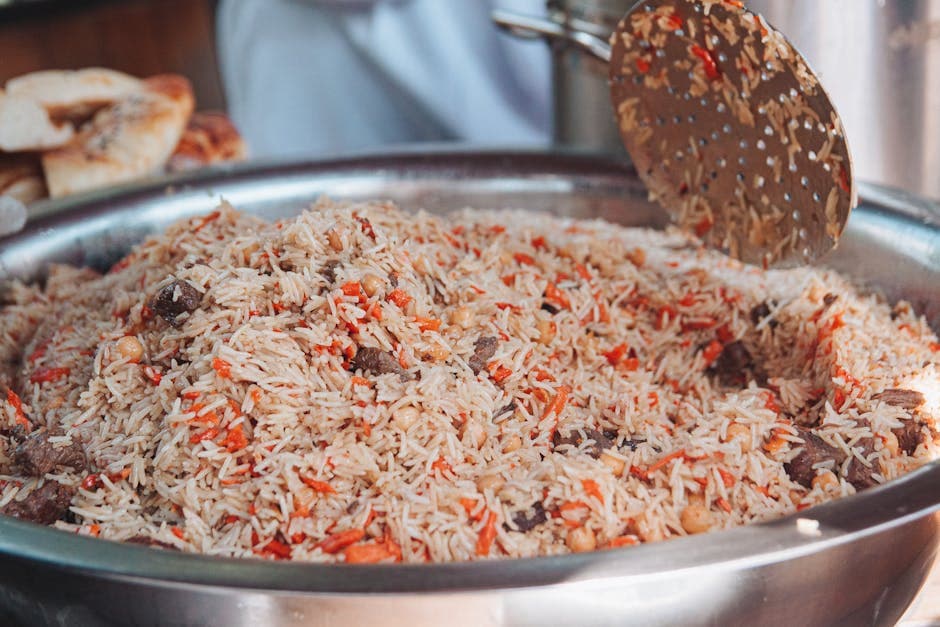
Casseruola uzbeka a strati di carne e verdure cotta al vapore nei propri succhi — un banchetto in un unico tegame.

Ravioli al vapore ripieni di agnello speziato e cipolla — la risposta uzbeka al dim sum cinese, serviti ad ogni celebrazione.
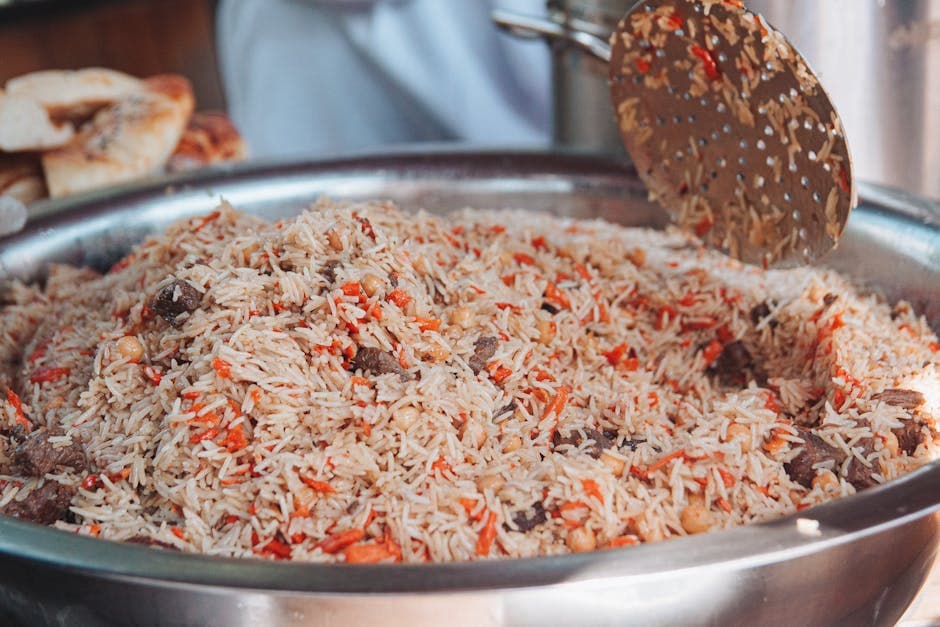
Spaghetti tagliati a mano uzbeki con carne di cavallo e brodo — un piatto celebrativo servito ai matrimoni e al Navruz.
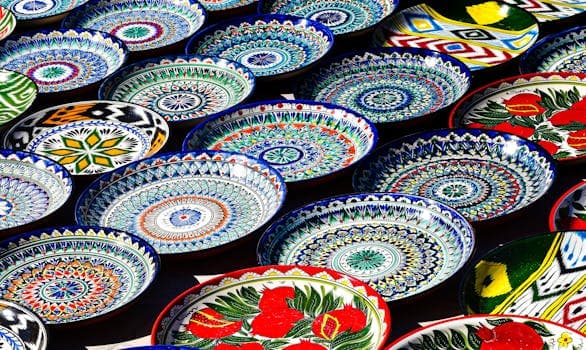
La sostanziosa zuppa di noodles tirati dell'Uzbekistan — spaghetti di grano fatti a mano in un ricco brodo di agnello e verdure con cumino e peperone dolce.
Il piatto nazionale di riso dell'Uzbekistan: agnello, carote e riso cotto lentamente in un unico kazan finché ogni chicco non brilla di grasso dorato.
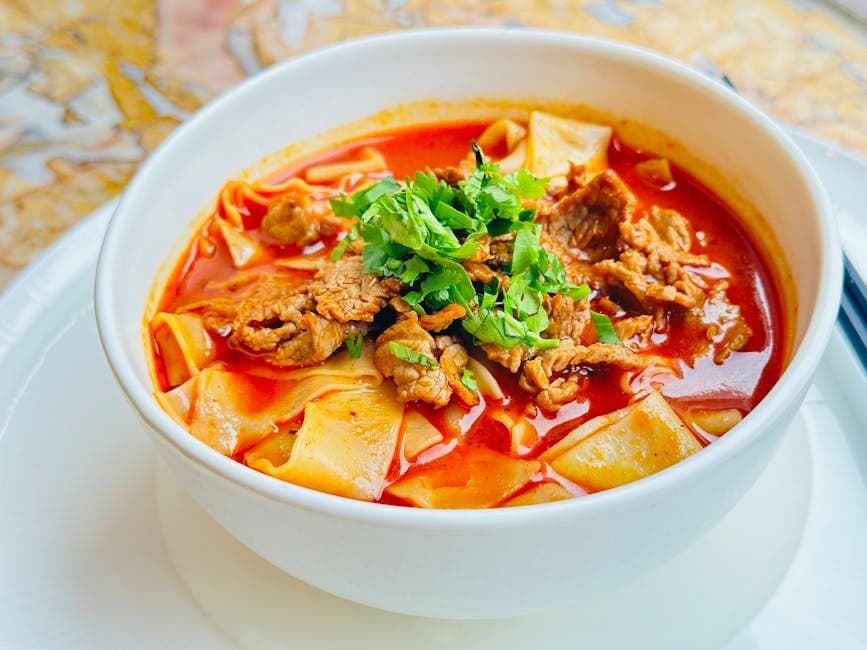
Tagliatelle di grano tirate a mano dell'Uzbekistan in una zuppa di agnello e verdure profondamente speziata: il piatto di pasta più iconico della Via della Seta.
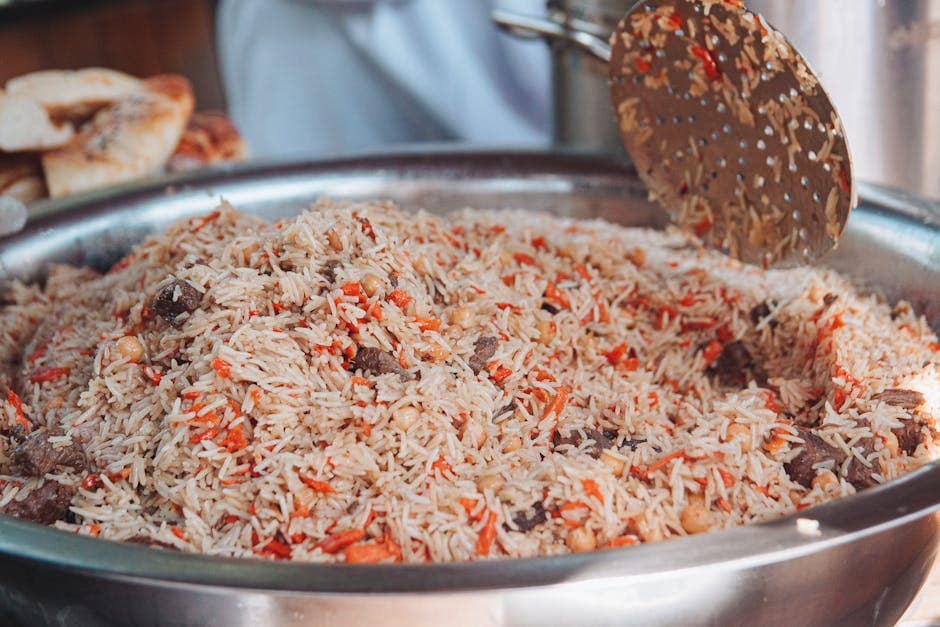
Il piatto nazionale dell'Uzbekistan: agnello, carote, cumino e riso cotti in un unico calderone profondo fino a quando ogni chicco luccica di grasso speziato e la carne si sfalda.
La ciotola di riso alle erbe e limone del mercato uzbeko porta il sapore uzbeko in una pratica ciotola di riso costruita con cosce di pollo, cumino, carote, agnello e cipolle e un finale di aneto fresco.
La zuppa di pomodoro affumicata del villaggio uzbeko porta il sapore uzbeko in una pratica zuppa a base di funghi, cumino, carote, agnello e cipolle e un finale di aneto fresco.
La padella uzbeka al sesamo e lime aggiunge il sapore uzbeko a una pratica cena in padella a base di cavolfiore, cumino, carote, agnello e cipolle e un finale di aneto fresco.
I noodles al pepe carbonizzato del porto uzbeko conferiscono il sapore uzbeko a un pratico piatto di noodle a base di spaghetti di riso, cumino, carote, agnello e cipolle e un finale di aneto fresco.
L'insalata uzbeka di erbe verdi di montagna porta il sapore uzbeko in una pratica insalata composta da pollo alla griglia, cumino, carote, agnello e cipolle e un finale di aneto fresco.
La focaccia alle erbe e limone del Festival uzbeko dona il sapore uzbeko a una pratica focaccia realizzata con pasta per focaccia, cumino, carote, agnello e cipolle e un finale di aneto fresco.
Il vassoio uzbeko Homestyle Smoky Tomato porta il sapore uzbeko in un pratico vassoio preparato con patate dolci, cumino, carote, agnello e cipolle e un finale di aneto fresco.
Le frittelle di lime e sesamo di Uzbek Street conferiscono il sapore uzbeko a pratiche frittelle realizzate con pesce salato, cumino, carote, agnello e cipolle e un finale di aneto fresco.
Il piatto da colazione uzbeko con peperoni carbonizzati dorati dona il sapore uzbeko a un pratico piatto da colazione composto da fagioli, cumino, carote, agnello e cipolle e un finale di aneto fresco.
Uzbek Weeknight Green Herb Dessert dona il sapore uzbeko a un pratico dessert a base di cocco, cumino, carote, agnello e cipolle e un finale di aneto fresco.
Riso cotto in un'unica pentola sopra carote caramellate e agnello rosolato, condito con cumino, un piatto considerato il tesoro nazionale dell'Uzbekistan.
Triangoli di pasta sfoglia a strati ripieni di agnello macinato speziato e cipolla, cotti in forno stile tandoor fino a doratura.
Grandi ravioli al vapore ripieni di grasso di agnello macinato, cipolla e zucca, serviti con una cucchiaiata di yogurt e burro.
Un brodo di agnello abbondante e chiaro bollito con verdure grosse come patate, carote e peperoni, un confortante alimento base dell'Asia centrale.
Una focaccia rotonda e gommosa con un centro stampato e decorativo e bordi gonfi e gonfi, tradizionalmente cotta attaccata alle pareti di un tandoor caldo.
Tagliatelle sottili tagliate a mano condite con carne bollita e cipolla affettate finemente, un piatto freddo caratteristico tradizionalmente servito durante le celebrazioni uzbeke.
Minuscoli gnocchi ripieni di carne macinata condita, bolliti in un brodo chiaro e serviti con un ciuffo di panna acida e aneto fresco.
Agnello, patate, carote e cavolo disposti a strati in una pentola pesante e cotti nel loro stesso sugo senza aggiunta di acqua, ottenendo sapori profondamente concentrati.
Un dolce denso e soffice a base di farina tostata legata con uno sciroppo caldo di zucchero e burro, tempestato di noci, un dolce tradizionale uzbeko.
Bocconcini di agnello e patate fritti insieme in un calderone pesante fino a quando saranno ben dorati e teneri, un sostanzioso piatto rustico uzbeko preferito.
Pomodori e cipolle a fette sottili conditi con erbe fresche e un condimento leggero, una controparte semplice e rinfrescante delle ricche portate principali uzbeke.
Agnello a cubetti saltato in padella con cipolle, patate e peperoni fino a doratura, una cena rustica e sostanziosa in padella uzbeka.
Sottili tasche di pasta riempite con una miscela di uova crude e burro, fritte fino a renderle croccanti, ottenendo un interno morbido e crema pasticcera.
Una sostanziosa zuppa di riso, verdure e carne con sfumature di pomodoro, simile a un cugino più leggero e brodoso del plov.
Piccoli pezzi di pasta fritta ricoperti di sciroppo di miele caldo e pressati in una forma montuosa, appiccicosa e festosa, un amato dolce dell'Asia centrale.
Sfiziosi pasticcini al forno ripieni di una vivace miscela verde di erbe fresche e cipolla, un cugino vegetariano più leggero del samsa di carne.
Un pollo intero marinato in yogurt e spezie, tradizionalmente arrostito in un forno tandoor fino a quando la pelle diventa dorata e croccante.
Riso cotto con fegato tritato finemente e una generosa quantità di erbe fresche, che conferiscono al piatto un caratteristico verde intenso, una specialità ebraico-uzbeka di Bukharan.
Riso cotto a fuoco lento in una pesante pentola kazan con agnello, cipolla rosolata, montagne di carote e uvetta, il piatto nazionale iconico dell'Uzbekistan, il plov.
Pane caldo, cotto nel tandoor, strappato e ripieno di densa crema kaymak, un semplice e amato panino per la colazione uzbeko da gustare con tè caldo.
Polpette di agnello formate a mano cotte a fuoco lento in un brodo di pomodoro piccante, un piatto uzbeko casalingo che riecheggia i sapori dell'amato stufato dimlama del paese.
Fagioli verdi e riso bolliti insieme in un porridge morbido e saporito con cipolla fritta e cumino, un piatto confortante uzbeko tradizionalmente consumato durante la malattia o il digiuno.
Sottili tasche di pasta ripiene di uova strapazzate, erbe aromatiche e un tocco di formaggio, piegate e fritte fino a renderle croccanti, un gustoso spuntino uzbeko.
Un budino naturalmente dolce e a cottura lenta, realizzato interamente con grano germogliato, tradizionalmente cotto durante la notte dalla comunità per celebrare Navruz.
Carpa intera ripiena di cipolla e aneto, strofinata con cumino e cotta finché diventa tenera, una sostanziosa preparazione uzbeka per i pesci d'acqua dolce che si trovano nei fiumi e nei laghi del paese.
Triangoli di pasta sfoglia a strati ripieni di agnello macinato speziato e cipolla, cotti in un forno in stile tandoor fino a doratura, l'amato somsa dell'Uzbekistan.
Pomodoro e cipolla a fette sottili conditi con erbe fresche e un tocco di aceto, la semplice e immancabile insalata uzbeka servita insieme a plov e carni alla griglia.
Piccoli ravioli ripieni di carne bolliti in un brodo chiaro e stagionato, l'amata zuppa chuchvara dell'Uzbekistan spesso servita con un cucchiaio di yogurt o aceto.
Un pollo intero arrostito con una salsa speziata al cumino e imbevuto di una glassa piccante di pomodoro, che porta i sapori caratteristici del plov a un semplice arrosto di famiglia.
Strati di carne, patate, carote, cavoli e pomodori cotti lentamente senza aggiunta di liquidi fino a quando diventano teneri, l'amato stufato uzbeko noto come dimlama.
Piccoli pezzi di pasta fritta ricoperti di sciroppo di miele caldo e pressati insieme con semi di sesamo, il dolce chak-chak celebrativo dell'Uzbeco e dell'Asia centrale.
Soffici frittelle in stile uzbeko fatte con latte fermentato cotto al forno, pepe nero e un tocco di miele, fritte in padella fino a doratura.
Una profumata ciotola di riso in stile uzbeko con paprika dolce, carote caramellate e cumino, che riecheggia i sapori del classico plov.
Un fragrante piatto di riso con gamberi di ispirazione uzbeka, rifinito con una salsa rinfrescante allo yogurt alle erbe (in stile katyk) sul lato.
Una ciotola confortante in stile porridge di riso e fagioli mung uzbeki condita con cumino, pepe nero e cipolla caramellata.
Peperoni alla uzbeka ripieni di riso speziato e agnello, bolliti in un brodo di pomodoro paprika leggermente dolce.
Una casseruola di riso al forno a strati di ispirazione uzbeka, carne di manzo condita e salsa di yogurt alle erbe e aglio, cotta fino a quando bolle.
Un succoso tortino di manzo speziato all'Uzbeco condito con cumino, pepe nero e cipolla, servito in stile hamburger con salsa di yogurt e aglio.
Un dessert denso e gommoso ispirato alle caramelle alle noci sujukh dell'Asia centrale, racchiuso in una pagnotta stile budino con miele e noci.
Un festoso piatto festivo plov uzbeko con tenero agnello, cipolle caramellate, riso allo zafferano e frutta secca.
La cucina uzbeka è cresciuta lungo la Via della Seta, alimentando carovane a Samarcanda, Bukhara e nella valle di Fergana, e il suo fulcro è il plov (osh) - riso cotto in un kazan di ghisa con agnello, carote gialle, cipolle, cumino e teste d'aglio intere, stratificato e mai mescolato. Plov è così codificato che ogni città rivendica il proprio canone, i maestri cuochi chiamati oshpaz lo preparano per i matrimoni in lotti per centinaia e l'UNESCO lo elenca come patrimonio culturale.
Oltre al plov, il repertorio è incentrato sul grasso d'agnello (dumba, dalla pecora dalla coda grassa), sulle tagliatelle tirate a mano e sui forni tandyr. I noodles Lagman arrivarono con i cuochi Dungan e uiguri e divennero un alimento base nazionale sotto forma di zuppa o fritta (kovurma); samsa - pasticcini sfoglia di agnello e cipolla - al forno attaccati alle pareti del tandyr come il gustoso cugino del naan indiano; i manti, grandi gnocchi al vapore di agnello e cipolla tritati a mano, si mangiano con lo yogurt suzma.
La cucina casalinga è stagionale e rispettosa del pane: no, il pane tandyr rotondo stampato, non viene mai posto a faccia in giù o tagliato con un coltello, ma solo strappato. I pasti si aprono con chai, melone e insalate come l'achichuk (pomodoro, cipolla, peperoncino), e il kazan fa la maggior parte del lavoro: la stessa pentola prepara plov, shurpa (zuppa di agnello e verdure) e dimlama, il brasato a vapore di carne e verdure a strati di fine estate.
Plov (oh)
Riso a strati con agnello, carote gialle, cumino e aglio intero in un kazan; ogni regione – Samarcanda, Tashkent, Fergana – ha la propria versione canonica.
Il Kazan
Un pesante calderone in ghisa usato per plov, shurpa e dimlama; la sua ritenzione del calore definisce la tecnica uzbeka di stratificazione e cottura a vapore.
Pane tandyr e samsa
Focacce stampate e friabili samsa con agnello e cipolla, cotti attaccati alle pareti di un forno tandyr di argilla.
Tagliatelle e gnocchi fatti a mano
Lagman ha preparato i noodles in zuppa o fritti, oltre a manti al vapore e piccoli gnocchi di chuchvara bolliti.
Grasso di agnello e dumba
Le pecore dalla coda grassa forniscono la carne e il grasso della coda fuso che conferiscono sapore al plov, al samsa e ai kebab (shashlik).
Cultura del tè e del melone
Il tè verde servito in ciotole di piala e i famosi meloni uzbeki incorniciano ogni pasto dall'inizio alla fine.
La cucina uzbeka è nota per il plov - riso cucinato con agnello, carote gialle e cumino in un kazan di ghisa - insieme a noodles tirati a mano lagman, gnocchi di manti al vapore, pasticcini samsa cotti al tandyr e non pane e spiedini shashlik. È la cultura alimentare più celebre dell'Asia centrale, plasmata dal commercio sulla Via della Seta attraverso Samarcanda e Bukhara.
Il plov uzbeko è costruito in strati rigidi e non agitati in un kazan: grasso di agnello fuso, poi carne, cipolle e uno spesso strato di carote gialle tagliate a julienne, con sopra riso e acqua. Le teste d'aglio intere e il cumino lo condiscono e non vengono mai mescolati fino al momento di servire. Il polo persiano enfatizza la crosta croccante del tahdig e le erbe aromatiche; Pulao e biryani indiani utilizzano molte più spezie e riso basmati.
No. La cucina uzbeka è saporita e ricca piuttosto che piccante, condita principalmente con cumino (zira), pepe nero, semi di coriandolo e crespini. Il peperoncino fresco appare nell'insalata achichuk e il lagman può prendere un condimento di peperoncino e aglio (laza), riflettendo l'influenza uigura, ma il calore è sempre facoltativo. La ricchezza deriva dal grasso della coda di agnello e dumba, bilanciata da tè verde, insalate e yogurt.
Inizia con un plov fatto in casa in un forno olandese: rosolare l'agnello o il manzo nell'olio, aggiungere le cipolle e uno strato generoso di fiammiferi di carote, condire con cumino, annidare in una testa d'aglio, quindi aggiungere riso e acqua e cuocere a vapore indisturbato. Insegna la tecnica del core layering. Shurpa, la zuppa di agnello e verdure, è ancora più semplice: basta cuocere a fuoco lento.
Gli elementi essenziali sono riso a grana media (la devzira è tradizionale; il calrose funziona), agnello o manzo, molte carote e cipolle, semi di cumino interi, coriandolo, pepe nero e crespini essiccati per il plov. Un pesante forno olandese sostituisce il kazan. Per un repertorio più ampio aggiungere farina per tagliatelle e gnocchi, yogurt bianco (come suzma) e grasso di agnello o olio neutro.
Calcolatori e convertitori pensati per questa pagina — senza registrazione.
Calcolatore di dosi
Dimezza o raddoppia ogni quantità di questa ricetta senza fare calcoli a mente.
Convertitore di misure
Converti tazze, grammi, once e millilitri in entrambe le direzioni.
Convertitore per friggitrice ad aria
Converti tempo e temperatura del forno nelle impostazioni della friggitrice ad aria.