
NuovoCena
Gulash Ungherese
Lo stufato icona dell'Ungheria di manzo e patate rosso paprika — profondamente salato, caldo speziato e cotto basso e lento fino a quando il manzo è teneramente morbido.
170 min390 kcalFacile
★4.8(1,956)
Goulash, pollo alla paprikash, lángos: audace cucina dei Carpazi speziata alla paprika.
Altre ricette costruite attorno agli stessi ingredienti principali.
Tieni traccia di ciò che mangi
Fotografa il tuo pasto per registrare calorie e macro, usa i timer del digiuno e monitora l’acqua con l’app gratuita SnapCal.
Pianifica i pasti, monitora il digiuno e crea la lista della spesa — gratis
La dashboard di MyCookingCalendar funziona direttamente nel browser, nessun download necessario.
15 Piatti da Congelare e Preparare in Anticipo che si Riscaldano Davvero Bene
15 stufati, brasati, curry e piatti al forno reali e ben valutati da tutto il mondo che si congelano senza perdere consistenza — più la tecnica di porzionatura, scongelamento e riscaldamento per farli sembrare appena cucinati.
10 zuppe invernali da tutto il mondo
Zuppe abbondanti per la stagione fredda in tutto il mondo, con i classici turchi della çorba - mercimek, tarhana e beyran - in testa.
Lo stufato icona dell'Ungheria di manzo e patate rosso paprika — profondamente salato, caldo speziato e cotto basso e lento fino a quando il manzo è teneramente morbido.
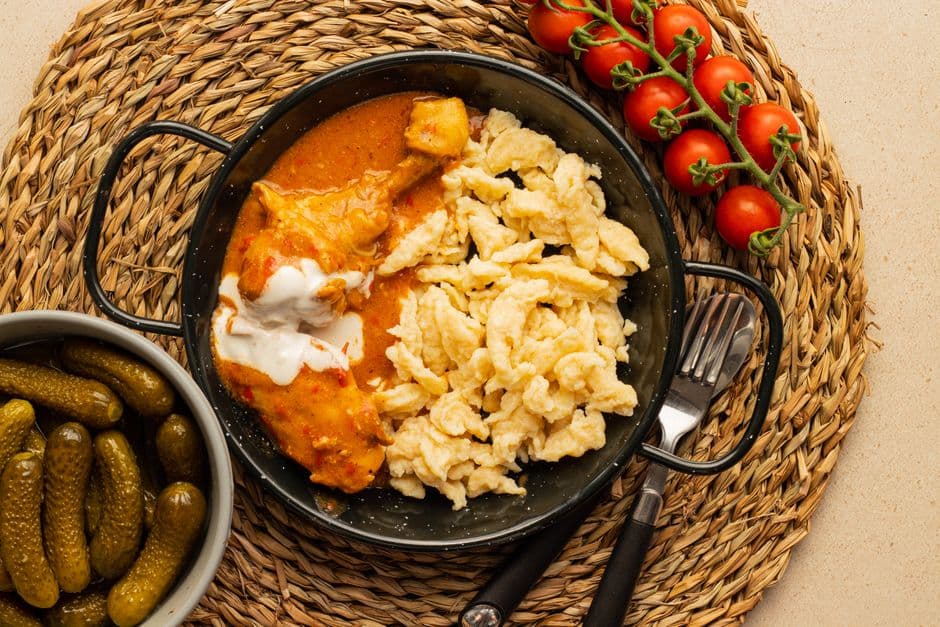
Csirkepaprikás — petti di pollo tenerissimi brasati in un sugo vellutato aromatizzato alla paprika, finito con panna acida e servito con tagliatelle.

Il gulyás ungherese autentico: una zuppa chiara e ricca di paprika con manzo e patate — non lo stufato denso occidentale, ma una zuppa calda ed elegante che è il piatto nazionale ungherese.
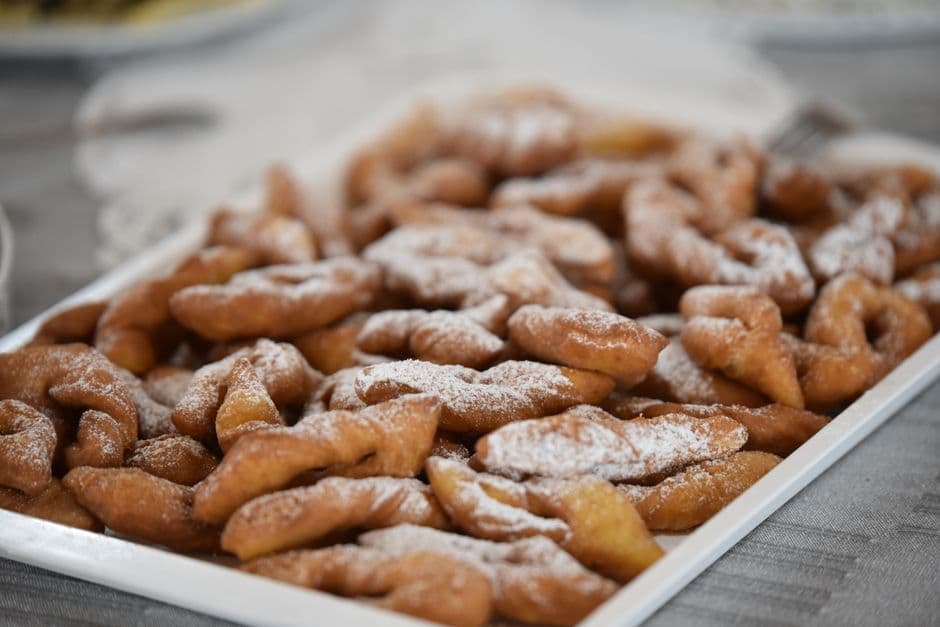
Il cibo di strada più amato dell'Ungheria: una grande focaccia lievitata fritta in olio profondo fino a doratura e gonfiezza, guarnita con panna acida e formaggio grattugiato.

Involtini di cavolo ripieni di maiale e riso, brasati lentamente nei crauti con maiale affumicato e paprika — il più grande piatto invernale ungherese e tradizione natalizia.
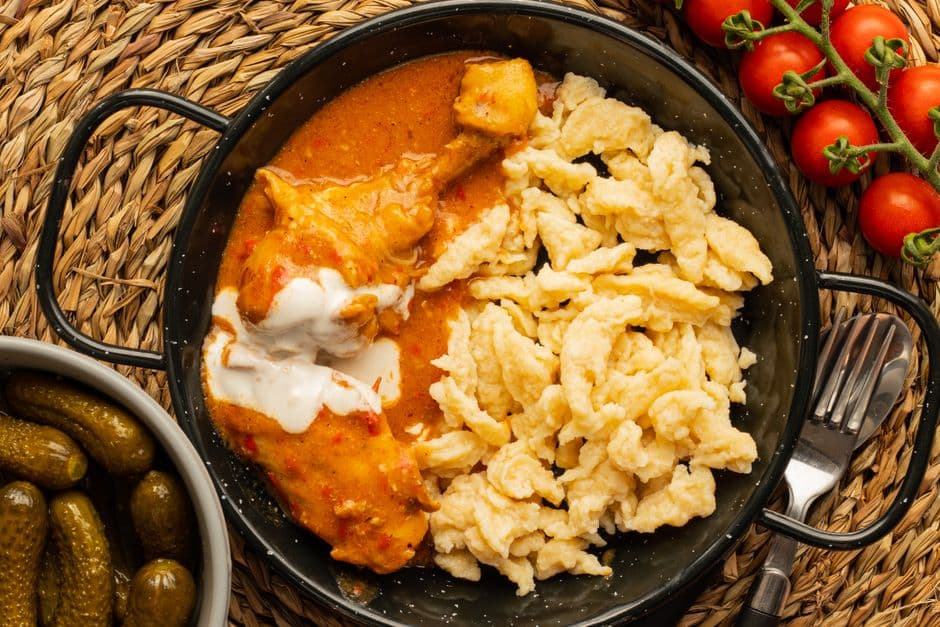
L'anima della cucina ungherese — uno stufato di manzo e patate a cottura lenta, reso brillantemente rosso da abbondante paprica dolce ungherese, sostanzioso e profondamente riscaldante.

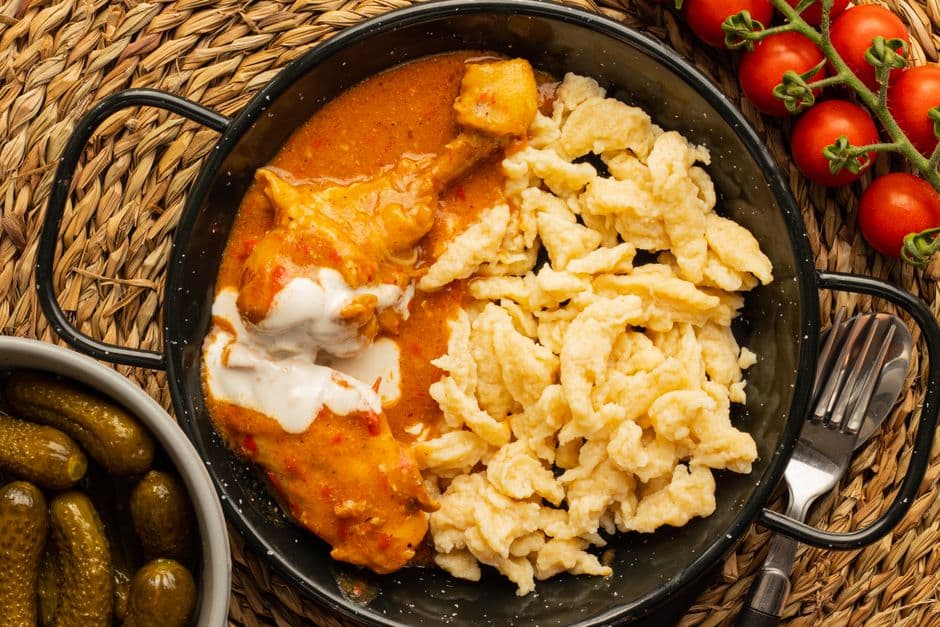
Il piatto di pollo più celebrato dell'Ungheria — pollo con osso cotto a fuoco lento in una vivace salsa alla paprika completata con panna acida, servito con gnocchetti all'uovo (nokedli).

Involtini di cavolo ripieni ungheresi — foglie di cavolo tenere avvolte intorno a maiale macinato e riso, cotte a fuoco lento in un brodo di crauti e pomodoro fino a diventare incredibilmente tenere.

Zuppa di pesce ungherese piccante e rossa di paprika dal Danubio — decisa, ricca e profondamente soddisfacente.
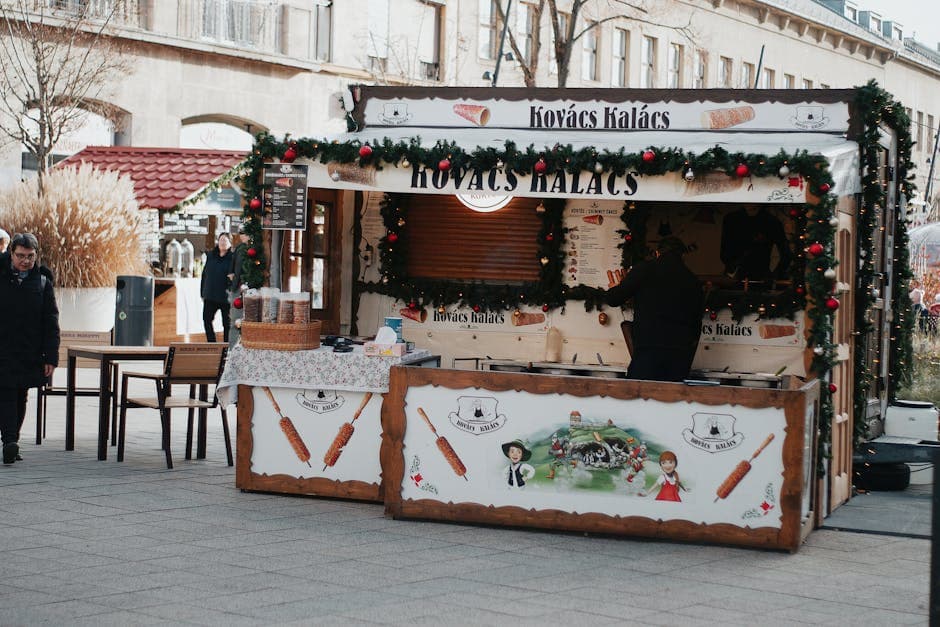
Il celebre strudel ungherese tirato a mano ripieno di ciliegie acide e noci — strati sottilissimi di pasta croccante.
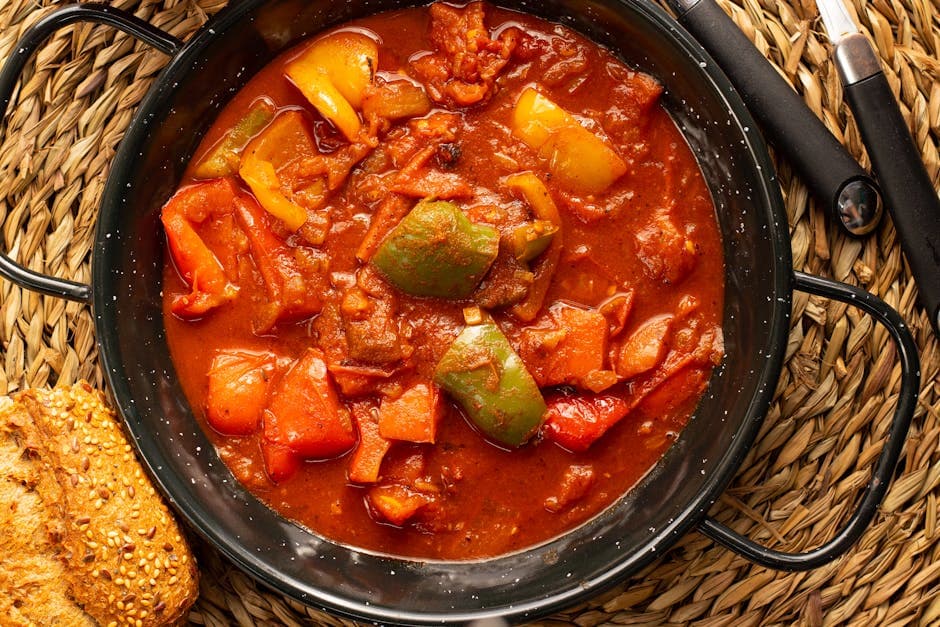
Lo stufato ungherese versatile di peperoni, pomodori e cipolle con paprika e salsiccia — servito come piatto principale o contorno.

L'amato dolce ungherese a forma di cilindro grigliato, rivestito di zucchero caramellato e noci.

Peperoni ungheresi ripieni di maiale speziato e riso, cotti a fuoco lento in un ricco sugo di pomodoro.

Il piatto nazionale dell'Ungheria — uno stufato ricco di paprika con manzo e patate con un brodo limpido e dal sapore profondo che è tecnicamente una zuppa, non lo stufato denso esportato nel mondo. La versione autentica di Budapest.
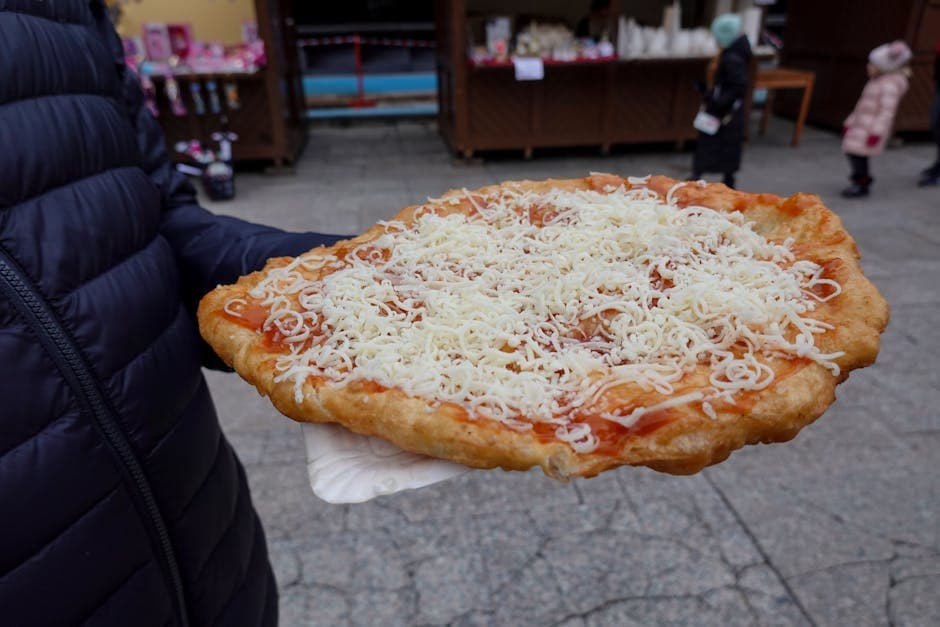
Lo street food iconico ungherese — un disco di pasta fritto in olio profondo, condito con panna acida e formaggio grattugiato, croccante fuori, soffice dentro, e assolutamente irresistibile.

Lo spettacolare dolce a strati dell'Ungheria — sottili strati di pan di spagna farciti con crema al burro al cioccolato, sormontati da un croccante caramello, icona dei caffè viennesi del XIX secolo.
La drammatica zuppa di pesce piccante ungherese — carpa intera, pesce gatto o luccio cotti a fuoco lento in un brodo rosso ardente di paprika. Due versioni in competizione (Baja vs. Szeged) e un dibattito senza fine. Entrambe sono straordinarie.
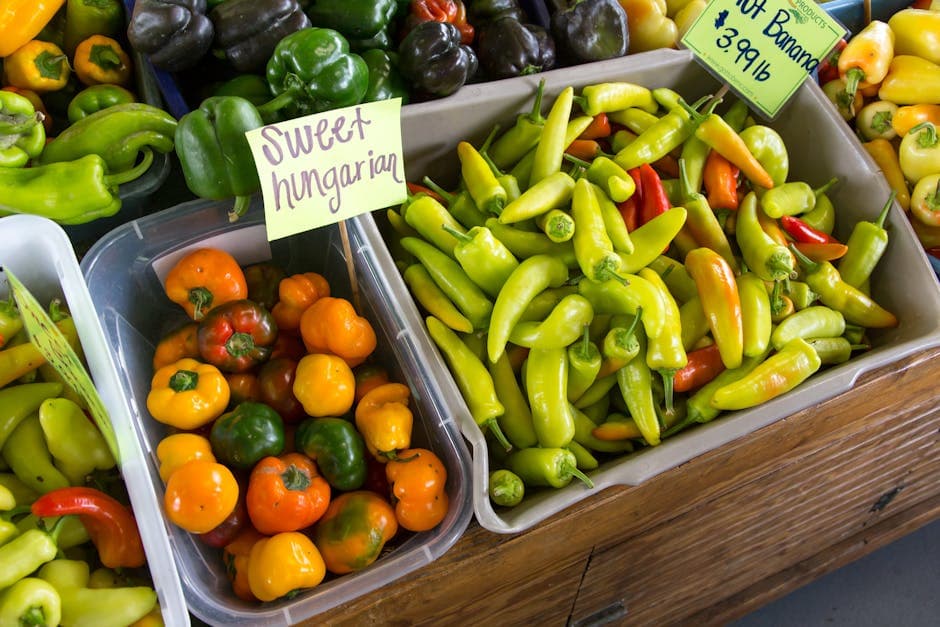
Stufato ungherese di peperoni e pomodori con pancetta e uova — il quintessenziale piatto estivo di verdure della cucina ungherese.

Zuppa ungherese fredda di amarene — una zuppa cremosa dolce-acidula servita come primo piatto in estate.
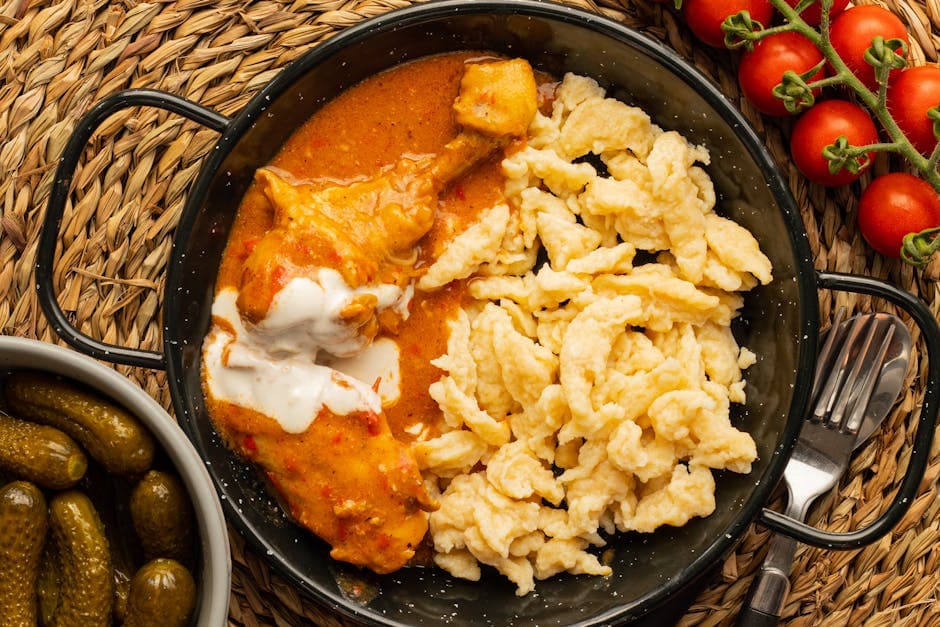
Lo stufato nazionale ungherese: manzo, paprika dolce, cipolle e patate bollite in una profumata zuppa rossa.
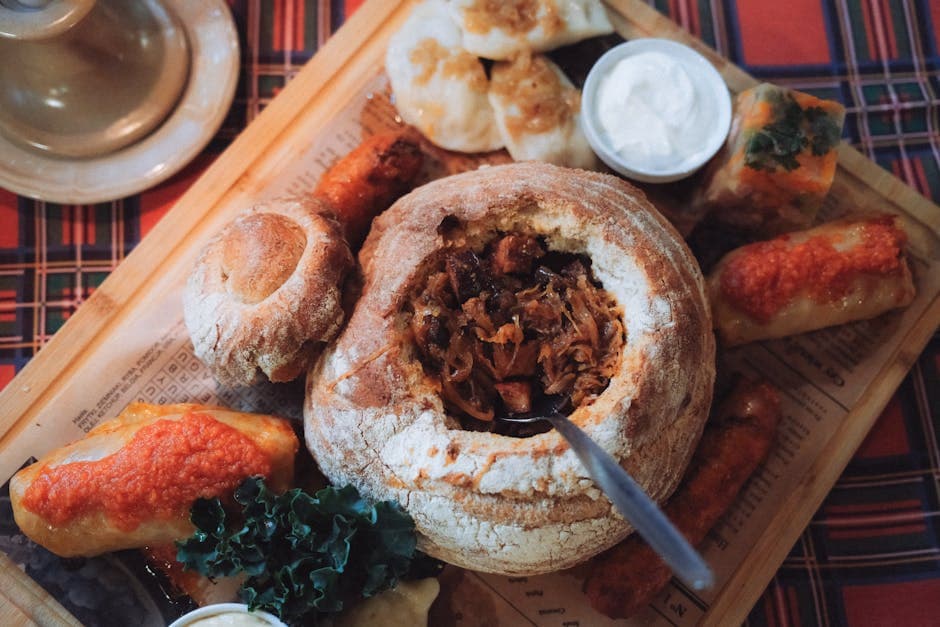
Goulash ungherese di crauti e maiale con panna acida e cumino: il caldo classico invernale dell'Ungheria sudorientale.

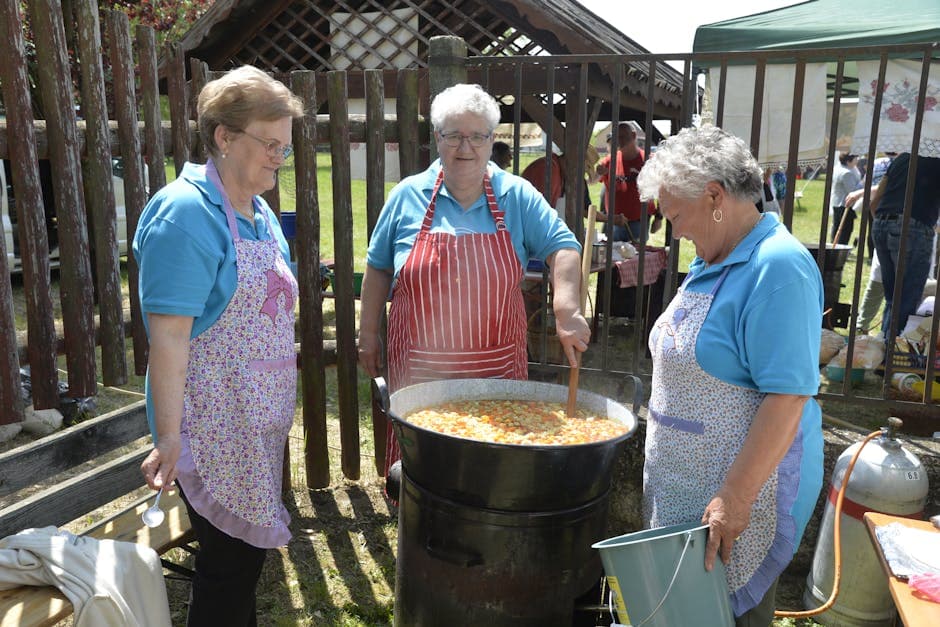
Il vero gulasch ungherese: una zuppa di manzo e patate ricca di paprika, cotta lentamente e lentamente con cumino, cipolle ammorbidite dallo strutto, peperoni e pomodoro, servita da un bollitore a fuoco vivo.
La ciotola di riso alle erbe e limone del mercato ungherese porta il sapore ungherese in una pratica ciotola di riso costruita con cosce di pollo, paprika, panna acida, cumino e peperoni e un finale di prezzemolo fresco.
La zuppa di pomodoro affumicata del villaggio ungherese conferisce il sapore ungherese a una pratica zuppa composta da funghi, paprika, panna acida, cumino e peperoni e un finale di prezzemolo fresco.
La padella ungherese al sesamo e lime porta il sapore ungherese in una pratica cena in padella composta da cavolfiore, paprika, panna acida, cumino e peperoni e un finale di prezzemolo fresco.
I noodles al pepe carbonizzato del porto ungherese donano il sapore ungherese a un pratico piatto di noodle composto da spaghetti di riso, paprika, panna acida, cumino e peperoni e un finale di prezzemolo fresco.
L'insalata ungherese di erbe verdi di montagna porta il sapore ungherese in una pratica insalata composta da pollo grigliato, paprika, panna acida, cumino e peperoni e un finale di prezzemolo fresco.
La focaccia alle erbe e limone del Festival Ungherese porta il sapore ungherese in una pratica focaccia realizzata con pasta per focaccia, paprika, panna acida, cumino e peperoni e un finale di prezzemolo fresco.
Il Traybake al pomodoro affumicato ungherese Homestyle porta il sapore ungherese in un pratico vassoio preparato con patate dolci, paprika, panna acida, cumino e peperoni e un finale di prezzemolo fresco.
Le frittelle ungheresi al sesamo e lime portano il sapore ungherese in pratiche frittelle realizzate con pesce salato, paprika, panna acida, cumino e peperoni e un finale di prezzemolo fresco.
Il piatto da colazione ungherese con peperoni carbonizzati dorati porta il sapore ungherese in un pratico piatto da colazione realizzato con fagioli, paprika, panna acida, cumino e peperoni e un finale di prezzemolo fresco.
Il dessert ungherese alle erbe verdi della settimana settimanale porta il sapore ungherese a un dessert pratico a base di cocco, paprika, panna acida, cumino e peperoni e un finale di prezzemolo fresco.
Una zuppa di manzo e verdure rosso mattone con paprika, più vicina a un sostanzioso stufato, bollita lentamente e lentamente con dolce paprika ungherese.
Pollo con osso brasato in una ricca salsa di panna acida e paprika, tradizionalmente servito su gnocchi di pasta all'uovo (nokedli).
Uno stufato semplice e vivace di peperoni stufati, pomodori e cipolle, spesso rifinito con salsiccia e uovo fritto.
Sottili crêpe salate ripiene di pollo brasato alla paprika, condite con una salsa cremosa alla paprika.
Un pan di spagna alto con tanti strati sottili, ripieno di crema al burro al cioccolato e coronato da uno spettacolare disco di caramello.
Una zuppa di pesce a base di paprika rossa focosa, preparata con pesce di fiume, cotto a fuoco lento fino a quando il brodo diventa profondo e riccamente aromatizzato.
Pasta larga condita con formaggio fresco del contadino, panna acida e pezzetti di pancetta croccanti, un amato piatto ungherese.
Strati di pan di spagna imbevuto di rum, salsa al cioccolato, crema pasticcera alla vaniglia e panna montata, un amatissimo dessert ungherese a strati.
Una casseruola al forno di patate a fette, uova sode e salsiccia ricoperta di panna acida, dorata e gorgogliante in superficie.
Un impasto lievitato avvolto attorno a uno spiedo di legno, arrostito sul fuoco o in forno fino a doratura e arrotolato nello zucchero e nei condimenti.
Un ricco stufato di maiale e crauti bolliti in salsa alla paprika, rifinito con un turbinio di panna acida.
Focaccia lievitata fritta, croccante fuori e gommosa dentro, condita con panna acida, formaggio grattugiato e aglio.
Una zuppa fredda e dolce-aspra di amarene arricchita con panna acida e un pizzico di cannella, servita come antipasto estivo.
Una sostanziosa zuppa di fagioli rossi bollita con carne di maiale affumicata e ortaggi a radice, addensata con un roux alla paprika.
Spesse fette di formaggio a pasta semidura impanate e fritte fino a quando la crosta si frantuma e il centro diventa fuso.
Gnocchi morbidi di formaggio fresco contadino, bolliti e passati nel pangrattato burroso, serviti con panna acida e zucchero.
Pasta di patate fritta condita con aglio, panna acida e formaggio grattugiato, piegata come un panino: l'amato cibo di strada da fiera ungherese.
Patate a strati, uova sode e salsiccia affumicata cotti in salsa di panna acida speziata alla paprika: la casseruola di rakott krumpli più amata dagli ungheresi.
Tenerissime polpette di maiale e manzo cotte a fuoco lento in una ricca e dolce salsa di crema alla paprika: una cena casalinga ungherese basata sulle spezie tipiche del paese.
Una sostanziosa zuppa di fagioli bollita con garretto affumicato e paprika, rifinita con panna acida: i classici bableves ungheresi.
Una morbida frittata avvolta attorno al lecsó, il classico stufato ungherese di peperoni, pomodori e cipolla, una colazione casalinga a base dello stufato di verdure preferito del paese.
Porridge cremoso di semolino cotto a fuoco lento nel latte e rifinito con burro e zucchero: una colazione ungherese semplice e confortante per le mattine fredde.
Carpa intera cotta al forno con burro alla paprika e limone: un tradizionale piatto di pesce ungherese della vigilia di Natale con spezie calde e profonde.
Pasta sottilissima per strudel avvolta attorno a un dolce ripieno di formaggio contadino: gli amati túrós rétes ungheresi, un appuntamento fisso della cultura del caffè.
Cetrioli a fette sottili con salsa piccante di panna acida e paprika: una classica insalata estiva ungherese, uborkasaláta.
Un pollo intero strofinato con paprika dolce e arrostito finché non diventa dorato: una versione semplificata e arrostita dell'amato sapore ungherese della papriká.
Mele intere private del torsolo e cotte al forno con ripieno di noci, miele e cannella: un semplice dolce ungherese in stile frutteto.
Pan di spagna a strati al cioccolato e vaniglia con noci, sciroppo di rum e panna montata, in formato bocconcino: l'amato somlói galuska ungherese.
Sottili crêpes ungheresi ripiene di pollo alla paprika (paprikás csirke), arrotolate e condite con altra salsa cremosa alla paprika.
Una ciotola ispirata ai bableves ungheresi di fagioli speziati alla paprika e prosciutto affumicato, addensata con cumino e rifinita con panna acida.
Un riso ai frutti di mare in stile ungherese con paprika, costruito su un vero alapmartás e rifinito con pepe nero spezzato e panna acida.
Un cremoso stufato di lenticchie ungherese, in stile lencsefőzelék, addensato con un roux alla paprika e rifinito con panna acida.
Classica paprika töltött ungherese: peperoni ripieni di riso e carne di maiale, bolliti in un brodo di pomodoro e paprika con aglio arrostito.
Rakott krumpli, l'amatissimo piatto ungherese di patate al forno con uova sode, salsiccia e salsa di panna acida al pepe nero.
Un hamburger di manzo speziato ungherese condito con paprika dolce e cumino, guarnito con cipolle cotte lentamente e profondamente caramellate.
Un setoso budino di farina ungherese, il grízes puding, condito con calde ciliegie acide speziate al pepe nero.
Un classico piatto ungherese da tavola festivo composto da pollo paprikás e gnocchi nokedli arrotolati a mano, rifinito con panna acida.
La cucina ungherese si basa su una triade: paprika, lardo o maiale ricco di grassi e panna acida (tejföl). La paprika arrivò attraverso i turchi ottomani nel XVI secolo, ma divenne ungherese a Szeged e Kalocsa, dove i peperoni vengono essiccati e macinati in gradi da dolce (édesnemes) a piccante (erős). Gulyás iniziò come lo stufato dei pastori di bestiame magiari della Grande Pianura - manzo, cipolle, paprika e acqua cotti in un bogrács sul fuoco - e rimane una zuppa in Ungheria, non il denso "gulasch" dei menu stranieri.
La tecnica che definisce la cucina è la base del pörkölt: cipolle fatte sudare lentamente nel grasso, la pentola tolta dal fuoco, aggiunta di paprika (brucia e diventa amara in pochi secondi), quindi carne aggiunta a brasare nei suoi stessi succhi. Da questa base provengono il pörkölt e il paprikás, quest'ultimo rifinito con panna acida, come nel pollo paprikash con nokedli simili a gnocchi. L'Halászlé, la zuppa di carpa e paprika piccante cucinata lungo il Tibisco e il Danubio, è forse il piatto più piccante dell'Europa centrale.
Oltre alla paprika, la cucina ungherese ama i piatti a strati e ripieni: töltött káposzta (cavolo ripieno con crauti e maiale affumicato), rakott krumpli (patate a strati, uova e salsiccia) e lecsó, lo stufato di pomodoro e pepe consumato tutta l'estate. La tradizione della pasticceria è seria: rétes (strudel) con pasta sottilissima stesa a mano, torta Dobos con caramello, torta al camino (kürtőskalács) e la cultura del caffè di Budapest che rivaleggiava con quella di Vienna al suo apice.
Paprica
I peperoni macinati di Szeged e Kalocsa nella versione da dolce a piccante colorano e insaporiscono l'intera cucina, sempre aggiunti fuori dal fuoco per evitare l'amarezza.
Pörkölt & Paprikás
La tecnica madre: cipolle sotto grasso, paprika, poi carne brasata lentamente; finire con panna acida e diventa paprikás.
Gulyás
La zuppa calda dei pastori di manzo, cipolla, paprika, patate e tagliatelle pizzicate csipetke: una zuppa in Ungheria, mai uno stufato denso.
Panna Acida (Tejföl)
La densa panna acida ungherese arricchisce il paprikash, ricopre cavoli ripieni e lángos e bilancia il calore della paprika in tutto il repertorio.
Lecsó & Peperoni
Uno stufato estivo di peperoni, pomodori e cipolle ungheresi, mangiato da solo, con salsiccia o con uova mescolate.
Strudel e pasticceria al caffè
Le rétes stirate a mano, la Dobos torte e la somlói galuska discendono dalla cultura dei caffè dell'età dell'oro di Budapest.
Piatti a base di paprika soprattutto: gulyás (zuppa di gulasch), pollo alla paprikash con gnocchi di nokedli, brasati di pörkölt e zuppa del pescatore (halászlé). Oltre a questi, cavoli ripieni, lángos (pasta fritta con panna acida e formaggio), stufato di peperoni di lecsó e dolci come lo strudel, la torta Dobos e la torta al camino. Il sapore caratteristico è la paprika, le cipolle cotte nel grasso e la panna acida.
In Ungheria, la gulyás è una zuppa di manzo speziata alla paprika con patate, carote e tagliatelle csipetke pizzicate, mangiata con un cucchiaio. Il Pörkölt è il brasato denso - carne stufata in una base di cipolla e paprika con una minima quantità di liquido - che gli stranieri di solito intendono con "gulasch". Aggiungi la panna acida al brasato in stile pörkölt e diventa paprikás, come nel pollo paprikash.
Di solito caldo piuttosto che caldo. La maggior parte delle cucine utilizza la paprika dolce (édesnemes), che conferisce un sapore intenso di pepe e un colore rosso senza troppo calore. La paprika piccante e i peperoncini freschi compaiono come condimenti da tavola, in particolare la pasta Erős Pista, in modo che i commensali si adattino individualmente. L'eccezione è l'halászlé, la zuppa di fiume del pescatore, che è tradizionalmente ma decisamente calda.
Paprikash di pollo: far appassire abbondante cipolla nel grasso, aggiungere la paprika dolce fuori dal fuoco, brasare le cosce di pollo nella base risultante e completare con panna acida temperata con un po' di farina. Servire su nokedli (ravioli veloci all'uovo raschiati in acqua bollente) o pasta all'uovo. Lecsó è ancora più semplice: peperoni, pomodori, cipolla, paprika, una padella.
La paprika macinata è ricca di zuccheri che bruciano in pochi secondi nel grasso caldo, rendendo il piatto amaro e marrone fangoso. I cuochi ungheresi tolgono la pentola dal fuoco, mescolano la paprika con le cipolle ammorbidite e il grasso, quindi aggiungono immediatamente carne o liquido per abbassare la temperatura. Questa singola abitudine fa la differenza tra il paprikash dal gusto autentico e un'imitazione amara.
Calcolatori e convertitori pensati per questa pagina — senza registrazione.
Calcolatore di dosi
Dimezza o raddoppia ogni quantità di questa ricetta senza fare calcoli a mente.
Convertitore di misure
Converti tazze, grammi, once e millilitri in entrambe le direzioni.
Convertitore per friggitrice ad aria
Converti tempo e temperatura del forno nelle impostazioni della friggitrice ad aria.