Shakshuka
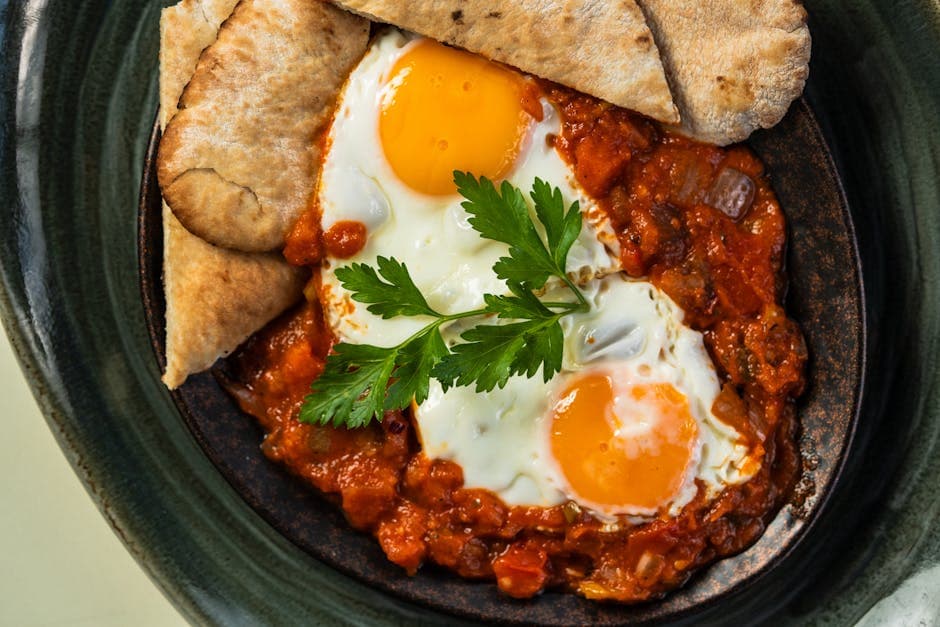
Eggs poached in a spiced, smoky tomato and pepper sauce with cumin, paprika and harissa — the beloved Israeli breakfast and brunch dish eaten straight from the pan.
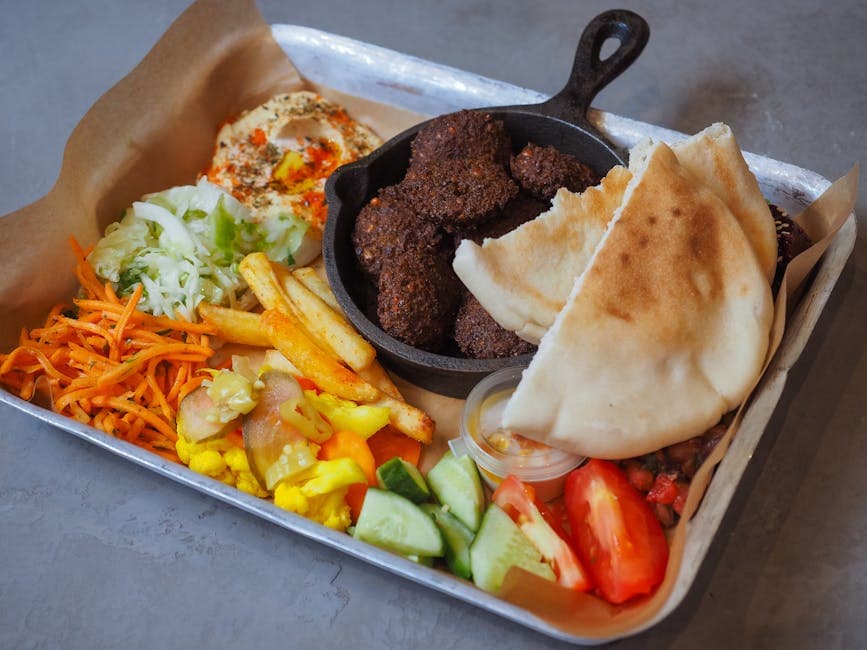
Shakshuka, falafel, hummus e i sapori vibranti della cucina israeliana.
La cucina israeliana ha appena 75 anni come categoria nazionale, costruita a partire dai modi di mangiare degli immigrati ebrei dal Marocco, Yemen, Iraq, Polonia e oltre, sovrapposti alle tradizioni culinarie palestinesi e levantine. Hummus, falafel e pita costituiscono l'ancoraggio del repertorio dello street food, mentre piatti come il jachnun yemenita, il sabich iracheno e la zuppa di pollo ashkenazita si trovano fianco a fianco sulle tavole di casa. Il risultato è una cucina definita dalla collisione: harissa accanto allo schmaltz, za'atar accanto all'aneto.
La geografia guida la dispensa. Il clima mediterraneo di Israele fornisce pomodori, cetrioli, melanzane, agrumi ed erbe aromatiche tutto l'anno, motivo per cui l'insalata tritata (salat katzutz) appare a colazione, pranzo e cena. Il tahini viene utilizzato nello stesso modo in cui altre cucine utilizzano il burro o la panna: frullato nelle salse, condito con verdure arrostite, piegato nei dessert. Anche la legge dietetica kosher modella la struttura, mantenendo separati i pasti a base di carne e latticini e spingendo i cuochi verso menu a base di verdure.
I cuochi casalinghi si avvicinano alla cucina con disinvoltura e abbondanza: una cena del venerdì sera potrebbe includere carne cotta lentamente come il pollo alla marocchina con olive, mentre la cucina dei giorni feriali si basa su shakshuka, verdure ripiene e insalate di cereali con bulgur o freekeh. Scottare le melanzane direttamente sulla fiamma per il ripieno di baba ghanoush o sabich è una tecnica casalinga quasi universale, così come tenere sempre a portata di mano un buon tahini e sottaceti.
Tahini
Pasta di sesamo sbattuta con limone e aglio in una salsa che condisce di tutto, dai falafel al cavolfiore arrosto fino ai dessert in stile halva.
Shakshuka
Uova in camicia con salsa speziata di pomodoro e peperoni, un'importazione nordafricana che è diventata il brunch e la cena settimanale di Israele.
Insalata tritata
Pomodoro e cetriolo tagliati finemente con limone e olio d'oliva, serviti praticamente a ogni pasto, colazione inclusa.
Melanzane alla fiamma
Le melanzane bruciate intere su fiamma libera per il affumicato baba ghanoush, il sabich e l'insalata montata conosciuta come salat chatzilim.
Cultura Mezze
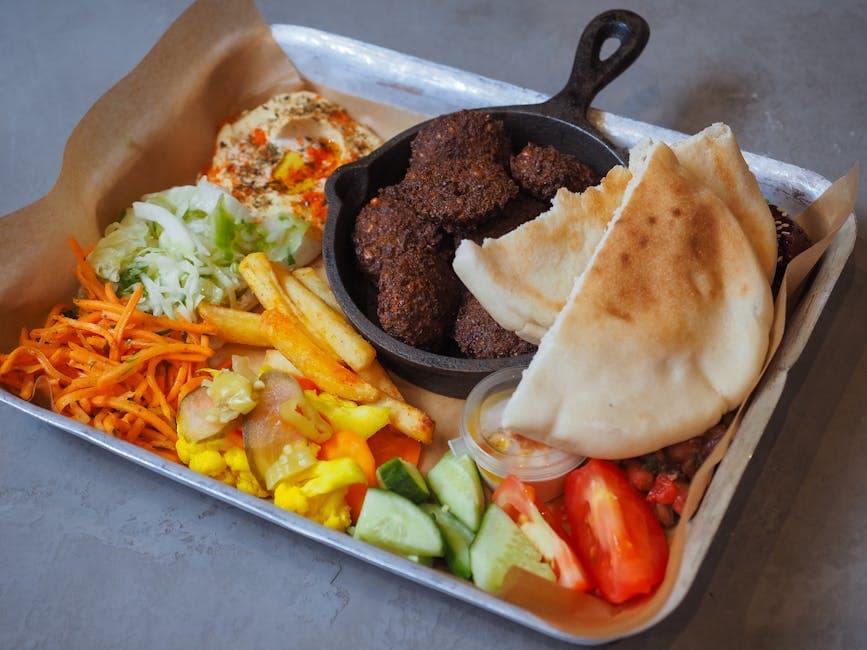
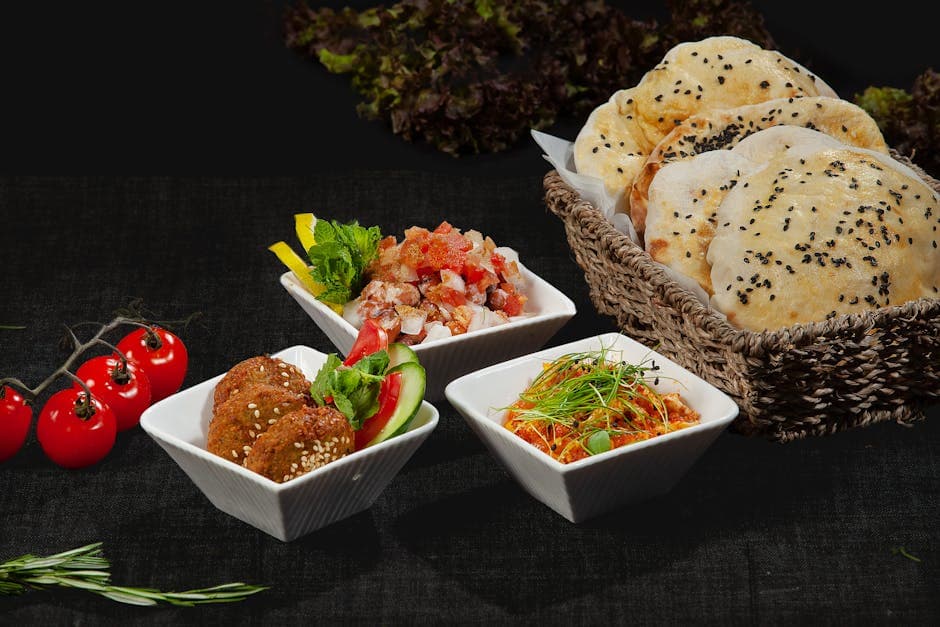
I pasti si aprono con tanti piccoli piatti – hummus, labneh, sottaceti, matbucha – condivisi dal centro del tavolo.
Stufati della diaspora
I piatti slow Sabbath come il cholent e l'hamin, oltre alla zuppa yemenita e al pollo marocchino alla tagine, riflettono la cucina casalinga degli immigrati.
Cucina a mani libere
Ottieni piani alimentari IA, una modalità di cottura passo-passo e le tue ricette salvate nell'app gratuita Bento.
Pianifica i pasti, monitora il digiuno e crea la lista della spesa — gratis
La dashboard di MyCookingCalendar funziona direttamente nel browser, nessun download necessario.

Eggs poached in a spiced, smoky tomato and pepper sauce with cumin, paprika and harissa — the beloved Israeli breakfast and brunch dish eaten straight from the pan.

The definitive Israeli chopped salad of finely diced cucumber, tomato and onion dressed with lemon juice, olive oil and a generous hand of za'atar — fresh, crisp and indispensable.

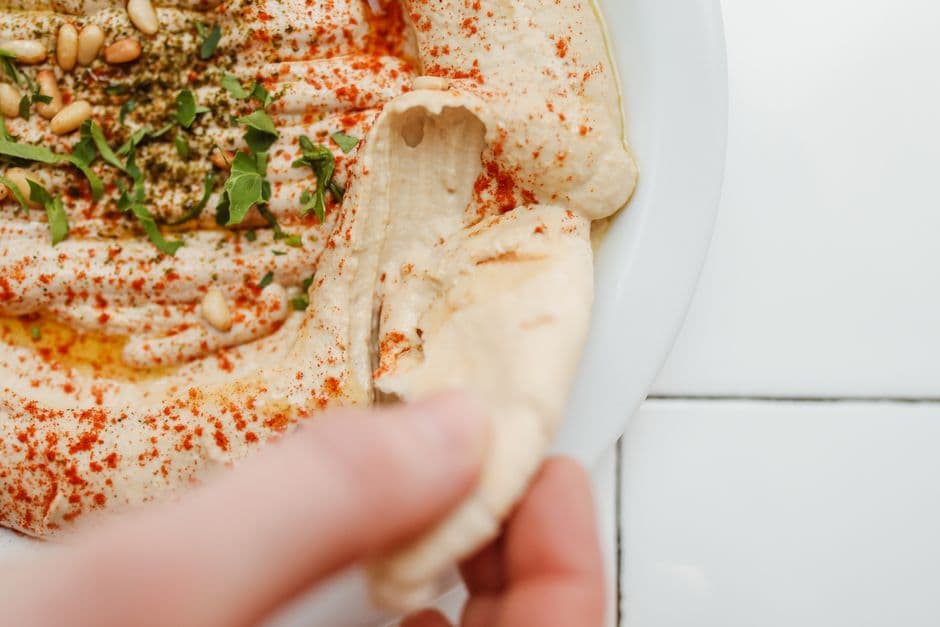
Warm, silky hummus topped with whole chickpeas, paprika, cumin and olive oil — the Israeli way, served with fresh bread for an iconic breakfast.

An Iraqi-Jewish pita stuffed with fried aubergine, hard-boiled egg, hummus, tahini, amba and Israeli salad — Tel Aviv's greatest street food sandwich.

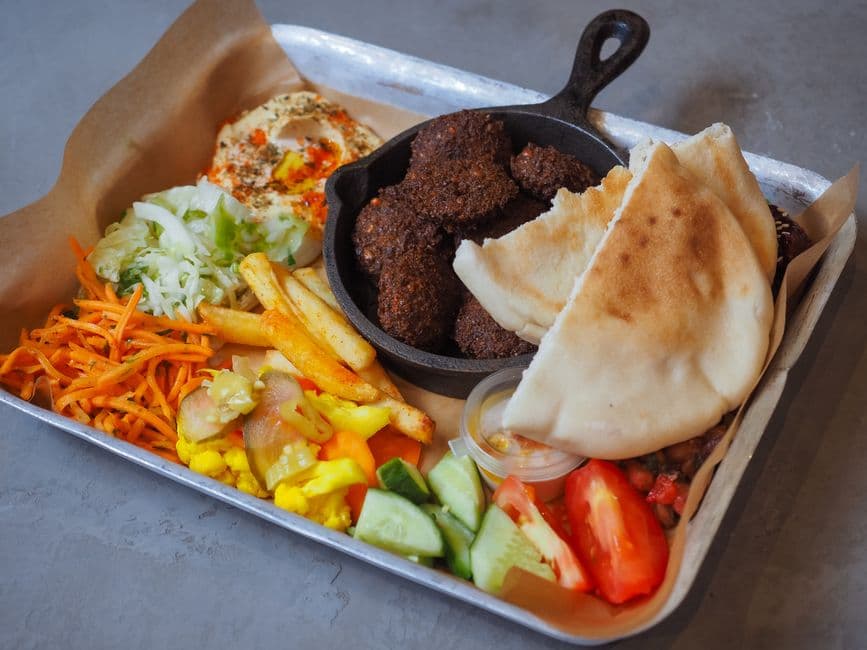
Crispy, herb-green deep-fried chickpea balls with cumin, coriander and parsley — served in pita with tahini and salad, the most iconic Israeli street food.

Deeply spiced chicken marinated in Middle Eastern spices, roasted until caramelised and served in pita with tahini, pickles and salad — the king of Israeli street food.

Israel's adopted morning classic — eggs poached in a spiced tomato and pepper sauce, finished with feta and herbs, served bubbling in the pan with challah or pita.

Homemade Israeli-style hummus — silky smooth chickpea and tahini cream, the kind found at hummus bars in Tel Aviv, where it's eaten warm with olive oil, paprika, and fresh pita.

Israeli-style crispy falafel balls — made from raw soaked chickpeas (never canned), deeply seasoned with herbs and spices, fried to a shattering crust with a moist green interior.

Vibrant shakshuka made with spinach, zucchini, and herbs instead of tomatoes — lighter, fresher, and equally delicious.

Smoky, creamy roasted eggplant dip with tahini and lemon — charred directly over flame for authentic smokiness.

Creamy labneh and egg shakshuka without tomatoes — elegant, rich, and deeply flavorful with garlic and za'atar.

Silky, lemon-bright tahini sauce — the essential Israeli condiment poured over everything from falafel to roasted vegetables.

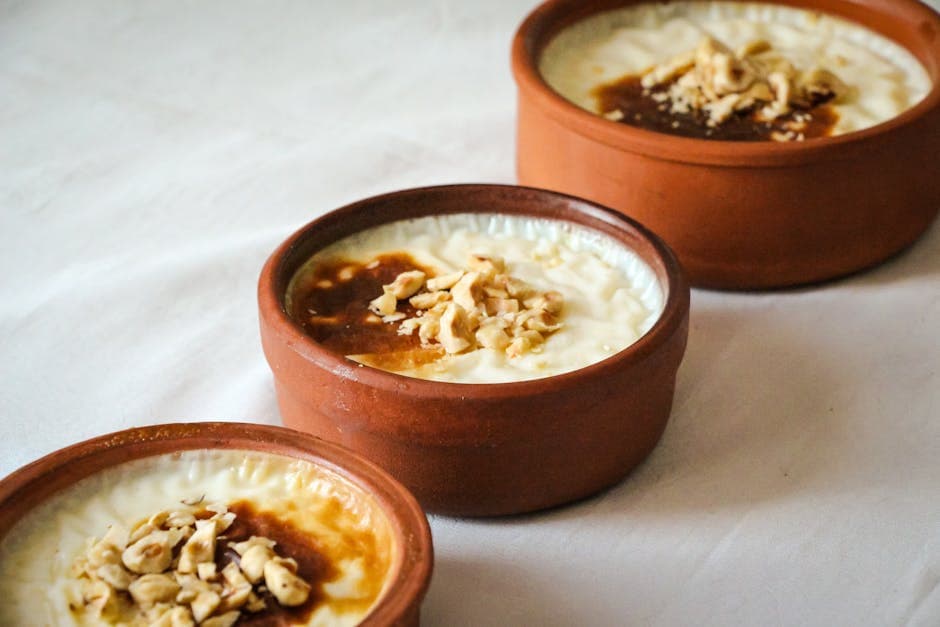
Silky chilled milk pudding perfumed with rose water, topped with pomegranate syrup and crushed pistachios.

The vibrant, herb-forward cousin of the classic — eggs poached in a sauce of spinach, Swiss chard, green peppers, jalapeño and a generous handful of cilantro and parsley. A modern Tel Aviv brunch staple.

Tel Aviv's greatest street food — warm pita stuffed with fried aubergine slices, hard-boiled egg, Israeli salad, tahini, amba mango sauce and zhug. An Iraqi-Jewish breakfast eaten all day.

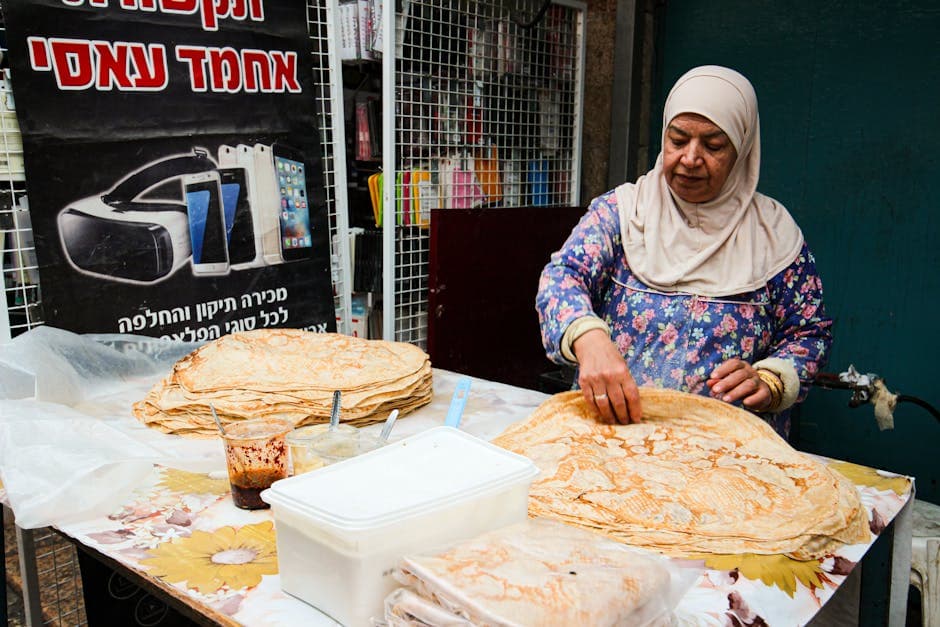
Yemen's extraordinary flaky layered bread — laminated with clarified butter and pan-fried until the layers separate into a crispy, honeycomb-like structure. Served with grated tomato, zhug and honey.

Yemenite Jewish slow-rolled dough pastry baked overnight until caramelised and tender — Israel's legendary Saturday morning breakfast.

Warm whole chickpeas in tahini sauce with cumin, olive oil and lemon — hummus's soulful, rustic cousin.

Eggs poached in a spicy North African harissa tomato sauce — Israel's beloved breakfast and brunch icon.

Israeli fried aubergine and hard-boiled egg pita sandwich with hummus, amba and salad — a Tel Aviv street food treasure.

Iraqi-Israeli pita stuffed with fried eggplant, boiled egg, hummus, salads, amba, and zhug — Tel Aviv breakfast icon.

Israeli flaky savory pastries — buttery puff or filo dough wrapped around feta, ricotta, and herbs, baked to gold.

Tel Aviv street food classic: pita stuffed with fried eggplant, soft-boiled egg, hummus, salad, tahini, amba, and crisp pickles.

Tel Aviv's other great pita sandwich — pillowy bread stuffed with golden fried eggplant, a soft-boiled egg, hummus, Israeli salad and a generous drizzle of tangy mango amba.

Israeli hummus topped with spiced ground beef and pine nuts — a hearty Levantine combination beloved in Tel Aviv's legendary hummusiot.

The iconic Israeli breakfast and mezze salad — very finely diced cucumber, tomato, and herbs dressed simply with lemon and olive oil.

Israel's most popular weeknight dinner — thin pounded chicken breast in crunchy breadcrumbs, fried golden and served with hummus, salad, and chips.

Juicy Israeli-style grilled kebabs — seasoned ground beef and lamb on skewers, served with pita, tahini, and grilled vegetables.

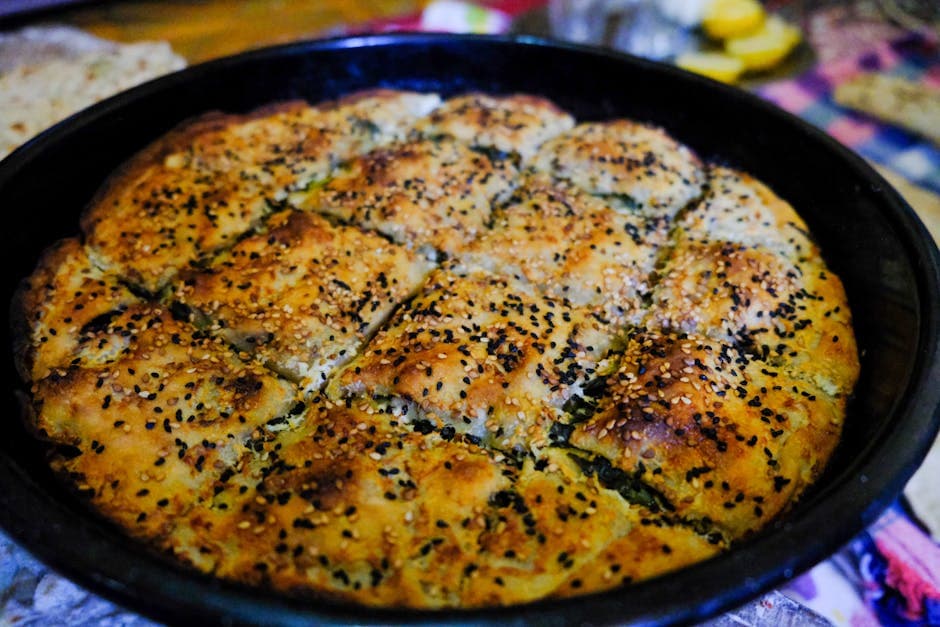
Beloved Israeli street pastries — flaky puff or phyllo dough stuffed with salty cheese, spinach, or potato filling and topped with sesame seeds.

The Israeli variation of baba ganoush — fire-charred eggplant with tahini, lemon, garlic, and hard-boiled egg, served at Shabbat breakfast tables.

The iconic Israeli confection — dense, crumbly tahini halva with a sandy melt-in-the-mouth texture, made with sesame paste and sugar syrup.

Israel's iconic Hanukkah doughnuts — light, pillowy yeast-raised doughnuts deep-fried in oil and filled with strawberry jam or pastry cream.

Eggs poached in a spiced tomato-pepper sauce with herbs and warm bread.
Israeli Market Lemon Herb Rice Bowl brings israeli flavor to a practical rice bowl built with chicken thighs, tahini, lemon, zaatar and tomatoes, and a fresh parsley finish.
Israeli Village Smoky Tomato Soup brings israeli flavor to a practical soup built with mushrooms, tahini, lemon, zaatar and tomatoes, and a fresh parsley finish.
Israeli Garden Sesame Lime Skillet brings israeli flavor to a practical skillet dinner built with cauliflower, tahini, lemon, zaatar and tomatoes, and a fresh parsley finish.
Israeli Harbor Charred Pepper Noodles brings israeli flavor to a practical noodle dish built with rice noodles, tahini, lemon, zaatar and tomatoes, and a fresh parsley finish.
Israeli Mountain Green Herb Salad brings israeli flavor to a practical salad built with grilled chicken, tahini, lemon, zaatar and tomatoes, and a fresh parsley finish.
Israeli Festival Lemon Herb Flatbread brings israeli flavor to a practical flatbread built with flatbread dough, tahini, lemon, zaatar and tomatoes, and a fresh parsley finish.
Israeli Homestyle Smoky Tomato Traybake brings israeli flavor to a practical traybake built with sweet potatoes, tahini, lemon, zaatar and tomatoes, and a fresh parsley finish.
Israeli Street Sesame Lime Fritters brings israeli flavor to a practical fritters built with salted fish, tahini, lemon, zaatar and tomatoes, and a fresh parsley finish.
Israeli Golden Charred Pepper Breakfast Plate brings israeli flavor to a practical breakfast plate built with beans, tahini, lemon, zaatar and tomatoes, and a fresh parsley finish.
Israeli Weeknight Green Herb Dessert brings israeli flavor to a practical dessert built with coconut, tahini, lemon, zaatar and tomatoes, and a fresh parsley finish.
Eggs gently poached in a bubbling, cumin-spiced tomato and bell pepper sauce, served straight from the skillet with warm bread.
Pita stuffed with fried eggplant, hard-boiled egg, hummus, Israeli salad and amba mango sauce, an Iraqi-Jewish specialty.
A silky, chilled milk pudding delicately perfumed with rosewater, topped with a bright red berry syrup and chopped pistachios.
A sizzling skillet mix of chicken hearts, livers and marinated chicken thigh pieces, heavily spiced and stuffed into pita.
A crisp, chewy flatbread topped with a garlicky chile-spiked tomato spread and a soft poached egg, an Israeli café brunch favorite.
A warm, rustic bowl of tahini-dressed chickpeas left partially whole, drizzled with olive oil, paprika and lemon.
A hearty overnight-simmered stew of beef, barley, beans and potatoes, traditionally started before Shabbat and kept warm until the next day.
A dome of airy vanilla or mocha marshmallow cream set on a small biscuit base and coated entirely in a thin chocolate shell.
Semolina dumplings filled with spiced ground meat, simmered in a deep red beet and tomato broth, a beloved Kurdish-Israeli specialty.
Firm white fish fillets gently simmered in a fiery, garlicky tomato and paprika sauce, a North African-Jewish specialty popular for Sabbath meals.
Finely diced cucumber and tomato tossed with olive oil, lemon and fresh herbs, a bright, essential side at nearly every Israeli meal.
Soft, chewy flatbread brushed generously with olive oil and the tangy, herbaceous za'atar spice blend before baking.
Crisp-fried herbed chickpea fritters, deeply green inside from parsley and cilantro, stuffed into pita with salad and tahini.
Thick potato slices hollowed and stuffed with spiced ground beef, fried, then simmered in a light tomato sauce, a Libyan-Jewish specialty.
Flaky, golden puff pastry triangles filled with a salty feta and potato mixture, topped with sesame seeds, a beloved Israeli café snack.
Soft, deep-fried yeasted doughnuts filled with strawberry jelly and dusted with powdered sugar, a beloved Hanukkah treat.
Bone-in chicken pieces braised in the same bold cumin-and-paprika tomato sauce used for classic shakshuka, hearty enough for dinner.
A slowly cooked, chunky relish of tomatoes, roasted peppers and garlic, served cold or at room temperature as a spread or dip.
Pita stuffed with fried eggplant, hard-boiled egg, hummus and amba — Israel's beloved Iraqi-Jewish sabich sandwich.
Spiced meatballs simmered in a bubbling tomato and basil sauce with baked eggs — a heartier, protein-packed twist on classic shakshuka.
White beans simmered with garlic, tomato and lime in a rich, savory stew — an Israeli home-style bean pot with Middle Eastern roots.
A soft folded omelette filled with fresh herbs and finished with a squeeze of charred lemon — a light, bright Israeli breakfast egg dish.
Cracked bulgur wheat simmered with tomato and a touch of tamarind for tang — a hearty, savory Israeli grain porridge.
Whole sea bream baked with chili, garlic and fresh herbs — a coastal Israeli fish dish with Mediterranean and North African influences.
Spiced ground lamb kebabs grilled until charred, served with tahini sauce and a sprinkle of sumac — a classic Israeli grilled meat platter.
Flaky, pan-fried Yemenite malawach bread filled with a sweet coconut-ginger paste — a modern twist on a traditional Yemenite Jewish flatbread.
Smoky roasted eggplant mashed with tahini, lemon and garlic — a beloved Israeli eggplant salad, salat chatzilim.
A whole chicken rubbed with za'atar and roasted over blistering cherry tomatoes — a fragrant, herbaceous Israeli Sunday roast.
Roasted seasonal vegetables tossed with garlic and lime, finished with a tahini drizzle — a hearty Israeli vegetable side dish.
No-bake truffles made from crumbled halva and tahini, finished with a hint of charred lemon zest — a modern Israeli sweet bite.
Savory Israeli-style pancakes folded with charred bell pepper and za'atar, served with yogurt and a fried egg.
A smoky Israeli freekeh grain bowl with roasted vegetables, tahini and a warm cumin-coriander spice blend.
Smoky chile-spiced shrimp simmered over turmeric rice, finished with fresh herbs and a squeeze of lemon.
A smoky Israeli red lentil bowl with charred bell pepper, cumin and a bright herb-tahini drizzle.
Bell peppers stuffed with cumin-spiced rice, pine nuts and herbs, simmered gently in a light tomato sauce.
A smoky baked casserole of roasted eggplant, tomatoes and chile, topped with baked eggs and fresh herbs.
A juicy beef burger topped with charred bell pepper, harissa mayo and pickled cucumber, Israeli street-food style.
A rich Israeli-style chocolate pudding swirled with halva and a whisper of chile for warmth, no added cream needed.
A festive Israeli holiday plate of slow-braised brisket in sour cherry sauce, served with honeyed carrots and rice.
La cucina israeliana è nota per il consumo di verdure in stile mezze: hummus, falafel, shakshuka, insalate tritate e salse a base di tahini. Unisce basi levantine e palestinesi con piatti portati da immigrati ebrei dal Marocco, Yemen, Iraq ed Europa dell'Est, quindi un singolo pasto può includere harissa, za'atar, verdure in salamoia e stufati del Sabbath a cottura lenta.
Il cibo israeliano è un ramo della cucina mediorientale piuttosto che una tradizione separata. Condivide hummus, falafel e tabbouleh con la cucina libanese e palestinese, ma aggiunge strati di diaspora - jachnun yemenita, sabich iracheno, petto ashkenazita - ed è modellato da regole kosher che separano carne e latticini. I confini sono dibattuti, poiché molti piatti caratteristici sono di origine levantina.
Per lo più no. I sapori di base sono limone, aglio, tahina, cumino ed erbe fresche anziché il peperoncino. Il calore appare come un condimento che aggiungi tu stesso: zhug yemenita (una pasta piccante di peperoncino verde e coriandolo), harissa nordafricana e peperoncini sottaceto serviti insieme a hummus e falafel. Piatti come shakshuka possono essere resi delicati o focosi a seconda del cuoco.
Shakshuka è il punto di partenza ideale: una padella, ingredienti da dispensa (pomodori in scatola, cipolla, peperoni, cumino, paprika, uova) ed è indulgente sui tempi. Seguitelo con un'insalata tritata come si deve e una salsa tahini fatta in casa: solo pasta tahini, succo di limone, aglio e acqua ghiacciata. Queste tre ricette coprono le tecniche e i sapori principali della cucina.
Inizia con pasta tahini di buona qualità, olio d'oliva, limoni, aglio, cumino, paprika dolce e piccante e za'atar. Aggiungi i ceci in scatola per l'hummus, il sommacco per le insalate e l'harissa o lo zhug per riscaldarli. Bulgur, freekeh e couscous coprono i piatti a base di cereali, mentre il labneh o lo yogurt denso si occupano del lato lattiero-caseario del tavolo.