
NuovoCena
Tafelspitz
Il piatto più elegante viennese — manzo primo brasato in un brodo di verdure fragrante fino a diventare delicatamente tenero, servito con spinaci in crema, rösti e salsa di mele e rafano.
200 min380 kcalMedio
★4.7(821)
Cotoletta alla milanese, Tafelspitz, Kaiserschmarrn: raffinata cucina mitteleuropea.
Altre ricette costruite attorno agli stessi ingredienti principali.
Tieni traccia di ciò che mangi
Fotografa il tuo pasto per registrare calorie e macro, usa i timer del digiuno e monitora l’acqua con l’app gratuita SnapCal.
Pianifica i pasti, monitora il digiuno e crea la lista della spesa — gratis
La dashboard di MyCookingCalendar funziona direttamente nel browser, nessun download necessario.
Cucina tedesca e austriaca: 28 ricette tradizionali
Esplora la ricca cucina tedesca e austriaca con 28 ricette tradizionali, dal pane alla cotoletta allo strudel.
8 Ricette per Usare gli Albumi Avanzati
Hai preparato una crema pasticcera, una carbonara o un lemon curd e ora hai una ciotola di albumi senza destinazione? Otto ricette reali — meringa, macaron, pavlova, un'omelette — costruite specificamente attorno agli albumi.
8 Ricette per Usare il Purè di Patate Avanzato
Hai fatto troppo purè per cena? Otto ricette reali — shepherd's pie, colcannon, boxty, gnocchi ripieni di patate — che sono davvero costruite attorno al purè di patate già pronto.
Il piatto più elegante viennese — manzo primo brasato in un brodo di verdure fragrante fino a diventare delicatamente tenero, servito con spinaci in crema, rösti e salsa di mele e rafano.
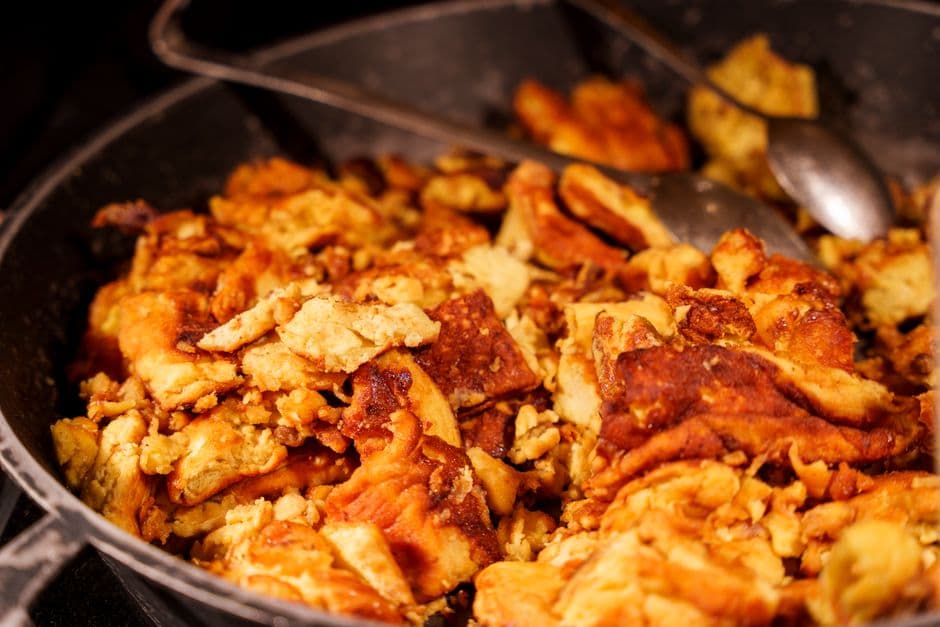
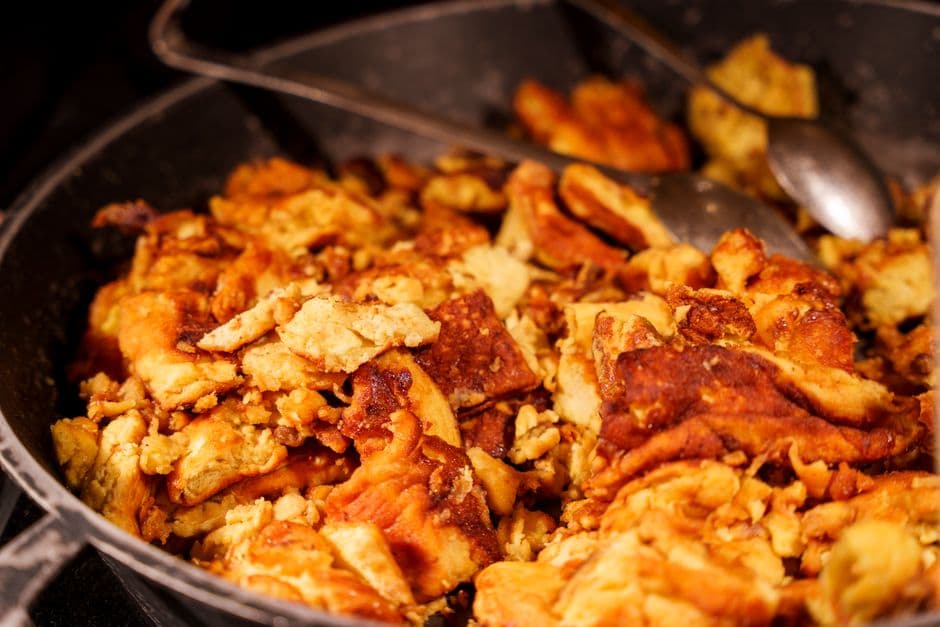
La frittella strappata imperiale austriaca — una frittella d'oro, ariata, imbevuta di rum e arrotolata, cosparsa di zucchero a velo e servita con composta di prugne calda.

Una frittata spessa, stracciata e caramellata con uvetta, spolverata di zucchero a velo e servita con composta di prugne — il dolce più amato dell'Austria con una storia regale.

Pasta tirata a mano sottilissima ripiena di mele speziate, uvetta e pangrattato: il gioiello della pasticceria viennese.

Uno stufato di manzo ricco e intensamente speziato alla paprika che definisce la cucina dei caffè viennesi: più scuro, più vellutato e più ricco del cugino ungherese.

Il Wiener Schnitzel definitivo — scaloppina di vitello rivestita con solo farina, uovo e pangrattato, poi fritta nel burro chiarificato fino a che la panatura si gonfia e si solleva dalla carne.
Il piatto più iconico dell'Austria — vitello battuto sottilissimo, impanato e fritto nel burro chiarificato fino a doratura e gonfiore.
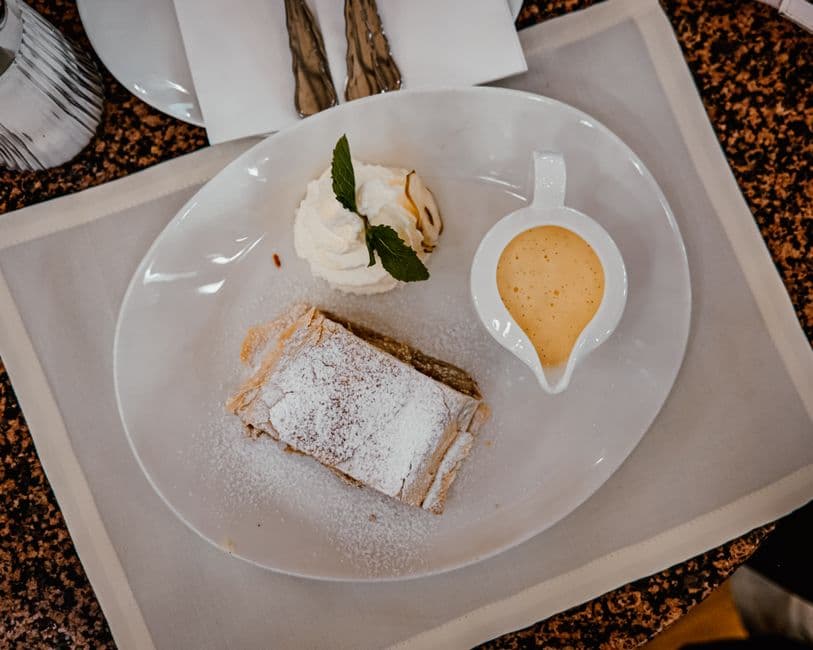
Il classico strudel di mele viennese — pasta sottilissima come carta ripiena di mele alla cannella, uvetta e noci.

Il celebre controfiletto di manzo viennese sormontato da una montagna di anelli di cipolla fritti croccanti in un ricco fondo di manzo.

La torta più elegante di Vienna — strati di meringa alla nocciola e mandorla farciti con crema al burro al rum, ricoperti di fondente.
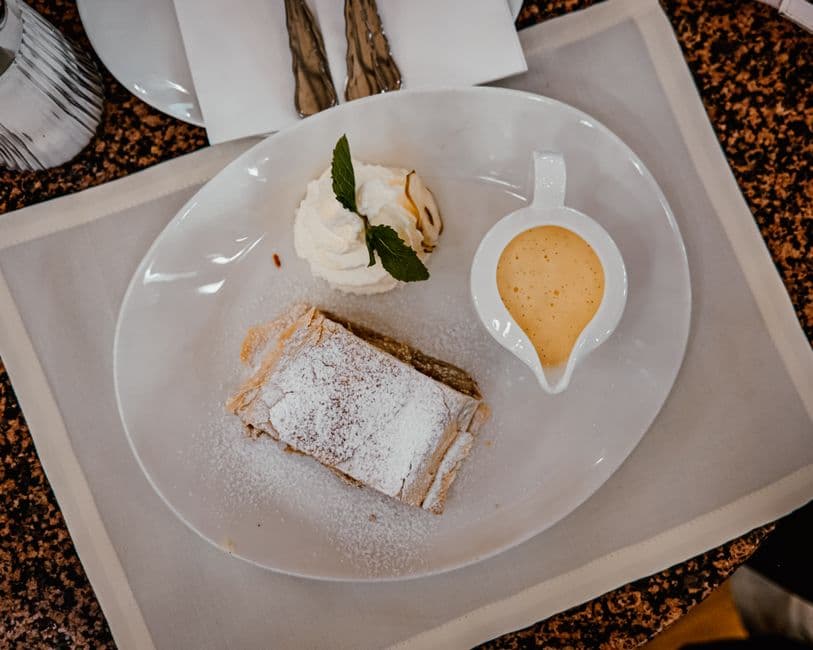
Il celebre bollito di manzo viennese con osso midollare, servito con salsa di mele e rafano e salsa all'erba cipollina.
Tre gnocchi soufflé dorati che rappresentano le montagne intorno a Salisburgo — il dessert più scenografico dell'Austria.
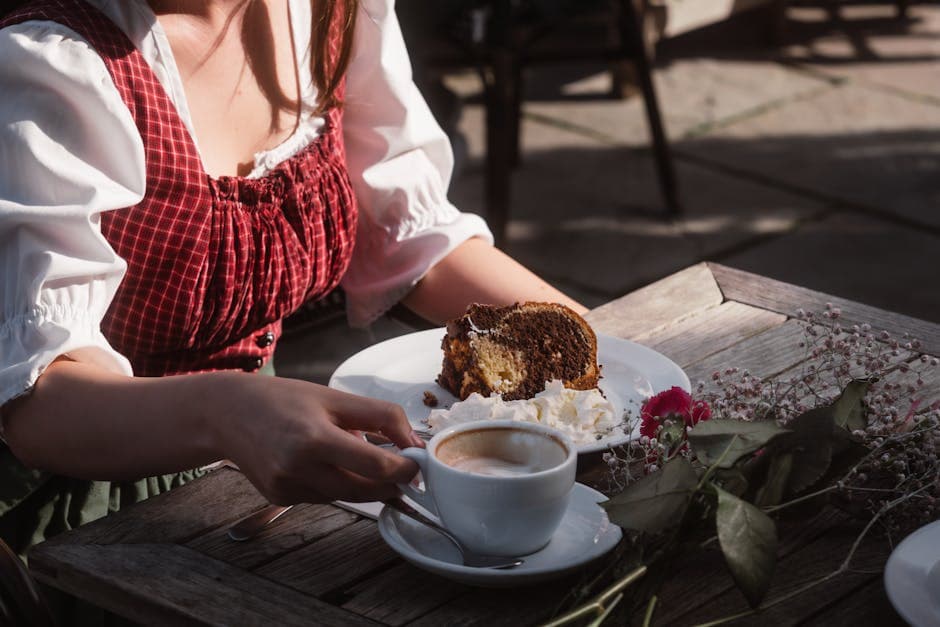
Gulasch di patate austriaco con paprica, cipolle e würstel di Francoforte — un sostanzioso piatto viennese della settimana senza carne.
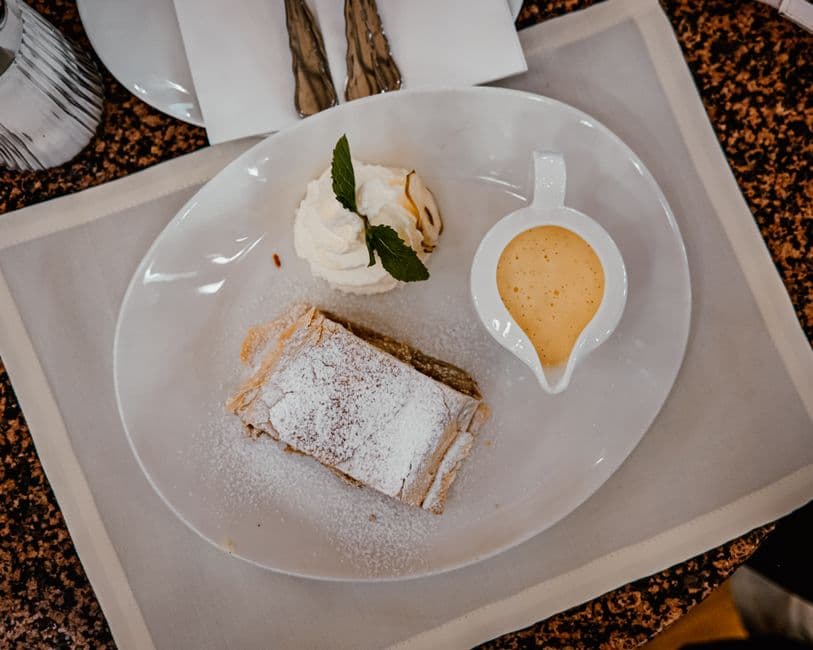
Strudel austriaco di crema di formaggio con uvetta e vaniglia in una sfoglia sottilissima — un classico dei caffè viennesi.
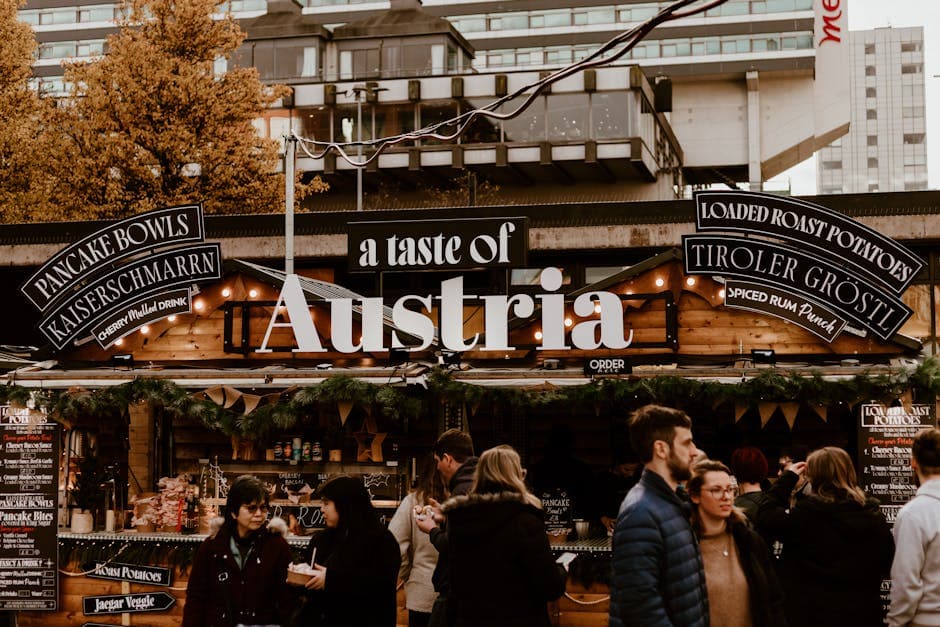
La cotoletta di vitello più famosa dell'Austria: pestata sottile, impanata, fritta nel burro, servita con patate al limone e prezzemolo.
La ciotola di riso alle erbe e limone del mercato austriaco porta il sapore austriaco in una pratica ciotola di riso costruita con cosce di pollo, burro, semi di papavero, mele e pangrattato e un finale di erba cipollina fresca.
La zuppa di pomodoro affumicata del villaggio austriaco porta il sapore austriaco in una pratica zuppa costruita con funghi, burro, semi di papavero, mele e pangrattato e un finale di erba cipollina fresca.
La padella austriaca al sesamo e lime aggiunge il sapore austriaco a una pratica cena in padella a base di cavolfiore, burro, semi di papavero, mele e pangrattato e un finale di erba cipollina fresca.
I noodles al pepe carbonizzato del porto austriaco portano il sapore austriaco in un pratico piatto di noodle costruito con spaghetti di riso, burro, semi di papavero, mele e pangrattato e un finale di erba cipollina fresca.
L'insalata austriaca alle erbe verdi di montagna porta il sapore austriaco in una pratica insalata composta da pollo grigliato, burro, semi di papavero, mele e pangrattato e un finale di erba cipollina fresca.
La focaccia alle erbe e limone del Festival austriaco porta il sapore austriaco in una pratica focaccia realizzata con pasta per focaccia, burro, semi di papavero, mele e pangrattato e un finale di erba cipollina fresca.
Il vassoio affumicato al pomodoro austriaco Homestyle porta il sapore austriaco in un pratico vassoio preparato con patate dolci, burro, semi di papavero, mele e pangrattato e un finale di erba cipollina fresca.
Le frittelle austriache al sesamo e lime portano il sapore austriaco in pratiche frittelle realizzate con pesce salato, burro, semi di papavero, mele e pangrattato e un finale di erba cipollina fresca.
Il piatto da colazione austriaco con peperoni carbonizzati dorati porta il sapore austriaco in un pratico piatto da colazione realizzato con fagioli, burro, semi di papavero, mele e pangrattato e un finale di erba cipollina fresca.
Austrian Weeknight Green Herb Dessert porta il sapore austriaco in un pratico dessert a base di cocco, burro, semi di papavero, mele e pangrattato e un finale di erba cipollina fresca.
Uno stufato di manzo brasato alla paprika molto saporito con una montagna di cipolle caramellate, più denso e meno brodoso del cugino ungherese.
Gnocchi a mezzaluna ripieni di un piccante composto di formaggio contadino, patate e menta, bolliti e serviti con burro rosolato.
Un denso pan di spagna al cioccolato ricoperto di marmellata di albicocche e ricoperto da una lucida glassa al cioccolato fondente, la torta più famosa di Vienna.
Un classico gulasch di manzo viennese condito con un uovo fritto, un wurstel a fette e un cetriolo sottaceto piccante.
Un chiaro brodo di manzo costellato di morbidi e teneri gnocchi di semolino, un primo piatto semplice e confortante della cucina casalinga austriaca.
Patate calde tagliate a fette sottili condite con brodo piccante, salsa di aceto e senape, il classico compagno austriaco della cotoletta.
Albicocche fresche intere avvolte in un morbido impasto di patate o quark, bollite e poi arrotolate nel burroso pangrattato alla cannella.
Una bistecca di manzo scottata in padella condita con una montagna di cipolle fritte croccanti, un classico dei ristoranti viennesi.
Panini lievitati morbidi e soffici cotti insieme e ripieni di marmellata di albicocche o prugne, spennellati di burro, un'amata delizia austriaca per l'ora del tè.
Un guscio di pasta friabile e speziato con mandorle tritate e nocciole, ripieno di marmellata crostata di ribes rosso e ricoperto da una crosta di reticolo.
Pane di segale condito con formaggio spalmabile alla paprika punteggiato con cumino e cipolla: un amato spuntino da taverna austriaca, il liptauer.
Pezzi di pancake caramellati strappati cotti con crema pasticcera fino a doratura: una versione in stile budino di pane dell'amato kaiserschmarrn austriaco.
Teneri polpette di manzo e maiale condite con maggiorana e pepe nero, saltate in padella fino a doratura: il fleischlaberl austriaco di tutti i giorni.
Una sostanziosa zuppa di fagioli bollita con salsiccia affumicata e un tocco di calore dato dalla paprika: un caldo stufato di fattoria austriaco.
Una frittata morbida e piegata, riempita con un generoso mix di erbe fresche del giardino e un tocco di panna acida: una colazione austriaca semplice e raffinata.
Gnocchi di semolino leggeri e soffici bolliti in un brodo di manzo chiaro con erba cipollina fresca: un'amata zuppa austriaca, grießnockerlsuppe.
Trota intera cotta al forno e rifinita con burro nocciola e mandorle tostate: un piatto di pesce austriaco alpino, adattato in stile forelle blau.
Crêpe sottili e delicate ripiene di zucchero e una spruzzata di limone fresco, arrotolate e spolverate di zucchero a velo: gli amati palatschinken austriaci.
Patate calde a fette condite con una salsa piccante di aceto e senape con erba cipollina: la classica insalata di patate austriaca senza maionese, erdäpfelsalat.
Un pollo intero strofinato con maggiorana, aglio e pepe nero e arrostito fino a doratura: una semplice cena domenicale austriaca.
Peperoni arrostiti, cipolla e patate al forno con un condimento caldo di paprika e cumino: un sostanzioso contorno di verdure austriaco.
Biscotti burrosi a forma di mezzaluna di mandorle ricoperti di zucchero vanigliato: l'amato biscotto natalizio austriaco, vanillekipferl.
Pezzi di pancake austriaci strappati e caramellati, ravvivati con scorza di limone ed erbe fresche, spolverati di zucchero a velo.
Una ricca ciotola di orzo perlato austriaco con aglio arrostito, funghi e formaggio alpino fuso.
Pesce di lago alpino scottato in padella su riso burroso e pepe, rifinito con una spruzzata di lime e aneto fresco.
Una piccante insalata austriaca di lenticchie con limone, vinaigrette alla senape, cipolla rossa ed erbe fresche, servita calda o a temperatura ambiente.
Classici peperoni ripieni austriaci ripieni di riso, carne macinata e aglio arrosto, bolliti in una leggera salsa di pomodoro.
Una cremosa casseruola di pollo alla paprika austriaca con peperoni, cotta al forno con una leggera panna acida e un finale di lime.
Una croccante cotoletta di maiale impanata servita in stile hamburger con una brillante salsa di limone ed erbe fresche.
Un caldo budino di semolino austriaco, leggermente speziato con pepe spezzato, guarnito con una composta crostata di frutti di bosco.
Un festoso piatto d'oca arrosto austriaca con cavolo rosso e croccanti patate arrosto dorate alla curcuma.
La cucina austriaca è la cucina di un impero. La Vienna asburgica assorbì piatti provenienti dall'Ungheria (gulasch), dalla Boemia (gnocchi e powidl), dai Balcani (reisfleisch in stile serbo) e oltre, perfezionandoli nella Wiener Küche, una delle poche cucine che prendono il nome da una città. La cotoletta alla milanese è la sua bandiera: una cotoletta di vitello pestata sottile, impanata in farina, uova e pangrattato fine, fritta nel burro chiarificato fino a quando la crosta si stacca dalla carne, servita con insalata di limone e patate condita con brodo e aceto, mai panna.
La carne bovina detiene un prestigio insolito. Il Tafelspitz - manzo bollito di un taglio specifico, servito con salsa di mele, rafano ed erba cipollina e patate stile rösti - era il piatto preferito dell'imperatore Francesco Giuseppe e rimane il piatto distintivo di Vienna. Intorno si trova un abbondante strato alpino: Tiroler gröstl (padella di patate e pancetta con uovo fritto), pollo fritto della Stiria con insalata di olio di semi di zucca e Käsespätzle nelle province occidentali. Il fiakergulasch ricco di paprika, servito con salsiccia e uovo fritto, mostra l'eredità ungherese completamente naturalizzata.
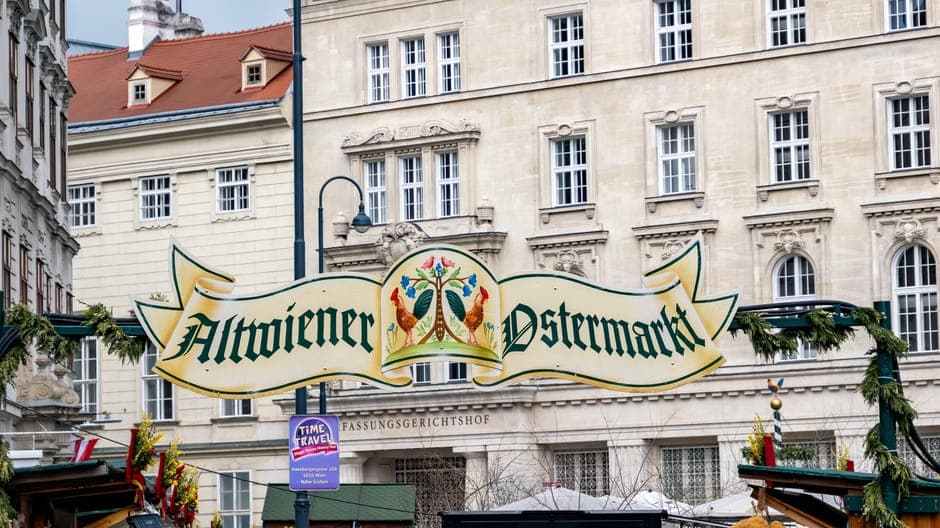
Nessuna tradizione eclissa i Mehlspeisen, i dolci austriaci a base di farina che confondono dessert e portata principale. L'Apfelstrudel richiede che l'impasto venga steso finché non è possibile leggere il giornale; La Sachertorte (torta al cioccolato con marmellata di albicocche, nata da un'improvvisazione culinaria del 1832 di Franz Sacher) scatenò una famosa battaglia legale sull'autenticità; Kaiserschmarrn, frittella caramellata con composta di prugne, dava il nome all'imperatore. La cultura dei caffè viennesi, dichiarati patrimonio dell'umanità dall'UNESCO, incornicia il tutto con tavoli melange e in marmo.
Cotoletta alla milanese
Vitello pestato sottile, impanato e fritto nel burro chiarificato in modo che la crosta sbuffi: secondo la legge austriaca, solo le versioni di vitello possono portare questo nome.
Tafelspitz e manzo bollito
La tradizione imperiale del manzo viennese: tafelspitz bollito con radici, servito con salsa di mele, rafano ed erba cipollina.
Mehlspeisen
Il canone dei dolci di farina - apfelstrudel, Kaiserschmarrn, palatschinken, Sachertorte - dove i dessert possono legittimamente essere la cena.
Cultura dei canederli
Canederli di eredità boema in ogni registro: semmelknödel di pane accanto agli arrosti, canederli tirolesi ripieni di speck, marillenknödel all'albicocca per dessert.
Gulasch, stile viennese
Gulyás ungherese naturalizzato in uno spesso stufato di manzo con cipolla e paprika, servito come fiakergulasch con salsiccia, uovo fritto e cetriolo.
Tradizione del caffè
I caffè viennesi, dichiarati patrimonio dell'umanità dall'UNESCO, servono melange ed einspänner con strudel e torte: istituzioni per indugiare, non da asporto.
In testa c'è la cotoletta alla milanese, seguita dal bollito Tafelspitz, dal gulasch, dai canederli di pane, dai Käsespätzle e da un'eccezionale tradizione dei dolci: apfelstrudel, Sachertorte, Kaiserschmarrn e Salisburghese nockerl. La cultura dei caffè viennesi - melange, einspänner, tavoli di marmo, giornali - è essa stessa riconosciuta dall'UNESCO. La cucina fonde eredità ungheresi, boeme, italiane e balcaniche raffinate nella Vienna imperiale.
Condividono cotoletta, ravioli, salsicce e birra, ma la cucina austriaca è l'erede più cosmopolita dell'impero asburgico: gulasch alla paprika dall'Ungheria, knödel e powidl dalla Boemia e una cultura del dessert molto più profonda (Mehlspeisen). La cotoletta alla milanese deve essere di vitello, mentre la schweineschnitzel tedesca è di maiale. Anche l'Austria predilige piatti di manzo bollito come il Tafelspitz, raro nei menu tedeschi, e l'olio di semi di zucca in Stiria.
Vitello: in Austria il nome «Wiener schnitzel» è protetto giuridicamente e può descrivere solo una cotoletta di vitello impanata. La stessa preparazione con carne di maiale deve essere etichettata come "Schnitzel Wiener Art" (alla viennese). Le caratteristiche sono una cotoletta sottile e pestata uniformemente, una panatura leggera che sbuffa e raggrinzisce la carne (soufflieren), e la frittura in abbondante burro chiarificato, servita semplicemente con il limone.
Il Kaiserschmarrn è indulgente e veloce: una densa pastella per frittelle con uvetta, cotta nel burro, fatta a pezzetti, caramellata con zucchero e servita con composta di prugne (zwetschkenröster). Per il salato, prova il Tiroler gröstl: patate, cipolle e pancetta saltate in padella condite con un uovo fritto. La stessa cotoletta è adatta anche ai principianti se mantieni l'olio caldo e la cotoletta sottile.
Nel 1832, l'apprendista sedicenne Franz Sacher improvvisò una densa torta al cioccolato con marmellata di albicocche e glassa al cioccolato quando il suo capocuoco si ammalò prima di un banchetto per il principe Metternich. Suo figlio fondò in seguito l'Hotel Sacher e una battaglia giudiziaria durata decenni con la pasticceria Demel sul titolo "originale" si concluse nel 1963: l'Hotel Sacher vinse il diritto al sigillo, mentre Demel vende la propria versione.
Calcolatori e convertitori pensati per questa pagina — senza registrazione.
Calcolatore di dosi
Dimezza o raddoppia ogni quantità di questa ricetta senza fare calcoli a mente.
Convertitore di misure
Converti tazze, grammi, once e millilitri in entrambe le direzioni.
Convertitore per friggitrice ad aria
Converti tempo e temperatura del forno nelle impostazioni della friggitrice ad aria.