
新しいstarter
カート
ピリッとした塩味のカザフスタンのドライ ヨーグルト ボール。水切りヨーグルトから作られた古代の遊牧民のスナックおよび前菜で、手作業で成形され、空気乾燥されて堅くて長持ちするチーズになります。
260分42kcal簡単
★4.3(156)
ベシュバルマク、クルト、バウルサック — 遊牧民の伝統と、草原からインスピレーションを得た温かみのある料理。
同じ主要食材を使った他のレシピ。
食べたものを記録しよう
無料のSnapCalアプリで、食事を撮影してカロリーとPFCを記録し、断食タイマーや水分記録も使えます。
献立を計画し、ファスティングを記録し、買い物リストを作成 — 無料
MyCookingCalendarのダッシュボードはブラウザ上でそのまま使えます。ダウンロード不要です。
ピリッとした塩味のカザフスタンのドライ ヨーグルト ボール。水切りヨーグルトから作られた古代の遊牧民のスナックおよび前菜で、手作業で成形され、空気乾燥されて堅くて長持ちするチーズになります。
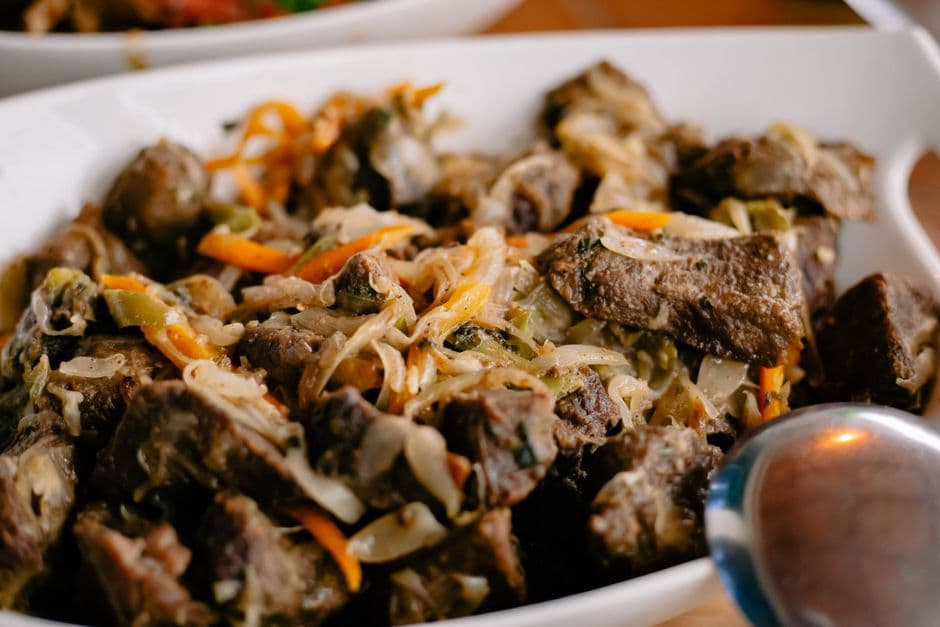
レバー、腎臓、心臓、肺をタマネギ、ピーマン、ジャガイモと一緒に炒めたカザフスタンのしっかりとした料理。伝統的に屠殺直後に作られる遊牧民の狩猟者のごちそうです。
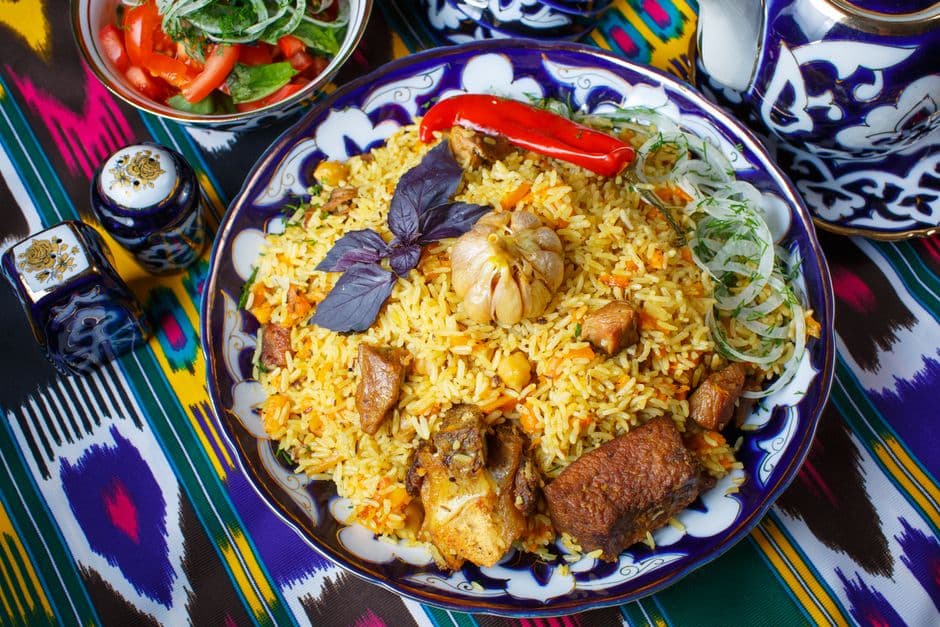
まろやかで黄金色の揚げパン生地の四角形。あらゆる食事、儀式、集まりで提供されるカザフスタンの普遍的なお祝いのパンです。

ボリュームのあるカザフスタンのビートと子羊のスープ。じっくり煮込んだ子羊の骨と根菜から作られた濃厚なスープで、暖かく、素朴で、栄養価の高いスープです。
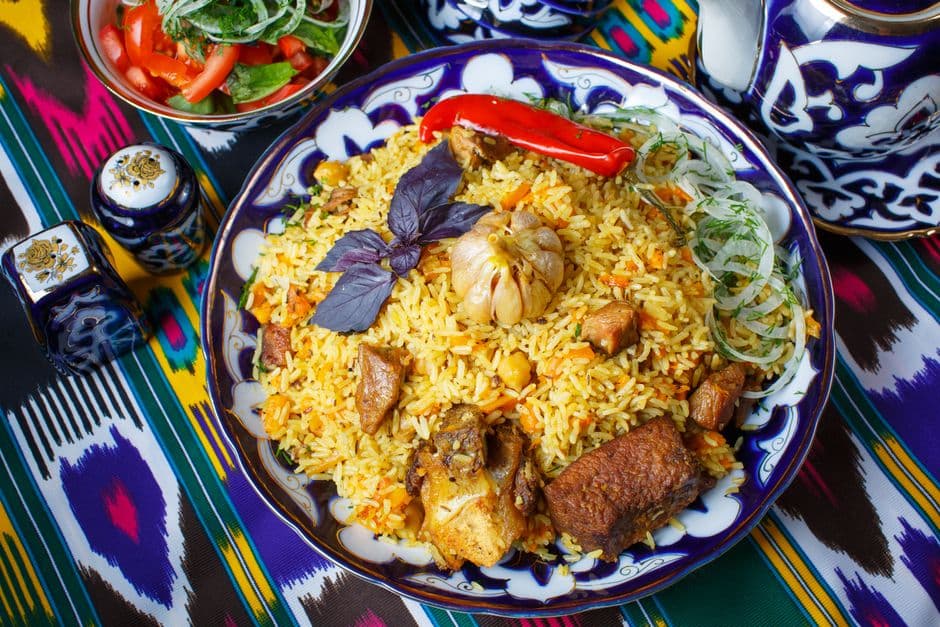
カザフスタンの伝統的な肉と内臓の炒め物。動物性脂肪でカリカリにした子羊肉、玉ねぎ、ジャガイモをフライパンで炒めた、ボリュームたっぷりで満足のいく遊牧民のキャンプファイヤー料理です。
カザフスタンのラム肉の焼き菓子。三角形のパイ生地にスパイスを加えたラム肉のひき肉と玉ねぎを詰め、粘土オーブン (タンドール) でこんがり焼けるまで焼きます。

ナウリズ(ペルシアの新年)のための儀式用のカザフスタンの飲み物スープ。キビ、肉、小麦、ドライフルーツ、発酵させた牝馬の乳を含む 7 つの材料を独自に調理したものです。

カザフスタンの儀式料理。柔らかい子羊肉を幅広の自家製麺の上に乗せ、濃厚な玉ねぎのスープと一緒に手で食べます。

柔らかく金色のカザフスタンの揚げ生地ボール。中央アジアのお祝いに欠かせないパンです。

ベシュバルマクの最初のコースに欠かせない、乾燥羊乳ボール (qurt) を添えたカザフスタンの儀式用スープ。

カザフスタンで珍重される、発酵させて燻製した馬肉のソーセージ。最も伝統的なカザフスタンの塩漬け肉です。
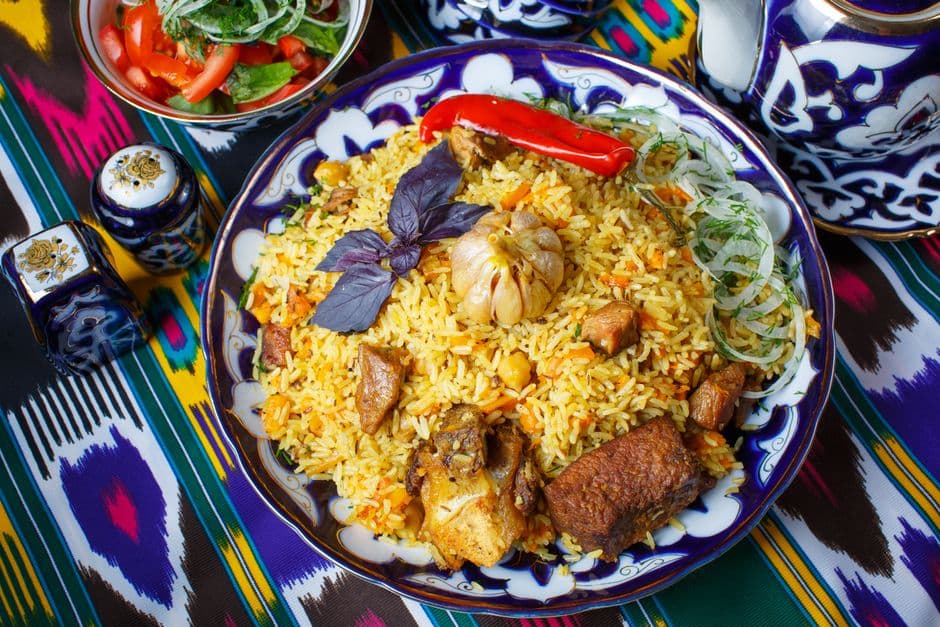
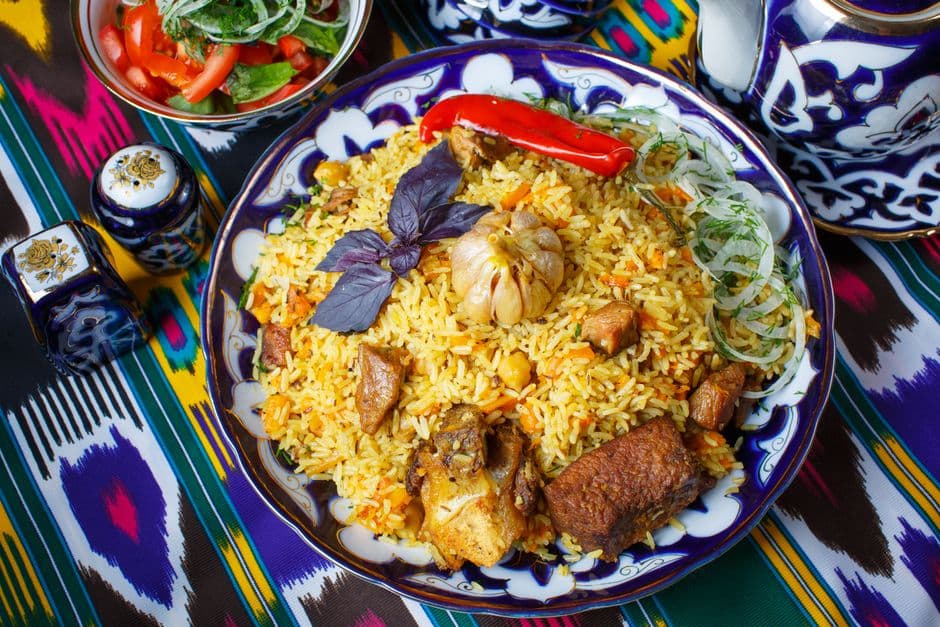
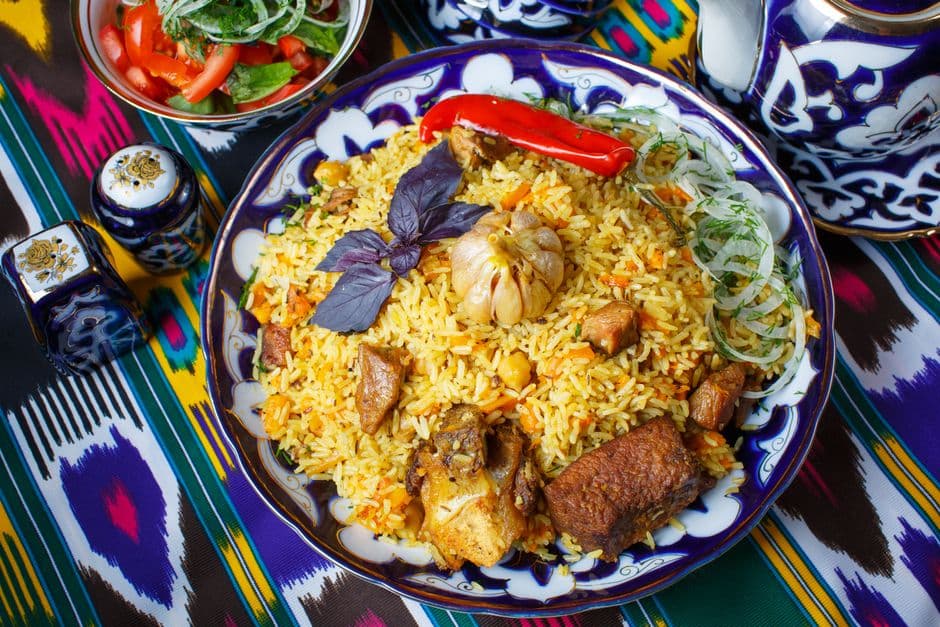
フェルガナ渓谷の伝統でじっくりと調理された、子羊肉、黄色いニンジン、ひよこ豆が入ったカザフスタンのお祝いライスピラフ。
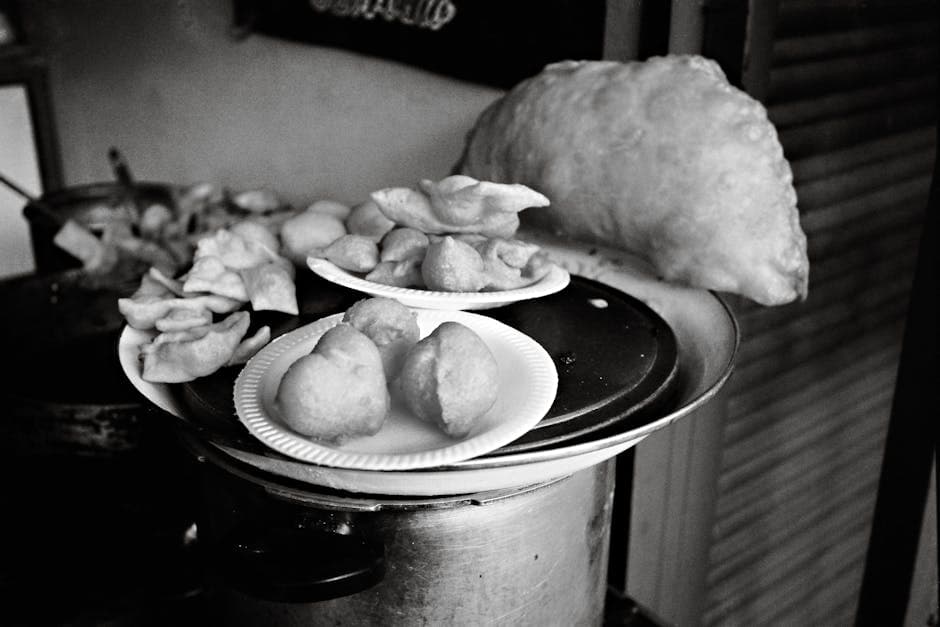
カザフスタンで愛されている揚げ生地パフ — 酵母を発酵させた四角い小麦生地を、中が黄金色になりふわふわになるまで油で揚げた枕状の生地です。カザフスタンのお祝いごとに蜂蜜、ジャム、サワークリームを添えて提供されます。

骨付きマトンをじっくり煮込んだ透明なカザフスタンスープ。草原の基本スープです。

カザフスタンの内臓揚げ - 心臓、肝臓、腎臓を玉ねぎとスパイスと一緒に揚げたもの - 伝統的な遊牧民のお祝い料理。
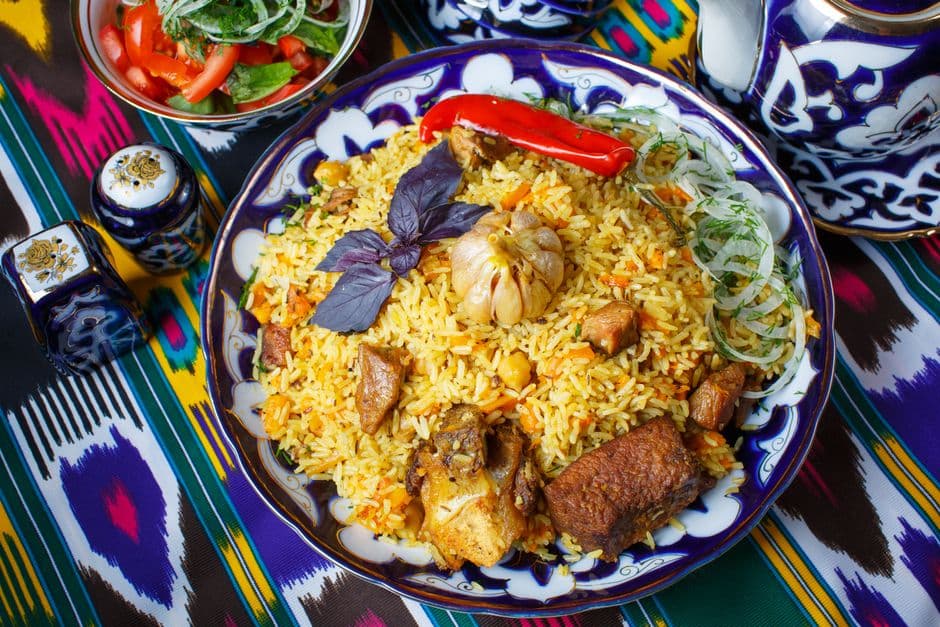
装飾模様の型押しタンドール フラットブレッド。粘土オーブンで焼いたカザフスタンの日常のパンです。
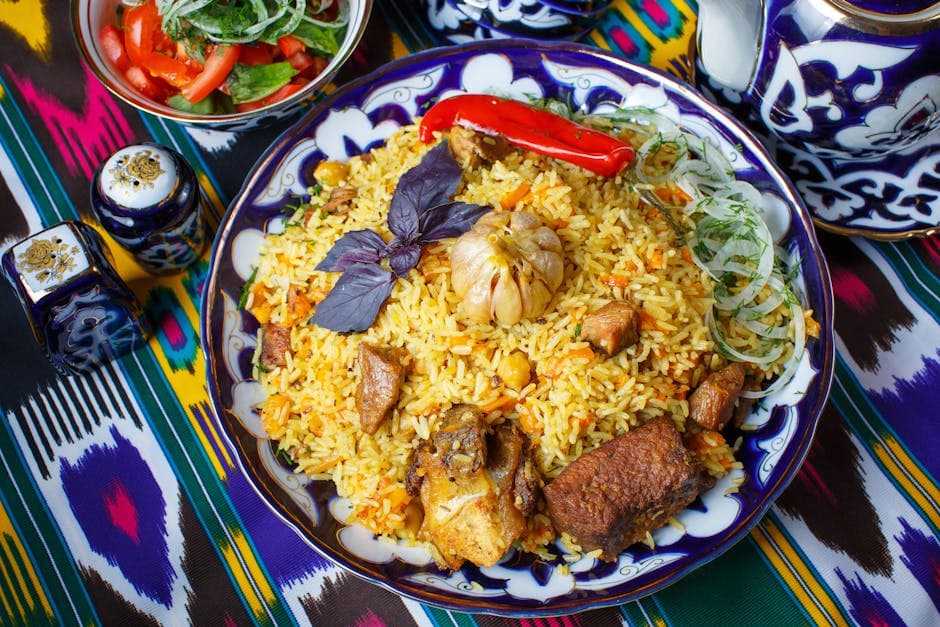
カザフスタンの国民料理 — 子羊と馬の肉のスープに浸した手延べ麺のシートを指で食べます。
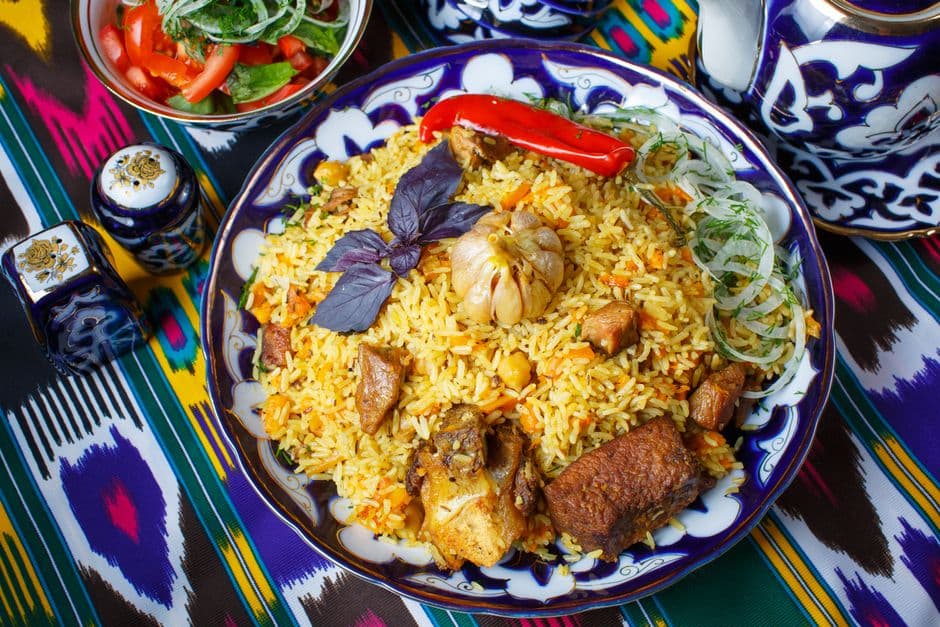
刻んだ子羊肉、玉ねぎ、甘いカボチャを詰めた大きな手巻き蒸し餃子。溶けた尾の脂で輝き、サワークリームと唐辛子を添えて提供されます。カザフスタンの草原の日曜日のお祝いです。
カザフ料理は草原遊牧民の食べ物です。肉と牛乳は、移住と冬に耐えるために保存されています。馬と羊肉が主流です。「5 本の指」を意味する国民料理、ベシュバルマクは、茹でた肉 (多くは馬) で、広い手延べ麺の上にオニオン スープ (ソルパ) を注ぎ、伝統的に共有の大皿から手で食べられます。馬リブのソーセージを塩漬けにして燻製したカジーは、お祝いのダスターカン料理の中で最も名誉ある珍味であり続けています。
乳製品の保存は芸術の域に達しています。クミース (発酵させた牝馬の乳、軽く炭酸があり酸っぱい)、シュバト (発酵させたラクダの乳)、そして何世紀にもわたって遊牧民が携帯用タンパク質として持ち歩いていた岩のように硬い乾燥サワーミルクのボールであるクルトなどです。これらの発酵物は遊牧民の生存技術でした。1 日で腐ってしまう牛乳が、馬に乗って数か月続く飲み物や食べ物になりました。
定住生活とシルクロードとの接触により、あらゆる祝賀会で出されるバウルサック(揚げた生地を膨らませたもの)、ウズベキスタンとウイグル族の近隣諸国から伝わるプロフとラグマン、そして乳白色で常に飲まれる紅茶のようなロシア時代の定番料理が加わった。家庭料理は依然として煮てスープを中心にしています。肉は長く煮込み、ソルパは独自のコースとして提供され、ゲストには特定の部位、つまり羊の頭は歴史的に最も尊敬される年長者に贈られる特別な部位が与えられます。
ベシュバルマク
茹でた馬肉や羊肉を手巻き麺の上に乗せ、玉ねぎたっぷりのソルパスープを添えた国民食です。大皿からシェアしていただきます。
馬肉とカジー
馬はカザフ文化のお祭りの肉です。カジーのスモークホースリブソーセージは、あらゆるお祝いの席の主役です。
発酵乳
雌馬のクミとラクダのシュバットは、遊牧民の保存に根ざした酸っぱくて軽く発泡する飲み物です。
カート
塩を加えて濾したサワーミルクの乾燥ボール。スナックとして食べたり、スープに溶かして食べたりする、常温保存可能なステッププロテイン。
バウルサック
生地を膨らませて揚げたもので、結婚式、休日、ゲストの到着時にダスターカンに散らばります。
ソルパと沸騰
じっくり煮込んだ肉汁をコース料理としてご提供。ローストではなく煮るのがカザフスタンの基本的なテクニックです。
カザフ料理は、ベシュバルマク (玉ねぎのスープを添えた幅広の麺の上にゆでた肉) と、カジー ソーセージなどの馬肉珍味、発酵させた馬の乳 (クミース)、ラクダの乳 (シュバット)、乾燥クルト チーズ ボール、揚げたバーサック生地などの遊牧民の肉と乳製品の伝統で知られています。お祭りの広がりであるダスターカンを中心としたおもてなしは、食文化の中心です。
はい、馬はカザフスタン文化において最も高級な肉であり、苦難の食べ物ではありません。 Kazy (燻製馬リブ ソーセージ)、zhaya (キュア ヒップ)、馬肉のベシュバルマクは、結婚式や休暇を彩ります。この伝統は、馬が富、輸送手段、食料であった遊牧民の牧畜に由来しています。肉は赤身でほんのり甘いです。カザフスタン以外では、レシピでは牛肉か子羊肉が通常の代替品として使われます。
ベシュバルマクは伝統的に手で食べられていたため、「5本の指」を意味します。馬、羊、牛肉などの肉を何時間もかけて茹で、同じスープで茹でた幅広の平らな手延べ麺の上に盛り付け、だし汁で柔らかくした玉ねぎをトッピングします。ソルパのスープはボウルから一緒に飲みます。これは大衆料理であり、集まりの際に大きな大皿で提供されます。
いいえ、伝統的なカザフ料理はアジアで最もマイルドな料理の一つです。味付けは塩、黒胡椒、玉ねぎ、そして長時間煮込んだ肉とだし汁の自然な風味に頼っています。唐辛子は古典的なレパートリーでは基本的に何の役割も果たしません。辛さは、唐辛子の調味料が提供されるウイグルのラグマンのような借用料理にのみ現れます。スパイスではなく、コクと塩味が味覚を決定づけます。
牛肉や子羊肉を添えたベシュバルマクは親しみやすいものです。肉を月桂樹の葉と玉ねぎと一緒に2〜3時間煮込み、シンプルな卵麺の生地を幅広のシートに丸め(ラザニアシートを少し挟むと便利です)、スープで茹で、スープで柔らかくした玉ねぎをトッピングします。 Baursak(イースト入り揚げ生地パフ)は、楽しくてすぐにできる 2 つ目のプロジェクトで、必要なのは食料庫の必需品だけです。
このページと一緒に使える計算ツールと単位変換ツール(登録不要)。