
Novostarter
Smørrebrød
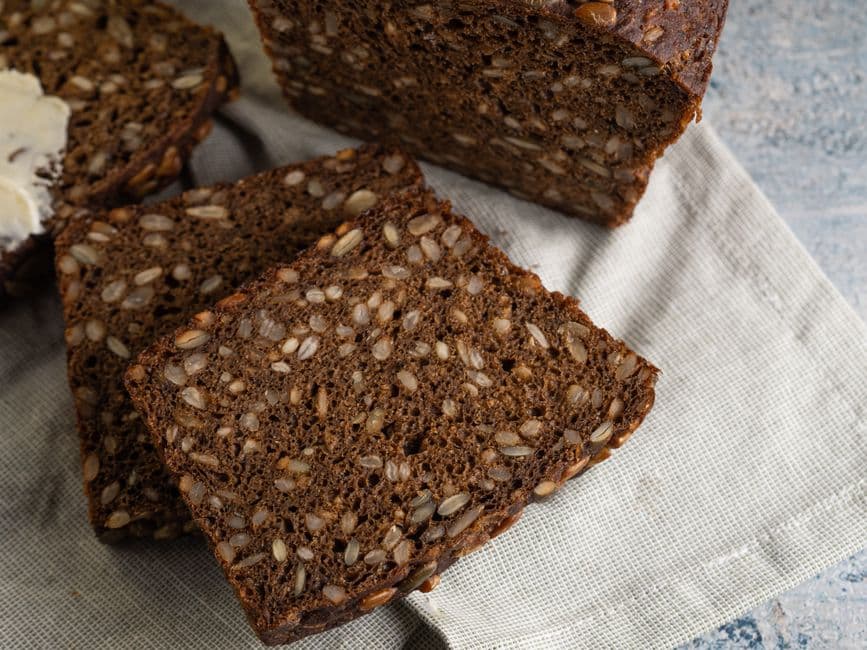
O icônico sanduíche aberto dinamarquês — pão de centeio escuro e denso coberto com toppings de arenque em conserva, ovo e camarão em composições elegantes e artísticas.
20 min320 kcalFácil
★4.6(743)
Smørrebrød, æbleskiver, flæskesteg – cozinha nórdica elegante e saudável.
Mais receitas construídas em torno dos mesmos ingredientes principais.
Acompanhe o que você come
Fotografe sua refeição para registrar calorias e macros, use timers de jejum e acompanhe sua água no app gratuito SnapCal.
Planeje suas refeições, acompanhe seu jejum e crie sua lista de compras — grátis
O painel do MyCookingCalendar funciona direto no seu navegador, sem precisar baixar nada.
O icônico sanduíche aberto dinamarquês — pão de centeio escuro e denso coberto com toppings de arenque em conserva, ovo e camarão em composições elegantes e artísticas.

As amadas panquecas esféricas dinamarquesas — bolinhas leves e fofas de massa cozidas em uma frigideira especial de ferro e servidas polvilhadas com açúcar de confeiteiro e geleia de framboesa.

Patinhas de porco e vitela fritas na panela com cebola, ovo e farinha — o prato caseiro mais amado da Dinamarca, servido com batatas e repolho vermelho em conserva.
A forma de arte dinamarquesa em forma comestível: pão de centeio escuro coberto com arenque, salmão fumado, rosbife ou ovo, adornado com guarnições tradicionais — cultura escandinava de sanduíche aberto.

Um clássico natalino dinamarquês — lombo de porco assado lentamente com a crosta crocante mais impressionante imaginável, servido com couve roxa e batatas caramelizadas.

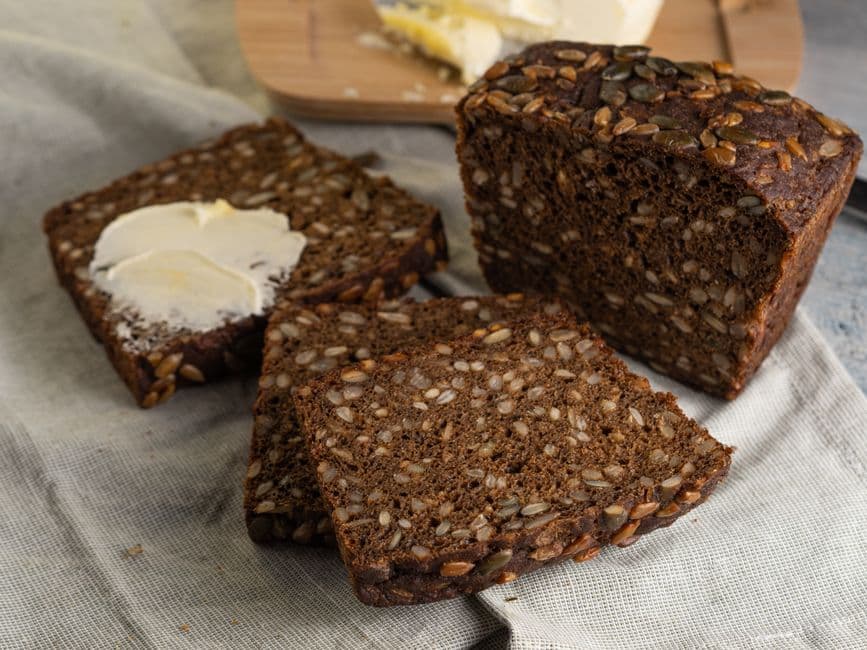
O denso, ácido e semeado pão de centeio dinamarquês — a fundação do smørrebrød e um dos pães mais nutritivos do mundo.

O pastel dinamarquês original — a massa laminada e manteigada criada por padeiros austríacos em Copenhague nos anos 1840 que deu ao mundo "pastel dinamarquês", em muitas formas e recheios.

Panquecas esféricas e fofas dinamarquesas cozidas em uma frigideira especial — uma tradição natalina servida com geleia e açúcar de confeiteiro.
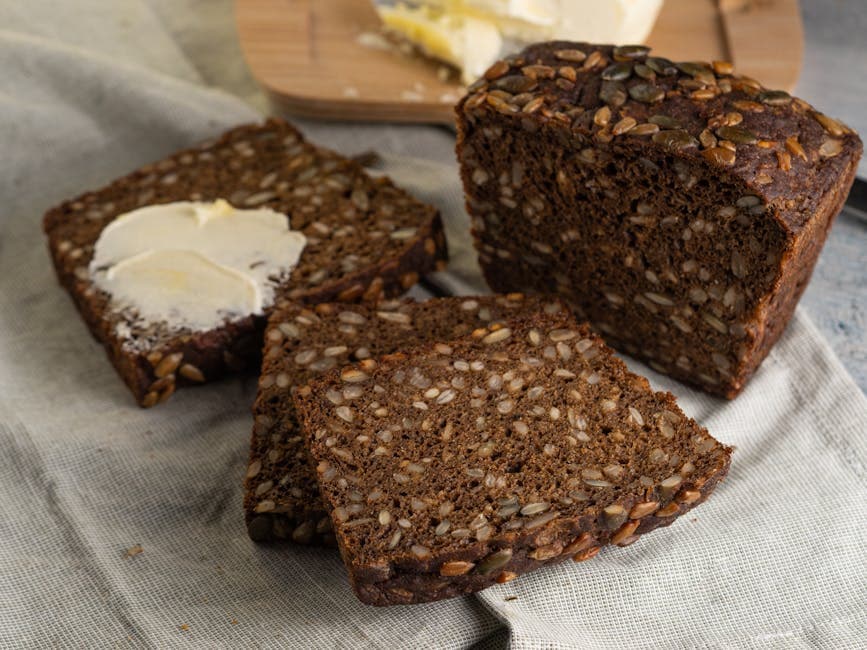
Pão de centeio dinamarquês denso, escuro e maltado com fermentação natural — a base de todos os sanduíches abertos dinamarqueses.
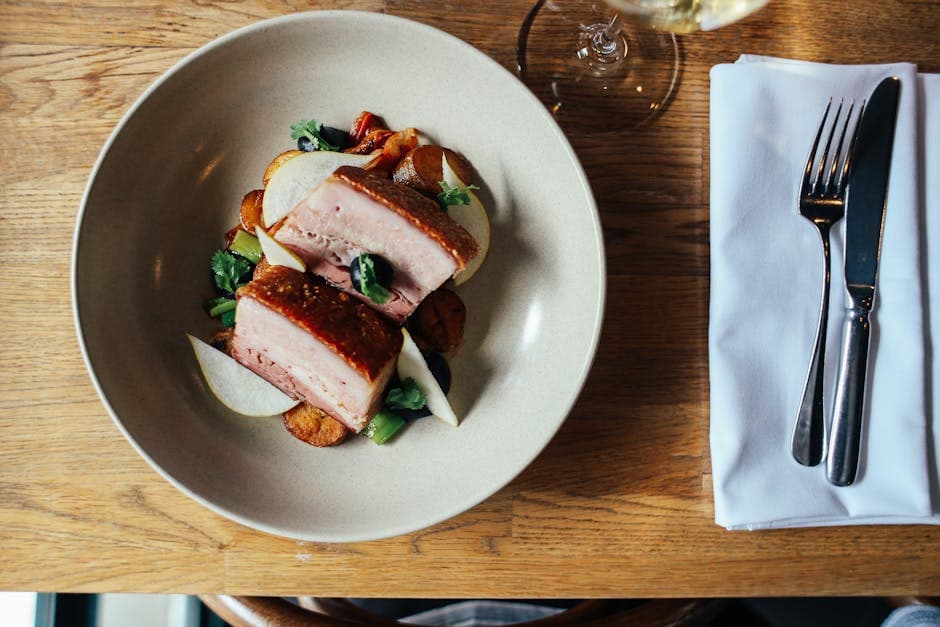
O prato central do Natal dinamarquês — porco assado lentamente com um torresmo crocante e bolhoso lendário.
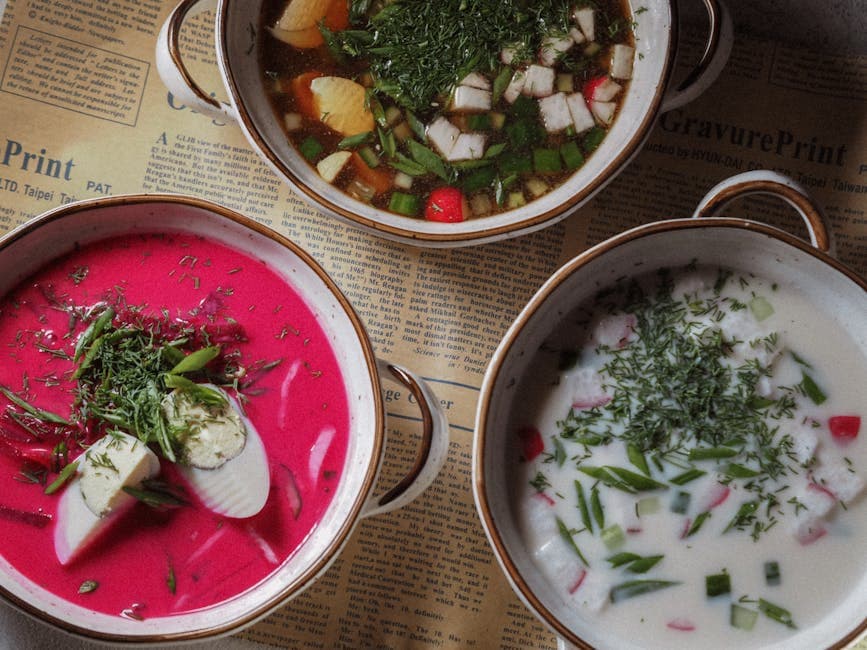
Refrescante sopa-sobremesa dinamarquesa de leitelho gelado, ovos e baunilha — servida com biscoitos kammerjunker.
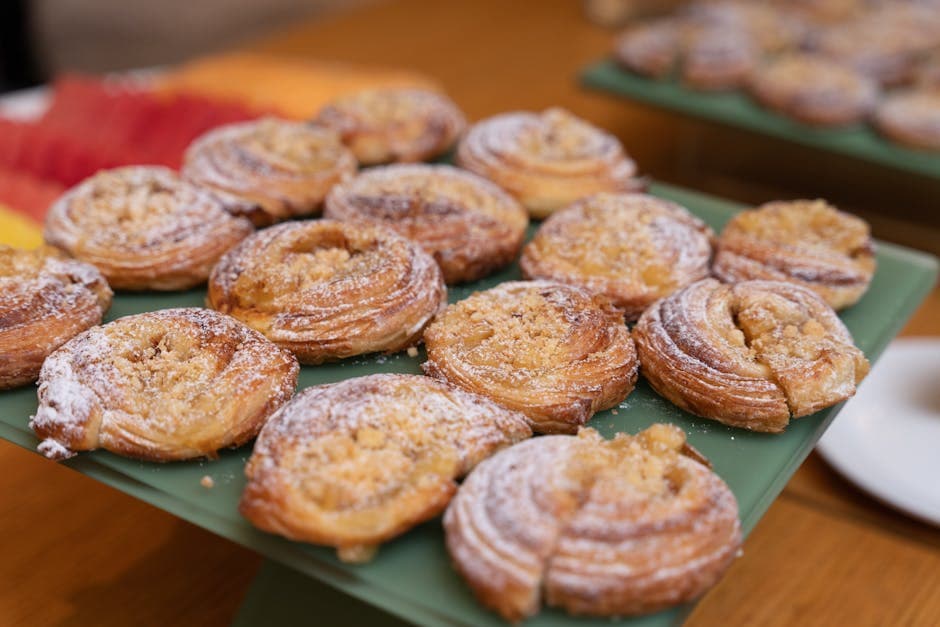
Fofos rolinhos de canela dinamarqueses com manteiga, açúcar mascavo e cardamomo na massa — melhores do que qualquer outro.
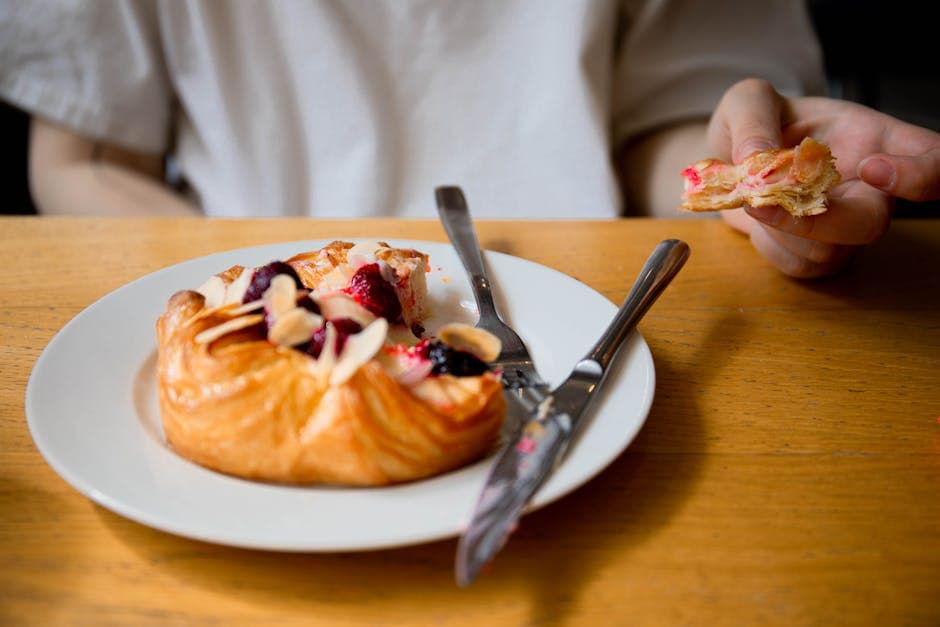
Pudim de arroz de Natal dinamarquês com amêndoas e molho de cereja quente — cada mesa esconde uma amêndoa inteira e um prêmio.

Batatas caramelizadas dinamarquesas — pequenas batatas cerosas cobertas com manteiga e caramelo dourado — um acompanhamento natalino muito querido.
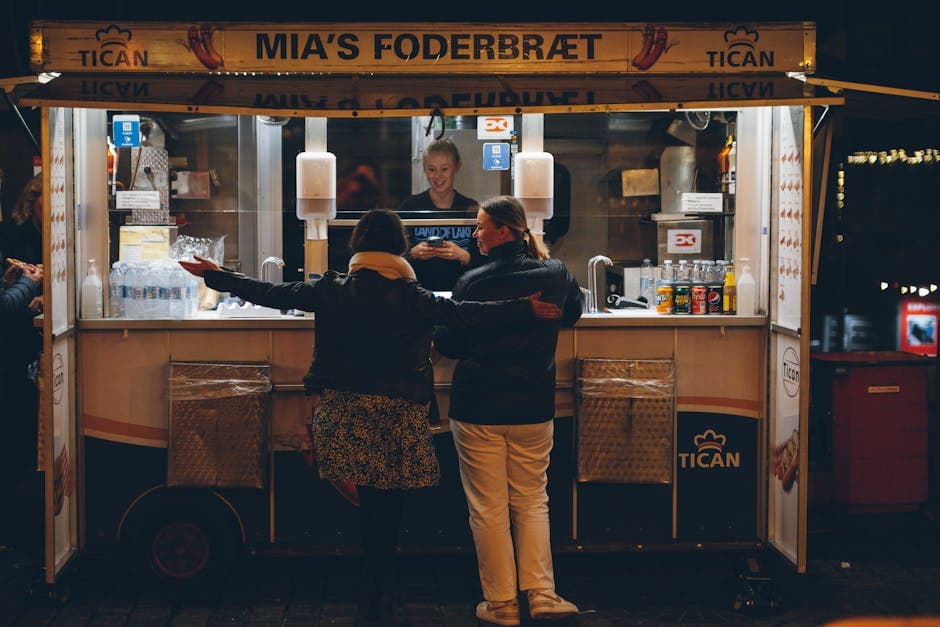
Almôndegas à panela dinamarquesas — formato levemente achatado, macio e suculento, servido com batata e molho marrom.

Peixe do Atlântico curado tradicionalmente, tipo carne seca

Ensopado de frutos do mar rico com peixe do Atlântico e batatas

Cordeiro cozido lentamente com vegetais raiz

Ensopado tradicional com ave marinha e vegetais raiz

Pão denso com cevada e grãos inteiros

Almôndegas de porco e vitela dinamarquesa fritas em frigideira servidas com repolho vermelho, molho de salsa, e batatas cozidas.

Manteigado pão de centeio preto com camarão rosa doce ligado em maionese com aneto, uma onda de limão, aneto fresco e uma única conta de caviar preto — o mais elegante dos sanduíches abertos da Dinamarca.
A Tigela de Arroz com Ervas e Limão do Mercado Dinamarquês traz o sabor dinamarquês a uma prática tigela de arroz feita com coxas de frango, centeio, manteiga, endro e vegetais em conserva, e um final de endro fresco.
A sopa de tomate esfumaçado da Danish Village traz o sabor dinamarquês a uma sopa prática feita com cogumelos, centeio, manteiga, endro e vegetais em conserva, e um final de endro fresco.
A frigideira dinamarquesa com gergelim e limão traz o sabor dinamarquês a um prático jantar de frigideira feito com couve-flor, centeio, manteiga, endro e vegetais em conserva, e um final de endro fresco.
O macarrão de pimenta carbonizada do porto dinamarquês traz o sabor dinamarquês a um prático prato de macarrão feito com macarrão de arroz, centeio, manteiga, endro e vegetais em conserva, e um final de endro fresco.
A Salada Dinamarquesa de Ervas Verdes da Montanha traz o sabor dinamarquês a uma salada prática feita com frango grelhado, centeio, manteiga, endro e vegetais em conserva, e um final de endro fresco.
O pão achatado com ervas e limão do Festival Dinamarquês traz o sabor dinamarquês a um pão achatado prático feito com massa de pão achatado, centeio, manteiga, endro e vegetais em conserva, e um final de endro fresco.
O Traybake de tomate esfumaçado Homestyle dinamarquês traz o sabor dinamarquês a um prático tabuleiro feito com batata doce, centeio, manteiga, endro e vegetais em conserva, e um final de endro fresco.
Danish Street Sesame Lime Fritters traz o sabor dinamarquês a um prático bolinho feito com peixe salgado, centeio, manteiga, endro e vegetais em conserva, e um final de endro fresco.
O Prato de Café da Manhã Dinamarquês Golden Charred Pepper traz o sabor dinamarquês a um prático prato de café da manhã feito com feijão, centeio, manteiga, endro e vegetais em conserva, e um final de endro fresco.
A sobremesa Danish Weeknight Green Herb traz o sabor dinamarquês a uma sobremesa prática feita com coco, centeio, manteiga, endro e vegetais em conserva, e um final de endro fresco.
Um hambúrguer grosso de carne moída frita, coberto com cebolas macias e cozidas lentamente e um molho simples.
Pão de centeio coberto com fatias finas de carne de porco ou vitela enrolada com ervas, um clássico sanduíche aberto dinamarquês.
Bolinhos de panqueca redondos e fofos cozidos em uma assadeira especial com covinhas, polvilhados com açúcar de confeiteiro e servidos com geléia.
Fatias grossas de barriga de porco fritas até ficarem bem crocantes, servidas com batatas cozidas e molho cremoso de salsa branca.
Pudim de arroz gelado dobrado com chantilly e amêndoas picadas, servido com molho quente de cereja, uma querida sobremesa de Natal.
Couve finamente picada cozida em molho cremoso tipo bechamel, um acompanhamento tradicional de Natal dinamarquês servido com porco assado ou pato.
Um porco assado com pele profundamente marcada, assado até quebrar o torresmo, a peça central da ceia de Natal dinamarquesa.
Uma compota levemente espessa e sedosa de frutas vermelhas misturadas, servida gelada com uma dose generosa de creme frio.
Uma salada cremosa de maionese temperada com curry e salpicada com ovo picado, picles e maçã, uma cobertura popular de smørrebrød.
Pequenas almôndegas de porco cozidas em molho de curry suave e cremoso com cenoura e maçã, servidas com arroz.
Pequenas batatas cozidas com uma cobertura de caramelo brilhante e amanteigado, um acompanhamento tradicional de Natal dinamarquês.
Laticínios dinamarqueses cultivados, espessos e picantes, cobertos com uma cobertura doce e crocante de pão ralado de centeio torrado, um café da manhã apreciado todos os dias.
Massa laminada amanteigada e escamosa enrolada em torno de um recheio de amêndoa doce, a origem do que o mundo chama de 'dinamarquês'.
Uma panqueca de ovo grossa e fofa, cravejada de cebolinha, coberta com bacon crocante e servida com pão de centeio escuro.
Salsicha de porco fresca moída grosseiramente com aroma de pimenta da Jamaica, frita na frigideira e servida com repolho refogado e batatas cozidas.
Um rico patê de fígado de porco assado e recheado com bacon, uma adorada cobertura smørrebrød servida quente com cogumelos fritos.
Centeio com manteiga coberto com salmão defumado, endro e pasta cremosa de raiz-forte - um clássico sanduíche aberto dinamarquês, smørrebrød.
Batatas em camadas assadas em creme com sementes de cominho - um acompanhamento dinamarquês simples e reconfortante, baseado em pratos clássicos da despensa nórdica.
Tenras almôndegas de porco e vitela fritas, levemente achatadas e douradas - o frikadeller diário preferido da Dinamarca, servido com batatas e molho.
Uma sopa espessa e saudável de ervilhas cozida com bacon e raízes - uma sopa tradicional de inverno dinamarquesa, gule ærter.
Uma omelete macia dobrada com cebolinha fresca, salsa e endro, finalizada com um pouco de limão - um café da manhã dinamarquês leve e cheio de ervas.
Aveia cremosa fervida em leite, finalizada com limão carbonizado e fio de mel - um café da manhã dinamarquês simples e reconfortante, havregrød.
Delicados filés de solha assados com tomate fresco e endro - um jantar simples de peixe costeiro dinamarquês, elaborado com base na pesca mais comum do Mar do Norte.
Massa amanteigada laminada torcida em rolos em forma de pretzel e coberta com sementes de gergelim torradas - uma delícia de padaria dinamarquesa construída com massa laminada clássica.
Pepinos em fatias finas marinados em molho de vinagre agridoce com endro - uma salada clássica dinamarquesa, agurkesalat.
Um frango inteiro assado com fatias de maçã e tomilho fresco na cavidade - um jantar simples de domingo dinamarquês baseado em frutas e ervas clássicas do pomar.
Couve-flor assada e tomate assados com ervas frescas e uma leve cobertura de queijo - um acompanhamento simples de vegetais dinamarqueses.
Tradicional æbleskiver dinamarquês, panquecas redondas e fofas cozidas em uma frigideira especial, servidas com compota de manjericão fresco.
Uma tigela de grãos saudável feita com a despensa smørrebrød da Dinamarca – grãos de centeio, arenque em conserva, ovo e endro fresco, temperado com limão.
Um prato de camarão e arroz ao estilo costeiro dinamarquês feito com manteiga marrom, endro e limão, os sabores de um clássico reje smørrebrød.
Gule ærter, a clássica sopa espessa de ervilha amarela da Dinamarca com carne de porco defumada, servida como uma reconfortante tigela de domingo.
Pimentões recheados com saboroso recheio de carne de porco e pão ralado de centeio, finalizados com endro fresco e suco de limão.
Uma cremosa caçarola de batata dinamarquesa coberta com curry suave, cebola e queijo, assada até dourar e borbulhar.
Um suculento hambúrguer de frikadelle de porco e vitela servido em estilo hambúrguer em pão de centeio com maionese de manjericão brilhante.
Um cremoso pudim de arroz dinamarquês de Natal dobrado com chantilly e amêndoas, coberto com um caramelo quente com curry e especiarias.
Um prato festivo dinamarquês de porco assado torrado e repolho roxo agridoce, servido com molho fresco de iogurte de menta.
A culinária dinamarquesa baseia-se no pão de centeio, na carne de porco, nos laticínios e no mar. Seu emblema é smørrebrød: centeio denso (rugbrød) amanteigado e incorporado em sanduíches abertos com coberturas codificadas - arenque em conserva com cebola e alcaparras, filé de peixe frito com remoulade, porco assado com repolho roxo ou o 'stjerneskud' empilhado com camarão. Os pratos quentes clássicos seguem a mesma lógica: frikadeller (almôndegas de porco fritas), stegt flæsk med persillesovs (barriga de porco crocante com molho de salsa, prato oficial nacional) e flæskesteg porco assado com torresmo.
As tradições de laticínios e panificação da Dinamarca são profundas. Manteiga e creme finalizam molhos e doces; a pastelaria 'dinamarquesa' é chamada localmente de wienerbrød - pão de Viena - porque os padeiros austríacos trouxeram técnicas de laminação durante uma greve dos padeiros na década de 1850, após a qual os dinamarqueses os aperfeiçoaram com mais manteiga e recheio remonce. O Natal traz flæskesteg, pato com maçãs e ameixas secas, batatas caramelizadas e risalamande, arroz doce de amêndoa com molho de cereja e caça de amêndoas inteiras escondidas.
Desde o início dos anos 2000, a Dinamarca também tem sido o motor da nova cozinha nórdica. O manifesto de 2004, de coautoria de Claus Meyer e René Redzepi, da Noma, centrou novamente a culinária no terroir nórdico – espinheiro marinho forrageado, ramsons, ervas de praia, fermentação e grãos tradicionais – e remodelou restaurantes em todo o mundo. Em casa, o ritmo diário permanece humilde: almoços com pão de centeio embalados para a escola e para o trabalho, jantares comunitários voltados para a higiene e uma forte cultura de café e pastelaria.
Smørrebrød
Pão de centeio amanteigado com coberturas codificadas – arenque, solha frita com remoulade, porco assado – comido com garfo e faca, nunca com as mãos.
Rugbrød (pão de centeio)
O centeio denso e semeado é o alimento básico diário, embalado em lancheiras em todo o país e a base estrutural do smørrebrød.
Carne de porco e frikadeller
A herança suinícola da Dinamarca se manifesta nas almôndegas frikadeller, no flæskesteg com cobertura de torresmo e no prato nacional, barriga de porco crocante com molho de salsa.
Arenque em conserva
Sild curado em vinagre, creme de curry ou marinadas de xerez abre todas as mesas de almoço dinamarquesas, especialmente no Natal e na Páscoa.
Wienerbrød e panificação com manteiga
Doces laminados 'dinamarqueses' com remonce, além de kanelsnegle e bolo dos sonhos (drømmekage), definem a lendária cultura da panificação.
Novo pensamento nórdico
O manifesto da era Noma impulsionou a coleta de alimentos, a fermentação e o terroir nórdico para a gastronomia global e de volta aos hábitos domésticos dinamarqueses.
Sanduíches de centeio abertos Smørrebrød, doces dinamarqueses (wienerbrød), almôndegas frikadeller, porco assado crocante com torresmo, arenque em conserva e cachorros-quentes em carrinhos de rua pølsevogn. A Dinamarca é também o berço da nova cozinha nórdica – o movimento de recolha e fermentação lançado em torno de Noma, em Copenhaga – e da cultura da refeição acolhedora resumida pela higiene.
Eles se sobrepõem fortemente – arenque, centeio, carne de porco, frutas vermelhas – mas a Dinamarca fez do sanduíche aberto (smørrebrød) sua peça central, enquanto a Suécia formalizou o bufê de smörgåsbord e o prato de almôndegas e mirtilos. A comida dinamarquesa se baseia mais em manteiga, torresmo de porco e massa laminada; Suécia com mirtilos, peixe curado com endro e sopa de ervilha às quintas-feiras. O rugbrød dinamarquês é mais escuro e denso do que a maioria dos pães suecos.
Na Dinamarca, é chamado de wienerbrød – “pão de Viena” – porque os padeiros austríacos introduziram massa fermentada laminada em Copenhague durante uma greve dos padeiros dinamarqueses na década de 1850. Os padeiros dinamarqueses enriqueceram então a técnica com mais manteiga e remonce (um recheio cremoso de manteiga e açúcar), criando spandauer, kanelsnegle e os doces que o resto do mundo agora chama simplesmente de “dinamarquês”.
Frikadeller: misture a carne de porco moída (ou porco e vitela) com cebola ralada, ovo, farinha ou aveia e leite e frite às colheradas na manteiga até dourar. Sirva com batatas cozidas, molho marrom ou repolho branco cozido e repolho roxo em conserva. Smørrebrød é a outra entrada fácil – bom pão de centeio, manteiga e montagem cuidadosa da cobertura são tudo.
Pato assado com maçã e ameixa e/ou flæskesteg (porco assado com torresmo), batata cozida mais brunede kartofler (batata caramelizada em manteiga e açúcar), repolho roxo e molho marrom espesso. A sobremesa é risalamande – arroz doce frio dobrado com chantilly e amêndoas picadas, servido com molho de cereja quente – onde encontrar a amêndoa inteira ganha um leitão de maçapão.
Calculadoras e conversores que acompanham esta página — sem cadastro.