

NovoJantar
Stroganoff de Carne Clássico
O export mais famoso da Rússia - tiras de carne tenra refogadas com cogumelos e cebola em um molho de creme azedo e sedoso, servido sobre macarrão de ovo ou arroz.
35 min490 kcalFácil
★4.6(3,640)
Estrogonofe de carne, borscht, pelmeni – culinária rica e calorosa do Leste Europeu.
Mais receitas construídas em torno dos mesmos ingredientes principais.
Acompanhe o que você come
Fotografe sua refeição para registrar calorias e macros, use timers de jejum e acompanhe sua água no app gratuito SnapCal.
Planeje suas refeições, acompanhe seu jejum e crie sua lista de compras — grátis
O painel do MyCookingCalendar funciona direto no seu navegador, sem precisar baixar nada.
O export mais famoso da Rússia - tiras de carne tenra refogadas com cogumelos e cebola em um molho de creme azedo e sedoso, servido sobre macarrão de ovo ou arroz.
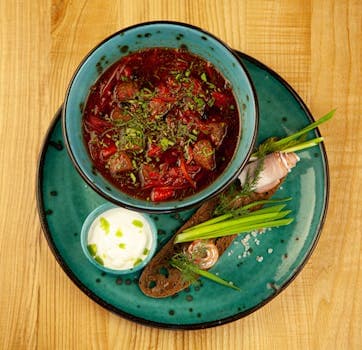
Sopa de beterraba vermelho-carmesim profundo com carne bovina morna, repolho e vegetais raiz, com cobertura de creme azedo e endro fresco.
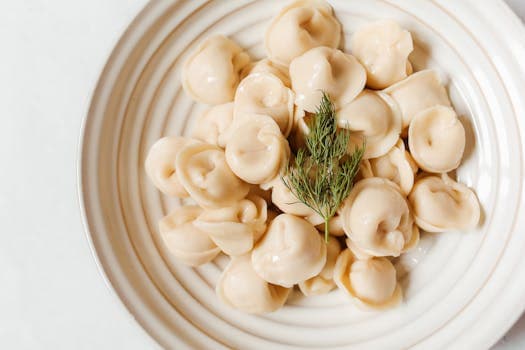
Casca fina de massa preenchida com uma mistura de carne de porco e carne bovina, fervida e servida com manteiga e creme azedo.

Uma sopa russa robusta e azeda com carnes curadas.

Panquecas russas delicadas perfeitas para coberturas doces e salgadas.

Uma sopa de repolho russa tradicional que é robusta e aquecedora.

Panquecas russas de queijo cottage douradas na panela servidas com creme de leite e geleia de frutas vermelhas no café da manhã.
Panquecas delicadas de trigo sarraceno cobertas com caviar e crème fraîche.

Bolinhas de massa polonesa feitas à mão preenchidas com batata cremosa amassada e queijo de fazenda, cozidas e refogadas em manteiga com cebolas caramelizadas.

Um pão achatado em formato de barco georgiano recheado com queijo derretido e coberto com um ovo cru e manteiga — confortante e espetacular.
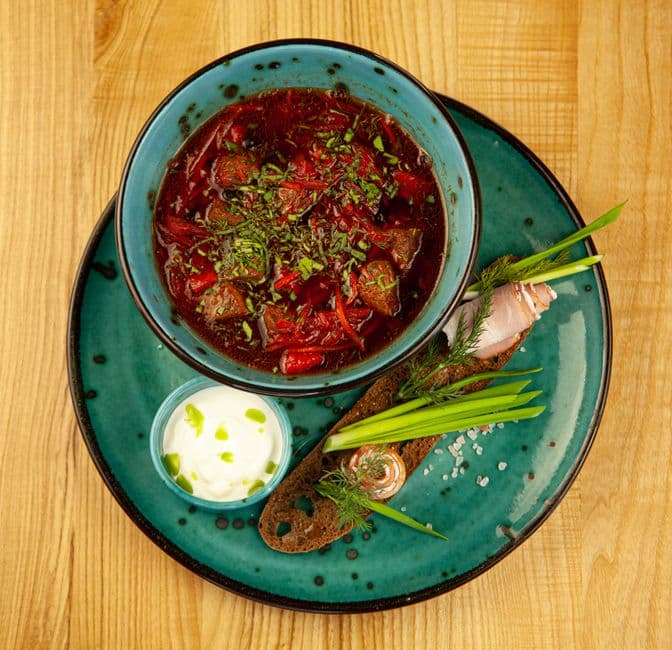
A sopa de beterraba icônica e profunda e crimsons da Rússia, rica com repolho, batata e carne bovina morna, finalizada com uma colherada generosa de smetana creme azedo.
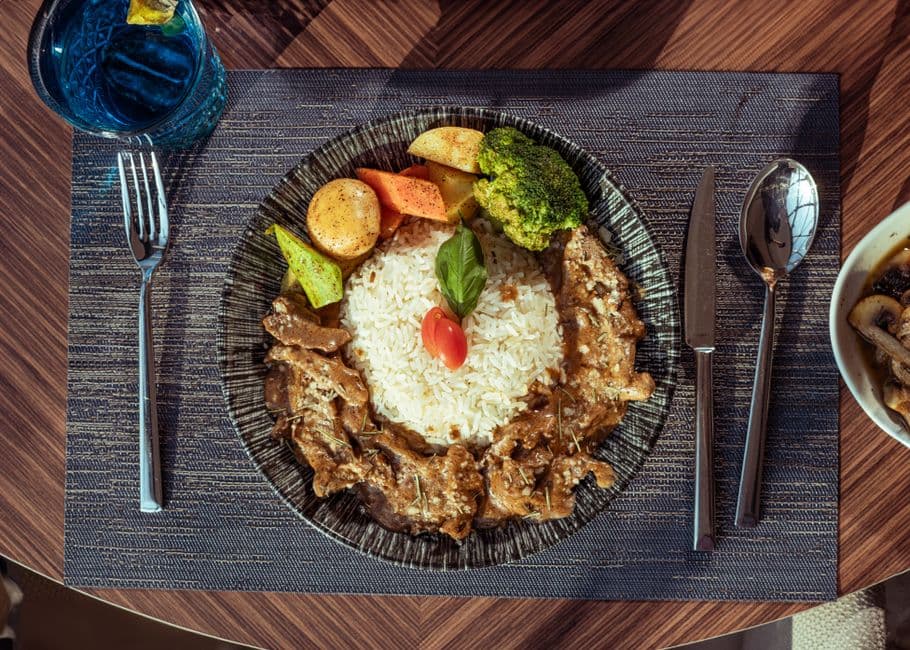
Tiras macias de carne em um molho rico, azedo de creme azedo e mostarda com cogumelos salteados — o clássico russo lendário amado em todo o mundo.

Os bolinhos icônicos de mão dobrada da Sibéria — massa tipo pasta fina recheada com um recheio temperado de carne de porco e carne de boi, cozidos e servidos com creme azedo e manteiga.

A salada de celebração favorita da Rússia — batatas em cubos, cenoura, ervilhas, pickles, ovos e frango ou linguiça, unida em molho de maionese cremoso.

Um bolo em camadas russo majestoso com camadas finas de esponja com mel e uma cobertura de creme azedo sedosa — um prato de efeito que melhora da noite para o dia.

Beterrabas assadas lentamente e defumadas sobre feno ou madeira de maçã, servidas com creme de leite azedo de raiz-forte, sementes de mostarda em conserva e endro fresco.

Pequenos bolinhos russos recheados com carne cozidos até ficarem macios, finalizados com manteiga, vinagre ou smetana.

O prato original de São Petersburgo do século XIX — tiras de carne seladas em molho de mostarda e smetana, servidas sobre batatas palha crocantes.
Russian Market Lemon Herb Rice Bowl traz o sabor russo a uma prática tigela de arroz feita com coxas de frango, endro, creme de leite, trigo sarraceno e cogumelos, e um final de endro fresco.
A Sopa de Tomate Fumado da Vila Russa traz o sabor russo a uma sopa prática feita com cogumelos, endro, creme de leite, trigo sarraceno e cogumelos, e um final de endro fresco.
A frigideira russa com gergelim e limão traz o sabor russo para um prático jantar de frigideira feito com couve-flor, endro, creme de leite, trigo sarraceno e cogumelos, e um final de endro fresco.
Russian Harbor Charred Pepper Noodles traz o sabor russo a um prático prato de macarrão feito com macarrão de arroz, endro, creme de leite, trigo sarraceno e cogumelos, e um final de endro fresco.
A Salada Russa de Ervas Verdes da Montanha traz o sabor russo a uma salada prática feita com frango grelhado, endro, creme de leite, trigo sarraceno e cogumelos, e um final de endro fresco.
O pão achatado com ervas e limão do Festival Russo traz o sabor russo a um pão achatado prático feito com massa de pão achatado, endro, creme de leite, trigo sarraceno e cogumelos, e um final de endro fresco.
Russian Homestyle Smoky Tomato Traybake traz o sabor russo a um prático tabuleiro feito com batata doce, endro, creme de leite, trigo sarraceno e cogumelos, e um final de endro fresco.
Russian Street Sesame Lime Fritters traz o sabor russo a um prático bolinho feito com peixe salgado, endro, creme de leite, trigo sarraceno e cogumelos, e um final de endro fresco.
O prato de café da manhã Russian Golden Charred Pepper traz o sabor russo a um prático prato de café da manhã feito com feijão, endro, creme de leite, trigo sarraceno e cogumelos, e um final de endro fresco.
Russian Weeknight Green Herb Dessert traz o sabor russo a uma sobremesa prática feita com coco, endro, creme de leite, trigo sarraceno e cogumelos, e um final de endro fresco.
Grãos de trigo sarraceno torrados cozidos com cogumelos salteados e cebola, um acompanhamento básico em quase todas as mesas russas.
Uma salada fria colorida de beterraba em cubos, batata, cenoura e picles temperada simplesmente com óleo de girassol e vinagre.
Suculentos hambúrgueres de carne bovina e suína fritos, amarrados com pão encharcado, um alimento básico encontrado em quase todas as cozinhas russas.
Panquecas de batata ralada com bordas crocantes e fritas até dourar, servidas quentes com creme de leite, um clássico russo e do Leste Europeu.
Um imponente bolo de mel russo com camadas finas como papel e cobertura de creme de leite picante, amaciado durante a noite em algo macio e derretido.
Blini fino e rendado de trigo sarraceno russo dobrado em torno de salmão defumado e creme de leite, um aperitivo clássico de comemoração.
Pedaços de porco marinados em cebola e vinagre, enfiados em espetos e grelhados em brasas até ficarem carbonizados e suculentos.
Folhas de couve enroladas em recheio de arroz e carne moída, refogadas lentamente em molho de tomate e creme de leite até ficarem macias.
A salada de batata, cenoura, picles, ovo e mortadela em cubos com maionese que é a base de todas as mesas do Ano Novo Russo.
Uma sopa picante de carne e arroz com alho, temperada com nozes e ameixa azeda, popular em toda a Rússia por meio de suas raízes georgianas.
Bolinhos macios recheados com purê de batata e queijo cottage, cozidos e finalizados com cebola caramelizada e creme de leite.
Tortas douradas e fritas recheadas com recheio de repolho ou batata, um lanche básico de rua e mercado russo.
Grãos de trigo sarraceno torrados cozidos com cogumelos salteados e cebolas - o cereal diário da Rússia tornou-se farto o suficiente para uma refeição.
Centeio escuro com manteiga coberto com linguiça russa em fatias finas, queijo e um pouco de mostarda - o sanduíche aberto visto em todas as mesas de chá russas.
Rissóis de frango macios e suculentos, amarrados com pão embebido em leite, fritos na frigideira até obter uma crosta dourada e cobertos até ficarem cozidos.
Feijão branco cozido com cogumelos bem dourados e cebola em molho de endro e creme de leite até engrossar e ficar bem grudado nas costelas.
Uma omelete de ovo mole dobrada em florzinhas de couve-flor douradas na manteiga, finalizada com bastante endro fresco e creme de leite.
Mingau de semolina cremoso cozido lentamente no leite até ficar sedoso, finalizado com manteiga e um pouco de geléia de frutas vermelhas.
Peixe branco grelhado coberto com uma marinada refogada de cenoura, cebola e tomate, tradicionalmente servido frio ou quente.
Torta rústica de frigideira de massa única com peixe branco em flocos, cebola salteada e endro assado sob uma treliça dourada.
Lentilhas cozidas na terra temperadas com picles crocantes de endro, cebola roxa e molho de mostarda e vinagre para uma salada fria farta.
Pequenos bolinhos recheados com cogumelos cozidos em caldo claro e terroso, finalizados com endro e uma colher de creme de leite.
Carne em fatias finas e cogumelos dourados em molho de creme de leite sedoso, servidos sobre macarrão de ovo com manteiga.
Batatas em camadas, repolho e cenoura assadas sob um saboroso creme de leite e creme de ovo até dourar - a resposta russa para uma reconfortante caçarola de vegetais.
Biscoitos macios de mel e especiarias cobertos com calda de açúcar - o centenário doce russo da hora do chá com canela e cravo aquecidos.
Blini fino e rendado de trigo sarraceno finalizado com um fiozinho de manteiga de nozes douradas, um clássico básico do café da manhã russo.
Grãos de trigo sarraceno torrados cozidos até ficarem macios e cobertos com cogumelos salteados e cebola, um alimento básico russo adorado.
Salmão grelhado servido com arroz amanteigado com endro fresco, um prato simples e elegante enraizado no amor russo por salmão e endro.
Uma farta sopa de lentilha cozida com linguiça defumada, cenoura e louro, aquecendo a comida reconfortante de inverno das cozinhas russas.
Pimentões recheados com carne moída, arroz e cebola, cozidos em molho leve de tomate e creme de leite até ficarem macios.
Um toque assado de frango à Kiev, com peitos de frango recheados com manteiga e alho e ervas aninhados sobre uma cama de arroz amanteigado.
Suculentos hambúrgueres de kotleti ao estilo russo, feitos com pão embebido em leite, servidos em estilo hambúrguer com mostarda e picles.
Um pudim de queijo de fazendeiro assado com cobertura dourada e encadernação de sêmola, um reconfortante café da manhã russo e sobremesa.
Uma salada festiva de salada Olivier, arenque sob um casaco de pele e pelmeni, as tradicionais peças centrais da mesa do Ano Novo Russo.
A culinária russa foi projetada pelo clima: uma curta estação de cultivo e longos invernos construíram uma cozinha em torno de pão de centeio, vegetais em conserva, kasha (mingau de trigo sarraceno) e o fogão de alvenaria - o pech - cujo calor lento e decrescente moldou uma preferência nacional por refogados, mingaus assados e sopas em vez de fritar. A lactofermentação está em toda parte: chucrute, picles salgados (não vinagreados) e kvass, a bebida fermentada de pão de centeio que também serve de base para a sopa fria de okroshka no verão.
O repertório se divide entre linhas camponesas e aristocráticas. O cânone camponês oferece shchi (sopa de repolho), borscht (compartilhado com a Ucrânia, de onde se originou), bolinhos de pelmeni dos Urais e blyn servido com smetana. A aristocracia do século XIX, empregando chefs franceses, produzia estrogonofe de carne, sharlotka e saladas em camadas - sobretudo a salada Olivier - que ainda dominam a mesa da véspera de Ano Novo, o feriado gastronômico mais importante do ano russo.
A comida caseira continua sendo uma sopa - uma refeição adequada ao meio-dia começa com uma sopa quente quase o ano todo - e saturada de endro, com smetana (creme de leite) colocado em tudo, desde borscht a pelmeni. A tradição zakuski de aperitivos frios (picles, peixes curados, saladas) acompanhando a vodca estrutura as refeições festivas, e o chá do samovar com varenye (conservas de frutas) as encerra, um ritual que data da chegada do chá no século XVII através do comércio com a China.
Sopas
Borscht, shchi, solyanka e ukha ancoram a refeição diária; um prato de sopa quente no almoço continua sendo o padrão nas famílias russas o ano todo.
Fermentação e decapagem
Pepinos fermentados em salmoura, chucrute e kvass refletem uma tradição de preservação que fornece acidez e vitaminas durante o inverno.
Pelmeni e massas recheadas
Bolinhos de carne siberianos, vareniki e pirozhki – pãezinhos recheados assados ou fritos – formam uma vasta família de massa recheada em todo o antigo império.
Kasha e centeio
O kasha de trigo sarraceno e o denso pão de centeio são a espinha dorsal histórica dos carboidratos, cozidos no fogo lento do tradicional fogão pech.
Smetana e laticínios
O creme de leite finaliza sopas, tempera bolinhos e enriquece a panificação; tvorog (queijo de fazendeiro) recheia panquecas de syrniki e pães vatrushka.
Mesa Zakuski
A distribuição de petiscos frios – picles, arenque, salada Olivier, peixe curado – abre as refeições festivas e acompanha tradicionalmente a vodca.
A culinária russa é conhecida por sopas substanciais como borscht e shchi, bolinhos de pelmeni, estrogonofe de carne, blyn com creme de leite ou caviar e uma forte tradição de decapagem e fermentação. É uma comida reconfortante de clima frio feita com pão de centeio, trigo sarraceno, batata, endro e smetana, com rituais festivos como a mesa de aperitivos zakuski e a salada Olivier de Ano Novo.
Borscht é a sopa à base de beterraba, originalmente ucraniana, normalmente incluindo repolho, batata e, muitas vezes, carne bovina, servida com smetana e endro. Shchi é a sopa de repolho nativa mais antiga da Rússia, feita com repolho fresco no verão ou chucrute (então chamado de shchi azedo) no inverno, sem beterraba. Ambas são sopas do dia a dia, mas o shchi antecede em séculos o borscht nas cozinhas russas.
Os cafés da manhã comuns são kasha - mingau de trigo sarraceno, aveia ou sêmola com manteiga - syrniki (panquecas fritas de queijo com smetana ou geléia), blyn ou simplesmente pão com manteiga, queijo e kolbasa. O chá, e não o café, é a bebida tradicional da manhã. Os ovos aparecem como omeletes ou cozidos. O café da manhã tende a ser substancial, refletindo o padrão de uma grande refeição do meio-dia.
A salada Olivier é montada, não cozida: batatas cozidas, cenouras, ovos, picles, ervilhas e maionese. Syrniki precisa apenas de queijo de fazendeiro, ovo, farinha e uma panela. Strogonoff de carne é um refogado de 30 minutos com molho de creme de leite. Uma panela de borscht ensina o método da sopa em camadas e melhora durante a noite. Pelmeni do zero é um projeto que vale a pena para o fim de semana, tradicionalmente feito em grandes lotes e congelado.
A culinária tradicional russa evita quase inteiramente o calor do chili; o sabor vem do endro, alho, pimenta-do-reino, louro, raiz-forte e mostarda - os dois últimos proporcionando pungência em vez do calor da capsaicina. A acidez de picles fermentados, chucrute e smetana é o sotaque dominante. Pratos mais picantes encontrados na Rússia, como o kharcho georgiano ou os temperos plov da Ásia Central, são emprestados de cozinhas vizinhas.
Calculadoras e conversores que acompanham esta página — sem cadastro.