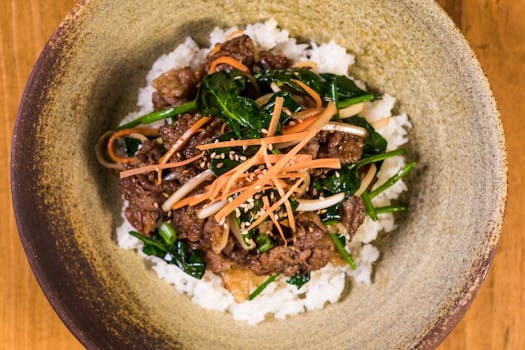
Bibimbap (Korean Mixed Rice Bowl)
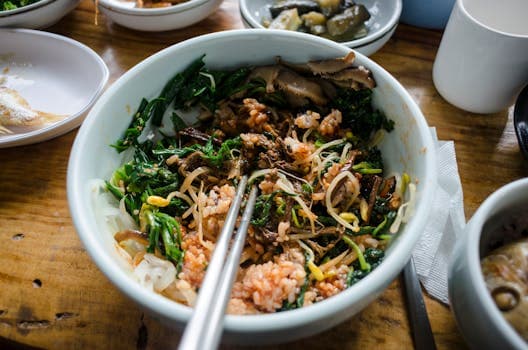
Vibrant bowl of rice, seasoned vegetables, gochujang and a sunny-side egg — Korean comfort food perfected.
Bibimbap, bulgogi, kimchi – fermentado, picante, profundamente saboroso.
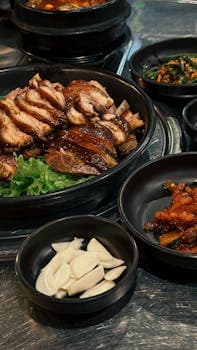
A culinária coreana cresceu em uma península de invernos rigorosos, onde a sobrevivência dependia da fermentação e da preservação. Kimchi – vegetais salgados e fermentados com pimenta gochugaru, alho e jeotgal (frutos do mar salgados) – remonta a mais de mil anos, com versões de repolho napa surgindo após a chegada das pimentas no século XVII. As cortes reais da dinastia Joseon codificaram a cultura banchan, a variedade de pequenos acompanhamentos compartilhados que ainda define a mesa coreana, enquanto a culinária do templo budista preservou uma tradição vegetariana refinada.
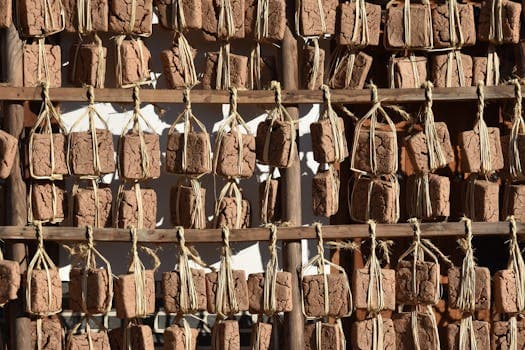
A culinária é baseada no jang: pastas de soja fermentadas e molhos envelhecidos em panelas de barro onggi. Doenjang (pasta de soja), gochujang (pasta de pimenta) e ganjang (molho de soja) fornecem a base profunda e saborosa de ensopados como doenjang-jjigae e kimchi-jjigae. Carnes grelhadas — bulgogi marinado em soja, pêra e gergelim; samgyeopsal de barriga de porco envolto em alface com ssamjang - representa o lado comemorativo, enquanto as refeições diárias giram em torno de arroz, sopa e banchan.
Os cozinheiros domésticos tratam o kimchi tanto como acompanhamento quanto como ingrediente: porções frescas consumidas, kimchi crocante e envelhecido, destinado a ensopados, arroz frito e panquecas. As principais habilidades incluem equilibrar o quarteto salgado-picante-doce-nozes de molho de soja, gochugaru, açúcar e óleo de gergelim, e o tempero rápido de vegetais escaldados (namul) com alho e gergelim. Uma panela elétrica de arroz, uma panela pesada para jjigae e uma grelha de mesa cobrem a maior parte do repertório.
Kimchi e Fermentação
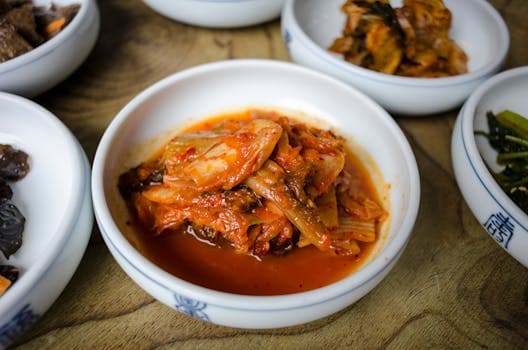
Vegetais fermentados salgados e com pimenta aparecem em todas as refeições e se transformam em ensopados, panquecas e arroz frito à medida que azedam.
Jang: Gochujang, Doenjang, Ganjang
Pastas fermentadas à base de soja e molho de soja, tradicionalmente envelhecidos em potes onggi, fornecem a saborosa espinha dorsal do tempero coreano.
Cultura Banchan
As refeições são servidas com vários pequenos acompanhamentos compartilhados – vegetais namul temperados, batatas refogadas, picles – cercando arroz e sopa.
Carnes Grelhadas (Gui)
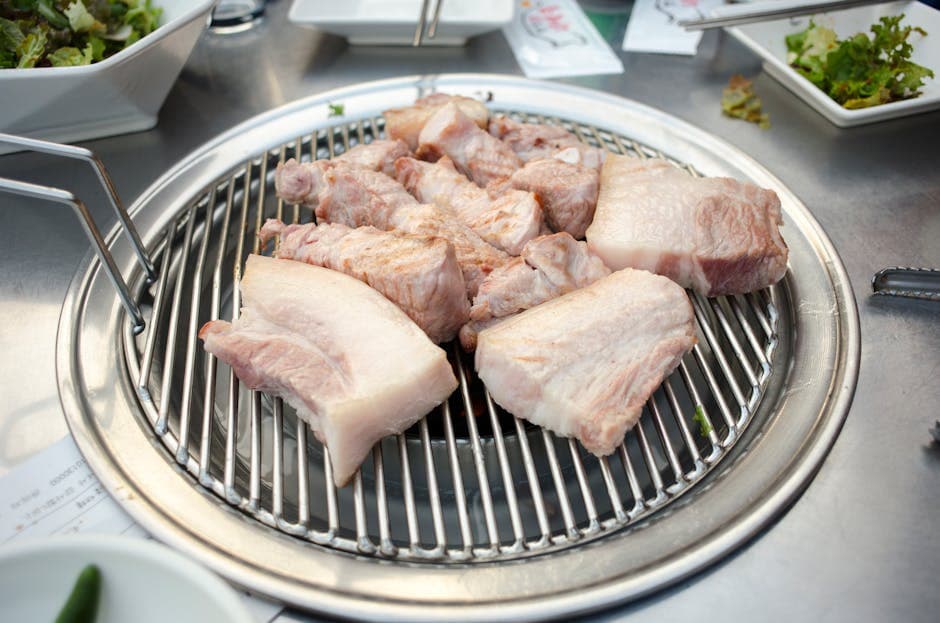
Bulgogi, galbi e samgyeopsal são grelhados à mesa e comidos embrulhados em alface ou folhas de perilla com ssamjang.
Jjigae e Guk (ensopados e sopas)
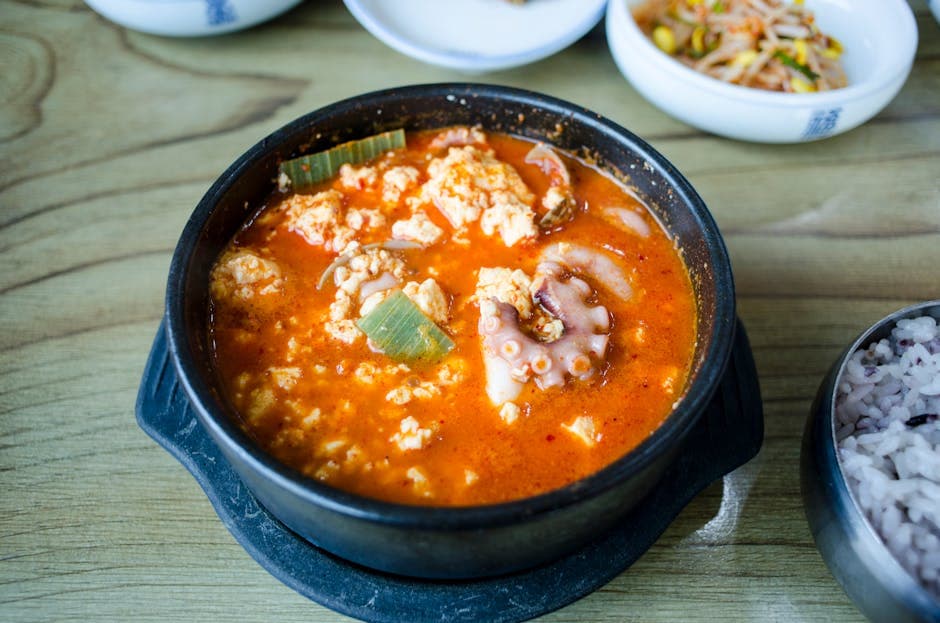
Ensopados borbulhantes como kimchi-jjigae e sundubu-jjigae chegam a ferver em panelas de pedra ou de barro.
Arroz e Macarrão
O arroz de grão curto é a base de todas as refeições, enquanto o macarrão de vidro japchae, o naengmyeon e o ramyeon cobrem ocasiões comemorativas e casuais.
Cozinhe com as mãos livres
Tenha planos de refeição com IA, modo de cozinha passo a passo e suas receitas salvas no app gratuito Bento.
Planeje suas refeições, acompanhe seu jejum e crie sua lista de compras — grátis
O painel do MyCookingCalendar funciona direto no seu navegador, sem precisar baixar nada.
Asian Cuisine Recipes: Complete Guide to Chinese, Japanese, Thai & More
Discover authentic Asian cooking with 50+ recipes from China, Japan, Thailand, Vietnam, Korea, and India. Learn techniques, ingredients, and how to recreate restaurant-quality Asian dishes at home.
Korean Cuisine: 35 Recipes from Kimchi to BBQ
Explore Korean cooking with 35 recipes showcasing kimchi, banchan, soups, and celebrated BBQ traditions.
15 Beginner-Friendly Recipes Anyone Can Cook
15 genuinely easy, well-rated recipes from around the world — no advanced technique, no specialty equipment, most done in 30 minutes or less.
Vibrant bowl of rice, seasoned vegetables, gochujang and a sunny-side egg — Korean comfort food perfected.

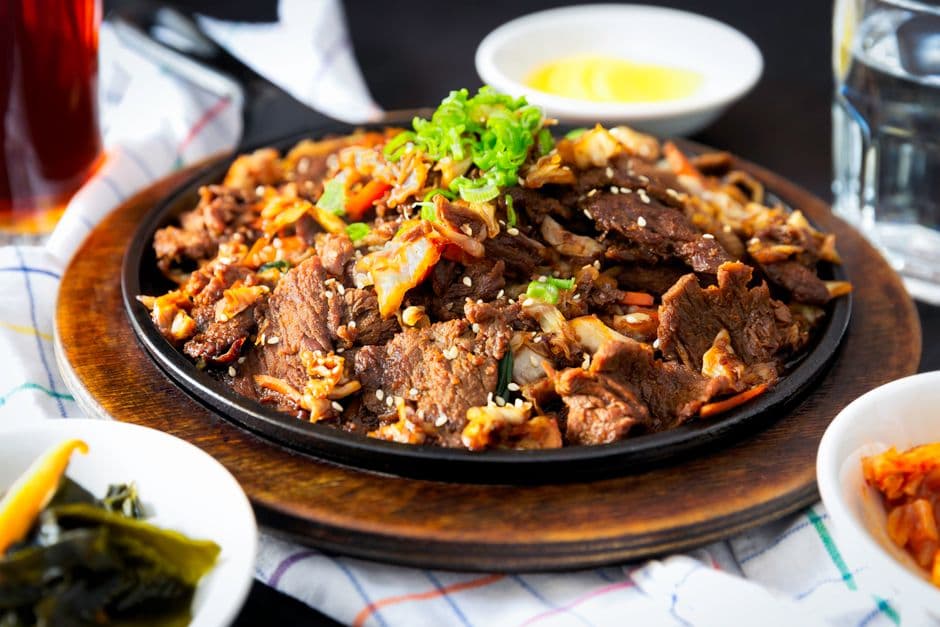
Korea's most famous BBQ — ultra-thin beef marinated in soy, pear juice, sesame and ginger, grilled and served with lettuce wraps.

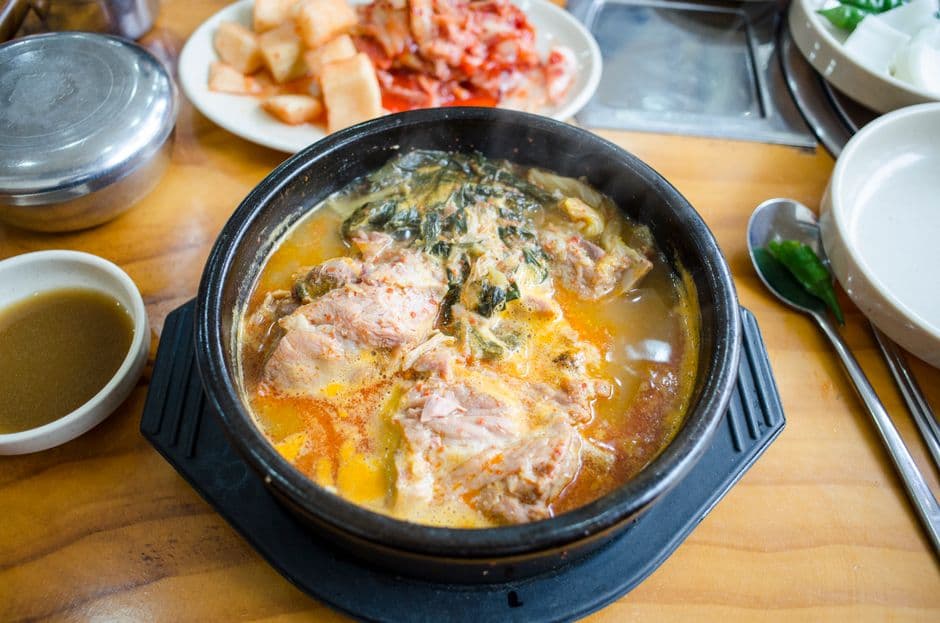
Korea's beloved spicy kimchi and pork stew — deeply savoury, warming, and the ultimate comfort food.

Chewy rice cakes smothered in sweet and fiery gochujang sauce with fish cakes and spring onion.

A comforting spicy Korean stew with soft tofu and vegetables.

A vibrant Korean stir-fried noodle dish with vegetables and beef.

A savory Korean braised beef short ribs dish full of rich flavors.

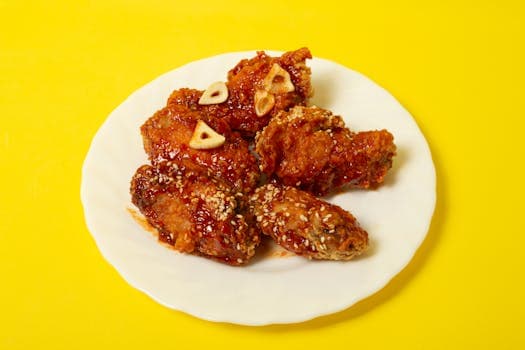
The crispiest Korean fried chicken — double-fried for a shatteringly thin, glass-like crust, tossed in a sweet-spicy gochujang glaze. This authentic Korean fried chicken recipe is the world's crispiest fried chicken.

Fiery, tangy Korean fermented cabbage — the probiotic-rich superfood that's central to Korean cuisine.

Sweet and savory Korean marinated beef.

Ultra-crispy double-fried chicken in gochujang glaze.

Chewy Korean rice cakes in fiery gochujang sauce.

Hearty Korean fermented kimchi stew with pork.

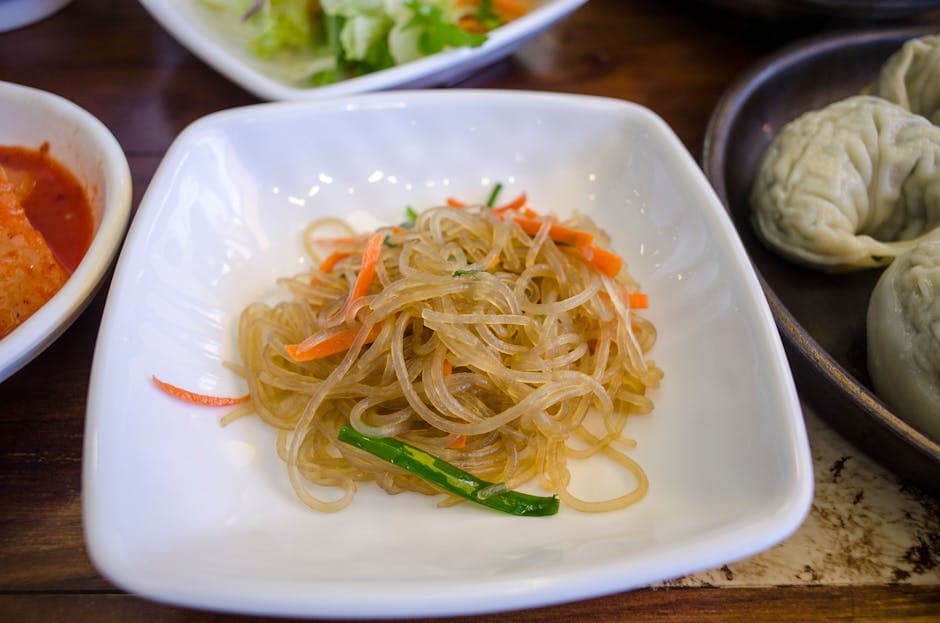
Korean stir-fried sweet potato noodles with vegetables.

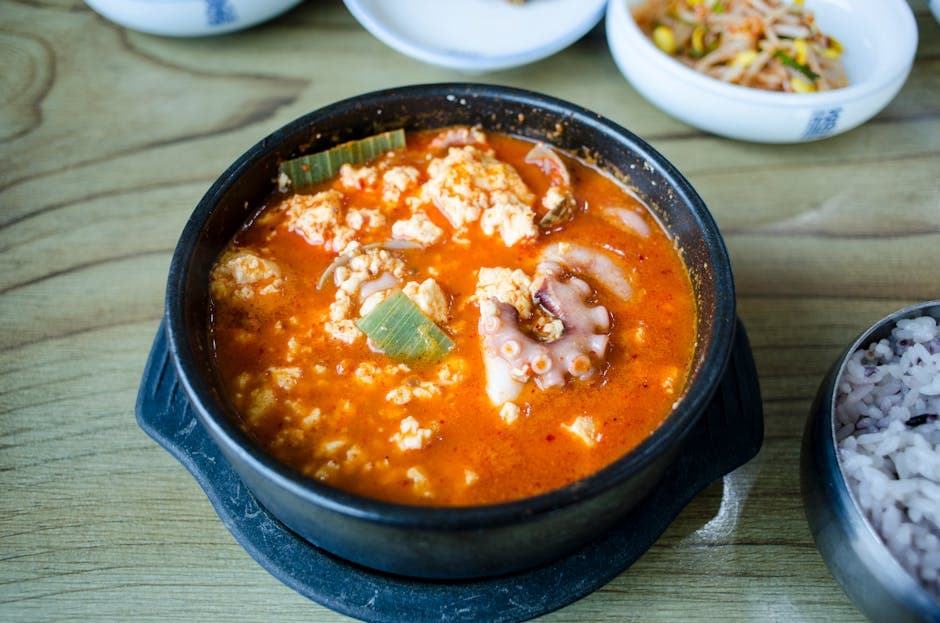
A fiery, deeply satisfying Korean stew of silken tofu, gochugaru-spiced broth, seafood and vegetables — served bubbling in a stone pot with a raw egg cracked in at the table.

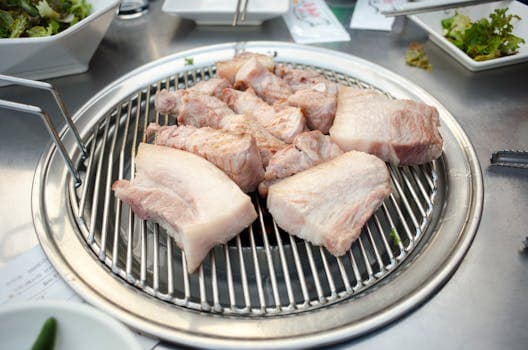
Korea's most sociable dining experience: thick-cut pork belly grilled at the table on a ribbed griddle, wrapped in perilla and lettuce leaves with gochujang, garlic and kimchi.

Korea's iconic mixed rice bowl — warm rice topped with seasoned vegetables, bulgogi beef, fried egg and vibrant gochujang sauce, mixed at the table.

Korea's most comforting everyday stew — fermented soybean paste broth with tofu, courgette, mushrooms and anchovies. Deep, earthy and deeply satisfying.

Korea's most popular BBQ — thick-cut pork belly grilled tableside and wrapped in lettuce with ssamjang, garlic, kimchi and perilla leaves.

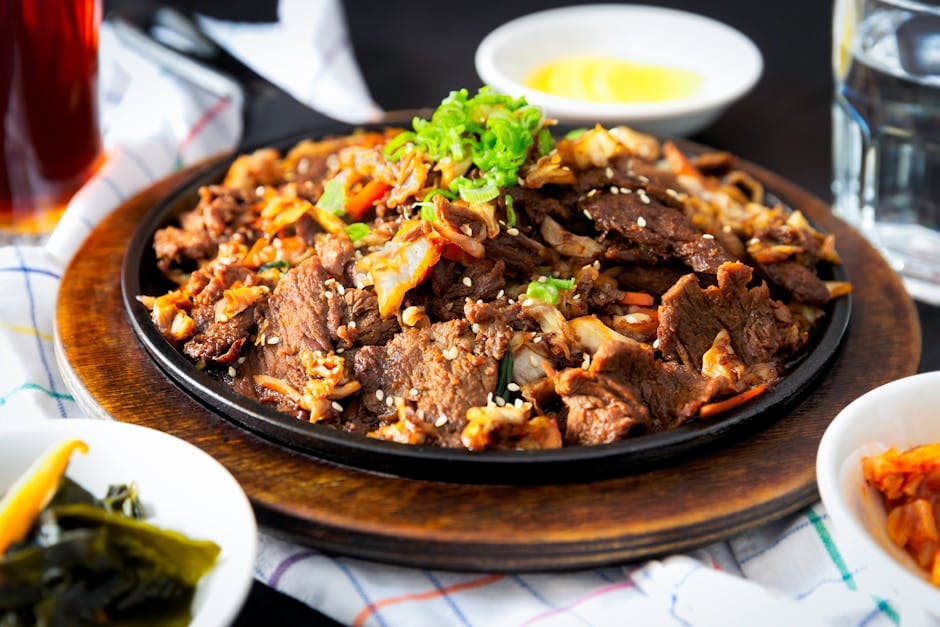
Thinly sliced beef marinated in a sweet-savoury soy and pear sauce, then quickly grilled or pan-fried to smoky perfection.

Korea's iconic mixed rice bowl — a vibrant arrangement of seasoned vegetables, marinated beef, a fried egg and gochujang sauce over steamed rice.

A bubbling, fiery stew of silken tofu, seafood and vegetables in a gochujang-spiced anchovy broth — Korean comfort in a stone bowl.

Korea's most comforting everyday stew — fermented soybean paste with tofu, courgette and mushrooms in an anchovy broth.

Silky tofu steamed with shiitake mushrooms, oysters, and a savory soy-based broth from South Jeolla province.

Chilled buckwheat noodles with a light broth, fresh vegetables, and soy-vinegar dipping sauce from mountain Gangwon.

Hearty kimchi stew with pork belly, tofu, and the distinctive sour tang of Gwangju's spicy kimchi.

Iconic bibimbap with seasoned vegetables, beef, fried egg, and gochujang from the culinary capital Jeonju.

Cold chewy wheat noodles in a tangy, spicy seafood broth with squid and vegetables from the port city Busan.

Marinated bulgogi short ribs in warm corn tortillas with kimchi salsa and lime crema — the Korean-Mexican fusion that started a movement.

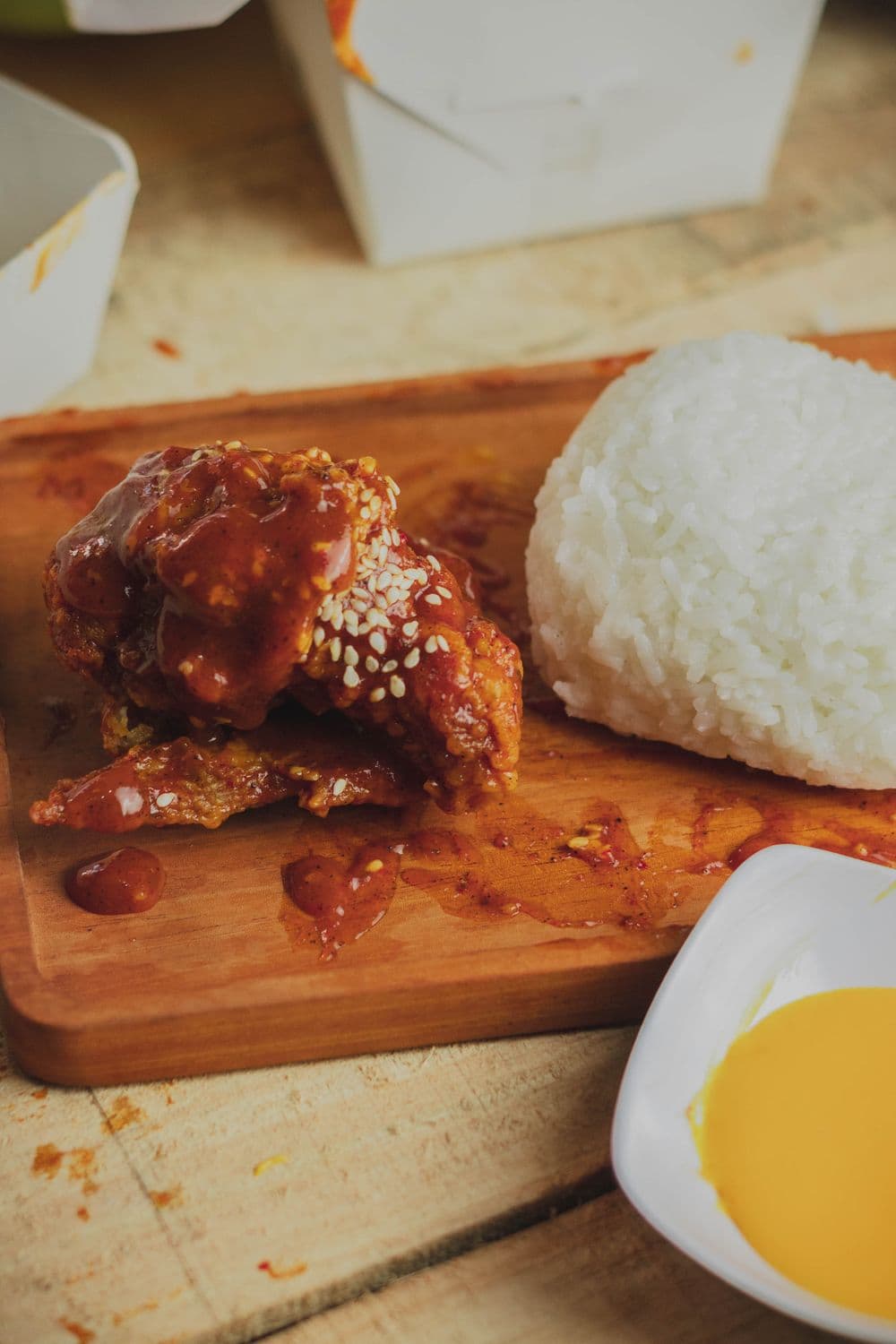
Double-fried chicken wings with a sticky-sweet gochujang glaze — Korea's contribution to global comfort food, restaurant-quality at home.

Slow-roasted brown sugar-cured pork shoulder with crackling crust, served with lettuce wraps, kimchi and ssamjang — Momofuku's signature centrepiece.

Aged kimchi and melted Monterey Jack cheese inside a crispy buttered tortilla — the Korean-Mexican lunch that stocks every LA late-night menu.

Korean black bean sauce noodles with pork and vegetables — savory, rich, ultimate comfort.

Korean double-fried chicken in sweet and spicy gochujang glaze — crispy, sticky, addictive.

Korean savory pancake with green onions and seafood — crispy edges, chewy center, perfect with makgeolli.

Korean spicy pork-neck-bone stew with potatoes, perilla seeds, and napa cabbage — bone-deep comfort.

Korean fire-meat — paper-thin sirloin marinated in soy, pear, garlic, sesame, then grilled on a hot pan or BBQ.

Korea's iconic street snack — chewy rice cakes simmered in a fiery gochujang sauce with fish cakes, scallions, and a soft-boiled egg.

Crunchy Korean cubed-radish kimchi — Korean radish, gochugaru, fish sauce, and garlic, fermented to spicy-tangy perfection.

Korean spicy stir-fried pork — thinly sliced pork belly tossed with gochujang, garlic, ginger, and onion over high heat for a fiery weeknight dinner.

Korea's beloved Chinese-Korean staple — chewy wheat noodles topped with a glossy black bean sauce of pork, zucchini, potato and onion, finished with cucumber, pickled radish and a soft-boiled egg.

A bubbling Korean stew of silken tofu, kimchi, seafood and gochugaru chilli, served in a hot stone pot with rice and a raw egg cracked on top.

Hand-rolled, knife-cut Korean wheat noodles simmered in a clear anchovy-kelp broth with zucchini and potato — pure rainy-day comfort.

Chewy sweet potato glass noodles tossed with sesame-soy beef, julienned vegetables and a glossy soy-sesame dressing — Korea's celebration noodle.

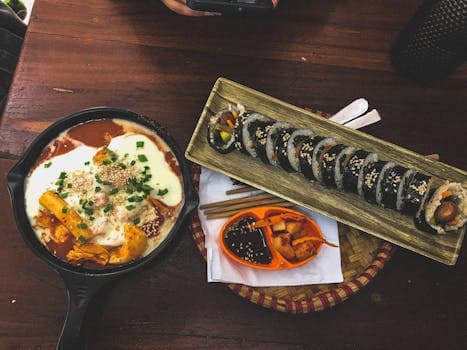
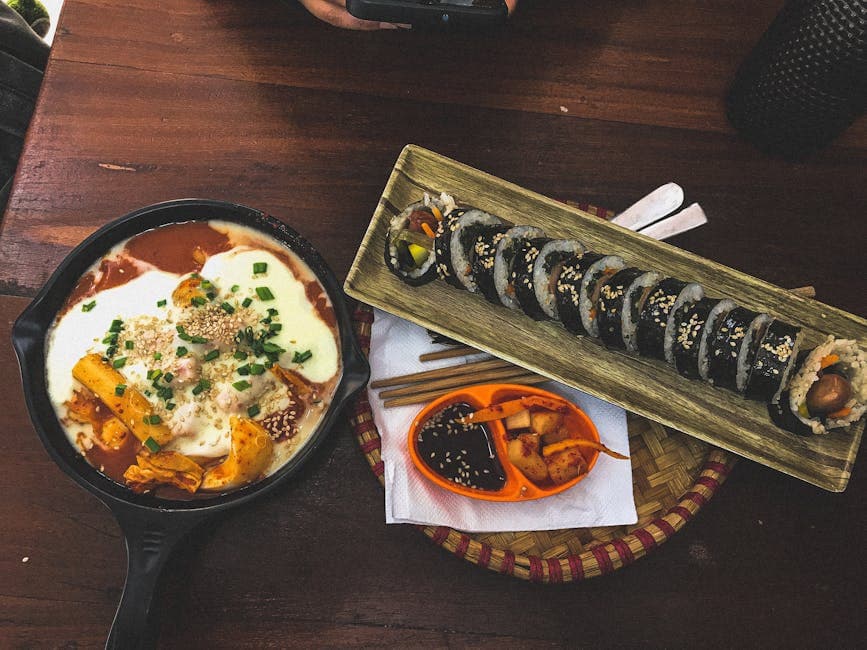
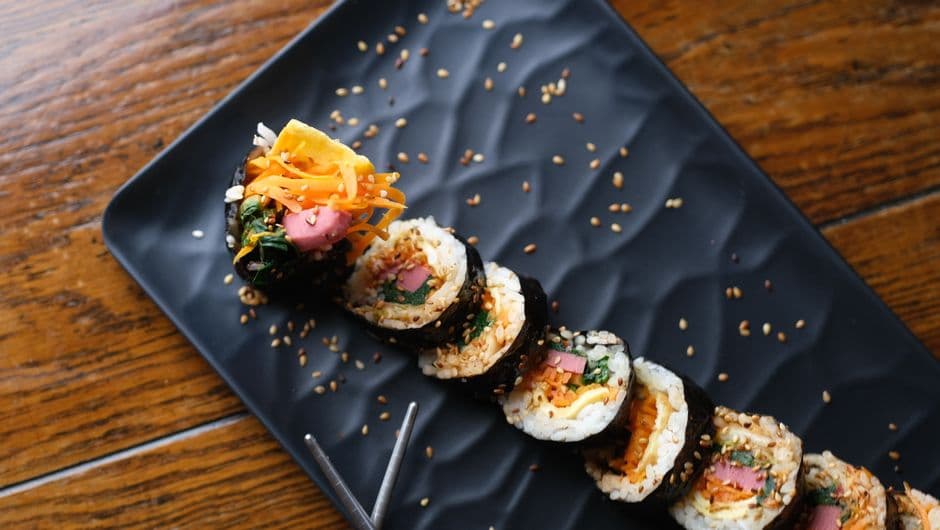
Gimbap — a Korean rolled rice dish with vegetables, eggs, and meat, wrapped in seaweed and served in slices.

Tender chicken stir-fried with gochujang, vegetables and glass noodles in a fiery, deeply savory Korean sauce.

Thick-cut pork belly grilled tableside on a Korean BBQ grill, wrapped in lettuce with garlic, ssamjang and kimchi.

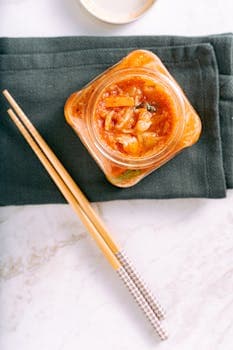
The definitive Korean fermented cabbage kimchi — crisp, funky, fiery and complex — made from scratch with salted napa cabbage, gochugaru and jeotgal.

Crispy-edged, chewy Korean street-food pancakes filled with brown sugar, cinnamon and chopped walnuts — a beloved winter street snack.

Korea's iconic rolled seaweed-and-rice dish filled with seasoned vegetables, egg and protein — the original K-lunch box staple.

Chewy Korean wheat noodles blanketed in a rich, dark chunjang black bean sauce with pork belly and vegetables.

Korea's iconic post-war stew combining gochujang broth with Spam, hot dogs, ramen noodles, beans and kimchi in a fiery communal pot.

Fluffy fried rice wrapped in a silky soft omelette and finished with a tangy ketchup sauce — Korea and Japan's beloved Western-fusion comfort dish.

Crispy, lacy Korean scallion pancakes made with a simple flour-and-egg batter — the archetypal rainy-day Korean street food.

Korea's most iconic bibimbap from its birthplace in Jeonju — served in a stone pot with soybean sprouts, yukhoe (beef tartare) and 30 individually prepared toppings.

Gangwon Province's fiery specialty of fresh small octopus stir-fried with gochujang, garlic and perilla leaves over blistering heat.

Andong's famous braised chicken dish — whole chicken pieces slow-simmered with glass noodles, potatoes and vegetables in a rich soy-based sauce.

A Jinju specialty where whole garlic cloves are roasted until golden and sweet, then stir-fried with pork and vegetables in a savory soy-sesame sauce.

Chuncheon-style dakgangjeong — twice-fried Korean chicken pieces lacquered in a glossy sweet-soy-garlic sauce, the signature street food of Gangwon Province.

Busan's iconic hoedup-bap from Jagalchi Market — a Korean raw fish rice bowl with sashimi, vegetables, gochujang sauce, and sesame oil, tossed tableside.

Tongyeong-style changsuk-juk — a luxuriously silky Korean abalone rice porridge from the South Sea coast, slow-cooked with sesame oil, soy, and the ocean's finest shellfish.

Yeosu-style nakji-bokkeum — fiercely spicy stir-fried small octopus with gochujang, gochugaru, and sesame oil from Korea's scenic South Sea port city.

Authentic Gwangju-style baechu-kimchi — whole napa cabbage fermented with gochugaru, garlic, ginger, and jeotgal, made according to the tradition of Korea's kimchi capital.

Suncheon-style galbijjim — Korean braised beef short ribs slow-cooked in a deeply savory-sweet sauce of soy, pear, garlic, and sesame until the meat slides from the bone.

Rice topped with seasoned vegetables, beef, egg and gochujang sauce.

Seoul Gochujang Chicken Rice Bowl brings korean flavor into a practical home recipe with chicken thighs, gochujang, doenjang, sesame oil and garlic, and a finish of scallions.

Busan Sesame Tofu Soup brings korean flavor into a practical home recipe with white fish, gochujang, doenjang, sesame oil and garlic, and a finish of scallions.

Jeonju Kimchi Mushroom Skillet Dinner brings korean flavor into a practical home recipe with lamb mince, gochujang, doenjang, sesame oil and garlic, and a finish of scallions.

Daegu Soy Garlic Beef Salad brings korean flavor into a practical home recipe with roasted carrots, gochujang, doenjang, sesame oil and garlic, and a finish of scallions.

Gangwon Potato Scallion Dessert brings korean flavor into a practical home recipe with almonds, gochujang, doenjang, sesame oil and garlic, and a finish of scallions.

Seoul Lemon Herb Grain Bowl turns korean pantry flavors into a complete grain bowl with salmon, gochujang, doenjang, sesame oil and garlic, and a fresh scallions finish.

Busan Smoky Tomato Soup turns korean pantry flavors into a complete soup with white fish, gochujang, doenjang, sesame oil and garlic, and a fresh scallions finish.

Jeonju Sesame Lime Stew turns korean pantry flavors into a complete stew with chicken legs, gochujang, doenjang, sesame oil and garlic, and a fresh scallions finish.

Daegu Charred Pepper Noodles turns korean pantry flavors into a complete noodle dish with wheat noodles, gochujang, doenjang, sesame oil and garlic, and a fresh scallions finish.

Gangwon Green Herb Salad turns korean pantry flavors into a complete salad with grilled chicken, gochujang, doenjang, sesame oil and garlic, and a fresh scallions finish.

Gwangju Lemon Herb Flatbread turns korean pantry flavors into a complete flatbread with flatbread dough, gochujang, doenjang, sesame oil and garlic, and a fresh scallions finish.

Incheon Smoky Tomato Traybake turns korean pantry flavors into a complete traybake with sweet potatoes, gochujang, doenjang, sesame oil and garlic, and a fresh scallions finish.

Jeju Sesame Lime Fritters turns korean pantry flavors into a complete fritters with salted fish, gochujang, doenjang, sesame oil and garlic, and a fresh scallions finish.

Andong Charred Pepper Breakfast Plate turns korean pantry flavors into a complete breakfast plate with yogurt, gochujang, doenjang, sesame oil and garlic, and a fresh scallions finish.

Daejeon Green Herb Dessert turns korean pantry flavors into a complete dessert with coconut, gochujang, doenjang, sesame oil and garlic, and a fresh scallions finish.
Korean Market Lemon Herb Rice Bowl brings korean flavor to a practical rice bowl built with chicken thighs, gochujang, doenjang, sesame oil and garlic, and a fresh scallions finish.
Korean Village Smoky Tomato Soup brings korean flavor to a practical soup built with mushrooms, gochujang, doenjang, sesame oil and garlic, and a fresh scallions finish.
Korean Garden Sesame Lime Skillet brings korean flavor to a practical skillet dinner built with cauliflower, gochujang, doenjang, sesame oil and garlic, and a fresh scallions finish.
Korean Harbor Charred Pepper Noodles brings korean flavor to a practical noodle dish built with rice noodles, gochujang, doenjang, sesame oil and garlic, and a fresh scallions finish.
Korean Mountain Green Herb Salad brings korean flavor to a practical salad built with grilled chicken, gochujang, doenjang, sesame oil and garlic, and a fresh scallions finish.
Korean Festival Lemon Herb Flatbread brings korean flavor to a practical flatbread built with flatbread dough, gochujang, doenjang, sesame oil and garlic, and a fresh scallions finish.
Korean Homestyle Smoky Tomato Traybake brings korean flavor to a practical traybake built with sweet potatoes, gochujang, doenjang, sesame oil and garlic, and a fresh scallions finish.
Korean Street Sesame Lime Fritters brings korean flavor to a practical fritters built with salted fish, gochujang, doenjang, sesame oil and garlic, and a fresh scallions finish.
Korean Golden Charred Pepper Breakfast Plate brings korean flavor to a practical breakfast plate built with beans, gochujang, doenjang, sesame oil and garlic, and a fresh scallions finish.
Korean Weeknight Green Herb Dessert brings korean flavor to a practical dessert built with coconut, gochujang, doenjang, sesame oil and garlic, and a fresh scallions finish.
Sweet and savory marinated bulgogi beef served over steamed rice with kimchi and vegetables.
A bubbling, spicy Korean stew of silky soft tofu, gochugaru, and a cracked egg finish.
A hearty, spicy braised chicken skillet with potatoes and carrots in a gochujang sauce.
Thick wheat noodles tossed in a savory-sweet black bean sauce with pork and vegetables.
A crisp, spicy-tangy Korean cucumber salad tossed with gochugaru, garlic, and sesame oil.
Bone-in chicken roasted with a sticky, spicy-sweet gochujang glaze until deeply caramelized.
Crispy, tangy pancakes made from chopped kimchi and a simple flour batter, pan-fried until golden.
A soft, savory Korean rice porridge simmered with vegetables, gentle and comforting for breakfast.
Chewy, soft rice cakes coated in sweet toasted soybean powder, a classic Korean sweet.
A clear, comforting Korean soup of beef and daikon radish simmered in a light garlic broth.
Grilled pork belly wrapped in lettuce with ssamjang, garlic, and rice, a hands-on Korean favorite.
Sweet soy-marinated beef short ribs grilled until caramelized, a Korean barbecue classic.
Zucchini rounds stuffed with a savory beef filling, pan-fried in an egg batter until golden.
A nutty, creamy cold noodle dish made with ground perilla seeds and chilled broth.
Fall-off-the-bone braised short ribs in a sweet soy sauce with carrots, potatoes, and chestnuts.
Simple oven-roasted Korean sweet potatoes with a sesame-soy drizzle, sweet and satisfying.
Pan-fried Korean dumplings packed with pork, kimchi, and glass noodles, crisp on the bottom and juicy inside.
Chewy yeasted griddle pancakes stuffed with a molten brown sugar, cinnamon and walnut filling.
A vibrant bowl of warm rice topped with seasoned vegetables, marinated beef, and a fried egg, mixed with gochujang at the table.
Thinly sliced marinated bulgogi beef piled onto a toasted roll with quick-pickled vegetables and gochujang mayo.
Pan-fried ground beef and pork meatballs braised in a sweet-savory soy and gochujang sauce until glossy and deeply flavorful.
A bubbling, fiery Korean stew of silky soft tofu, gochugaru, and pork or seafood, finished with a raw egg cracked in at the table.
A layered, jelly-roll style Korean omelet with finely diced vegetables, rolled tight and sliced into pinwheels.
A silky, naturally sweet Korean porridge made from steamed kabocha squash, rice flour, and a touch of ginger, topped with chewy rice balls.
Mackerel braised with daikon radish in a spicy-sweet soy and gochugaru sauce until the fish is tender and deeply flavored.
A crispy, tangy Korean pancake made from well-fermented kimchi and a simple batter, fried until golden and served with a soy dipping sauce.
A quick-pickled Korean cucumber salad with garlic, gochugaru, and sesame oil, crisp and refreshingly spicy as a side dish.
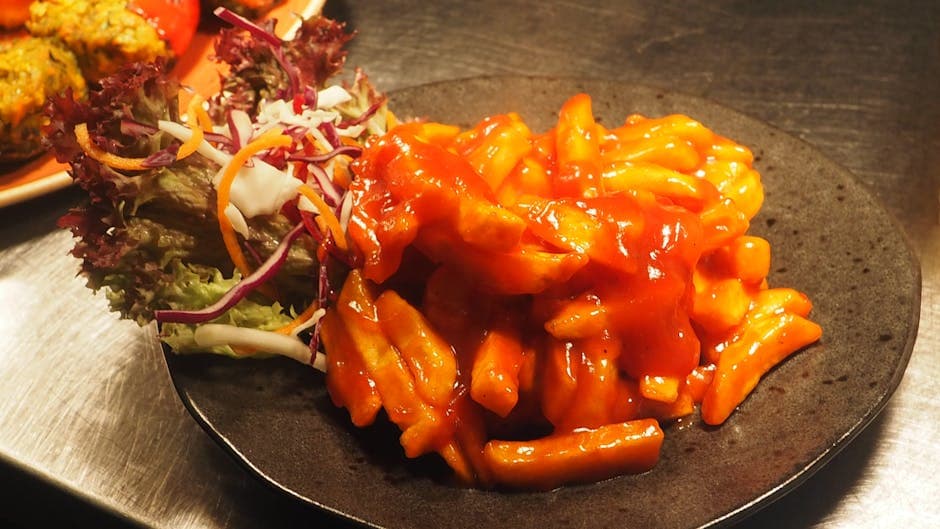
Chewy cylindrical rice cakes simmered in a fiery-sweet gochujang sauce with fish cake and scallions, Korea's most iconic street food.
A clear, savory Korean broth simmered with hand-filled dumplings, egg ribbons, and scallions, a New Year's classic.
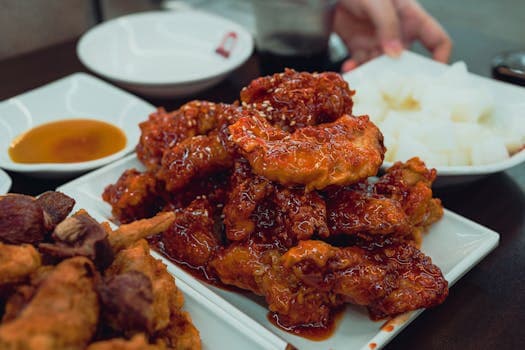
Twice-fried crispy chicken pieces tossed in a sticky, sweet-spicy gochujang glaze with garlic and sesame seeds.
Pan-fried tofu slabs braised in a savory-spicy soy and gochugaru sauce until deeply seasoned and slightly caramelized at the edges.
Deep-fried, honey-soaked Korean cookies made from a sesame oil dough, delicately spiced with ginger and finished with pine nuts.
Smoky, tangy kimchi fried rice with crispy edges, a fried egg on top, and a savory gochujang glaze.
Crispy Korean scallion pancakes packed with black pepper and dipped in a tangy soy vinegar sauce.
A gochujang-glazed paneer grain bowl inspired by bibimbap, built for fast weeknight assembly and easy meal prep.
A quick gochujang shrimp fried rice with sweet peas, built on day-old rice for the best texture.
A doenjang-simmered lentil bowl inspired by Korean stew traditions, hearty enough for a full dinner.
Bell peppers stuffed with gochujang-spiced ground beef and rice, baked until tender and lightly charred.
A baked kimchi and tteok casserole with melted cheese, built on the flavors of Korean kimchi-jjigae.
A juicy beef burger seasoned like bulgogi, topped with quick-pickled cucumber and a gochujang mayo.
A creamy sweet rice pudding finished with toasted soybean powder, inspired by injeolmi rice cakes.
A festive japchae platter with glass noodles, beef and vegetables, the centerpiece of Korean holiday tables.
A comida coreana é conhecida pelo kimchi e pela fermentação, pasta de pimenta gochujang, carnes grelhadas como bulgogi e galbi e banchan – a variedade de pequenos acompanhamentos servidos em todas as refeições. Os sabores exclusivos combinam alho, óleo de gergelim, molho de soja e flocos de pimenta gochugaru. Bibimbap, frango frito coreano e ensopados jjigae borbulhantes são seus produtos de exportação mais reconhecidos.
Grande parte é moderadamente picante - gochugaru e gochujang trazem mais calor do que calor escaldante, equilibrado com açúcar e gergelim. Mas muitos alimentos básicos não contêm pimenta: galbi, bulgogi, japchae, sopa de osso de boi seolleongtang e a maior parte da culinária do templo é suave. Pratos como o buldak (frango ao fogo) são a exceção, deliberadamente extremos e não típicos.
Gochugaru são flocos secos de pimenta vermelha – pimenta pura moída usada em kimchi, ensopados e marinadas. Gochujang é uma pasta fermentada de pimenta em pó, arroz glutinoso, soja fermentada e sal, conferindo-lhe doçura e umami profundo junto com o calor. Eles não são intercambiáveis: gochugaru adiciona calor e cor limpos, gochujang adiciona corpo, doçura e profundidade saborosa.
Kimchi-jjigae é o ponto de partida clássico: kimchi envelhecido cozido com carne de porco e tofu, quase infalível. Bulgogi requer apenas uma marinada de soja, pêra, alho e gergelim no liquidificador antes de uma selagem rápida. Arroz frito Kimchi e japchae seguem facilmente. Todos os quatro usam a mesma pequena lista de compras de molho de soja, óleo de gergelim, alho e kimchi.
Cinco itens fazem a maior parte do trabalho: gochujang, gochugaru, molho de soja (ganjang), óleo de gergelim torrado e pasta de soja doenjang. Adicione arroz de grão curto, alho, cebolinha, sementes de gergelim torradas e um pote de kimchi. Xarope de arroz ou açúcar equilibra o calor, e anchovas secas e algas marinhas constituem a base do caldo para a maioria das sopas e ensopados.