
NovoJantar
Tafelspitz
O prato mais elegante de Viena — carne bovina nobre cozida em um caldo aromático de legumes até ficar macia e sedosa, servida com espinafre cremoso, rösti e molho de maçã com raiz-forte.
200 min380 kcalMédio
★4.7(821)
Wiener schnitzel, Tafelspitz, Kaiserschmarrn – culinária refinada da Europa Central.
Mais receitas construídas em torno dos mesmos ingredientes principais.
Acompanhe o que você come
Fotografe sua refeição para registrar calorias e macros, use timers de jejum e acompanhe sua água no app gratuito SnapCal.
Planeje suas refeições, acompanhe seu jejum e crie sua lista de compras — grátis
O painel do MyCookingCalendar funciona direto no seu navegador, sem precisar baixar nada.
Cozinha alemã e austríaca: 28 receitas tradicionais
Explore a saudável culinária alemã e austríaca com 28 receitas tradicionais, de pães a schnitzel e strudel.
8 Receitas para Usar as Claras de Ovo Que Sobraram
Fez um creme, um carbonara ou um lemon curd e agora tem uma tigela de claras sem destino? Oito receitas reais — merengue, macarons, pavlova, uma omelete — construídas especificamente em torno das claras de ovo.
8 Receitas para Usar o Purê de Batata Que Sobrou
Fez purê demais para o jantar? Oito receitas reais — shepherd's pie, colcannon, boxty, dumplings recheados de batata — que na verdade são construídas em torno de batata já amassada.
O prato mais elegante de Viena — carne bovina nobre cozida em um caldo aromático de legumes até ficar macia e sedosa, servida com espinafre cremoso, rösti e molho de maçã com raiz-forte.
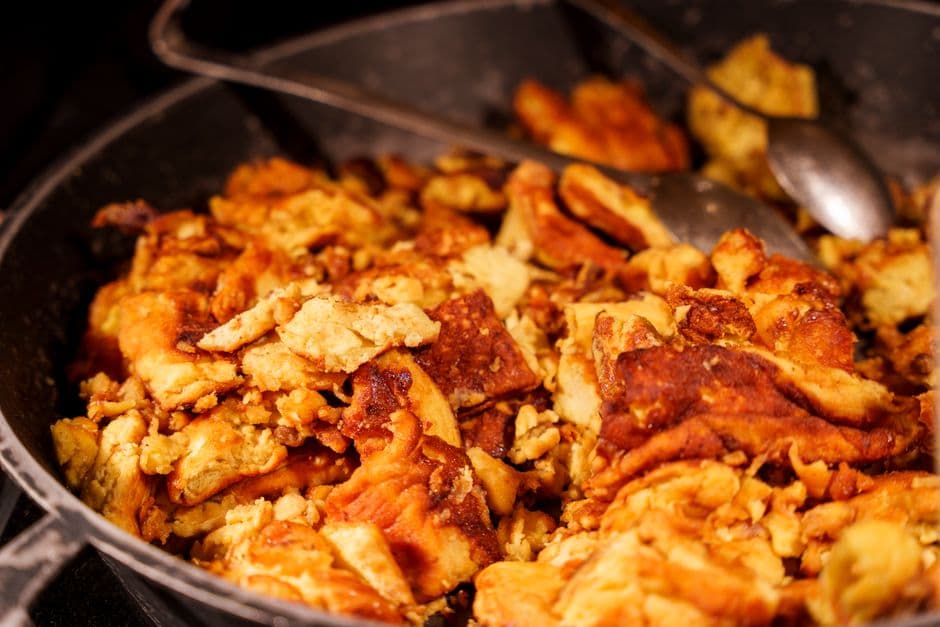
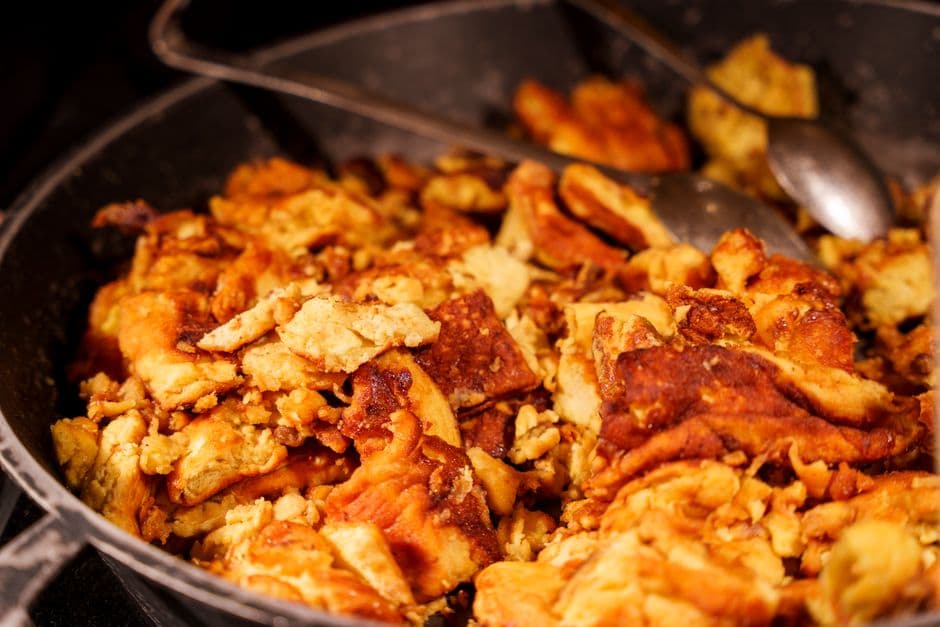
A panqueca imperial rasgada da Áustria — uma panqueca dourada, aerada e embebida em rum, despedaçada e polvilhada com açúcar de confeiteiro e servida com compota quente de ameixa.

Uma panqueca espessa, rasgada e caramelizada com passas, polvilhada em açúcar de confeiteiros e servida com compota de ameixa — sobremesa mais amada da Áustria com história real.

Massa esticada à mão fininha como papel recheada com maçãs temperadas, uvas passas e migalhas de pão — a joia da coroa da pastelaria vienense.

Um caldo rico, profundamente temperado com páprica que define a culinária de cafeteria vienense — mais escuro, mais sedoso e mais rico que seu primo húngaro.

O Wiener Schnitzel definitivo — escalope de vitela revestido em apenas farinha, ovo e miolo de pão depois frito em panela em manteiga clarificada até o empanado inchar e se separar da carne.
O prato mais icônico da Áustria — vitela batida até ficar incrivelmente fina, empanada e frita em manteiga clarificada até dourar e ficar fofa.
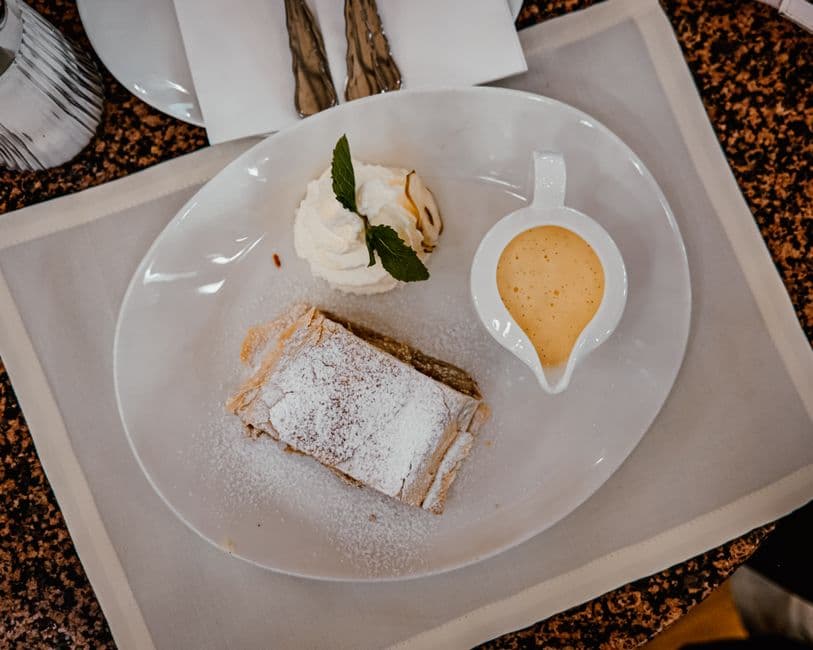
O clássico strudel de maçã vienense — massa finíssima recheada com maçãs com canela, passas e nozes.

A famosa carne madura vienense coberta com uma montanha de anéis de cebola frita crocante em um rico molho de carne.

O bolo mais elegante de Viena — camadas de merengue de avelã-amêndoa intercaladas com creme de manteiga de rum, coberto com fondant.
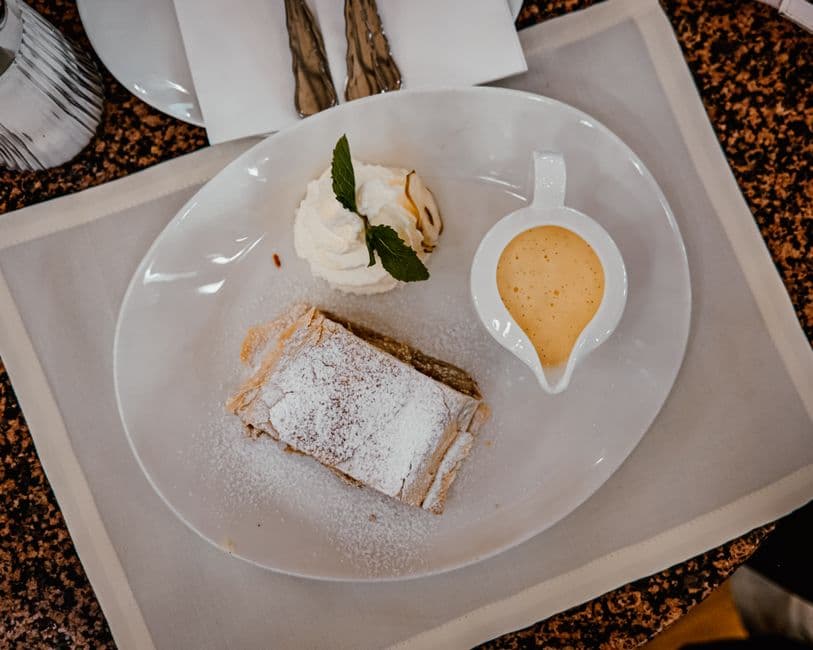
A amada carne cozida vienense com ossos de medula, servida com molho de maçã-rábano picante e molho de cebolinha.
Três bolinhas de soufflé douradas representando as montanhas ao redor de Salzburgo — o sobremesa mais dramática da Áustria.
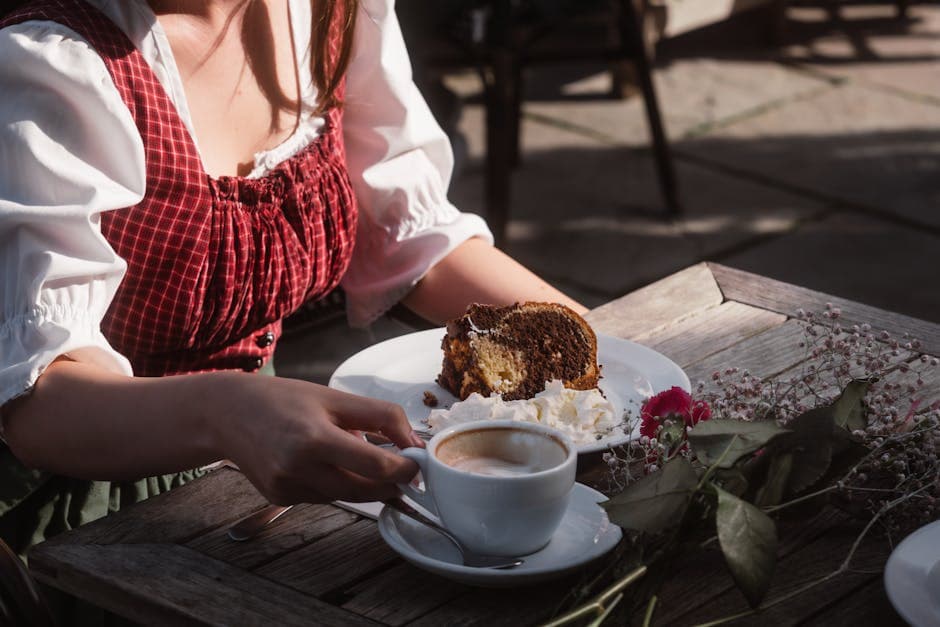
Caldo de batata austríaco com páprica, cebolas e salsichas frankfurt — um prato vienense substancial e sem carne para noites entre semana.
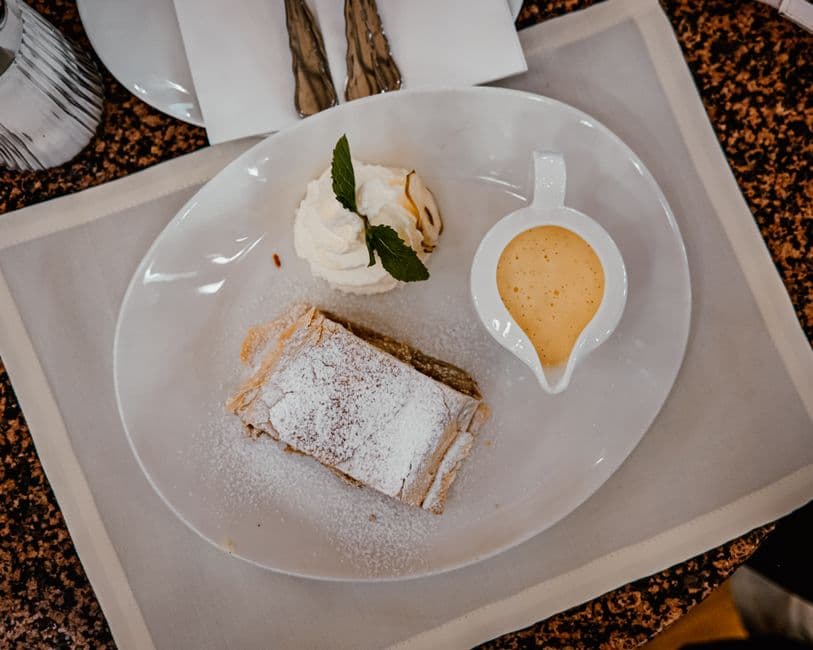
Strudel de queijo creme austríaco com passas e baunilha em massa folhada fina como papel — um clássico da cafeteria vienense.
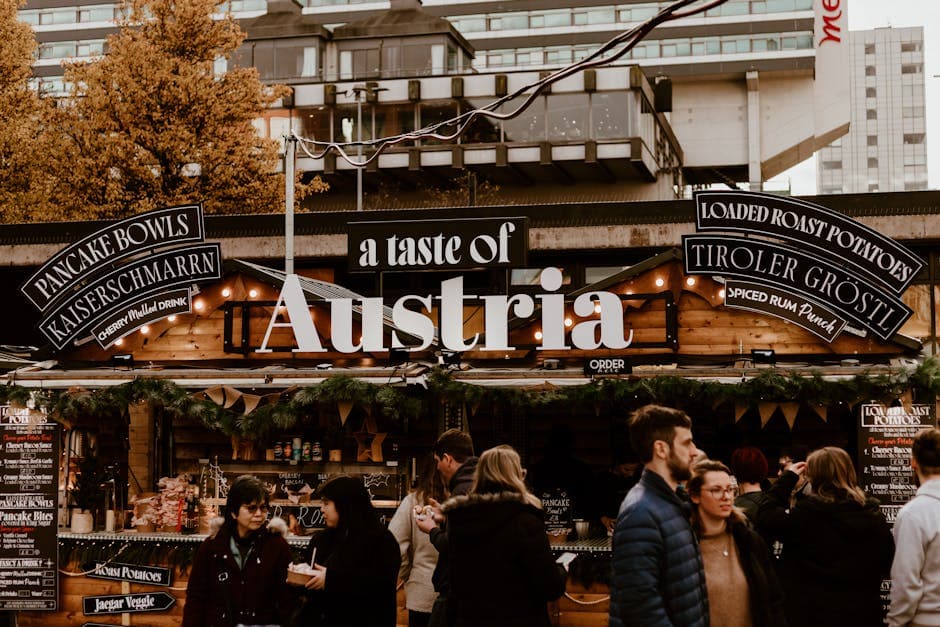
O schnit de vitela mais famoso da Áustria — batido fino, empanado, frito em manteiga, servido com batatas de limão e salsa.
A Tigela de Arroz com Ervas e Limão do Mercado Austríaco traz o sabor austríaco a uma prática tigela de arroz feita com coxas de frango, manteiga, sementes de papoula, maçãs e pão ralado, e um final de cebolinha fresca.
A Sopa de Tomate Fumado da Vila Austríaca traz o sabor austríaco a uma sopa prática feita com cogumelos, manteiga, sementes de papoula, maçãs e pão ralado, e um final de cebolinha fresca.
A frigideira austríaca com gergelim e limão traz o sabor austríaco a um prático jantar de frigideira feito com couve-flor, manteiga, sementes de papoula, maçãs e pão ralado, e um final de cebolinha fresca.
O macarrão de pimenta carbonizada do porto austríaco traz o sabor austríaco a um prático prato de macarrão feito com macarrão de arroz, manteiga, sementes de papoula, maçãs e pão ralado, e um final de cebolinha fresca.
A Salada Austríaca de Ervas Verdes da Montanha traz o sabor austríaco a uma salada prática feita com frango grelhado, manteiga, sementes de papoula, maçãs e pão ralado, e um final de cebolinha fresca.
O pão achatado com ervas e limão do Festival Austríaco traz o sabor austríaco a um pão achatado prático feito com massa de pão achatado, manteiga, sementes de papoula, maçãs e pão ralado, e um final de cebolinha fresca.
O Traybake de tomate esfumaçado caseiro austríaco traz o sabor austríaco a um prático assado feito com batata-doce, manteiga, sementes de papoula, maçãs e pão ralado, e um final de cebolinha fresca.
Os bolinhos austríacos de gergelim e limão trazem o sabor austríaco a um prático bolinho feito com peixe salgado, manteiga, sementes de papoula, maçãs e pão ralado, e um final de cebolinha fresca.
O prato de café da manhã com pimenta dourada austríaca traz o sabor austríaco a um prático prato de café da manhã feito com feijão, manteiga, sementes de papoula, maçãs e pão ralado, e um final de cebolinha fresca.
A sobremesa austríaca de ervas verdes durante a semana traz o sabor austríaco a uma sobremesa prática feita com coco, manteiga, sementes de papoula, maçãs e pão ralado, e um final de cebolinha fresca.
Um saboroso ensopado de carne refogada com páprica e uma montanha de cebolas caramelizadas, mais espesso e menos picante que seu primo húngaro.
Bolinhos de meia-lua recheados com uma mistura picante de queijo, batata e hortelã, fervidos e servidos com manteiga dourada.
Um denso pão-de-ló de chocolate coberto com geleia de damasco e coberto com uma cobertura brilhante de chocolate amargo, o bolo mais famoso de Viena.
Um clássico goulash de carne vienense coberto com ovo frito, salsicha fatiada e pepino em conserva picante.
Um caldo de carne claro com bolinhos de sêmola macios e macios, um primeiro prato simples e reconfortante da comida caseira austríaca.
Batatas quentes em fatias finas temperadas com caldo picante, vinagre e molho de mostarda, o clássico companheiro austríaco do schnitzel.
Damascos frescos inteiros embrulhados em massa de batata mole ou requeijão, fervidos e depois enrolados em pão ralado amanteigado de canela.
Um bife grelhado coberto com uma montanha de cebolas fritas crocantes, um clássico dos restaurantes vienenses.
Pãezinhos macios e macios com fermento, assados juntos e recheados com geléia de damasco ou ameixa, pincelados com manteiga, uma delícia austríaca adorada na hora do chá.
Uma casca de massa de amêndoa moída e avelã quebradiça e temperada, recheada com geléia azeda de groselha e coberta com uma crosta treliça.
Pão de centeio coberto com pasta de queijo temperada com páprica salpicada de cominho e cebola - um lanche adorado de taverna austríaca, o liptauer.
Pedaços rasgados de panqueca caramelizada assada com creme até dourar - uma versão estilo pudim de pão do amado kaiserschmarrn da Áustria.
Deliciosos hambúrgueres de carne bovina e suína temperados com manjerona e pimenta-do-reino, fritos na frigideira até dourar - o fleischlaberl diário da Áustria.
Uma farta sopa de feijão cozida com linguiça defumada e um toque de calor de páprica - um ensopado de fazenda austríaco quente.
Uma omelete macia e dobrada recheada com uma mistura generosa de ervas frescas do jardim e um toque de creme de leite – um café da manhã austríaco simples e refinado.
Bolinhos de sêmola leves e fofos cozidos em caldo de carne claro com cebolinha fresca - uma adorada sopa austríaca, grießnockerlsuppe.
Truta inteira assada e finalizada com manteiga de nozes e amêndoas torradas - um prato de peixe alpino austríaco, adaptado ao estilo forelle blau.
Crepes finos e delicados recheados com açúcar e um pouco de limão fresco, enrolados e polvilhados com açúcar de confeiteiro – o adorado palatschinken da Áustria.
Batatas fatiadas quentes temperadas com vinagre picante e molho de mostarda com cebolinha - a clássica salada de batata sem maionese da Áustria, erdäpfelsalat.
Um frango inteiro esfregado com manjerona, alho e pimenta-do-reino e assado até dourar profundamente - um jantar austríaco simples de domingo.
Pimentões assados, cebola e batatas assadas com páprica quente e tempero de cominho - um farto acompanhamento de vegetais austríaco.
Biscoitos amanteigados de amêndoa enrolados em açúcar de baunilha - o querido biscoito de Natal da Áustria, vanillekipferl.
Pedaços de panqueca austríaca caramelizados e rasgados, iluminados com raspas de limão e ervas frescas, polvilhados com açúcar de confeiteiro.
Uma farta tigela de cevada austríaca com alho assado, cogumelos e queijo alpino derretido.
Peixe do lago alpino grelhado na frigideira sobre arroz amanteigado com pimenta, finalizado com um pouco de limão e endro fresco.
Uma picante salada de lentilha austríaca com limão, vinagrete de mostarda, cebola roxa e ervas frescas, servida quente ou em temperatura ambiente.
Clássicos pimentões recheados austríacos recheados com arroz, carne moída e alho assado, cozidos em leve molho de tomate.
Uma cremosa caçarola de frango com páprica austríaca e pimentão, assada com creme de leite light e acabamento de limão.
Um schnitzel de porco empanado crocante servido em estilo hambúrguer com limão brilhante e molho de ervas frescas.
Um pudim de semolina austríaco quente, levemente temperado com pimenta moída, coberto com uma compota azeda de limão e frutas vermelhas.
Um prato festivo de ganso assado austríaco com repolho roxo e batatas assadas douradas com açafrão crocante.
A cozinha austríaca é a cozinha de um império. A Viena dos Habsburgos absorveu pratos da Hungria (gulasch), da Boêmia (bolinhos knödel e powidl), dos Bálcãs (reisfleisch de estilo sérvio) e de outros lugares, refinando-os no Wiener Küche – uma das poucas cozinhas com o nome de uma cidade. Wiener schnitzel é a sua bandeira: uma costeleta de vitela bem fininha, empanada com farinha, ovo e migalhas finas, frita em manteiga clarificada até a crosta se afastar da carne, servida com salada de limão e batata temperada com caldo e vinagre, nunca creme.
A carne bovina tem um prestígio incomum. Tafelspitz – carne cozida de um corte específico, servida com molho de maçã e cebolinha e batatas estilo rösti – era o prato favorito do imperador Franz Joseph e continua sendo o prato definidor de Viena. Ao seu redor há uma saudável camada alpina: Tiroler gröstl (frigideira com bacon e batata com ovo frito), frango frito da Estíria com saladas de óleo de semente de abóbora e Käsespätzle nas províncias ocidentais. O fiakergulasch rico em páprica, servido com linguiça e ovo frito, mostra a herança húngara totalmente naturalizada.
Nenhuma tradição supera os Mehlspeisen – os doces austríacos à base de farinha que confundem a sobremesa e o prato principal. Apfelstrudel exige massa esticada até que o jornal possa ser lido; Sachertorte (bolo de chocolate com geléia de damasco, nascido de uma improvisação de cozinha de Franz Sacher em 1832) desencadeou uma famosa batalha legal pela autenticidade; Kaiserschmarrn, panqueca caramelizada desfiada com compota de ameixa, era o homônimo do imperador. A cultura dos cafés vienenses, tombada pela UNESCO, emoldura tudo com melange e mesas de mármore.
Schnitzel de Viena
Vitela bem triturada, empanada e frita em manteiga clarificada para que a crosta fique inchada - pela lei austríaca, apenas as versões de vitela podem levar o nome.
Tafelspitz e carne cozida
A tradição imperial da carne bovina de Viena: tafelspitz cozido com raízes, servido com maçã, raiz-forte e molho de cebolinha.
Mehlspeisen
O cânone dos doces de farinha – apfelstrudel, Kaiserschmarrn, palatschinken, Sachertorte – onde as sobremesas podem legitimamente ser o jantar.
Cultura Knödel
Bolinhos herdados da Boêmia em todos os registros: pão semmelknödel ao lado de assados, knödel tiroleano recheado com salgadinhos, marillenknödel de damasco para sobremesa.
Gulasch, estilo vienense
Gulyás húngaros naturalizados em um ensopado grosso de carne com cebola e páprica, servido como fiakergulasch com linguiça, ovo frito e pepino.
Tradição da cafeteria
Os cafés vienenses listados pela UNESCO servem melange e einspänner com strudel e torta – instituições de persistência, não de comida para viagem.
O Wiener Schnitzel lidera, seguido pela carne cozida Tafelspitz, gulasch, bolinhos de pão, Käsespätzle e uma tradição de sobremesa excepcional: apfelstrudel, Sachertorte, Kaiserschmarrn e Salzburger nockerl. A cultura vienense dos cafés – melange, einspänner, mesas de mármore, jornais – é reconhecida pela UNESCO. A culinária combina heranças húngaras, boêmias, italianas e balcânicas refinadas na Viena imperial.
Eles compartilham schnitzel, bolinhos, salsicha e cerveja, mas a culinária austríaca é a herdeira mais cosmopolita do império dos Habsburgos: páprica gulasch da Hungria, knödel e powidl da Boêmia e uma cultura de sobremesas muito mais profunda (Mehlspeisen). O Wiener schnitzel deve ser de vitela, enquanto o schweineschnitzel alemão é de porco. A Áustria também prefere pratos de carne cozida, como o Tafelspitz, raro nos cardápios alemães, e o óleo de semente de abóbora na Estíria.
Vitela — na Áustria o nome «Wiener schnitzel» está legalmente protegido e só pode descrever uma costeleta de vitela à milanesa. A mesma preparação com carne de porco deve ser rotulada como 'Schnitzel Wiener Art' (estilo vienense). As marcas registradas são uma costeleta fina e uniformemente triturada, um empanado leve que se afasta da carne (soufflieren) e frita em bastante manteiga clarificada, servida simplesmente com limão.
Kaiserschmarrn é indulgente e rápido: uma massa grossa de panqueca com passas, cozida na manteiga, rasgada em pedaços, caramelizada com açúcar e servida com compota de ameixa (zwetschkenröster). Para salgados, experimente o Tiroler gröstl – batatas fritas, cebolas e bacon coberto com ovo frito. O próprio Schnitzel também é adequado para iniciantes se você mantiver o óleo quente e a costeleta fina.
Em 1832, o aprendiz Franz Sacher, de dezesseis anos, improvisou um denso bolo de chocolate com geléia de damasco e cobertura de chocolate quando seu chefe de cozinha adoeceu antes de um banquete para o príncipe Metternich. Mais tarde, seu filho fundou o Hotel Sacher, e uma batalha judicial de décadas com a confeitaria Demel sobre o título "original" terminou em 1963 - o Hotel Sacher ganhou o direito ao selo, enquanto Demel vende sua própria versão.
Calculadoras e conversores que acompanham esta página — sem cadastro.