

Novodinner
Sinigang na Baboy (Filipino Sour Pork Soup)
The Philippines' beloved sour tamarind soup — pork ribs with vegetables in a bright, tangy tamarind broth. Refreshing, comforting and deeply Filipino.
75 min360 calEasy
★4.8(1,000)
Adobo, sinigang, lechon – culinária insular ousada, azeda e profundamente saborosa.
A culinária filipina reflete a posição das Filipinas como uma encruzilhada: bases malaias de arroz, coco e peixe; séculos de comércio com a China que trouxe macarrão (pancit), molho de soja e rolinhos primavera lumpia; 333 anos de domínio espanhol que deixou o nome do refogado de vinagre do adobo, ensopados à base de tomate, como afritada e menudo, e peças centrais de festa, como leitão assado; e a influência americana visível no espaguete doce e no ketchup de banana. A assinatura da culinária é o contraste ousado – azedo, salgado, doce e descolado em colisão deliberada, em vez de equilíbrio suave.
A acidez (asim) é o sabor que define. Sinigang, a sopa de carne de porco ou camarão com legumes e tamarindo, é um forte candidato ao prato nacional ao lado do adobo – carne refogada em vinagre, molho de soja, alho, pimenta preta e louro, um prato com tantas versões quanto as famílias. Os agentes acidificantes variam de acordo com a região: limão calamansi, manga verde, fruta batuan nos Visayas, kamias. Temperos fermentados - molho de peixe patis e pasta de camarão bagoong - fornecem sal e profundidade, este último combinado com manga verde azeda ou misturado com guisado de amendoim de rabada kare-kare.
A comida caseira é baseada no arroz - o arroz frito com alho (sinangag) ancora os pratos de café da manhã silog cobertos com ovo e carnes curadas como tocino ou longganisa. As tradições regionais são profundas: Bicol cozinha com leite de coco e pimenta (laing, Bicol express), Pampanga é considerada a capital culinária e Ilocos prefere pratos de vegetais amargos e bagoong-forward, como o pinakbet. Celebração significa lechon com pele crocante, pancit para uma vida longa e halo-halo – gelo raspado coberto com feijão doce, frutas, pudim de leite e sorvete ube.
Refogado de Adobo e Vinagre
A carne cozida em vinagre, molho de soja, alho e pimenta é o prato nacional de facto, com inúmeras versões regionais e familiares.
Azedume (Asim)
Tamarindo, calamansi, manga verde e kamias azedam as sopas e ensopados – sobretudo sinigang – que definem o paladar filipino.
Patis e Bagoong
Molho de peixe e pasta de camarão fermentada proporcionam sal e profundidade descolada, temperando tudo, desde kare-kare até salgadinhos de manga verde.
Cultura de Arroz e Silog
O arroz cozido no vapor em todas as refeições e o arroz frito com alho no café da manhã (tapsilog, longsilog) fazem do arroz o núcleo estrutural da culinária.
Comida Lechon e Fiesta
Porco assado inteiro com pele crocante é a manchete das celebrações, acompanhado de macarrão pancit para longa vida e rolinhos primavera lumpia.
Doces de Coco e Ube
Pratos salgados com leite de coco da Bicol e um cânone de sobremesa de halo-halo, pudim de leite e ube roxo definem o registro rico em doces.
Cozinhe com as mãos livres
Tenha planos de refeição com IA, modo de cozinha passo a passo e suas receitas salvas no app gratuito Bento.
Planeje suas refeições, acompanhe seu jejum e crie sua lista de compras — grátis
O painel do MyCookingCalendar funciona direto no seu navegador, sem precisar baixar nada.
The Philippines' beloved sour tamarind soup — pork ribs with vegetables in a bright, tangy tamarind broth. Refreshing, comforting and deeply Filipino.
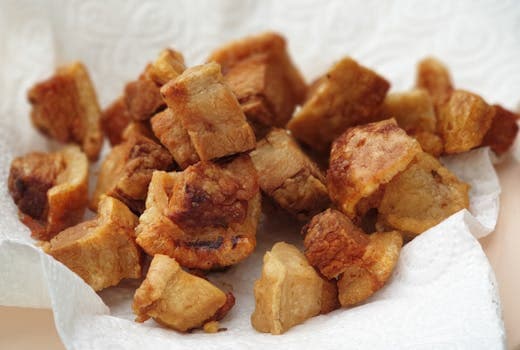
The Filipino answer to crispy pork — boiled then deep-fried pork belly until the skin shatters like glass, served with liver sauce and rice.

A magnificent Filipino braise of oxtail, tripe, and vegetables in a rich, creamy peanut and annatto sauce, served with the essential fermented shrimp paste (bagoong).
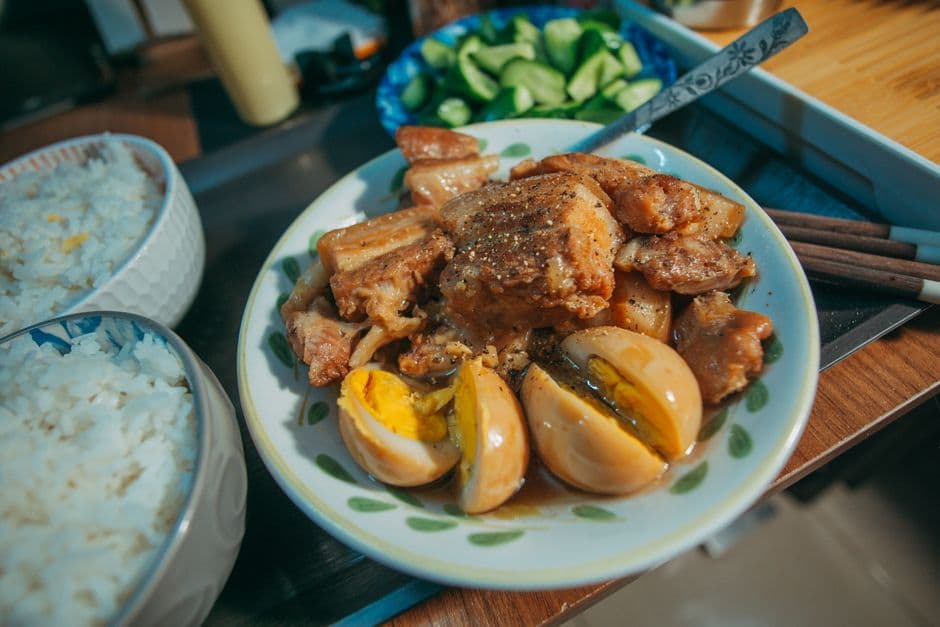
Tender chicken braised in a tangy, garlicky soy-vinegar sauce until the meat falls from the bone and the sauce reduces to a rich, glossy glaze — the unofficial national dish of the Philippines.

Sour tamarind broth loaded with tender pork ribs, crisp vegetables and fresh greens — the quintessential Filipino comfort soup with its signature tart, savoury depth.

Crispy, crackling pork belly stuffed with lemongrass, garlic and bay leaves, slow-roasted until the skin shatters — a home-kitchen version of the Philippines' most festive dish.

Crispy, chewy pork face and belly served sizzling on a cast-iron plate with onions, chilli, calamansi and egg — Pampanga's most famous creation and one of the world's great bar foods.

Filipino stir-fried wheat noodles with pork, shrimp, vegetables and a savoury soy-oyster sauce — the birthday dish synonymous with long life.

The Philippines' most beloved frozen dessert: shaved ice over sweet beans, jellies, fruits and jackfruit, topped with ube ice cream, leche flan and evaporated milk.

Thin-sliced beef simmered in soy sauce, calamansi juice and caramelised onion rings — the Filipino answer to beef steak, tangy, savoury and deeply comforting.
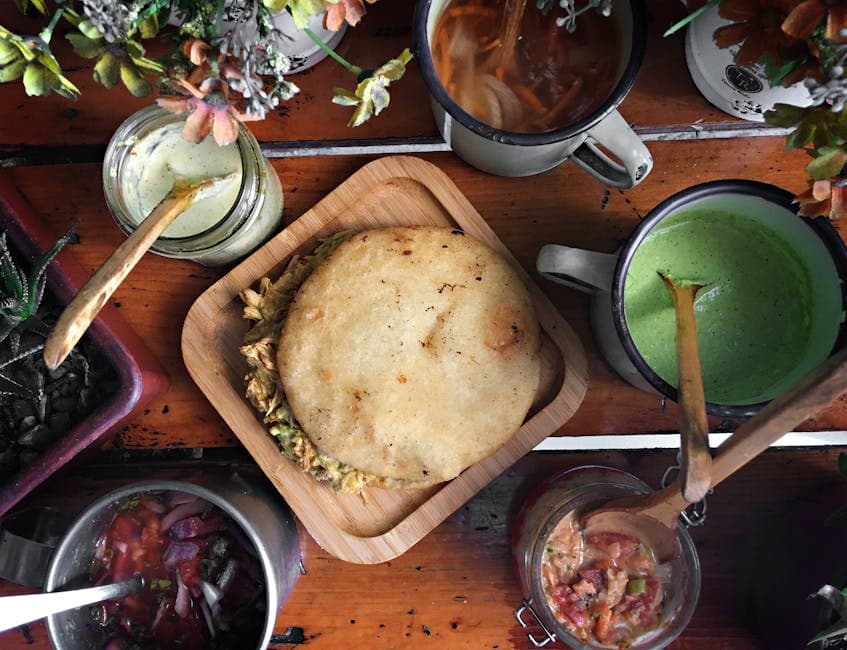
A Filipino adobo with coconut milk — chicken braised in vinegar, soy sauce, and garlic, then enriched at the end with creamy coconut milk for a richer, milder version.

A classic Filipino sour tamarind soup with milkfish — the national fish of the Philippines — simmered in a bright, tart broth with tomatoes, green chili, and leafy vegetables.
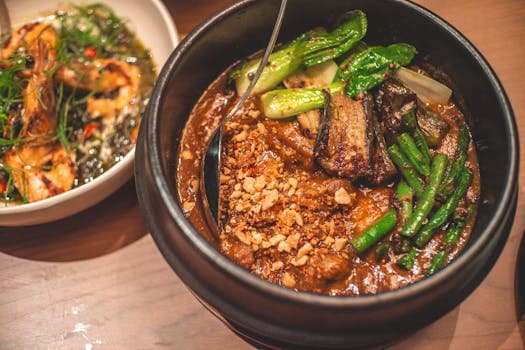
A rich Filipino oxtail and peanut sauce stew — slow-braised until meltingly tender in a thick, golden peanut and annatto sauce, served with bagoong shrimp paste on the side.
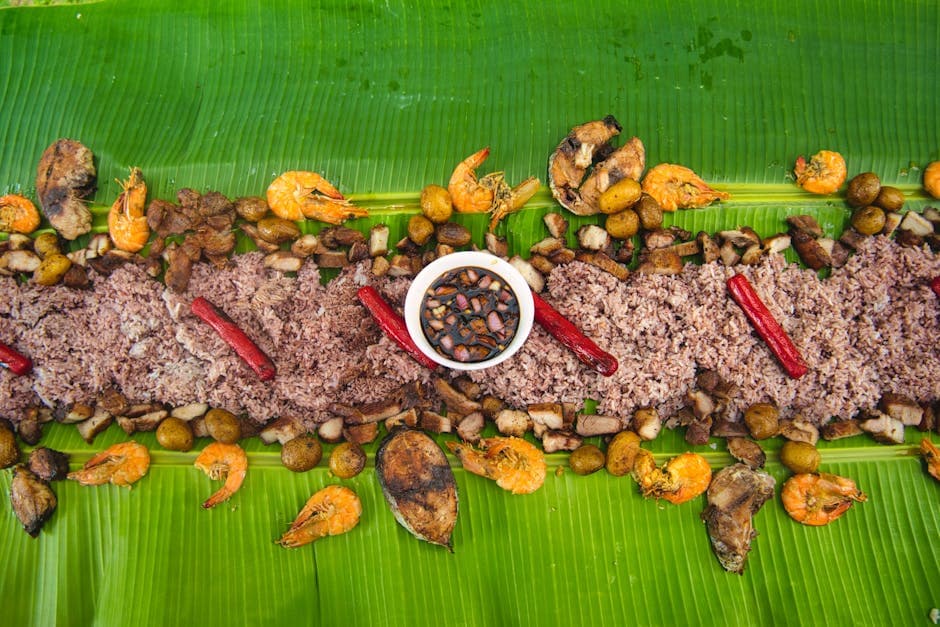
A fiery Filipino pork and coconut milk stew from the Bicol region — tender pork cooked with chilies, shrimp paste, and coconut milk until the sauce is rich and intensely spicy.

A celebratory Filipino stew of oxtail and vegetables in a rich, golden peanut sauce, always served with shrimp paste (bagoong) on the side.

A Bicolano dish of dried taro leaves simmered in rich coconut milk with pork, shrimps, and fiery bird's eye chillies — intensely flavourful.
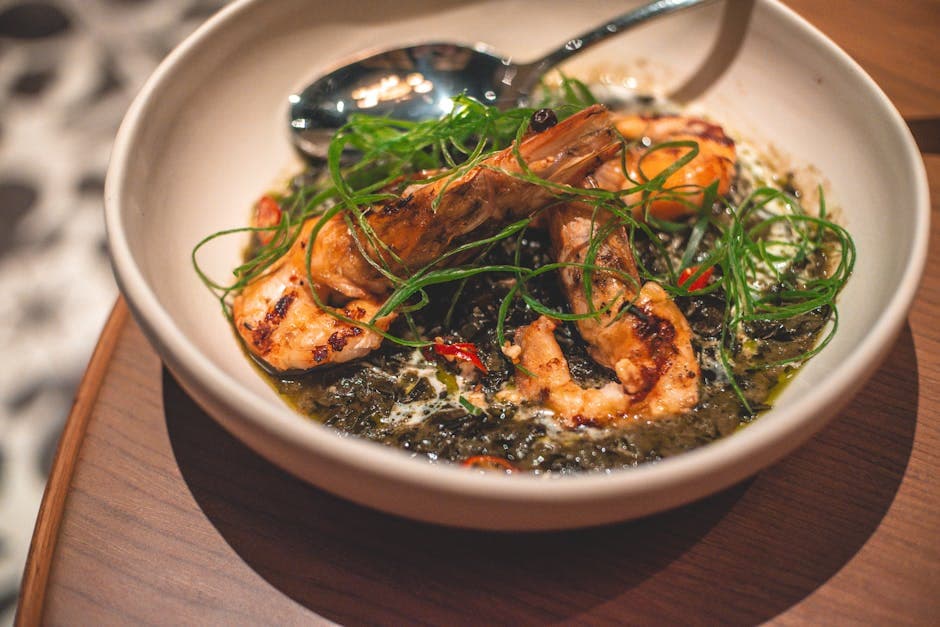
Iloilo's iconic pork noodle soup — rich pork broth with fresh egg noodles, liver, crushed chicharon (pork crackling), garlic, and spring onions.
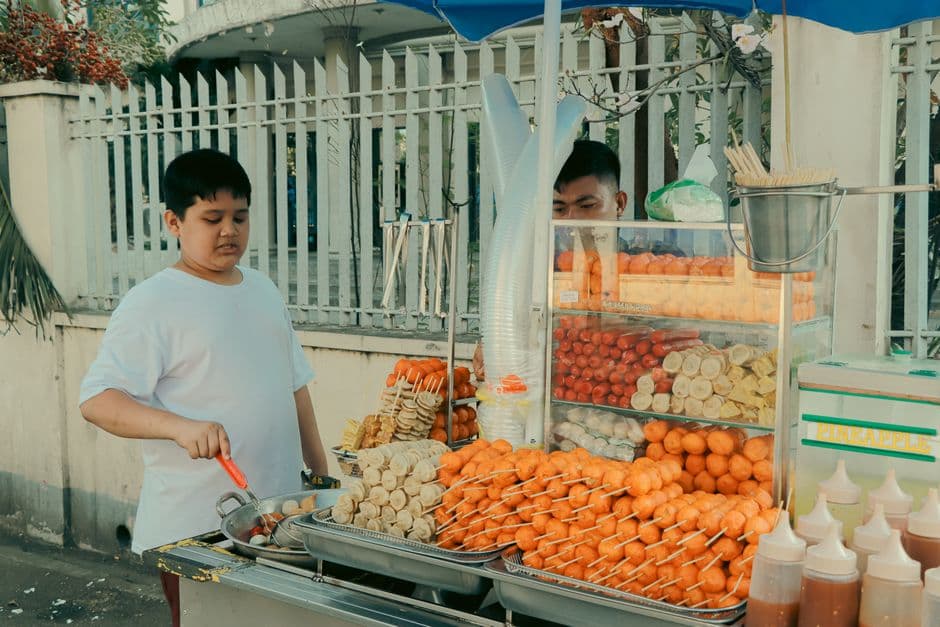
Filipino beef steak — thin slices of beef sirloin braised in a bold soy-calamansi marinade, topped with crispy caramelised onion rings.

A festive Filipino noodle dish — thin rice noodles topped with a golden shrimp-and-pork sauce, crushed chicharon, shrimps, eggs, and spring onions.
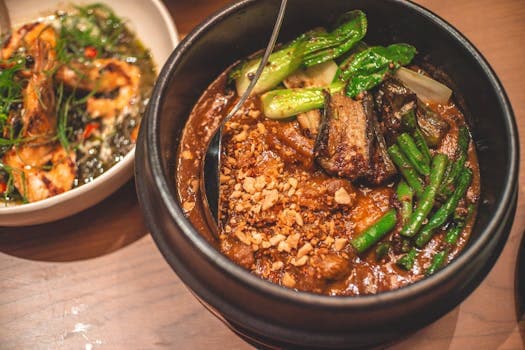
Pork belly braised in vinegar, soy, garlic and bay leaves until lacquered and meltingly tender — the Philippines' national dish, refined.

Filipino twice-cooked pork belly — simmered until tender, then deep-fried for blistered crackling skin.
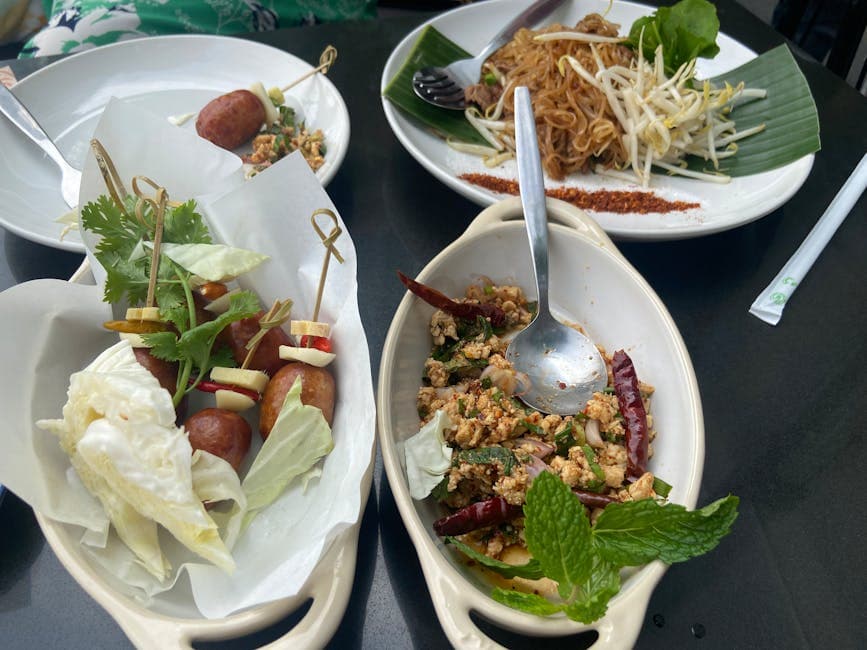
The Philippines' grand fiesta stew — slow-braised oxtail and tripe in a thick golden peanut and toasted-rice sauce, served with bok choy, eggplant, long beans and a side of pungent shrimp paste.

The Philippines' national comfort soup — pork ribs and vegetables in a clear sour tamarind broth that wakes you up in three bites.

Slow-simmered pork belly in coconut milk, shrimp paste and an arsenal of long green chiles — the Bicol region's fierce, creamy national dish.
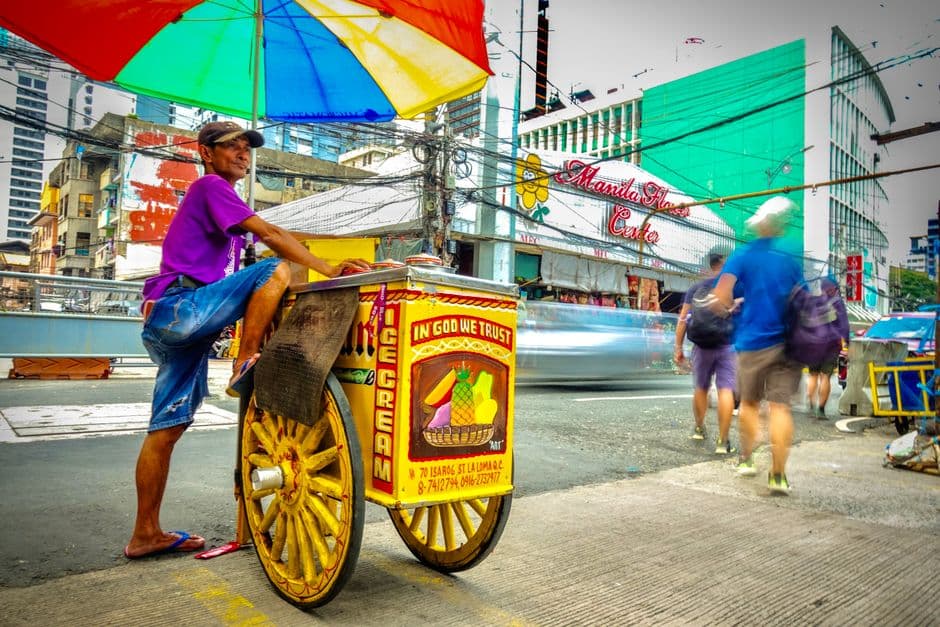
The Philippines' beloved hot-weather dessert — shaved ice layered over sweetened beans, jellies, fruit, leche flan, ube ice cream, and a final crown of pinipig.

A creamy, comforting Filipino noodle soup with egg, vegetables, and cornstarch thickening — street food and home comfort in one bowl.

Golden, crispy stir-fried egg noodles with vegetables and meat — a Filipino party favorite.

Filipino crispy ground pork spring rolls, thin and golden — the addictive party appetizer everyone requests, best served with sweet chili sauce.

Filipino leche flan made with egg yolks, condensed and evaporated milk, and amber caramel — denser and silkier than a classic crème caramel.

Filipino stir-fried rice noodles with chicken, shrimp, and vegetables — birthday party essential.

Manila Lemon Herb Grain Bowl turns filipino pantry flavors into a complete grain bowl with salmon, soy sauce, vinegar, calamansi and garlic, and a fresh scallions finish.

Cebu Smoky Tomato Soup turns filipino pantry flavors into a complete soup with white fish, soy sauce, vinegar, calamansi and garlic, and a fresh scallions finish.

Bicol Sesame Lime Stew turns filipino pantry flavors into a complete stew with chicken legs, soy sauce, vinegar, calamansi and garlic, and a fresh scallions finish.

Ilocos Charred Pepper Noodles turns filipino pantry flavors into a complete noodle dish with wheat noodles, soy sauce, vinegar, calamansi and garlic, and a fresh scallions finish.

Visayan Green Herb Salad turns filipino pantry flavors into a complete salad with grilled chicken, soy sauce, vinegar, calamansi and garlic, and a fresh scallions finish.

Davao Lemon Herb Flatbread turns filipino pantry flavors into a complete flatbread with flatbread dough, soy sauce, vinegar, calamansi and garlic, and a fresh scallions finish.

Pampanga Smoky Tomato Traybake turns filipino pantry flavors into a complete traybake with sweet potatoes, soy sauce, vinegar, calamansi and garlic, and a fresh scallions finish.

Tagalog Sesame Lime Fritters turns filipino pantry flavors into a complete fritters with salted fish, soy sauce, vinegar, calamansi and garlic, and a fresh scallions finish.

Iloilo Charred Pepper Breakfast Plate turns filipino pantry flavors into a complete breakfast plate with yogurt, soy sauce, vinegar, calamansi and garlic, and a fresh scallions finish.

Luzon Green Herb Dessert turns filipino pantry flavors into a complete dessert with coconut, soy sauce, vinegar, calamansi and garlic, and a fresh scallions finish.
Filipino Market Lemon Herb Rice Bowl brings filipino flavor to a practical rice bowl built with chicken thighs, soy sauce, vinegar, calamansi and garlic, and a fresh scallions finish.
Filipino Village Smoky Tomato Soup brings filipino flavor to a practical soup built with mushrooms, soy sauce, vinegar, calamansi and garlic, and a fresh scallions finish.
Filipino Garden Sesame Lime Skillet brings filipino flavor to a practical skillet dinner built with cauliflower, soy sauce, vinegar, calamansi and garlic, and a fresh scallions finish.
Filipino Harbor Charred Pepper Noodles brings filipino flavor to a practical noodle dish built with rice noodles, soy sauce, vinegar, calamansi and garlic, and a fresh scallions finish.
Filipino Mountain Green Herb Salad brings filipino flavor to a practical salad built with grilled chicken, soy sauce, vinegar, calamansi and garlic, and a fresh scallions finish.
Filipino Festival Lemon Herb Flatbread brings filipino flavor to a practical flatbread built with flatbread dough, soy sauce, vinegar, calamansi and garlic, and a fresh scallions finish.
Filipino Homestyle Smoky Tomato Traybake brings filipino flavor to a practical traybake built with sweet potatoes, soy sauce, vinegar, calamansi and garlic, and a fresh scallions finish.
Filipino Street Sesame Lime Fritters brings filipino flavor to a practical fritters built with salted fish, soy sauce, vinegar, calamansi and garlic, and a fresh scallions finish.
Filipino Golden Charred Pepper Breakfast Plate brings filipino flavor to a practical breakfast plate built with beans, soy sauce, vinegar, calamansi and garlic, and a fresh scallions finish.
Filipino Weeknight Green Herb Dessert brings filipino flavor to a practical dessert built with coconut, soy sauce, vinegar, calamansi and garlic, and a fresh scallions finish.
Chicken braised in vinegar, soy sauce, garlic and bay leaf until deeply savory and tangy, the Philippines' most iconic dish.
Pork simmered in coconut milk with shrimp paste and plenty of fresh chile, a fiery dish from the Bicol region of the Philippines.
Crispy fried fritters of shredded vegetables and whole small shrimp, a popular Filipino snack served with a vinegar dipping sauce.
Cured, pan-fried beef strips served with garlic fried rice and a sunny-side-up egg, a beloved Filipino breakfast combination.
Saba bananas and jackfruit wrapped in spring roll wrappers, fried in caramelized sugar until crisp, a beloved Filipino street dessert.
Pork simmered in a tangy tamarind broth with vegetables, one of the Philippines' most beloved comfort dishes, sour and deeply savory.
Crispy Filipino pork spring rolls wrapped in lettuce with fresh herbs and a sweet-tangy dipping sauce, a quick lunch reinterpretation.
Pork skewers marinated in a sweet-savory soy and banana ketchup marinade, grilled until charred and sticky, a Filipino street food staple.
Grilled eggplant flattened and stuffed with ground meat, dipped in egg and pan-fried, a comforting Filipino home-style dinner.
Charred eggplant tossed with tomato, onion and a tangy vinegar dressing, a refreshing Filipino side salad often paired with grilled fish.
Oxtail and vegetables braised in a rich, thick peanut sauce, a distinctive Filipino stew traditionally served with fermented shrimp paste.
Bitter melon sauteed with tomato, onion and scrambled egg, a distinctive Filipino vegetable dish that balances bitterness with savory richness.
Steamed dumplings of ground pork, shrimp and water chestnut, a Filipino-Chinese favorite served with calamansi and soy sauce.
Deep-fried orange-battered quail eggs and fish balls served on skewers with sweet and spicy vinegar sauce, a beloved Filipino street snack.
A comforting Filipino rice porridge simmered with chicken and abundant ginger, topped with fried garlic and calamansi, perfect for cold days or when unwell.
Soft Filipino pandesal rolls stuffed with sweet ham, melted cheese, and caramelized onions.
Tender Filipino pork meatballs simmered in a peppery, garlicky broth with noodles and vegetables.
A hearty Filipino mung bean stew simmered with pork, greens, and a touch of chili heat.
Grilled, mashed Filipino eggplant dipped in egg and pan-fried into a smoky, tender omelet finished with herb butter.
Warming Filipino rice porridge simmered with ginger, chicken, and saffron-yellow annatto, topped with crispy garlic.
Whole fish rubbed with garlic and pan-fried until crackling-crisp, finished with a pool of browned garlic oil.
Golden, flaky Filipino empanadas filled with lemon-pepper spiced chicken and vegetables.
Smoky grilled Filipino eggplant salad tossed with tomato, onion, and fresh herbs in a bright vinegar dressing.
Soft, steamed Filipino rice cakes topped with sweet caramelized onions and a touch of cheese.
Ilonggo-style Filipino dumpling soup with a savory pork filling in a toasted garlic and chicken broth.
Filipino chicken marinated in calamansi, garlic, and black pepper, then roasted until charred and juicy.
Filipino mixed vegetables baked with shrimp paste, tomato, and a touch of chili heat and sweetness.
Crispy fried Filipino banana spring rolls drizzled with a browned herb butter caramel sauce.
Crisp garlic fried rice studded with day-old rice and seared pork, finished with calamansi and scallions.
Golden banana fritters drizzled with honey, a crisp lunchbox and merienda favorite.
Spicy pork simmered in coconut milk and chile, Bicol Express-style, served over rice.
Shrimp simmered in coconut milk with garlic and chile, served over steamed rice.
Hearty mung bean stew simmered with pork and garlic, a Filipino comfort-food staple.
Bell peppers stuffed with garlicky ground pork, rice and chile, baked until tender.
A baked chicken casserole seasoned with garlic, soy sauce, vinegar and chile in the spirit of adobo.
A juicy pork burger seasoned with garlic and honey, inspired by Filipino longganisa sausage flavors.
Warm coconut rice pudding with glutinous rice balls, sweet potato and jackfruit.
A sour, comforting tamarind-based pork soup loaded with vegetables, a Filipino everyday favorite.
A comida filipina é conhecida pelo adobo (carne refogada com vinagre e soja), sopa de tamarindo azeda sinigang, porco assado lechon, rolinhos primavera lumpia, macarrão pancit e sobremesa de gelo raspado halo-halo. Sua assinatura de sabor é um contraste ousado - azedo, salgado, doce e salgado em camadas - baseado em vinagre, limão calamansi, molho de peixe e pasta de camarão sobre uma base de arroz.
Eles compartilham apenas o nome espanhol, que significa marinada ou tempero. O adobo filipino é um método de refogar: carne (geralmente frango ou porco) cozida em vinagre, molho de soja, alho, pimenta preta e folhas de louro até ficar macia e picante. O adobo mexicano é uma pasta ou molho à base de pimenta seca, vinagre e especiarias. O prato filipino é anterior ao contato espanhol; os colonizadores simplesmente nomearam a técnica existente de cozinhar com vinagre.
Principalmente não – incomum no Sudeste Asiático. Os sabores dominantes são azedos, salgados e doces, em vez de picantes, e os pimentões aparecem com moderação fora da região de Bicol, que prepara pratos como o Bicol Express e Laing com leite de coco e bastante calor. O vinagre temperado é um condimento de mesa comum, então os clientes adicionam tempero e calor suave a gosto.
O adobo de frango é o começo ideal: uma panela, ingredientes da despensa, quase impossíveis de estragar, e melhor no dia seguinte. Sinigang de pacotes de pasta de tamarindo é um atalho padrão mesmo em lares filipinos. Arroz frito com alho e ovo e longganisa constitui um café da manhã silog. Macarrão frito Pancit bihon e lumpia seguem quando o básico for confortável.
Vinagre de cana ou de coco, molho de soja, molho de peixe patis e pasta de camarão bagoong são o núcleo do tempero. Adicione alho em quantidade, folhas de louro, pimenta preta inteira, calamansi (ou limão substituto), pasta de tamarindo e arroz de jasmim. O leite de coco cobre os pratos Bicolano; ketchup de banana, extrato de ube e macarrão de arroz (bihon) completam os extras distintamente filipinos.