
NovoJantar
Plov
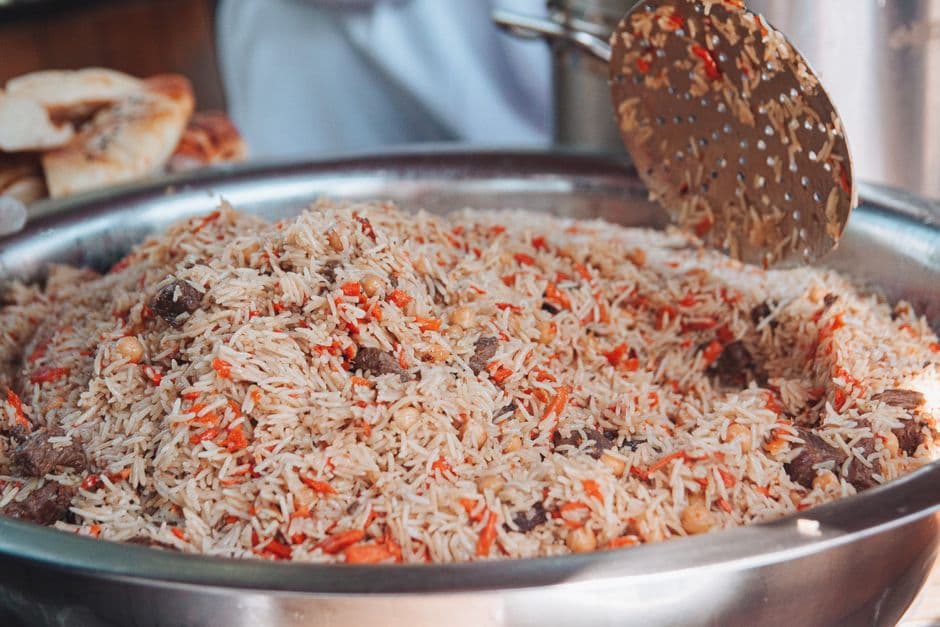
O lendário pilaf de arroz do Uzbequistão — cordeiro, cenouras, cebolas e caldo temperado cozidos juntos em um kazan para criar o prato mais amado da Ásia Central.
115 min680 kcalMédio
★4.9(654)
Plov, samsa, lagman – cozinha farta da Rota da Seda vinda do coração da Ásia Central.
Mais receitas construídas em torno dos mesmos ingredientes principais.
Acompanhe o que você come
Fotografe sua refeição para registrar calorias e macros, use timers de jejum e acompanhe sua água no app gratuito SnapCal.
Planeje suas refeições, acompanhe seu jejum e crie sua lista de compras — grátis
O painel do MyCookingCalendar funciona direto no seu navegador, sem precisar baixar nada.
O lendário pilaf de arroz do Uzbequistão — cordeiro, cenouras, cebolas e caldo temperado cozidos juntos em um kazan para criar o prato mais amado da Ásia Central.

Um caldo claro e dourado de cordeiro com grão-de-bico, batata, cenoura, cebola e ervas frescas — a sopa mais amada e nutritiva da Ásia Central.
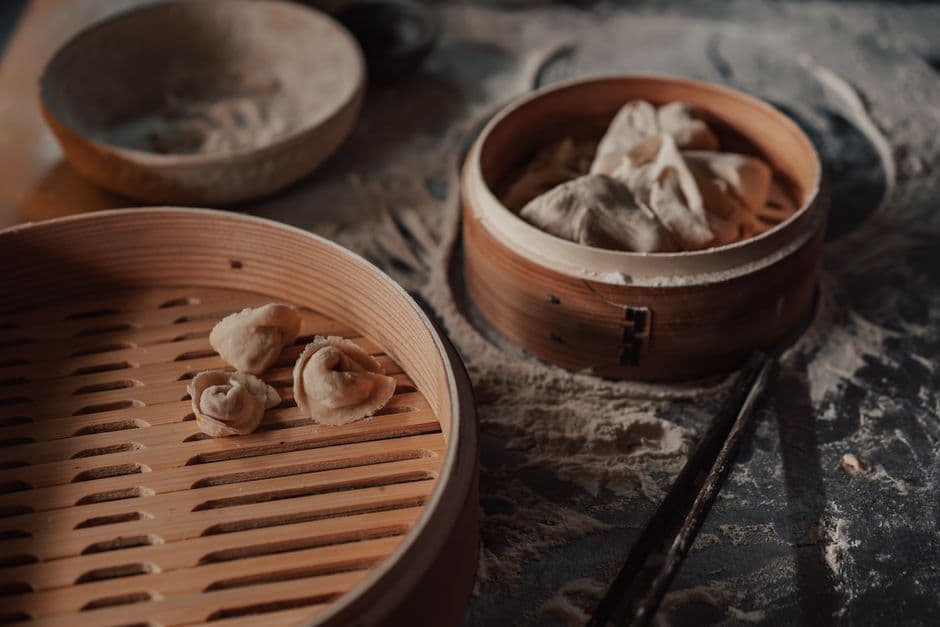
Dumplings generosamente dimensionados cozidos no vapor recheados com cordeiro temperado, cebola e abóbora, servidos com molho de creme azedo e ervas — o prato real da culinária da Ásia Central.

Um guiso uzbeque sem mexer de cordeiro, batata, cenoura, cebola e ervas em camadas seladas bem e cozido em fogo brando no seu próprio vapor — deceptivamente simples e profundamente saboroso.
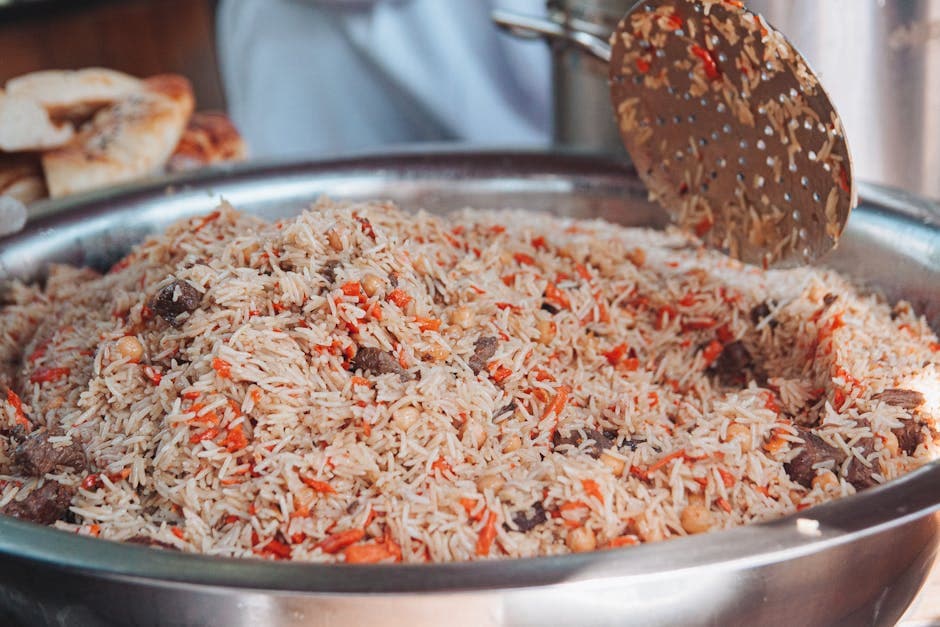
O antigo prato de arroz de Samarcanda — cordeiro e arroz cozidos em um kazan com os grãos característicos secos e separados do plov uzbeque, perfumado com cominho e coberto com alho inteiro e marmelo.
Bolinhos de carne assados de Uzbekistão do tandoor - pastéis triangulares crocantes recheados com cordeiro temperado e cebola, assados em um forno de barro até ficar crocante por fora e sibilante por dentro.
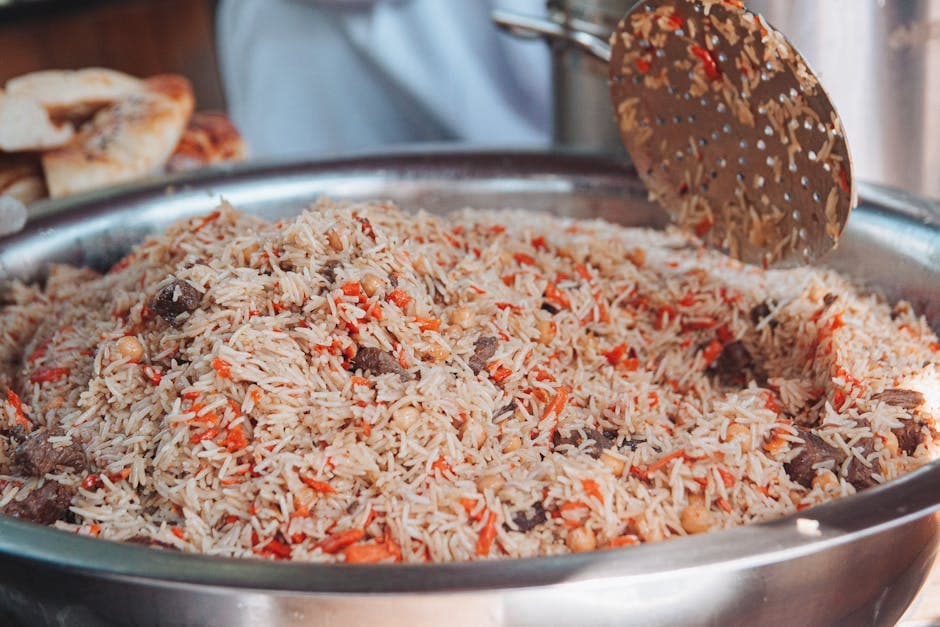
O prato de macarrão nômade do Uzbequistão - macarrão cortado à mão servido com carne de cavalo ou cordeiro cozida em um caldo claro e aromático, guarnecido com cebolas douradas fritas.

A grande sopa de carneiro e vegetais da Ásia Central — rica, aromática e profundamente nutritiva.

Pequenos bolinhos uzbeques recheados com carneiro e cebola, servidos em caldo claro ou iogurte — comida reconfortante da Ásia Central.

Sopa de arroz uzbeque com carneiro macio, tomates e grão-de-bico — primo mais leve e caldoso do plov.

Halva de sêmola rica e manteiguda uzbeque aromática com manteiga e baunilha — doce de celebração diferente de qualquer outro.

Ensopado em camadas uzbeque de carneiro, vegetais e ervas cozidos completamente selados — sem líquido adicionado, apenas vapor natural.
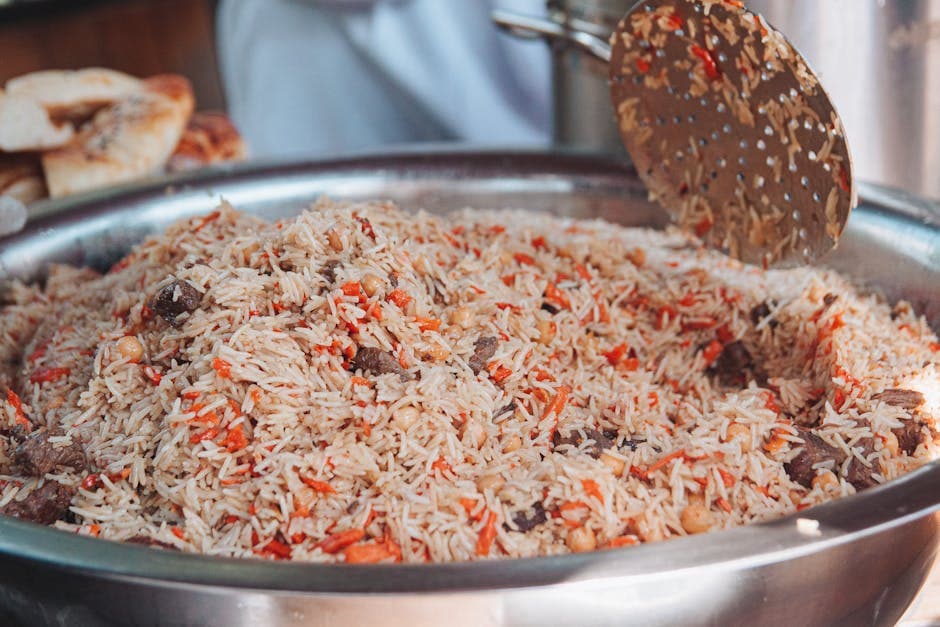
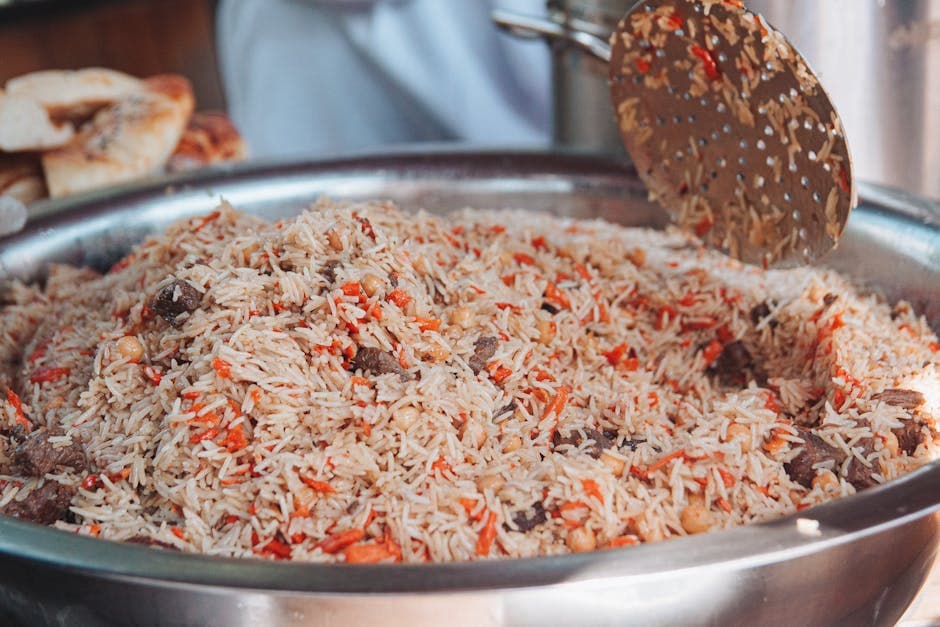
O maior prato de arroz da Ásia Central — cordeiro, cenoura e cebola cozidos juntos em um grande kazan de ferro fundido, depois cobertos com arroz e cozidos no vapor nos sucos da carne. O prato nacional do Uzbequistão, consumido em toda celebração.
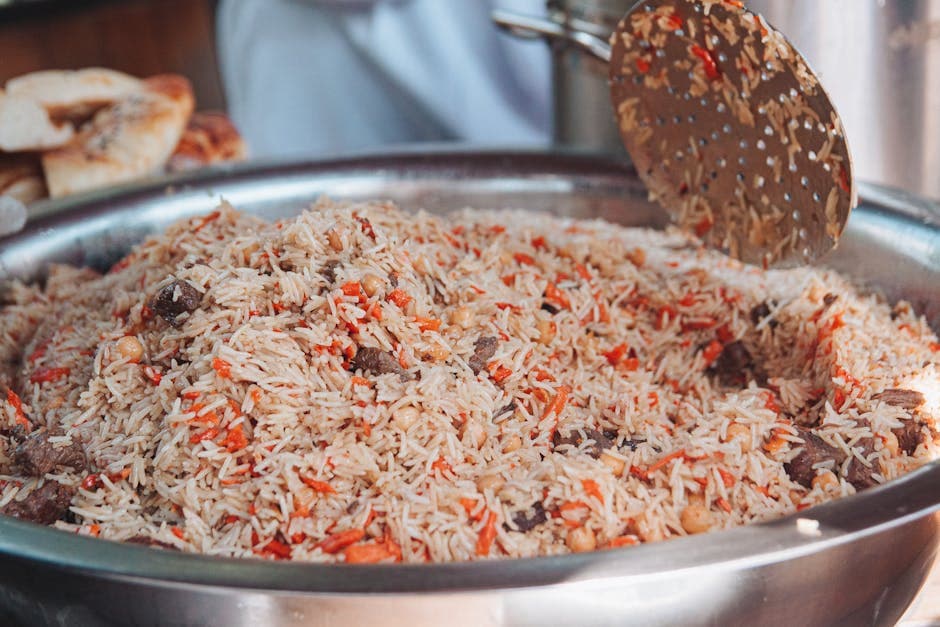
Sopa uzbeque substancial com carne de cordeiro e vegetais — um caldo lentamente cozido com vegetais inteiros e cordeiro com osso macio.

Pastéis crocantes assados recheados com cordeiro temperado e cebola — a resposta da Ásia Central ao samosa.
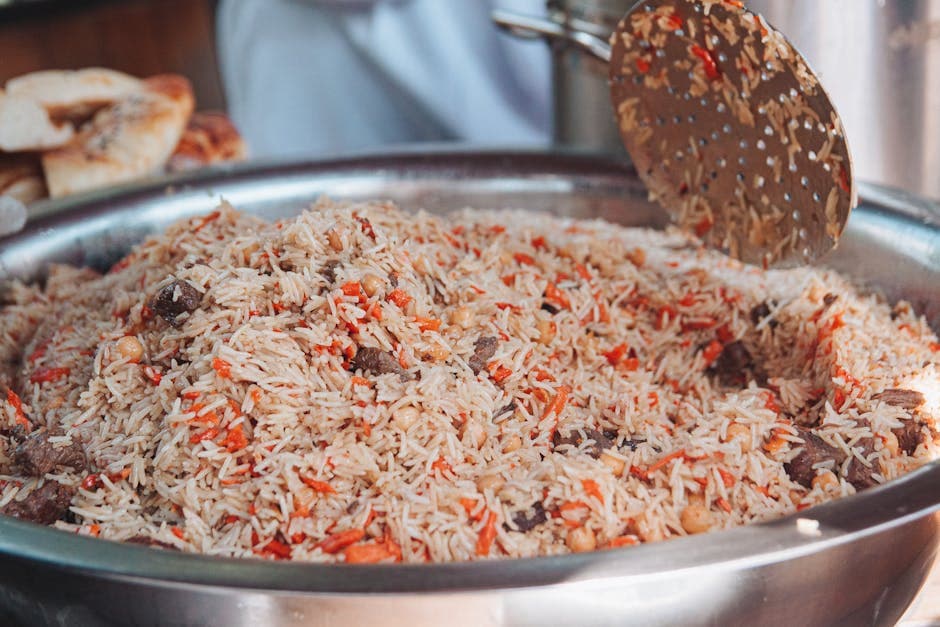
Caçarola uzbeque em camadas de carne e vegetais cozidos em seus próprios sucos — uma festa em uma panela simples.

Bolinhos cozidos no vapor recheados com carneiro e cebola temperados — a resposta uzbeque ao dim sum chinês, comido em cada celebração.
Macarrão cortado à mão uzbeque com carne de cavalo e caldo — um prato de celebração servido em casamentos e Navruz.
O reconfortante caldo de macarrão puxado da Uzbequistão — macarrão de trigo esticado à mão em um caldo rico de cordeiro e vegetais com cominho e pimento doce.
O prato nacional de arroz do Uzbequistão — cordeiro, cenouras e arroz cozidos lentamente em um kazan até cada grão brilhar com gordura dourada.
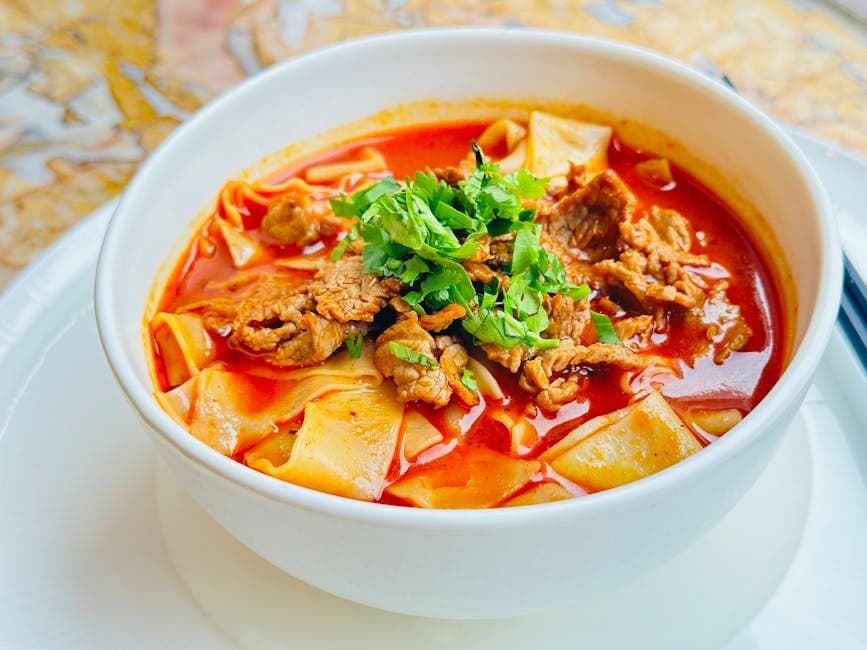
Os macarrões puxados à mão da Ásia Central de Uzbequistão em uma sopa-ensopado de cordeiro e vegetais profundamente temperada — o prato de macarrão mais icônico da Rota da Seda.
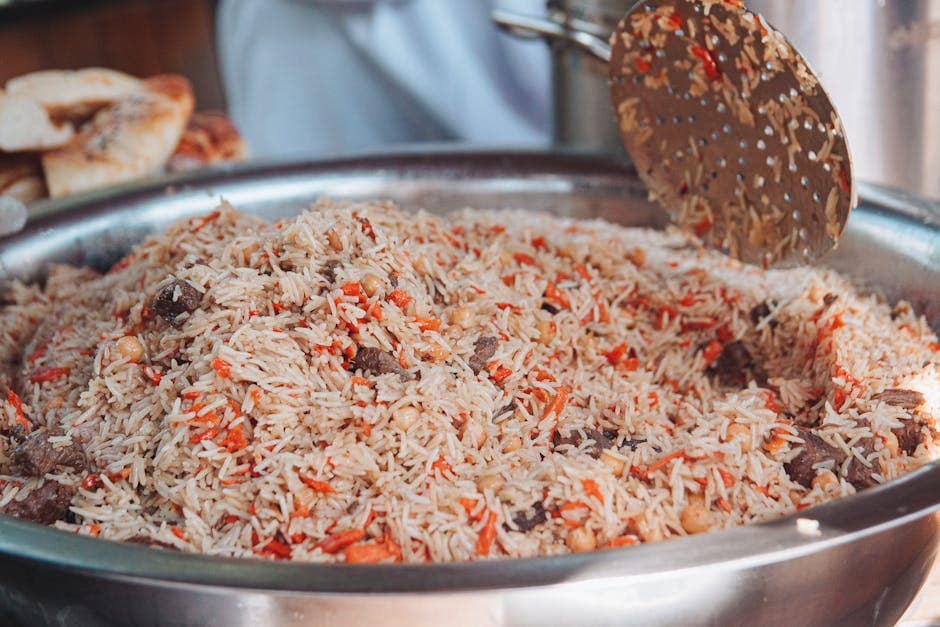
O prato nacional do Uzbequistão — cordeiro, cenouras, cominho e arroz cozidos em um único caldeirão fundo até cada grão brilhar com gordura temperada e a carne desfazer.
A Tigela de Arroz com Ervas e Limão do Mercado Uzbeque traz o sabor uzbeque a uma prática tigela de arroz feita com coxas de frango, cominho, cenoura, cordeiro e cebola, e um final de endro fresco.
A sopa de tomate esfumaçado Uzbek Village traz o sabor uzbeque a uma sopa prática feita com cogumelos, cominho, cenoura, cordeiro e cebola, e um final de endro fresco.
A frigideira uzbeque com gergelim e limão traz o sabor uzbeque a um prático jantar de frigideira feito com couve-flor, cominho, cenoura, cordeiro e cebola, e um final de endro fresco.
Uzbek Harbour Charred Pepper Noodles traz o sabor uzbeque a um prático prato de macarrão feito com macarrão de arroz, cominho, cenoura, cordeiro e cebola, e um final de endro fresco.
A Salada Uzbeque de Ervas Verdes da Montanha traz o sabor uzbeque a uma salada prática feita com frango grelhado, cominho, cenoura, cordeiro e cebola, e um final de endro fresco.
O pão achatado com ervas e limão do Festival Uzbeque traz o sabor uzbeque a um pão achatado prático feito com massa de pão achatado, cominho, cenoura, cordeiro e cebola, e um final de endro fresco.
Uzbek Homestyle Smoky Tomato Traybake traz o sabor uzbeque a um prático tabuleiro feito com batata doce, cominho, cenoura, cordeiro e cebola, e um final de endro fresco.
Uzbek Street Sesame Lime Fritters traz o sabor uzbeque a um prático bolinho feito com peixe salgado, cominho, cenoura, cordeiro e cebola, e um final de endro fresco.
O prato de café da manhã com pimenta carbonizada dourada uzbeque traz o sabor uzbeque a um prático prato de café da manhã feito com feijão, cominho, cenoura, cordeiro e cebola, e um final de endro fresco.
Sobremesa Uzbek Weeknight Green Herb traz o sabor uzbeque a uma sobremesa prática feita com coco, cominho, cenoura, cordeiro e cebola, e um final de endro fresco.
Arroz cozido em uma única panela sobre cenoura caramelizada e cordeiro dourado, temperado com cominho, prato considerado tesouro nacional do Uzbequistão.
Triângulos de massa folhada em camadas, recheados com cordeiro moído condimentado e cebola, assados em forno tipo tandoor até dourar profundamente.
Bolinhos grandes cozidos no vapor recheados com cordeiro moído gorduroso, cebola e abóbora, servidos com um bocado de iogurte e manteiga.
Um caldo de cordeiro farto e claro cozido com vegetais grossos como batata, cenoura e pimentão, um reconfortante alimento básico da Ásia Central.
Um pão achatado redondo e mastigável, com centro decorativo estampado e bordas inchadas e empoladas, tradicionalmente assado grudado nas paredes de um tandoor quente.
Macarrão fino cortado à mão misturado com carne cozida em fatias finas e cebola, um prato frio distinto tradicionalmente servido nas celebrações do Uzbequistão.
Pequenos bolinhos recheados com carne moída temperada, fervidos em caldo claro e servidos com um bocado de creme de leite e endro fresco.
Cordeiro, batata, cenoura e repolho colocados em camadas em uma panela grossa e cozidos no próprio suco, sem adição de água, resultando em sabores profundamente concentrados.
Um doce denso e cremoso feito de farinha torrada misturada com açúcar quente e xarope de manteiga, cravejado de nozes, um doce tradicional uzbeque.
Pedaços de cordeiro e batata fritos lentamente em um caldeirão pesado até dourar profundamente e ficarem macios, um favorito rústico do Uzbeque.
Tomates e cebolas em fatias finas misturadas com ervas frescas e um molho leve, uma contrapartida simples e refrescante da rica alimentação uzbeque.
Cordeiro em cubos frito com cebola, batata e pimentão até dourar profundamente, um jantar rústico e farto na frigideira uzbeque.
Bolsões finos de massa recheados com uma mistura de ovo cru e manteiga, fritos até ficarem crocantes, resultando em um interior macio e cremoso.
Uma sopa farta de arroz, vegetais e carne com toque de tomate, semelhante a um primo mais leve e mais ensopado do plov.
Pequenos pedaços de massa frita revestidos com xarope de mel quente e prensados em um formato festivo e pegajoso, um doce adorado da Ásia Central.
Pastéis folhados recheados com uma mistura verde vibrante de ervas frescas e cebola, um primo vegetariano mais leve da carne samsa.
Frango inteiro marinado em iogurte e especiarias, tradicionalmente assado no forno tandoor até a pele ficar profundamente dourada e crocante.
Arroz cozido com fígado picado e uma generosa quantidade de ervas frescas, tornando o prato um verde profundo característico, uma especialidade judaico-uzbeque de Bukharan.
Arroz cozido lentamente em uma panela kazan pesada com cordeiro, cebola dourada, montanhas de cenoura e passas, o icônico prato nacional do Uzbequistão, plov.
Pão quente, não assado no tandoor, rasgado e recheado com creme kaymak espesso, um simples e adorado sanduíche de café da manhã uzbeque, apreciado com chá quente.
Almôndegas de cordeiro feitas à mão cozidas em caldo de tomate picante, um prato uzbeque caseiro que ecoa os sabores do amado ensopado de dimlama do país.
Feijão mungo e arroz cozidos juntos em um mingau macio e saboroso com cebola frita e cominho, um prato reconfortante uzbeque tradicionalmente consumido durante doenças ou jejum.
Bolsinhos de massa fina recheados com ovo mexido, ervas e um toque de queijo, dobrados e fritos até ficarem crocantes, um saboroso lanche uzbeque.
Um pudim naturalmente doce, cozido lentamente, feito inteiramente de trigo germinado, tradicionalmente cozido durante a noite pela comunidade para celebrar Navruz.
Carpa inteira recheada com cebola e endro, esfregada com cominho e assada até ficar macia, uma farta preparação uzbeque para os peixes de água doce encontrados nos rios e lagos do país.
Triângulos de massa folhada em camadas, recheados com cordeiro moído e cebola condimentados, assados em forno estilo tandoor até dourar profundamente, o amado somsa do Uzbequistão.
Tomate e cebola em fatias finas misturadas com ervas frescas e um toque de vinagre, a simples e sempre presente salada uzbeque servida junto com plov e carnes grelhadas.
Pequenos bolinhos recheados com carne cozidos em um caldo claro e temperado, a adorada sopa chuchvara do Uzbequistão, muitas vezes servida com um bocado de iogurte ou vinagre.
Um frango inteiro assado com uma mistura de especiarias com cominho e regado com uma picante cobertura de tomate, trazendo os sabores característicos do plov para um simples assado familiar.
Camadas de carne, batata, cenoura, repolho e tomate cozidos lentamente, sem adição de líquido, até ficarem macios, o amado guisado uzbeque conhecido como dimlama.
Pequenos pedaços de massa frita revestidos com xarope de mel quente e prensados com sementes de gergelim, o doce chak-chak comemorativo do Uzbeque e da Ásia Central.
Fofas panquecas ao estilo uzbeque feitas com leite fermentado assado, pimenta-do-reino e um toque de mel, fritas na frigideira até dourar.
Uma tigela de arroz perfumada ao estilo uzbeque com páprica doce, cenoura caramelizada e cominho, ecoando os sabores do plov clássico.
Um perfumado prato de arroz de inspiração uzbeque com camarão, finalizado com um refrescante molho de iogurte com ervas (estilo katyk) como acompanhamento.
Uma reconfortante tigela de feijão mungo uzbeque e mingau de arroz temperada com cominho, pimenta preta e cebola caramelizada.
Pimentões ao estilo uzbeque recheados com arroz condimentado e cordeiro, cozidos em caldo de tomate e páprica levemente adocicado.
Uma caçarola assada em camadas de arroz, carne temperada e molho de iogurte com ervas com alho, assada até borbulhar.
Um suculento hambúrguer de carne com tempero uzbeque, temperado com cominho, pimenta-do-reino e cebola, servido em estilo hambúrguer com molho de iogurte de alho.
Uma sobremesa densa e mastigável inspirada nos doces de nozes sujukh da Ásia Central, colocada em um pão tipo pudim com mel e nozes.
Um prato festivo de plov uzbeque com cordeiro tenro, cebola caramelizada, arroz com açafrão e frutas secas.
A culinária uzbeque cresceu ao longo da Rota da Seda, alimentando caravanas em Samarcanda, Bukhara e no Vale Fergana, e sua peça central é o plov (osh) – arroz cozido em um kazan de ferro fundido com cordeiro, cenoura amarela, cebola, cominho e cabeças inteiras de alho, em camadas e nunca mexidas. Plov é tão codificado que cada cidade reivindica seu próprio cânone, mestres cozinheiros chamados oshpaz preparam-no para casamentos em lotes para centenas, e a UNESCO o lista como patrimônio cultural.
Além do plov, o repertório gira em torno da gordura de cordeiro (dumba, de ovelha de cauda gorda), macarrão puxado à mão e fornos tandyr. O macarrão Lagman chegou com os cozinheiros Dungan e Uigures e se tornou um alimento básico nacional na forma de sopa ou frito (kovurma); samsa – pastéis escamosos de cordeiro e cebola – assados grudados nas paredes do tandyr como o saboroso primo do indiano naan; manti, grandes bolinhos cozidos no vapor de cordeiro e cebola picados à mão, são comidos com iogurte suzma.
A comida caseira é sazonal e reverente ao pão: o non, o pão tandyr redondo e estampado, nunca é colocado virado para baixo ou cortado com faca, apenas rasgado. As refeições começam com chai, melão e saladas como achichuk (tomate, cebola, pimentão), e o kazan faz a maior parte do trabalho - a mesma panela faz plov, shurpa (sopa de cordeiro e vegetais) e dimlama, o refogado de carne e vegetais em camadas do final do verão.
Plov (osh)
Arroz em camadas com cordeiro, cenoura amarela, cominho e alho inteiro em um kazan; cada região – Samarcanda, Tashkent, Fergana – tem sua própria versão canônica.
O kazan
Um pesado caldeirão de ferro fundido usado para plov, shurpa e dimlama; sua retenção de calor define a técnica uzbeque de estratificação e vaporização.
Pães Tandyr e samsa
Pães não achatados estampados e pastéis samsa de cebola e cordeiro em flocos assados grudados nas paredes de um forno tandyr de barro.
Macarrão e bolinhos artesanais
Lagman preparou macarrão em sopa ou frito, além de manti cozido no vapor e pequenos bolinhos de chuchvara cozidos.
Gordura de cordeiro e dumba
Ovelhas de cauda gorda fornecem a carne e a gordura fundida da cauda que conferem sabor ao plov, samsa e kebabs (shashlik).
Cultura do chá e do melão
O chá verde servido em tigelas de piala e os famosos melões uzbeques doces emolduram cada refeição do início ao fim.
A culinária uzbeque é conhecida pelo plov - arroz cozido com cordeiro, cenoura amarela e cominho em um kazan de ferro fundido - junto com macarrão lagman puxado à mão, bolinhos de manti cozidos no vapor, doces samsa assados em tandyr e sem pão, e espetinhos de shashlik. É a cultura alimentar mais famosa da Ásia Central, moldada pelo comércio da Rota da Seda através de Samarcanda e Bukhara.
O plov uzbeque é construído em camadas estritamente não mexidas em um kazan: gordura de cordeiro derretida, depois carne, cebola e uma camada espessa de cenouras amarelas cortadas em juliana, com arroz e água por cima. Cabeças inteiras de alho e cominho temperam e nunca são misturadas antes de servir. O polo persa enfatiza a crosta crocante e as ervas do tahdig; O pulao e o biryani indianos usam muito mais especiarias e arroz basmati.
A culinária uzbeque é saborosa e rica, em vez de picante, temperada principalmente com cominho (zira), pimenta preta, sementes de coentro e bérberis. O pimentão fresco aparece na salada achichuk e o lagman pode levar um condimento com pimenta e alho (laza), refletindo a influência uigur, mas o calor é sempre opcional. A riqueza vem da gordura do cordeiro e da cauda da dumba, equilibrada com chá verde, saladas e iogurte.
Comece com um plov caseiro em forno holandês: doure o cordeiro ou a carne no óleo, adicione as cebolas e uma generosa camada de palitos de cenoura, tempere com cominho, aninhe em uma cabeça de alho, depois adicione o arroz e a água e cozinhe no vapor sem mexer. Ele ensina a técnica principal de camadas. Shurpa, a sopa de cordeiro e vegetais, é ainda mais simples – apenas fervendo lentamente.
O essencial é arroz de grão médio (devzira é tradicional; calrose funciona), cordeiro ou carne bovina, muitas cenouras e cebolas, sementes de cominho inteiras, coentro, pimenta preta e bérberis secos para plov. Um pesado forno holandês substitui o kazan. Para um repertório mais amplo, adicione farinha para macarrão e bolinhos, iogurte natural (como suzma) e gordura de cordeiro ou óleo neutro.
Calculadoras e conversores que acompanham esta página — sem cadastro.