
Sobremesa
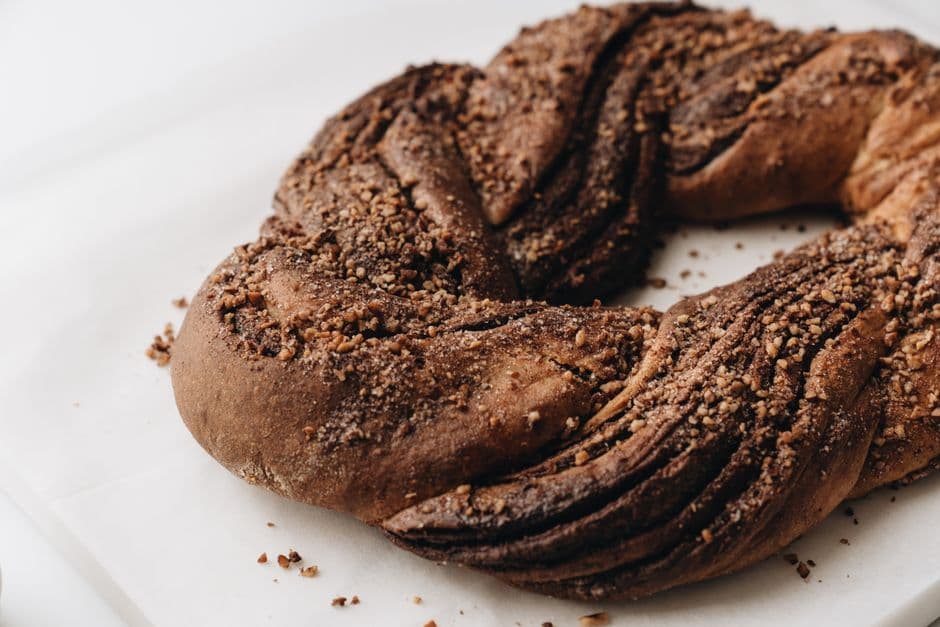
Babka
Pão de fermento rico e amanteigado da Europa Oriental espiralizadamente com chocolate e assado em uma massa enrugada brilhante.
75 min380 kcalDifícil
★4.7(1,791)
Bigos, pierogi, żurek – comida reconfortante e calorosa da Europa Central.
Mais receitas construídas em torno dos mesmos ingredientes principais.
Acompanhe o que você come
Fotografe sua refeição para registrar calorias e macros, use timers de jejum e acompanhe sua água no app gratuito SnapCal.
Planeje suas refeições, acompanhe seu jejum e crie sua lista de compras — grátis
O painel do MyCookingCalendar funciona direto no seu navegador, sem precisar baixar nada.
Pão de fermento rico e amanteigado da Europa Oriental espiralizadamente com chocolate e assado em uma massa enrugada brilhante.
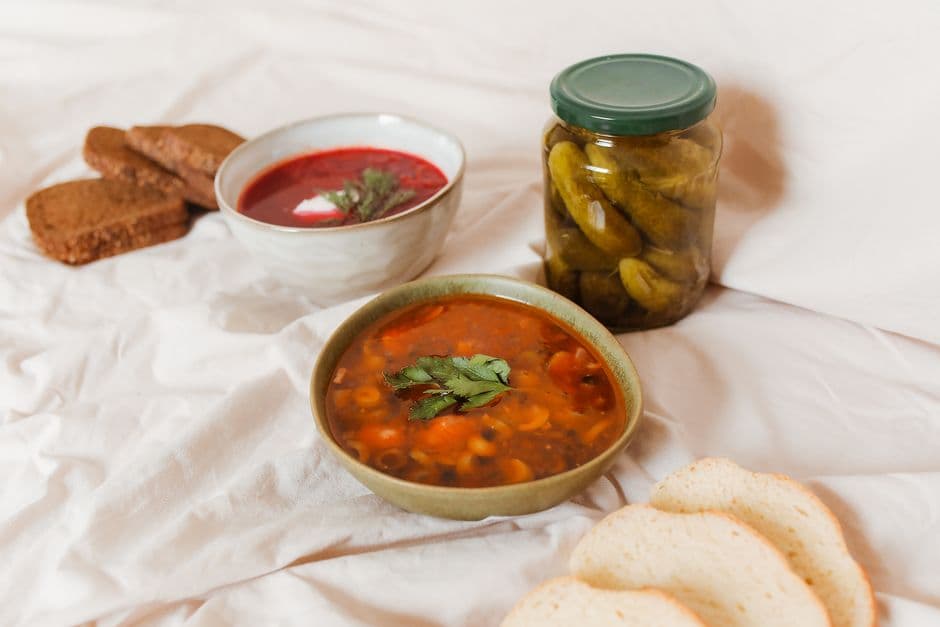
Uma sopa espessa, cremosa e intensamente azeda feita de farinha de centeio fermentada, coberta com ovo cozido, salsichas brancas e raiz-forte — a sopa de Páscoa mais icônica da Polônia.
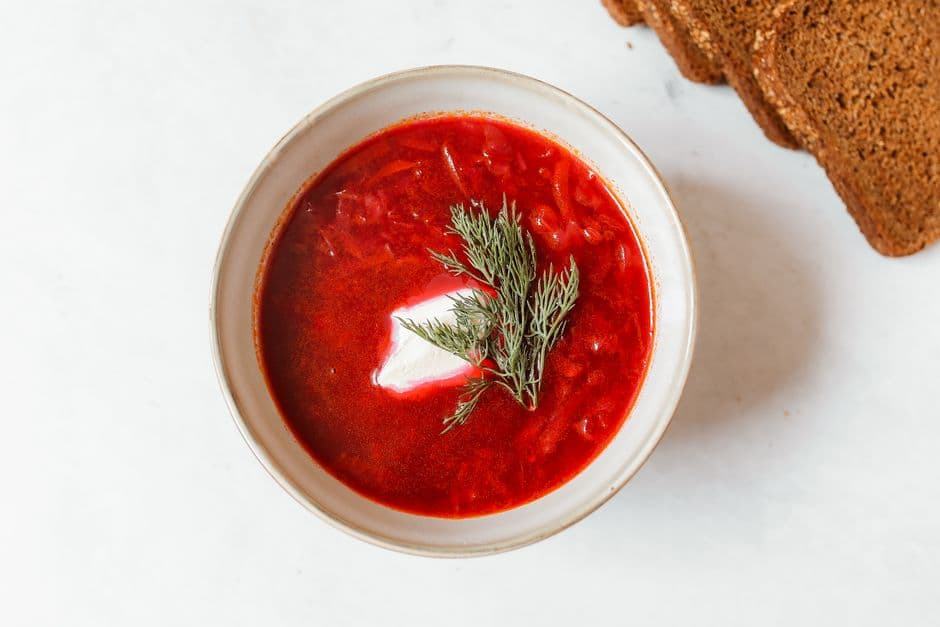
Um consomé de beterraba vermelho-carmim brilhante, intensamente aromatizado com gosto limpo, doce-azedo — a sopa de Noite de Natal da Polônia, servida com bolinhos de cogumelo.
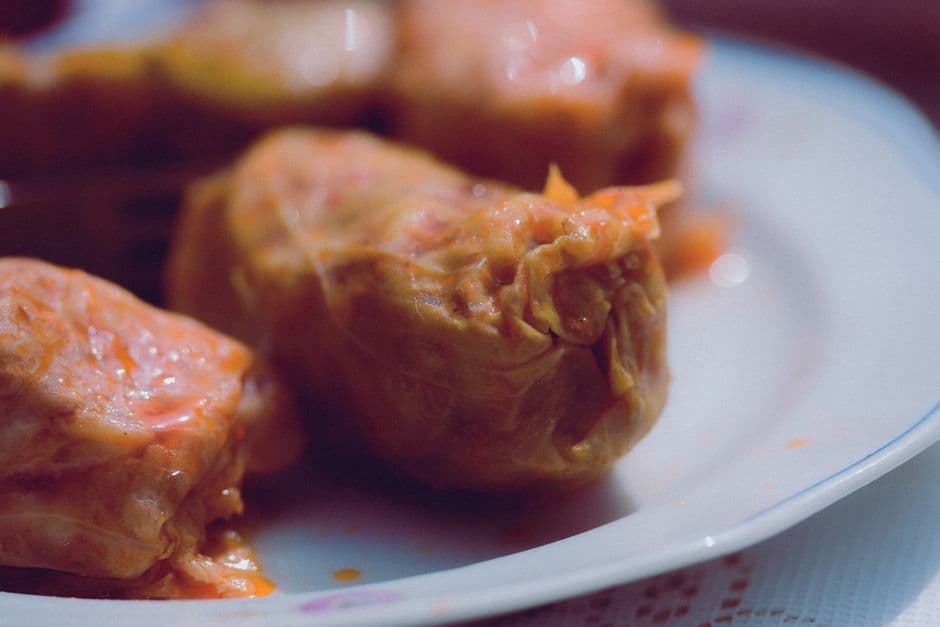
Folhas de repolho macio recheadas com carne suína temperada e arroz, cozidas lentamente em molho de tomate rico — o prato de conforto familiar mais querido da Polônia.
A sopa de tripa polonesa clássica - tripa de boi cozida lentamente em um caldo rico e temperado com páprica, vegetais e manjerona, um prato quente e reconfortante com séculos de história.
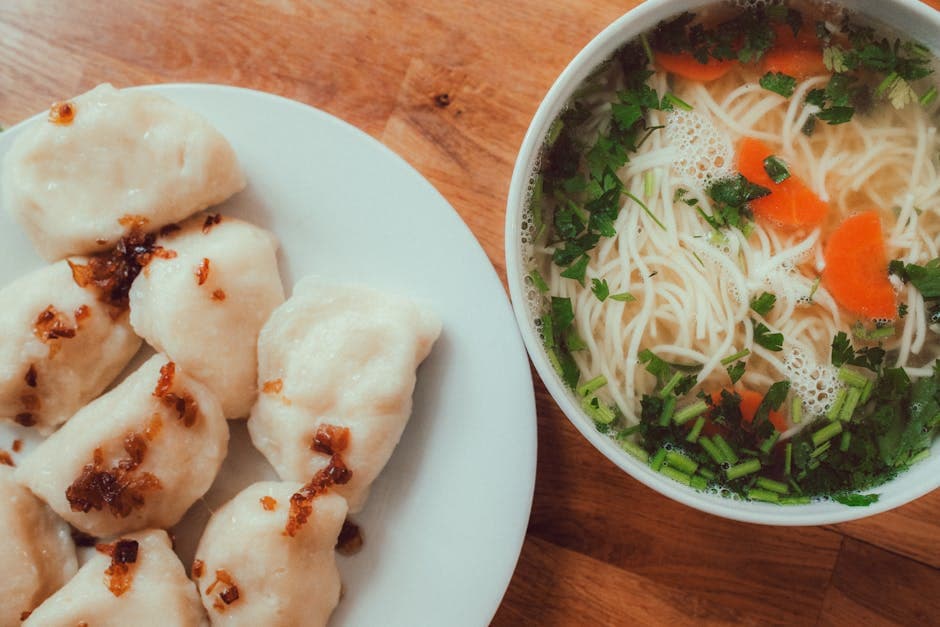
A dourada sopa de domingo da Polônia — um caldo de frango cristalino e profundamente nutritivo com macarrão fino de ovo.
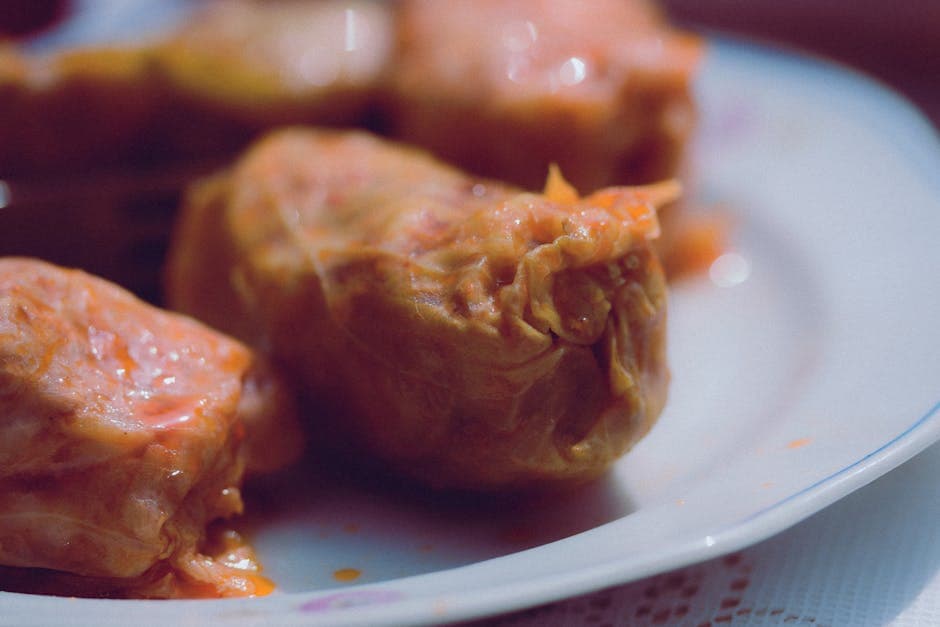
Folhas de repolho macias enroladas com carne de porco temperada e arroz, assadas lentamente em um rico molho de tomate — o conforto polonês em sua melhor forma.
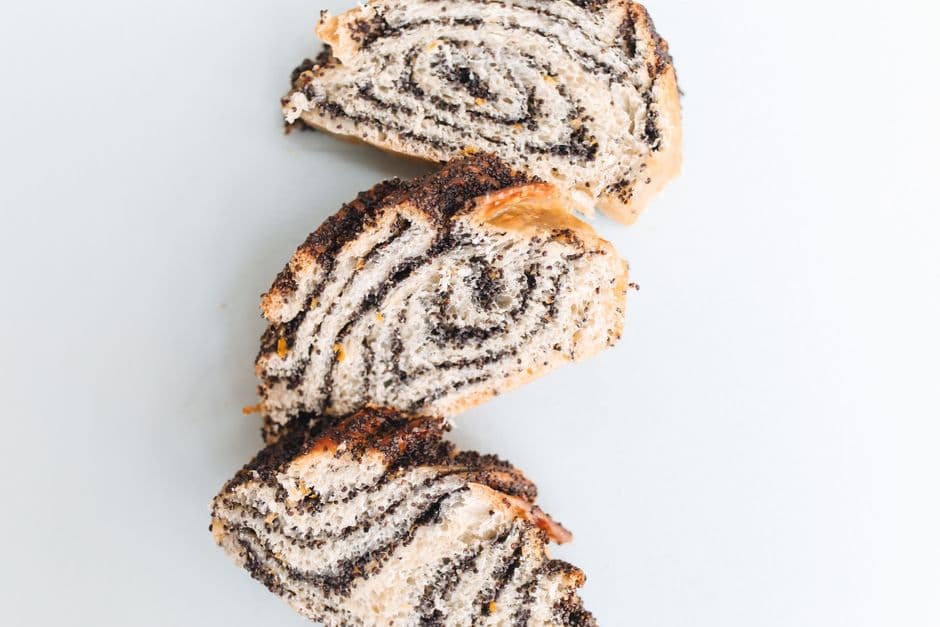
Rolo de fermento polonês festivo recheado com pasta de papoula doce e rica - a peça central das mesas de Natal.

A amada sopa de tomate cremosa polonesa com arroz - o último conforto de um dia de semana polonês.
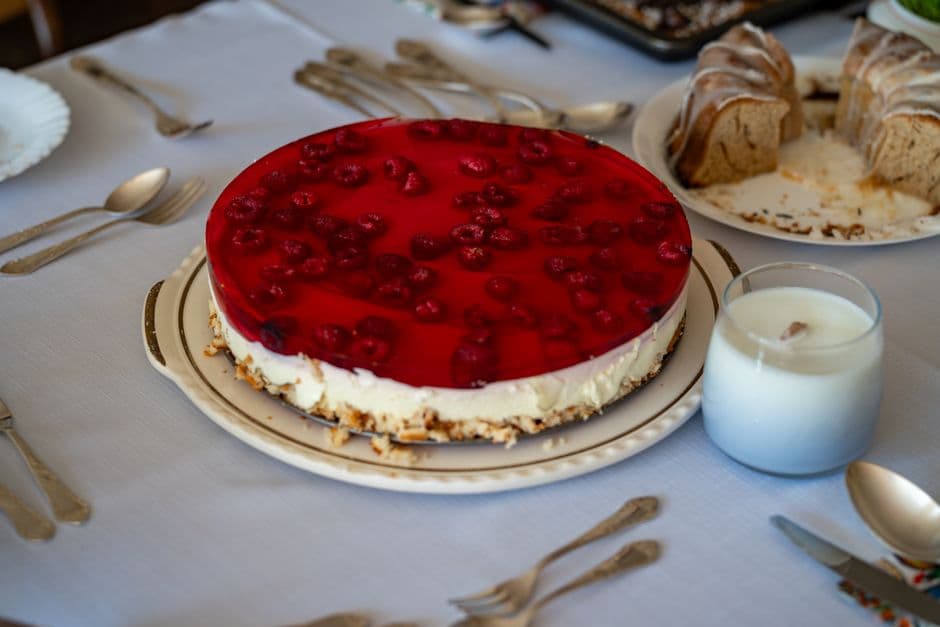
O icônico bolo de queijo polonês feito com queijo twaróg - denso, azedo e totalmente distinto de qualquer outro bolo de queijo.
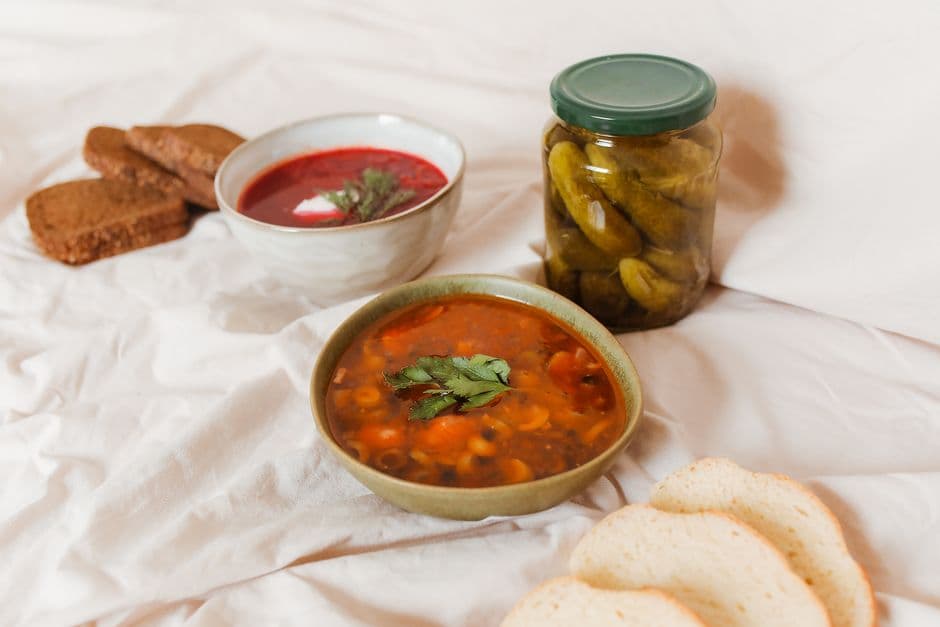
A icônica sopa azeda de centeio polonesa — um caldo único e azedo fermentado com farinha de centeio, servido com ovo cozido, linguiça branca e raiz-forte, o prato central da Páscoa polonesa.
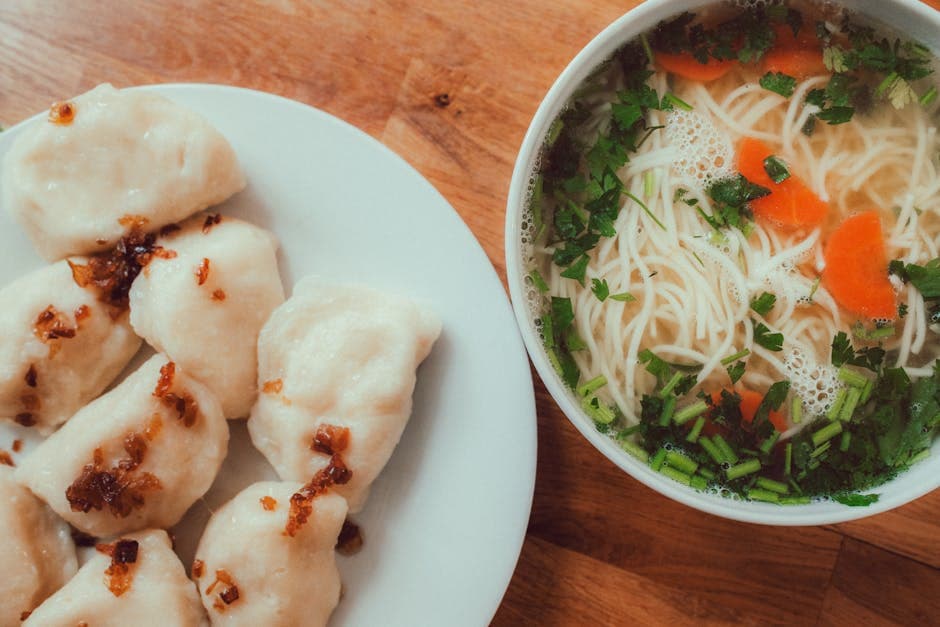
Sopa polonesa de beterraba rubi vibrante servida pura ou com uszka, bolinhos de cogumelo — a joia da Véspera de Natal polonesa.
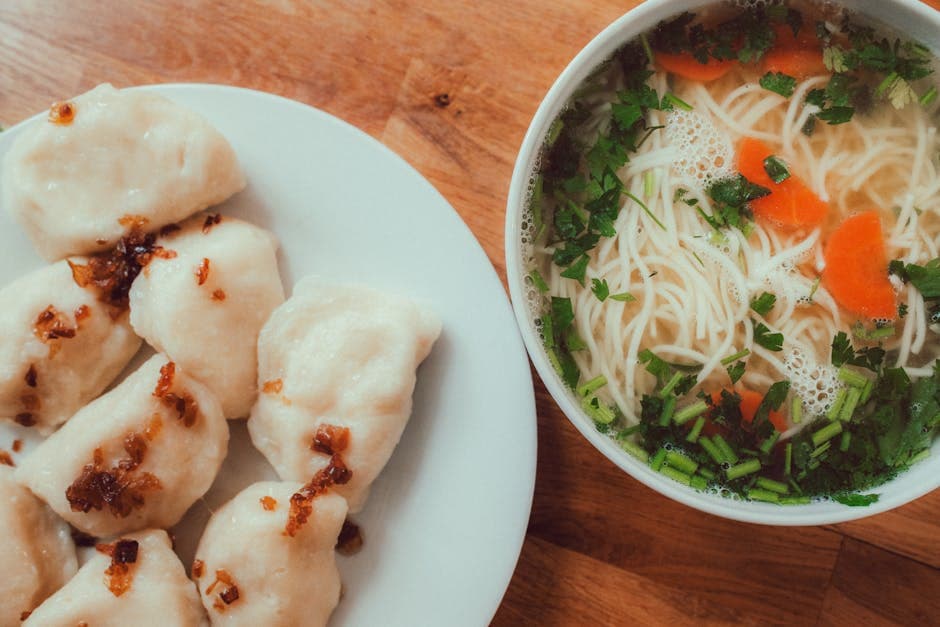
Rolinhos de repolho recheados poloneses com porco e arroz em molho rico de tomate — assados até ficarem macios e reconfortantes.
Bife de porco empanado polonês — a resposta da Polônia ao Wiener Schnitzel, comido em todo almoço de domingo familiar.
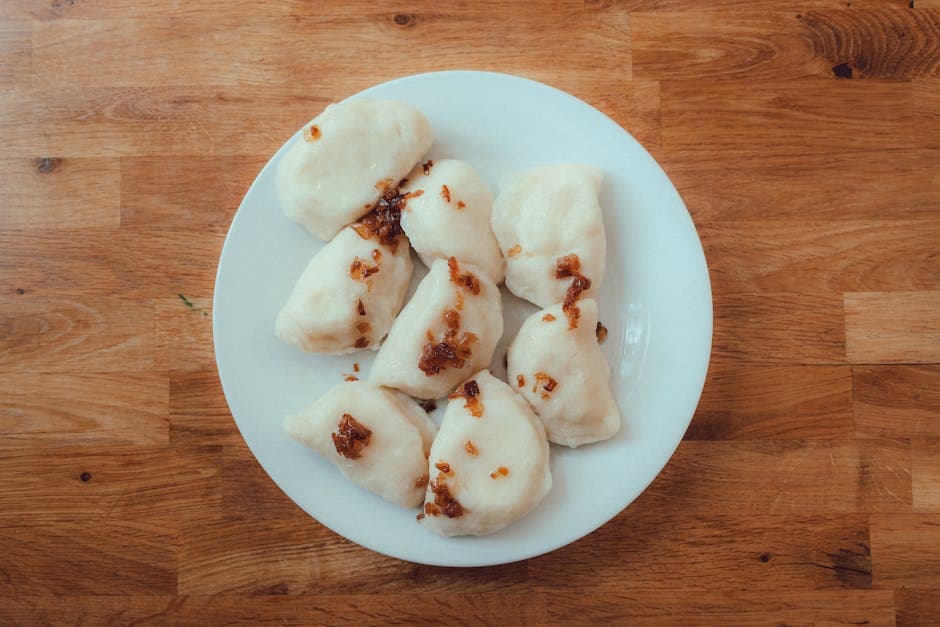
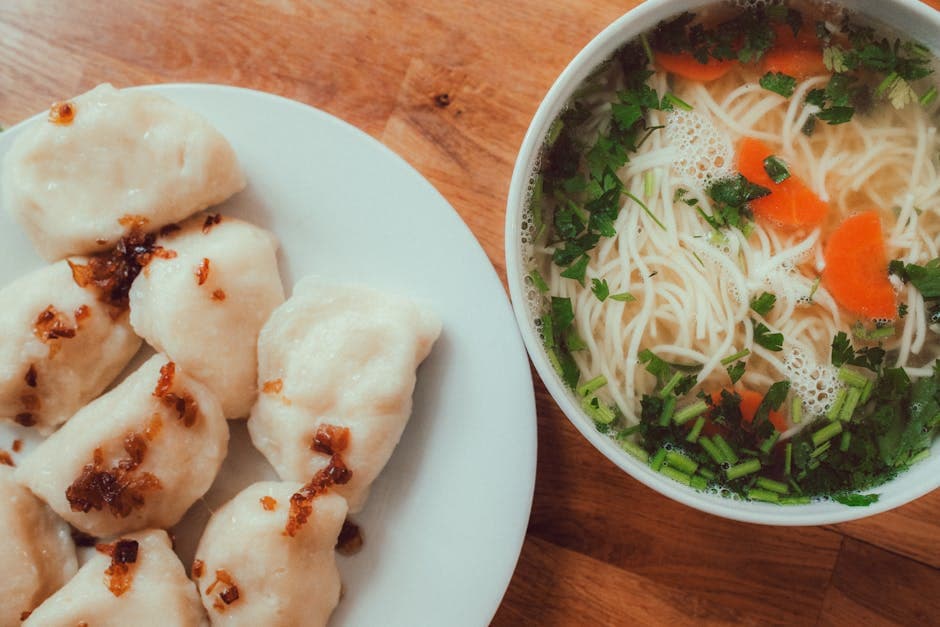
Bolinhos poloneses recheados com batata, queijo twaróg e cebola — cozidos e depois fritos em manteiga.

Bolinhos poloneses de Noite de Natal preenchidos com cogumelos silvestres, cebola e um sussurro de manjerona — terrosos, fumegantes, profundamente sazonais.
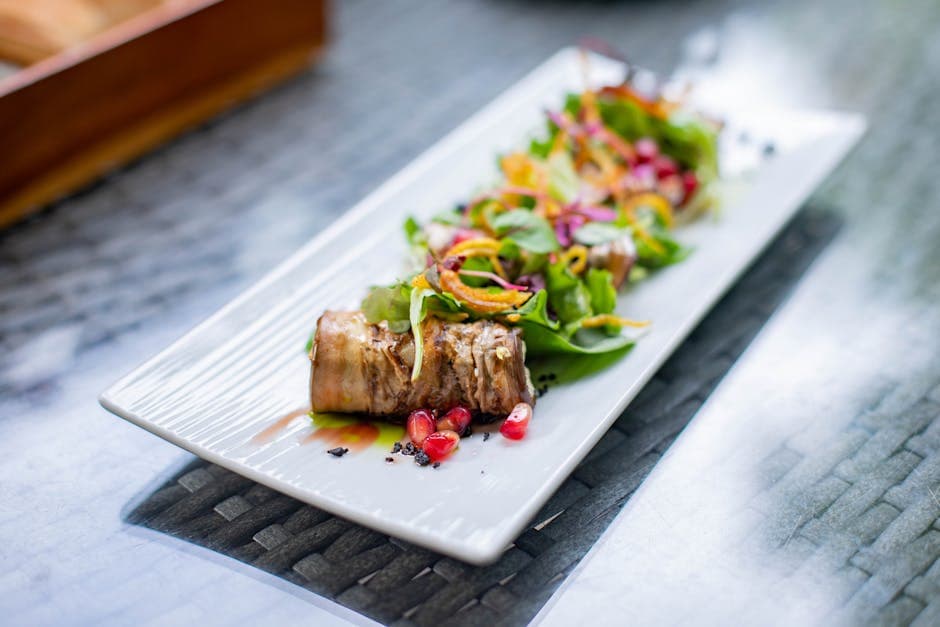
Clássico de domingo transilvano — carne bovina fina amassada envolvida em volta de bacon, picles e cebola, assada lentamente em molho escuro com repolho vermelho e bolinhos.

O icônico 'cozido do caçador' polonês — chucrute e repolho fresco cozidos lentamente por horas com carne suína, kielbasa defumada, cogumelos, ameixas e vinho tinto até ficarem profundamente escuros e complexos.
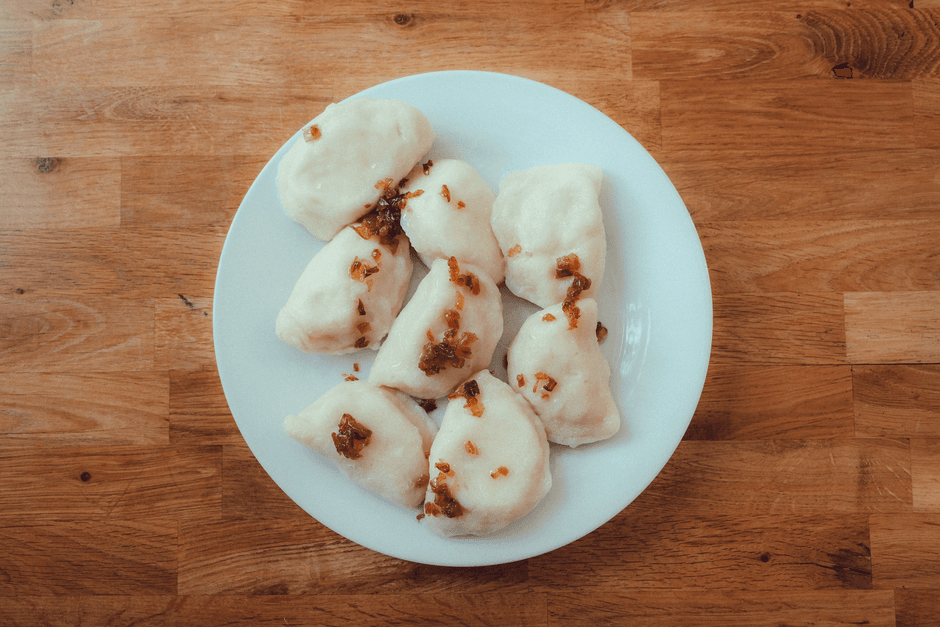
Dumplings de pastel em forma de meia-lua preenchidos com batata cremosa e queijo, servidos com cebola caramelizada e creme de leite.
A Tigela de Arroz com Ervas e Limão do Mercado Polonês traz o sabor polonês a uma prática tigela de arroz feita com coxas de frango, endro, creme de leite, repolho e cogumelos, e um final de endro fresco.
A Sopa de Tomate Smoky da Polish Village traz o sabor polonês a uma sopa prática feita com cogumelos, endro, creme de leite, repolho e cogumelos, e um final de endro fresco.
A frigideira polonesa com gergelim e limão traz sabor polonês a um prático jantar de frigideira feito com couve-flor, endro, creme de leite, repolho e cogumelos, e um final de endro fresco.
Polish Harbour Charred Pepper Noodles traz sabor polonês a um prático prato de macarrão feito com macarrão de arroz, endro, creme de leite, repolho e cogumelos, e um final de endro fresco.
A Salada Polonesa de Ervas Verdes da Montanha traz um sabor polonês a uma salada prática feita com frango grelhado, endro, creme de leite, repolho e cogumelos, e um final de endro fresco.
O Polish Festival Lemon Herb Flatbread traz sabor polonês a um prático pão achatado feito com massa de pão achatado, endro, creme de leite, repolho e cogumelos, e um final de endro fresco.
Polish Homestyle Smoky Tomato Traybake traz sabor polonês a um prático tabuleiro feito com batata doce, endro, creme de leite, repolho e cogumelos, e um final de endro fresco.
Polish Street Sesame Lime Fritters traz o sabor polonês a um prático bolinho feito com peixe salgado, endro, creme de leite, repolho e cogumelos, e um final de endro fresco.
O Prato de Café da Manhã Polish Golden Charred Pepper traz sabor polonês a um prático prato de café da manhã feito com feijão, endro, creme de leite, repolho e cogumelos, e um final de endro fresco.
Polish Weeknight Green Herb Dessert traz sabor polonês a uma sobremesa prática feita com coco, endro, creme de leite, repolho e cogumelos, e um final de endro fresco.
Uma sopa picante, fermentada e azeda com linguiça defumada, batatas e um ovo cozido, geralmente servida em uma tigela de pão.
Pepinos em fatias finas, salgados, escorridos e temperados com creme de leite leve e molho de endro, um acompanhamento refrescante de verão.
Panquecas de batata ralada frita e crocante, ligadas com ovo e um toque de farinha, servidas com creme de leite ou açúcar.
Folhas tenras de repolho enroladas em carne moída temperada e arroz, cozidas em molho à base de tomate até ficarem macias.
Um cheesecake denso e alto feito com queijo twaróg farmer, mais leve e menos rico que as versões ao estilo nova-iorquino.
Costeleta de porco socada, empanada e frita, a resposta polonesa ao schnitzel, servida com batatas e repolho cozido.
Um caldo de beterraba límpido e profundamente vermelho, azedo com suco de beterraba fermentado, tradicionalmente servido com bolinhos recheados com cogumelos na véspera de Natal.
Uma sopa de tripas farta e apimentada cozida por horas com raízes e manjerona até que as tripas fiquem sedosas e macias.
Um pão doce fermentado enrolado em um recheio denso e escuro de sementes de papoula, cortado em rodelas para as férias.
Bolinhos de batata macios e fofos em forma de cascos, cozidos e fritos com manteiga e pão ralado.
Bolinhos grandes e densos de batata recheados com carne moída temperada, cozidos e servidos com manteiga derretida e bacon crocante.
Crepes finos enrolados em um saboroso recheio de carne e cogumelos, empanados e fritos até ficarem dourados e crocantes.
Filetes de arenque curados com sal e marinados em creme de leite cremoso e picante e molho de cebola, um clássico aperitivo frio.
Fatias fritas de linguiça de trigo sarraceno servidas com maçãs doces caramelizadas e cebolas fritas.
Um caldo de galinha claro e de sabor profundo, cozido com raízes, coado e servido sobre macarrão fino de ovo.
Deliciosos pastéis fritos em forma de fita, leves e crocantes, polvilhados com açúcar de confeiteiro para o Carnaval.
Kielbasa polonesa grelhada com centeio com mostarda, picles e cebola caramelizada - um sanduíche farto e aberto feito com a linguiça favorita da Polônia.
Batatas em camadas e arenque em conserva assados em molho cremoso de endro - uma versão costeira polonesa de um clássico assado de batata.
Tenras almôndegas de porco e de vaca cozidas em molho de cebola profundamente caramelizado - o klopsiki caseiro da Polônia, servido com kasza ou batatas.
Feijão branco cozido com linguiça defumada e bacon em molho de tomate e páprica - o farto ensopado de feijão da Polônia, apesar do nome que soa francês.
Uma omelete farta recheada com kielbasa defumada em cubos, batata e pimenta preta – um farto café da manhã rural polonês.
Painço torrado cozido em um mingau cremoso com maçã cozida e um fiozinho de mel - uma tradicional tigela polonesa de grãos para o café da manhã.
Truta inteira assada com generosa manteiga de ervas, uma homenagem à tradição de pesca em água doce da Polônia e ao amor pelo endro.
Pepinos em fatias finas dobrados em creme de leite light e molho de endro - a salada de verão mais simples e apreciada da Polônia, a mizeria.
Um caldo de galinha dourado cozido lentamente com macarrão fino de ovo e endro fresco - a clássica sopa de domingo da Polônia, rosół.
Um frango inteiro esfregado com manjerona e assado sobre cebolas profundamente caramelizadas - uma peça central de domingo construída com a saborosa erva saborosa da Polônia.
Repolho e batata em camadas assados com sementes de cominho e molho de creme light - um assado de vegetais de fazenda polonês feito com dois alimentos básicos da despensa.
Tiras finas e retorcidas de massa frita até ficarem crocantes e polvilhadas com açúcar de confeiteiro - o doce favorito da temporada de carnaval da Polônia, faworki.
Panquecas crocantes de batata polonesa, raladas frescas e douradas fritas, servidas com um bocado de creme de leite de endro.
Grumos de trigo sarraceno polonês torrados (kasza gryczana) misturados com kielbasa dourado, maçã caramelizada e endro fresco.
Macarrão de ovo ao estilo polonês misturado com salmão em molho de endro e creme de leite, um prato reconfortante da costa do Báltico.
Uma farta sopa polonesa de ervilhas grochówka, engrossada e servida em tigela com kielbasa defumada e manjerona.
Pimentões recheados com o clássico recheio polonês gołąbki de carne de porco, arroz e manjerona, assados em molho de creme de tomate e creme de leite.
Couve-flor inteira cozida assada sob uma manta de pão ralado dourado com manteiga, um acompanhamento polonês simples e clássico.
Um hambúrguer polonês de carne de porco e boi ao estilo kotlet mielony, coberto com pão embebido e manjerona, frito na manteiga e servido em um pão.
Kisiel polonês sedoso, um pudim espesso de frutas feito de frutas vermelhas e fécula de batata, servido gelado com creme.
Um prato polonês Wigilia na véspera de Natal com barszcz de beterraba rubi transparente servido junto com cogumelos sem carne e pierogi de chucrute.
A culinária polonesa foi forjada por invernos rigorosos, planícies férteis e séculos na encruzilhada da Europa. Suas bases são grãos, carne de porco, repolho, beterraba, cogumelos e laticínios – preservados por fermentação, defumação e decapagem. Os sabores azedos são uma assinatura nacional: żurek, uma sopa azeda com fermento de centeio fermentado; barszcz de beterraba fermentada; kapusta kiszona (chucrute) em bigos, o guisado do caçador que combina couve fresca e azeda com carnes diversas e cogumelos secos do bosque, tradicionalmente melhorando ao longo dos dias de reaquecimento.
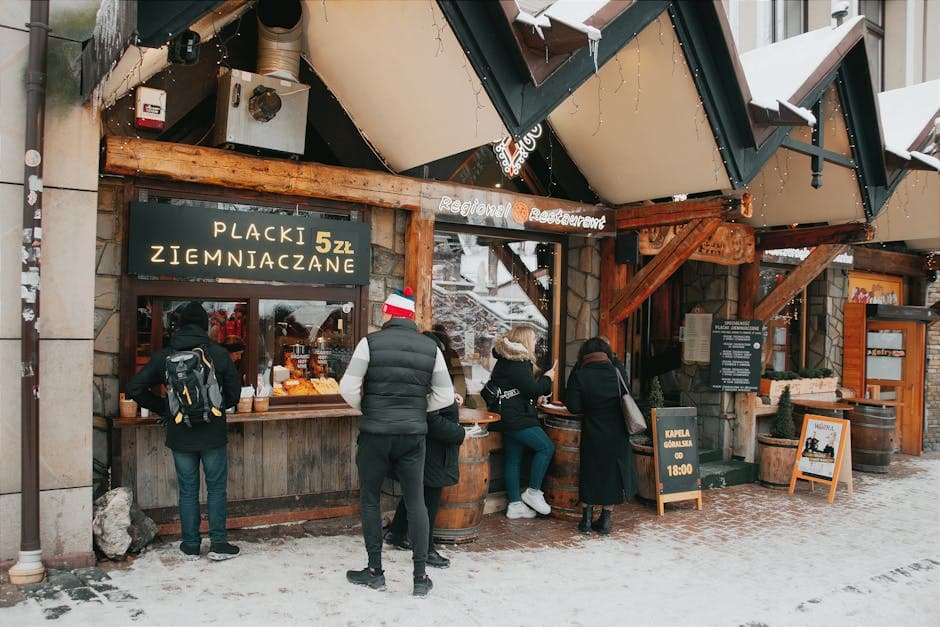
Pierogi são os embaixadores globais - bolinhos de meia-lua recheados com batata e queijo de fazenda (ruskie), chucrute e cogumelos, carne ou frutas da estação, cozidos e muitas vezes fritos na manteiga com cebola. Ao redor deles há um cânone vigoroso: kotlet schabowy, a costeleta de porco à milanesa dos jantares de domingo; gołąbki, rolinhos de repolho com molho de tomate; kiełbasa em dezenas de formas regionais defumadas; e placki ziemniaczane, panquecas de batata crocantes. Linhas culinárias judaicas, lituanas, ucranianas e alemãs permeiam tudo isso, refletindo a amplitude da antiga Commonwealth.
O ritmo é importante na alimentação polonesa. Obiad, a refeição principal, chega no meio da tarde e abre com sopa quase sem exceção – rosół (caldo de galinha dourado com macarrão) aos domingos, sopa de picles ou sopa de tomate no meio da semana. A véspera de Natal (Wigilia) exige doze pratos sem carne, incluindo carpa, barszcz com bolinhos uszka e kutia. A coleta de cogumelos continua sendo um verdadeiro passatempo nacional, e endro, manjerona, pimenta da Jamaica e creme de leite finalizam os pratos do repertório.
Pierogi
Bolinhos de meia-lua cozidos com recheios de batata-queijo ruskie a chucrute-cogumelo, finalizados em manteiga com cebola frita.
Sopas primeiro
Żurek, barszcz, rosół e sopa de picles abrem quase todos os jantares poloneses – agentes acidificantes como centeio fermentado e beterraba são a marca registrada da tradição.
Repolho e Fermentação
O chucrute alimenta o ensopado de caçador de bigos e os recheios de pierogi, enquanto o repolho fresco envolve os rolinhos gołąbki em molho de tomate.
Kiełbasa e carnes defumadas
A cultura da salsicha na Polônia abrange a kiełbasa jałowcowa defumada com zimbro até a biała fresca com alho, grelhada, cozida em sopas ou assada com repolho.
Batatas e laticínios
Panquecas de batata, bolinhos da Silésia e kopytka combinam com creme de leite, queijo twaróg e endro em toda a culinária.
Cogumelos da Floresta
O borowiki seco (porcini) aprofunda bigos, barszcz e uszka de Natal - a coleta de alimentos continua sendo um ritual sazonal vivo.
Os bolinhos Pierogi lideram, seguidos por salsichas kiełbasa, ensopado de caçador de bigos, rolinhos de repolho gołąbki, kotlet schabowy (costeleta de porco à milanesa), sopa de centeio azedo żurek e sopa de beterraba barszcz. A culinária é farta e centrada em carne de porco, repolho, batata, cogumelos e sabores azedos fermentados, com creme de leite e endro como toques finais constantes.
Pierogi e varenyky ucraniano são primos próximos – ambos bolinhos maiores com recheios cozidos como batata, queijo, repolho ou frutas, cozidos e muitas vezes com manteiga. Os pelmeni russos são menores, de casca mais fina e recheados com carne crua temperada que cozinha dentro do bolinho, servido com caldo, creme de leite ou vinagre. O 'ruskie' em pierogi ruskie refere-se à histórica Rutênia Vermelha, não à Rússia.
Os pratos comemorativos tradicionais - bigos, costeletas à milanesa, salsicha - são ricos, mas a alimentação polaca diária inclui pratos muito mais leves: caldo rosół claro, saladas de pepino e tomate (mizeria, surówki) em todos os jantares, vegetais fermentados, kefir e leitelho, e sopas de frutas de verão. Alimentos fermentados como chucrute, centeio azedo e picles dão à cozinha uma acidez brilhante que reduz a riqueza.
Panquecas de batata (placki ziemniaczane) são quase infalíveis: batata e cebola raladas, ovo, farinha, batata frita e servida com creme de leite. Para um projeto principal, faça pierogi ruskie - a massa é apenas farinha, água e um pouco de gordura, e o recheio de batata e queijo é indulgente. Ferva e doure na manteiga com cebola.
Wigilia, a ceia da véspera de Natal, é tradicionalmente sem carne, com doze pratos: barszcz de beterraba clara com bolinhos de uszka recheados com cogumelos, carpa frita ou gelatinosa, arenque em óleo ou creme, chucrute com cogumelos, pierogi, kutia ou macarrão de semente de papoula e compota de frutas secas. A refeição começa quando a primeira estrela aparece e começa com a partilha da bolacha opłatek.
Calculadoras e conversores que acompanham esta página — sem cadastro.