
Desserts
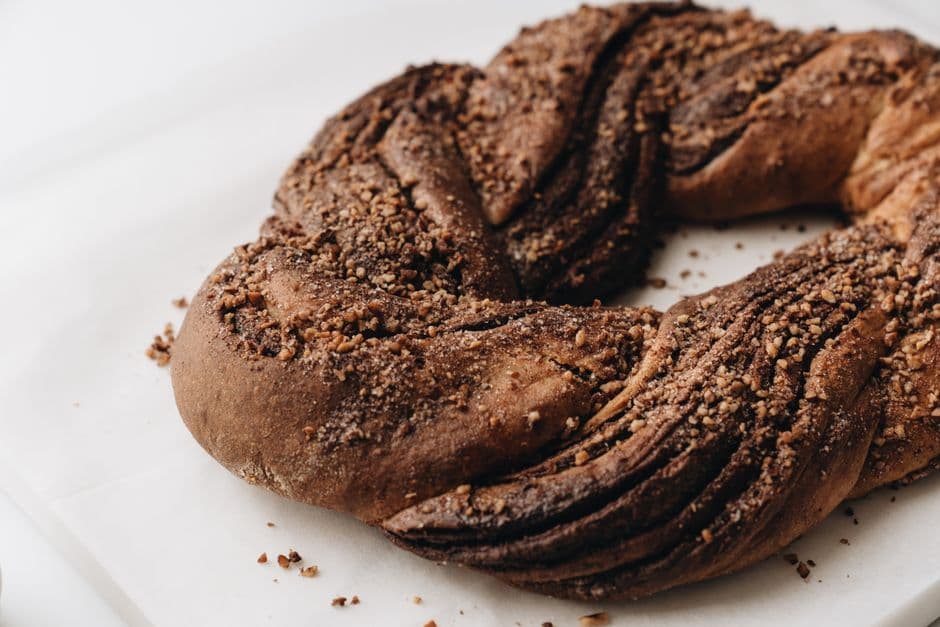
Babka
Recette traditionnelle italienne de babka
75 min380 kcalDifficile
★4.7(1,791)
Bigos, pierogi, żurek – plats réconfortants et réconfortants d’Europe centrale.
D'autres recettes construites autour des mêmes ingrédients principaux.
Suivez ce que vous mangez
Photographiez votre repas pour enregistrer calories et macros, lancez des minuteurs de jeûne et suivez votre hydratation avec l’app gratuite SnapCal.
Planifiez vos repas, suivez votre jeûne et créez votre liste de courses — gratuit
Le tableau de bord MyCookingCalendar fonctionne directement dans votre navigateur, sans téléchargement.
Recette traditionnelle italienne de babka
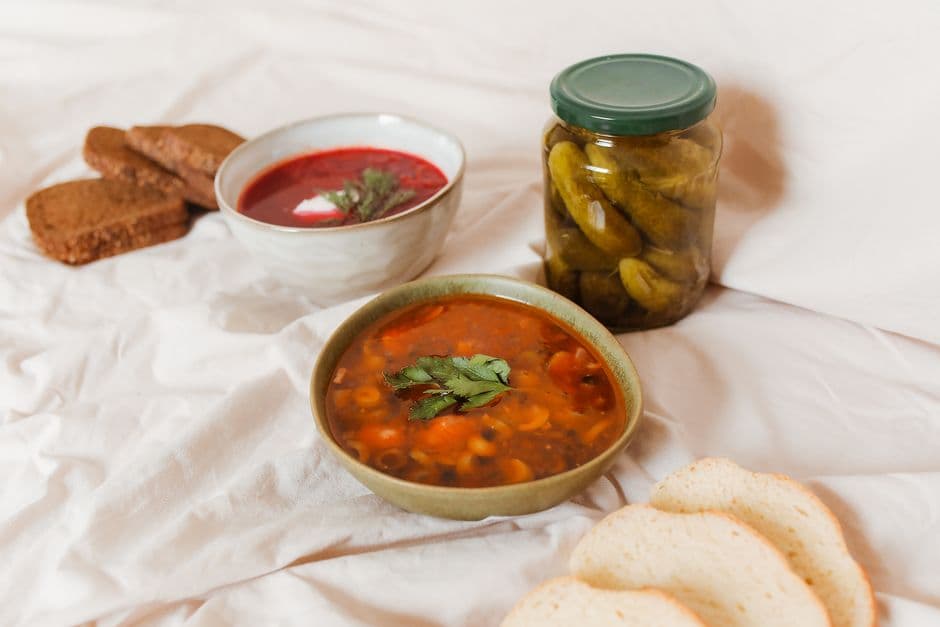
Une soupe épaisse, crémeuse et intensément aigre faite avec de la farine de seigle fermentée, garnie d'œuf dur, saucisse blanche et raifort — la soupe de Pâques la plus emblématique de la Pologne.
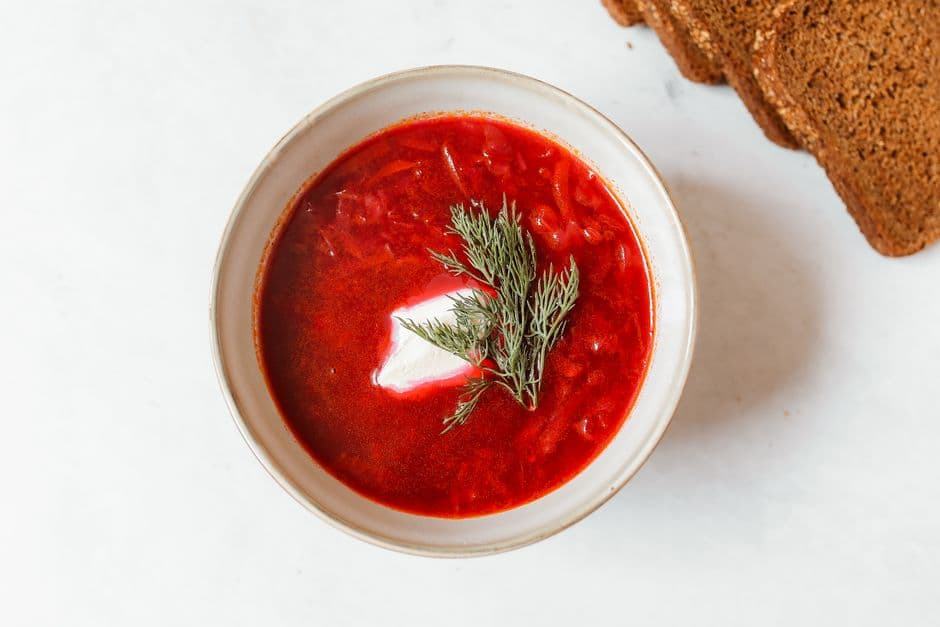
Un consommé de betterave rouge cramoisi brillant avec un goût nettement sucré-aigre — la soupe de Noël polonaise, servie avec de petites boulettes aux champignons.
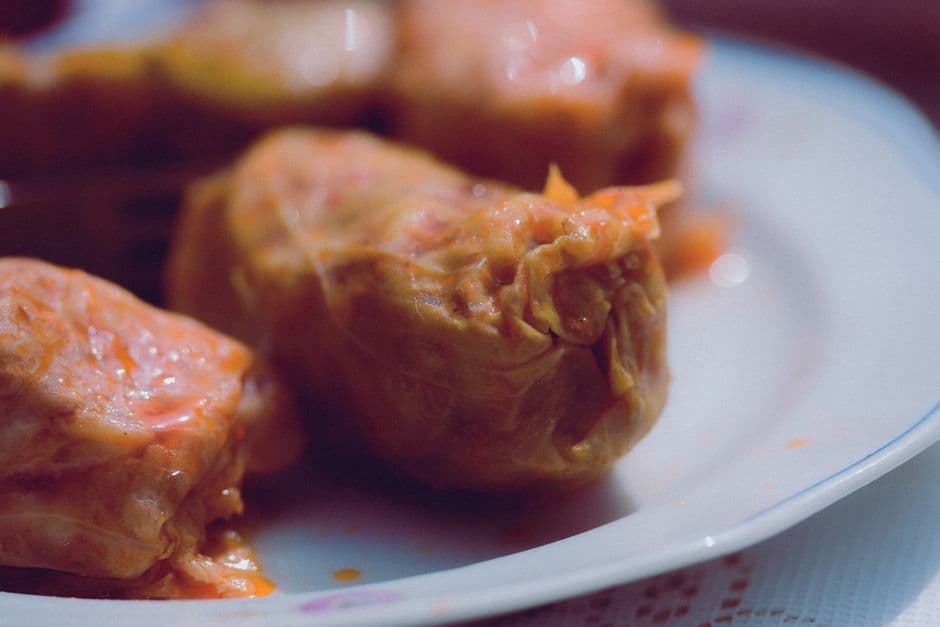
Des feuilles de chou tendre farcies de porc épicé et riz, braisées lentement dans une sauce tomate riche — le plus aimé plat réconfortant familial polonais.
La soupe classique à base de tripes de bœuf polonaise — les tripes de bœuf mijoté lentement dans un bouillon riche et épicé au paprika avec des légumes et de la marjolaine, un plat de résistance chaleureux et réconfortant avec des siècles d'histoire.
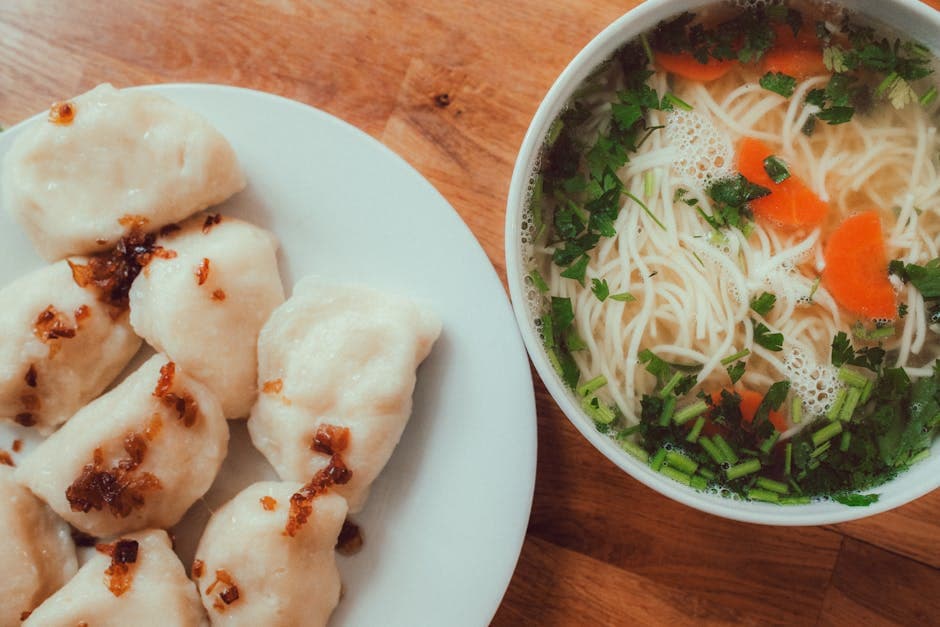
La soupe dorée du dimanche polonaise — un bouillon cristallin et profondément nourrissant avec des nouilles aux œufs minces.
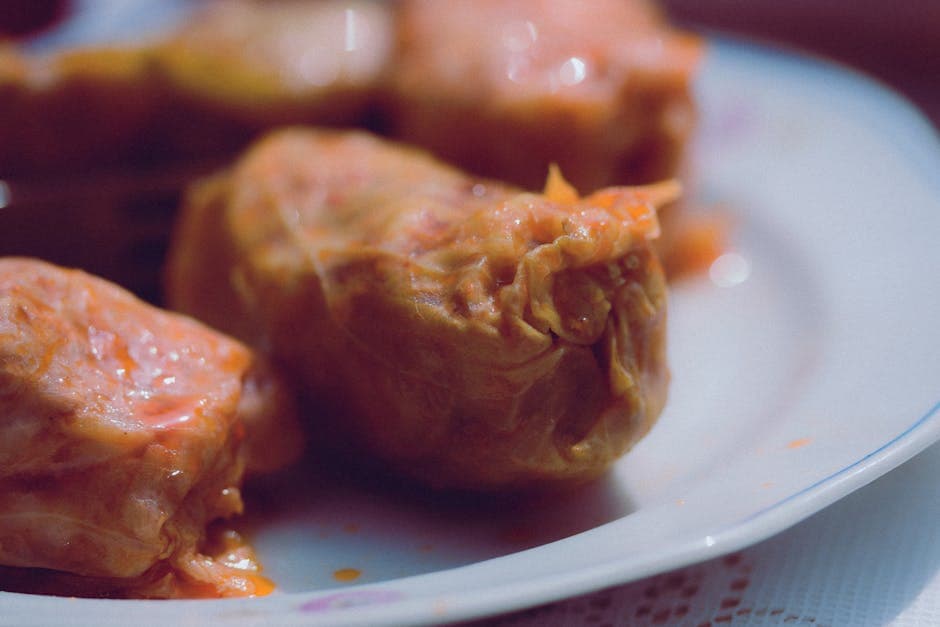
Des feuilles de chou tendres enrobées de porc épicé et de riz, braisées lentement dans une sauce tomate riche - le comfort food polonais par excellence.
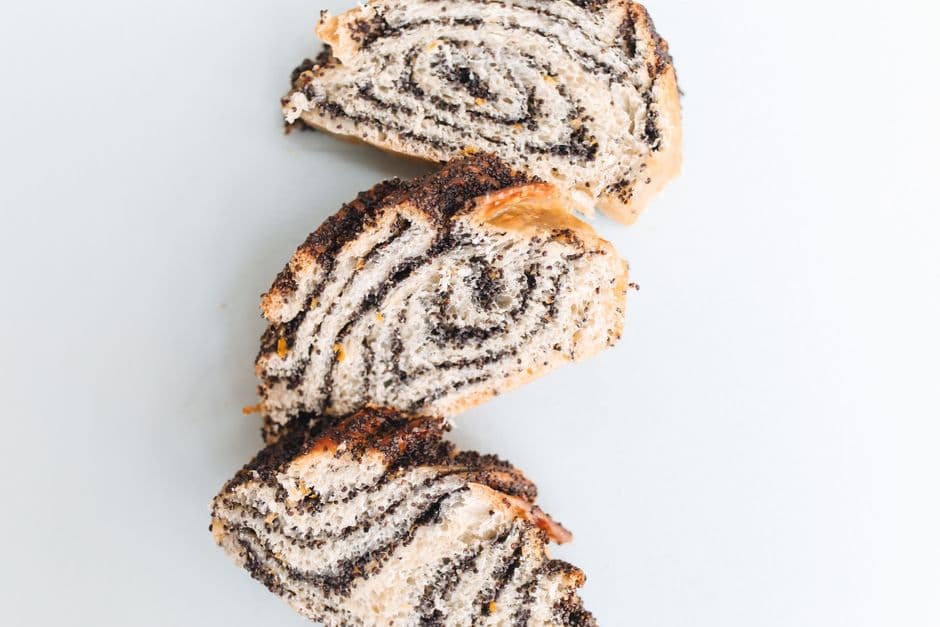
Un rouleau polonais sucré et festif farci de pâte de graines de pavot riche - le centre de table des tables de Noël.

La soupe à la tomate crémeuse polonaise bien-aimée avec du riz - la soupe de confort ultime de l'enfance polonaise.
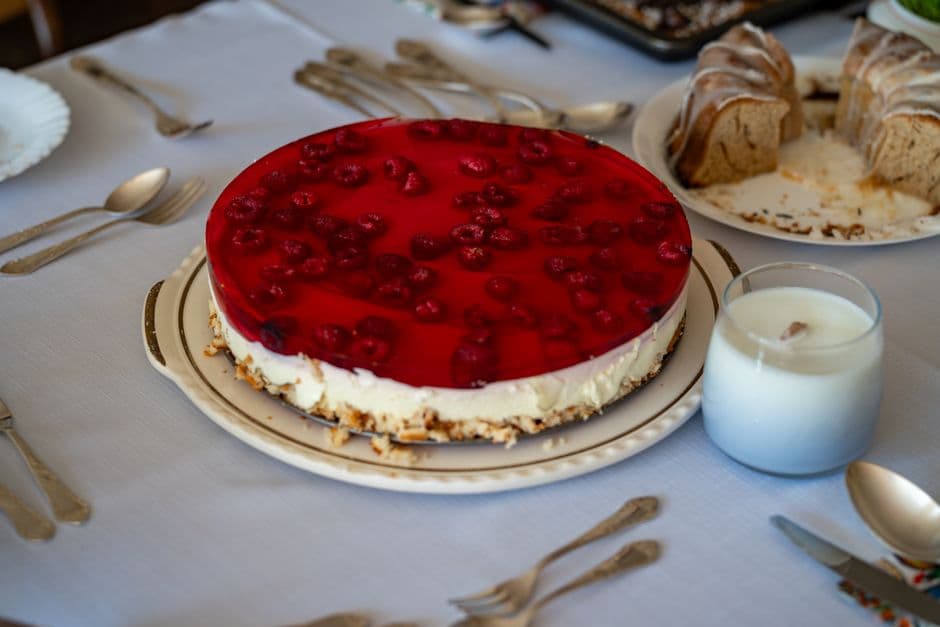
Le gâteau au fromage emblématique de Pologne fait avec du fromage de fermier twaróg - dense, acidulé et totalement distinct de tout autre gâteau au fromage.
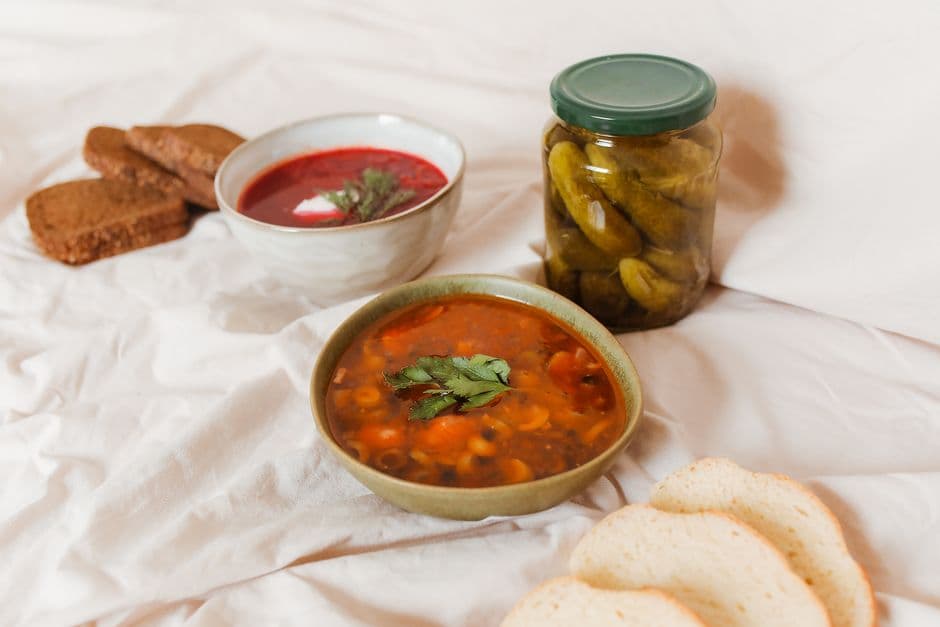
La soupe à seigle aigre emblématique de la Pologne — un bouillon uniquement acidulé fermenté à partir de farine de seigle, servi avec un œuf dur, une saucisse blanche et du raifort, le plat de résistance des Pâques polonaises.
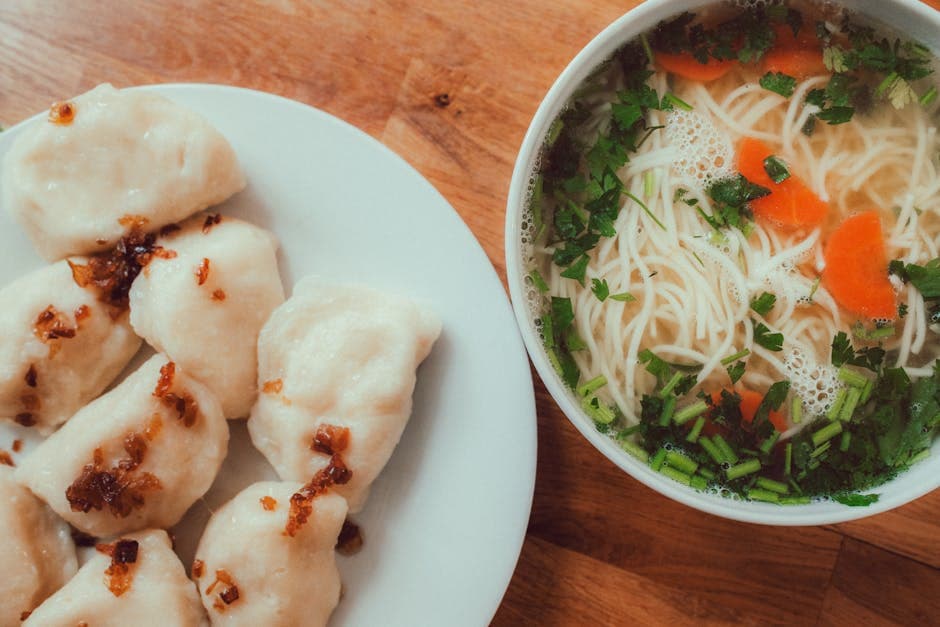
Soupe polonaise aux betteraves rouges vibrante servie claire ou avec de petites boulettes champiginons uszka — le joyau du réveillon de Noël polonais.
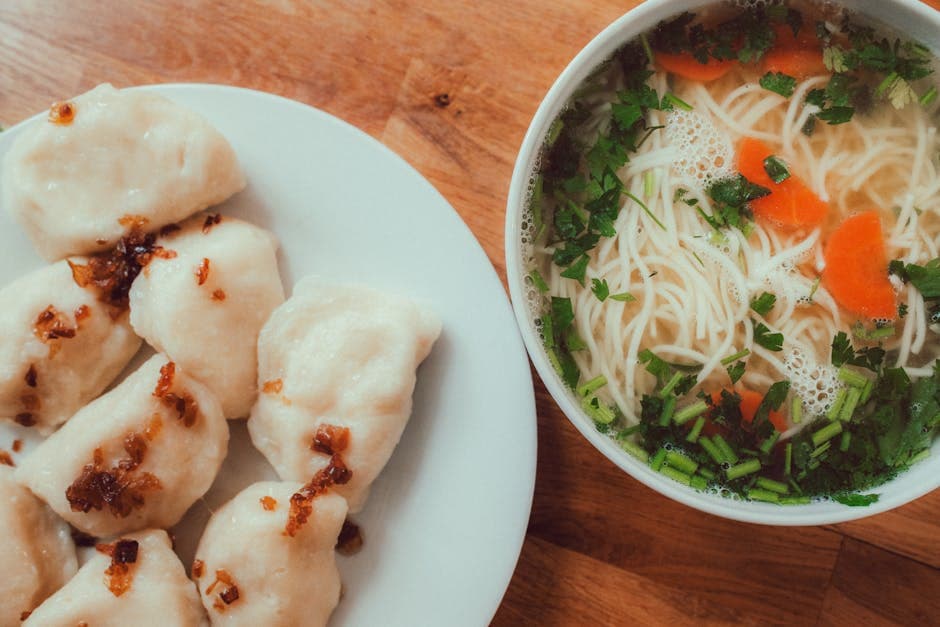
Rouleaux de chou farci polonais avec porc et riz en sauce tomate riche — cuits au four jusqu'à tendre et réconfortant.
Côtelette de porc panée polonaise - la réponse de la Pologne au Schnitzel à la Viennoise, mangée à chaque dîner en famille le dimanche.
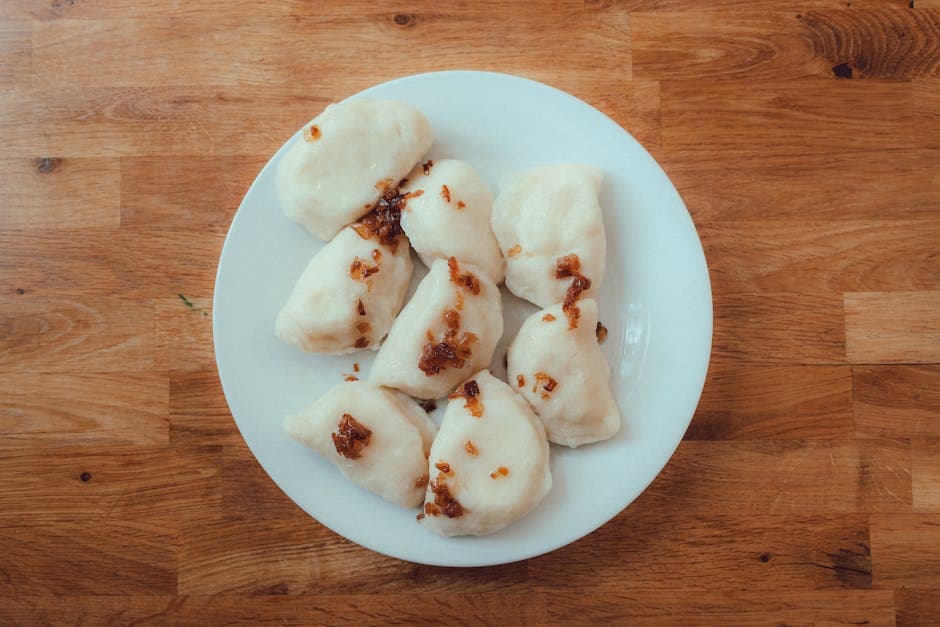
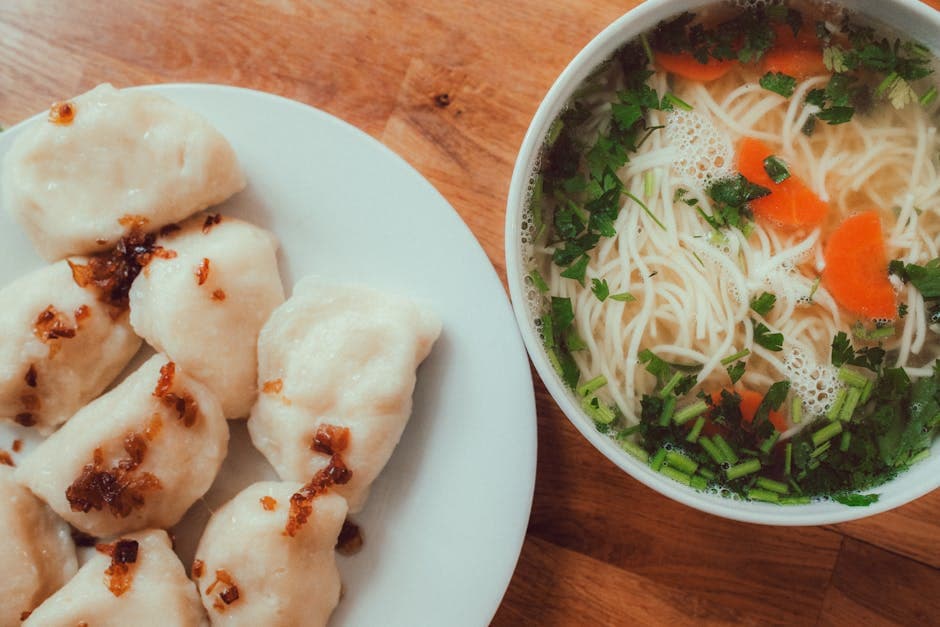
Raviolis polonais garnis de pomme de terre, fromage twaróg et oignon — bouillis, puis poêlés au beurre.

Les boulettes Noël-Veille polonaises remplies champignons sauvages, oignon, et un murmure marjolaine — terreux, fumé, profondément saisonnier.
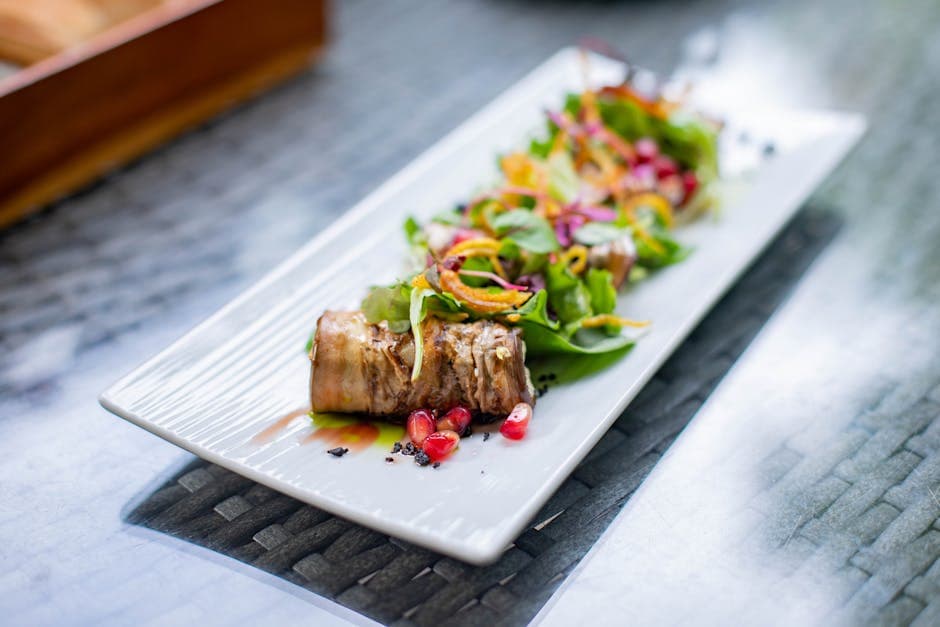
Classique silésien du dimanche — bœuf mince poundé enroulé autour de bacon, cornichon et oignon, braisés lentement dans une sauce foncée avec chou rouge et boulettes.

Le "ragoût du chasseur" emblématique de Pologne — choucroute et chou frais cuits lentement pendant des heures avec du porc, de la kielbasa fumée, des champignons, des pruneaux et du vin rouge jusqu'à obtenir une couleur acajou profonde et complexe.
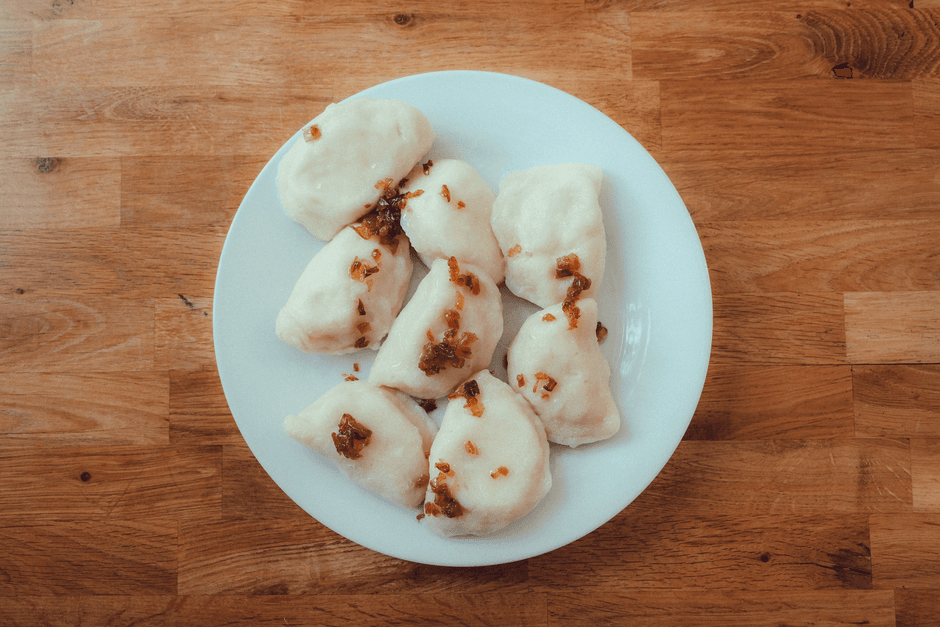
Des dumplings en forme de demi-lune fourrés de pomme de terre crémeuse et de fromage, servis avec des oignons caramélisés et de la crème aigre.
Le bol de riz au citron et aux herbes du marché polonais apporte une saveur polonaise à un bol de riz pratique composé de cuisses de poulet, d'aneth, de crème sure, de chou et de champignons, et une finition d'aneth frais.
La soupe aux tomates fumées du village polonais apporte une saveur polonaise à une soupe pratique composée de champignons, d'aneth, de crème sure, de chou et de champignons, et une finale d'aneth frais.
La poêle au sésame et au citron vert du jardin polonais apporte une saveur polonaise à un dîner à la poêle pratique composé de chou-fleur, d'aneth, de crème sure, de chou et de champignons, et d'une finale d'aneth frais.
Les nouilles au poivre carbonisé Polish Harbour apportent une saveur polonaise à un plat de nouilles pratique composé de nouilles de riz, d'aneth, de crème sure, de chou et de champignons, et d'une finition à l'aneth frais.
La salade polonaise aux herbes vertes des montagnes apporte une saveur polonaise à une salade pratique composée de poulet grillé, d'aneth, de crème sure, de chou et de champignons, et d'une finale d'aneth frais.
Le pain plat au citron et aux herbes du festival polonais apporte une saveur polonaise à un pain plat pratique construit avec de la pâte à pain plat, de l'aneth, de la crème sure, du chou et des champignons, et une finition à l'aneth frais.
Le plateau de tomates fumées style maison polonais apporte une saveur polonaise à un plateau de cuisson pratique composé de patates douces, d'aneth, de crème sure, de chou et de champignons, et d'une finition à l'aneth frais.
Les beignets au sésame et au citron vert Polish Street apportent une saveur polonaise à des beignets pratiques composés de poisson salé, d'aneth, de crème sure, de chou et de champignons, et une finale d'aneth frais.
L'assiette de petit-déjeuner polonaise au poivre doré carbonisé apporte une saveur polonaise à une assiette de petit-déjeuner pratique composée de haricots, d'aneth, de crème sure, de chou et de champignons, et d'une finition d'aneth frais.
Le dessert polonais aux herbes vertes Weeknight apporte une saveur polonaise à un dessert pratique composé de noix de coco, d'aneth, de crème sure, de chou et de champignons, et d'une finale d'aneth frais.
Une soupe piquante et fermentée au seigle avec des saucisses fumées, des pommes de terre et un œuf dur, souvent servie dans un bol de pain.
Concombres tranchés finement salés, égouttés et habillés d'une sauce légère à la crème sure et à l'aneth, un accompagnement estival rafraîchissant.
Crêpes de pommes de terre râpées et croustillantes, liées avec de l'œuf et une touche de farine, servies avec de la crème sure ou du sucre.
De tendres feuilles de chou enroulées autour de viande hachée assaisonnée et de riz, mijotées dans une sauce à base de tomate jusqu'à ce qu'elles soient tendres.
Un cheesecake dense et haut cuit au four à base de fromage fermier twaróg, plus léger et moins riche que les versions new-yorkaises.
Une escalope de porc pilée, panée et poêlée, la réponse polonaise à l'escalope, servie avec des pommes de terre et du chou cuit.
Un bouillon de betterave clair et profondément rouge aigre de jus de betterave fermenté, traditionnellement servi avec des raviolis fourrés aux champignons la veille de Noël.
Une soupe de tripes copieuse et poivrée mijotée pendant des heures avec des légumes-racines et de la marjolaine jusqu'à ce que les tripes deviennent soyeuses et tendres.
Un pain sucré à la levure roulé autour d'une garniture dense et foncée aux graines de pavot, tranché en rondelles tourbillonnantes pour les vacances.
Des boulettes de pommes de terre moelleuses et moelleuses en forme de petits sabots, bouillies et poêlées avec du beurre et de la chapelure.
De grosses boulettes de pommes de terre denses farcies de viande hachée assaisonnée, bouillies et servies avec du beurre fondu et du bacon croustillant.
Crêpes fines roulées autour d'une garniture savoureuse à la viande et aux champignons, panées et frites jusqu'à ce qu'elles soient dorées et croustillantes.
Filets de hareng salés marinés dans une sauce crémeuse et piquante à la crème sure et à l'oignon, un apéritif froid classique.
Tranches de boudin de sarrasin poêlées accompagnées de pommes sucrées caramélisées et d'oignons frits.
Un bouillon de poulet clair et profondément parfumé mijoté avec des légumes-racines, filtré et servi sur de fines nouilles aux œufs.
De délicates pâtisseries frites en forme de ruban, légères et croustillantes, saupoudrées abondamment de sucre en poudre pour la saison du Carnaval.
Kielbasa polonais grillé sur seigle avec moutarde, cornichons et oignon caramélisé — un copieux sandwich ouvert à base de la saucisse préférée des Polonais.
Pommes de terre étagées et hareng mariné cuits dans une sauce crémeuse à l'aneth — une version côtière polonaise d'un plat de pommes de terre classique.
De tendres boulettes de viande de porc et de bœuf mijotées dans une sauce à l'oignon profondément caramélisée – le klopsiki maison de Pologne, servi sur du kasza ou des pommes de terre.
Haricots blancs mijotés avec des saucisses fumées et du bacon dans une sauce tomate-paprika – le ragoût de haricots copieux de Pologne, malgré son nom à consonance française.
Une omelette copieuse remplie de dés de kielbasa fumé, de pommes de terre et de poivre noir – un petit-déjeuner campagnard polonais copieux.
Du millet grillé mijoté dans une bouillie crémeuse avec une compote de pommes et un filet de miel – un bol de céréales traditionnel polonais pour le petit-déjeuner.
Truite entière cuite au four avec un généreux beurre aux herbes, un clin d'œil à la tradition polonaise de la pêche en eau douce et à l'amour de l'aneth.
Concombres tranchés finement pliés dans une vinaigrette légère à la crème sure et à l'aneth - la salade d'été la plus simple et la plus appréciée de Pologne, la mizeria.
Un bouillon de poulet doré mijoté lentement avec de fines nouilles aux œufs et de l'aneth frais – la soupe du dimanche classique de Pologne, le rosół.
Un poulet entier frotté de marjolaine et rôti sur des oignons profondément caramélisés – une pièce maîtresse du dimanche à base d'herbe savoureuse emblématique de la Pologne.
Chou et pommes de terre étagés cuits avec des graines de carvi et une sauce à la crème légère – une pâtisserie de légumes de ferme polonaise construite sur deux produits de base du garde-manger.
De fines bandes de pâte torsadées, frites jusqu'à ce qu'elles soient croustillantes et saupoudrées de sucre en poudre – la pâtisserie polonaise préférée du carnaval, le faworki.
Crêpes de pommes de terre polonaises croustillantes, fraîches râpées et frites dorées, servies avec une cuillerée de crème sure à l'aneth.
Gruau de sarrasin polonais grillé (kasza gryczana) agrémenté de kielbasa doré, de pomme caramélisée et d'aneth frais.
Nouilles aux œufs à la polonaise agrémentées de saumon dans une sauce à l'aneth et à la crème sure, un plat réconfortant de la côte Baltique.
Une copieuse soupe polonaise aux pois cassés grochówka, épaissie et servie dans un bol avec du kielbasa fumé et de la marjolaine.
Poivrons farcis de la garniture gołąbki polonaise classique à base de porc, de riz et de marjolaine, cuits dans une sauce tomate-crème aigre.
Chou-fleur entier bouilli cuit sous une couverture de chapelure beurrée dorée, un plat d'accompagnement polonais simple et classique.
Une galette de porc et de bœuf de style kotlet mielony polonais, liée avec du pain trempé et de la marjolaine, frite dans du beurre et servie sur un petit pain.
Kisiel polonais soyeux, un pudding épaissi aux fruits à base de fruits rouges et de fécule de pomme de terre, servi frais avec de la crème.
Une assiette polonaise de Wigilia pour le réveillon de Noël, composée de barszcz à la betterave rubis clair, servie avec des pierogi aux champignons sans viande et à la choucroute.
La cuisine polonaise s'est forgée au fil des hivers rigoureux, des plaines fertiles et des siècles passés au carrefour de l'Europe. Ses bases sont les céréales, le porc, le chou, les betteraves, les champignons et les produits laitiers – conservés par fermentation, fumage et marinage. Les saveurs acidulées sont une signature nationale : żurek, une soupe aigre avec du seigle fermenté ; barszcz de betteraves fermentées; kapusta kiszona (choucroute) en bigos, le ragoût du chasseur qui combine du chou frais et aigre avec plusieurs viandes et champignons forestiers séchés, traditionnellement amélioré au fil des jours de réchauffage.
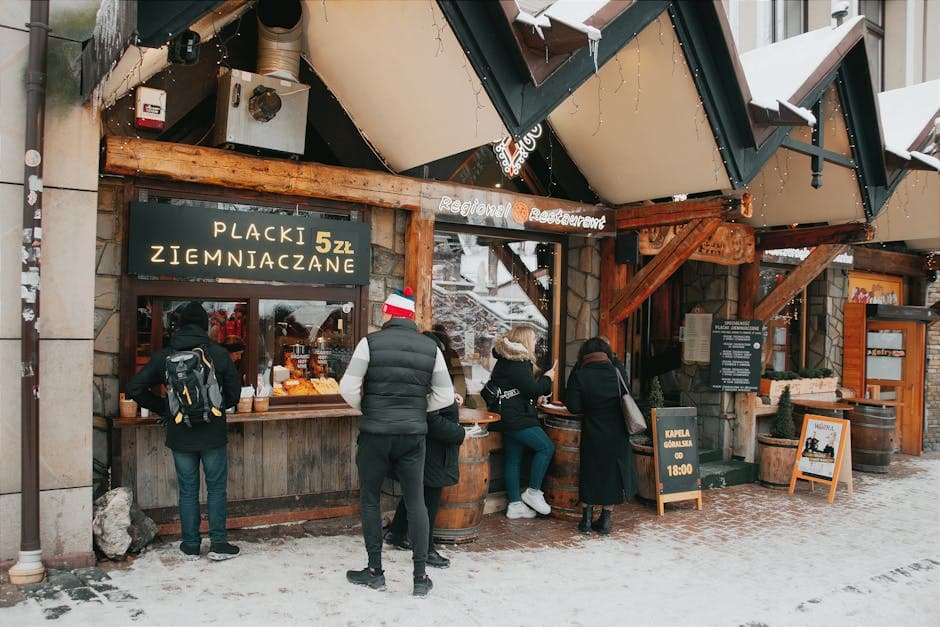
Les Pierogi sont les ambassadeurs mondiaux : des dumplings en demi-lune fourrés à la pomme de terre et au fromage fermier (ruskie), à la choucroute et aux champignons, à la viande ou aux fruits de saison, bouillis puis souvent poêlés dans du beurre avec des oignons. Autour d'eux se dresse un copieux canon : le kotlet schabowy, l'escalope de porc panée des dîners du dimanche ; gołąbki, rouleaux de chou à la sauce tomate ; kiełbasa sous des dizaines de formes fumées régionales ; et placki ziemniaczane, galettes de pommes de terre croustillantes. Des influences culinaires juives, lituaniennes, ukrainiennes et allemandes traversent tout cela, reflétant l'étendue de l'ancien Commonwealth.
Le rythme compte dans l’alimentation polonaise. L'obiad, le repas principal, arrive en milieu d'après-midi et s'ouvre avec une soupe presque sans exception – rosół (bouillon de poulet doré avec des nouilles) le dimanche, soupe aux cornichons ou soupe aux tomates en milieu de semaine. La veille de Noël (Wigilia) demande douze plats sans viande, dont la carpe, le barszcz avec des boulettes d'uszka et le kutia. La cueillette des champignons reste un véritable passe-temps national, et l'aneth, la marjolaine, le piment de la Jamaïque et la crème sure complètent les plats du répertoire.
Pierogi
Dumplings bouillis en demi-lune avec des garnitures allant du ruskie aux pommes de terre et au fromage à la choucroute et aux champignons, finis dans du beurre avec des oignons frits.
Les soupes d'abord
Le Żurek, le barszcz, le rosół et la soupe aux cornichons ouvrent presque tous les dîners polonais – les agents acidifiants comme le seigle fermenté et les betteraves sont la marque de fabrique de la tradition.
Chou & Fermentation
La choucroute alimente le ragoût de chasseur de bigos et les garnitures de pierogi, tandis que le chou frais enveloppe les rouleaux de gołąbki dans une sauce tomate.
Kiełbasa et viandes fumées
La culture de la saucisse polonaise s'étend du kiełbasa jałowcowa fumé au genièvre au biała frais à l'ail, grillé, bouilli dans des soupes ou cuit au four avec du chou.
Pommes de terre et produits laitiers
Les crêpes de pommes de terre, les boulettes de Silésie et la kopytka se marient avec la crème sure, le fromage fermier twaróg et l'aneth dans toute la cuisine.
Champignons forestiers
Les borowiki (cèpes) séchés approfondissent les bigos, les barszcz et l'uszka de Noël – la recherche de nourriture reste un rituel saisonnier vivant.
Les raviolis Pierogi sont en tête, suivis des saucisses kiełbasa, du ragoût de chasseur bigos, des rouleaux de chou gołąbki, du kotlet schabowy (escalope de porc panée), de la soupe de seigle aigre żurek et de la soupe de betterave barszcz. La cuisine est copieuse et centrée sur le porc, le chou, les pommes de terre, les champignons et les saveurs aigres fermentées, avec de la crème sure et de l'aneth comme touches finales constantes.
Pierogi et varenyky ukrainiens sont de proches cousins : tous deux des boulettes plus grosses avec des garnitures cuites comme des pommes de terre, du fromage, du chou ou des fruits, bouillies et souvent beurrées. Les pelmeni russes sont plus petits, à la peau plus fine et remplis de viande crue assaisonnée qui cuit à l'intérieur de la boulette, servie avec du bouillon, de la crème sure ou du vinaigre. Le «ruskie» dans pierogi ruskie fait référence à la Ruthénie rouge historique, et non à la Russie.
Les plats de fête traditionnels – bigos, côtelettes panées, saucisses – sont riches, mais la cuisine polonaise quotidienne comprend des plats beaucoup plus légers : bouillon rosół clair, salades de concombres et de tomates (mizeria, surówki) à chaque dîner, légumes fermentés, kéfir et babeurre, et soupes de fruits d'été. Les aliments fermentés comme la choucroute, le seigle aigre et les cornichons confèrent à la cuisine une acidité vive qui en réduit la richesse.
Les crêpes de pommes de terre (placki ziemniaczane) sont presque infaillibles : pomme de terre et oignon râpés, œuf, farine, croustillant frit et servis avec de la crème sure. Pour un projet phare, réalisez des pierogi ruskie : la pâte est juste de la farine, de l'eau et un peu de graisse, et la garniture pomme de terre-fromage fermier est indulgente. Faire bouillir, puis faire revenir dans le beurre avec les oignons.
Wigilia, le dîner du réveillon de Noël, est traditionnellement sans viande et comprend douze plats : des barres de betteraves claires avec des quenelles d'uszka fourrées aux champignons, des carpes frites ou en gelée, du hareng à l'huile ou à la crème, de la choucroute aux champignons, des pierogi, des nouilles kutia ou aux graines de pavot et une compote de fruits secs. Le repas commence lorsque la première étoile apparaît et commence par le partage de la plaquette opłatek.
Calculateurs et convertisseurs qui accompagnent cette page — sans inscription.
Calculateur de proportions
Divisez par deux ou doublez chaque quantité de cette recette sans calcul mental.
Convertisseur de mesures
Convertissez tasses, grammes, onces et millilitres dans les deux sens.
Convertisseur pour friteuse à air
Convertissez le temps et la température du four en réglages pour friteuse à air.