Tafelspitz
Vienna's most elegant dish — prime beef simmered in a fragrant vegetable broth until silky tender, served with creamed spinach, rösti and apple-horseradish sauce.
Wiener schnitzel, Tafelspitz, Kaiserschmarrn — cuisine raffinée d'Europe centrale.
La cuisine autrichienne est la cuisine d'un empire. La Vienne des Habsbourg a absorbé des plats de Hongrie (gulasch), de Bohême (knödel dumplings et powidl), des Balkans (reisfleisch à la serbe) et d'ailleurs, les affinant dans la Wiener Küche – l'une des rares cuisines portant le nom d'une ville. L'escalope viennoise est son étendard : une escalope de veau pilée finement, panée dans de la farine, de l'œuf et de la chapelure fine, frite dans du beurre clarifié jusqu'à ce que la croûte souffle loin de la viande, servie avec une salade de citron et de pommes de terre habillée de bouillon et de vinaigre, jamais de crème.
Le bœuf jouit d’un prestige hors du commun. Le Tafelspitz – du bœuf bouilli d'une coupe spécifique, servi avec une sauce aux pommes, au raifort et à la ciboulette et des pommes de terre façon rösti – était le plat préféré de l'empereur François-Joseph et reste le plat déterminant de Vienne. Autour d'elle se trouve une copieuse couche alpine : Tiroler gröstl (poêle au bacon et aux pommes de terre avec œuf au plat), poulet frit de Styrie avec salades à l'huile de graines de citrouille et Käsespätzle dans les provinces de l'ouest. Le fiakergulasch riche en paprika, servi avec des saucisses et un œuf au plat, montre l'héritage hongrois pleinement naturalisé.
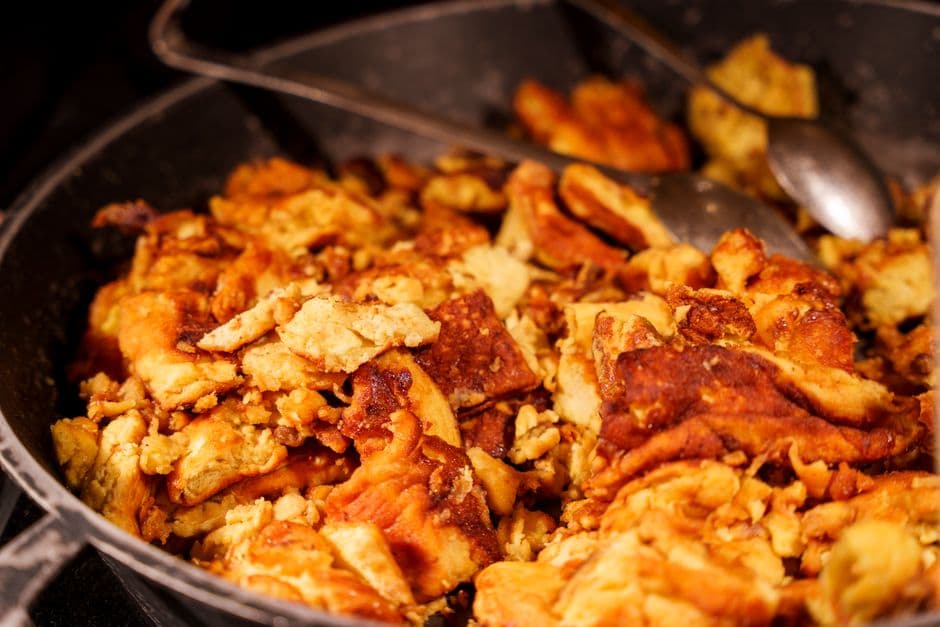
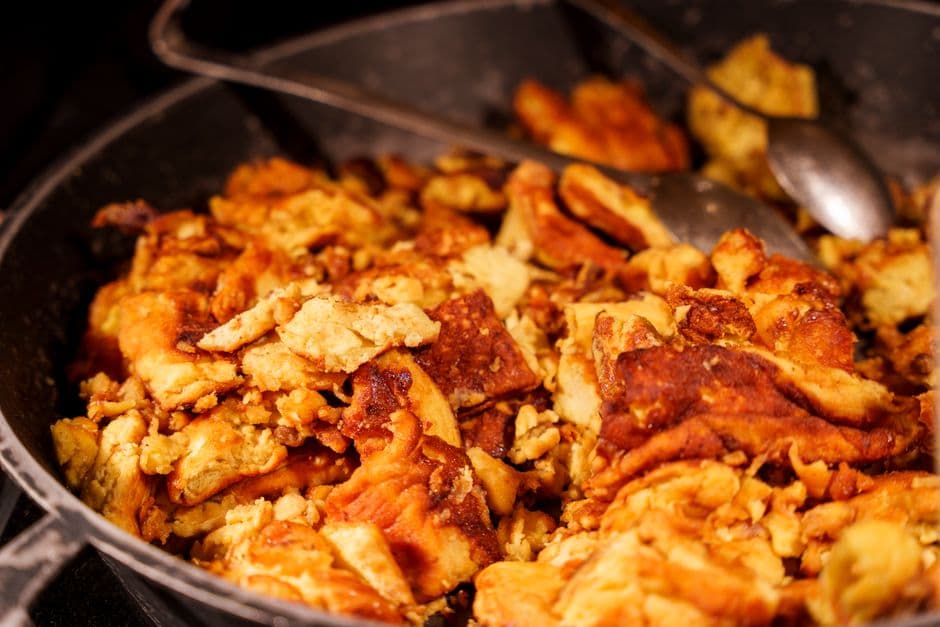
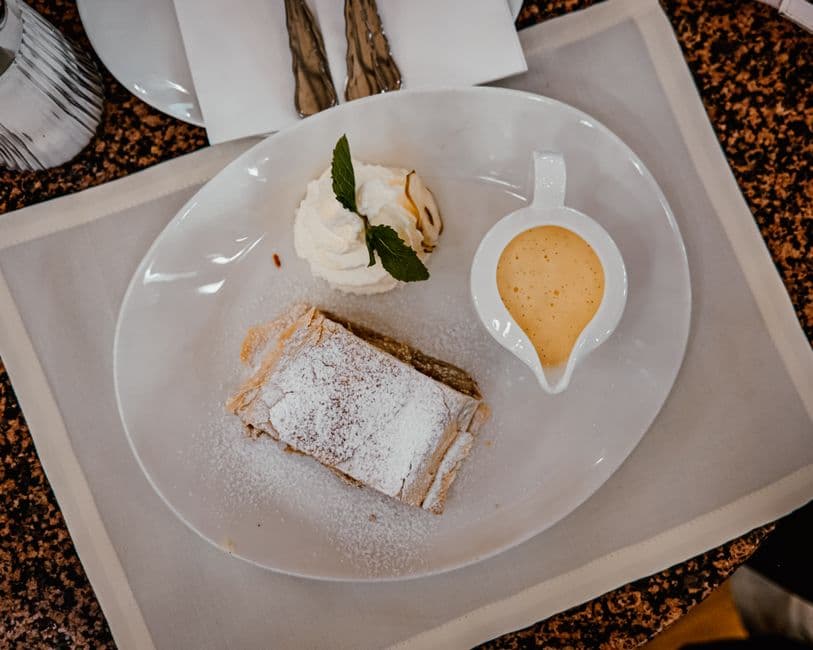
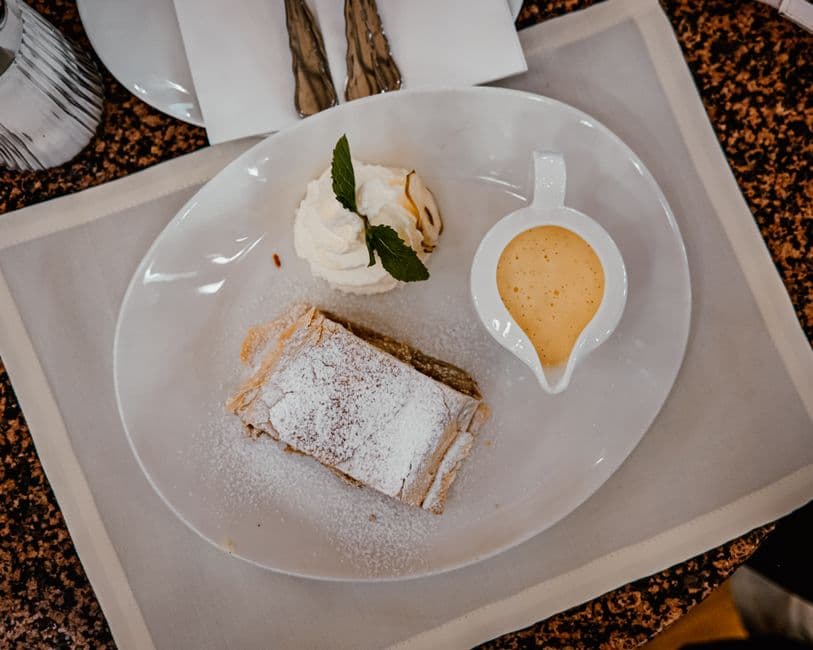
Aucune tradition ne surpasse le Mehlspeisen, ces friandises autrichiennes à base de farine qui mélangent dessert et plat principal. Apfelstrudel exige que la pâte soit étirée jusqu'à ce que le journal puisse être lu à travers ; La Sachertorte (gâteau au chocolat avec confiture d'abricots, né d'une improvisation culinaire de Franz Sacher en 1832) a déclenché une célèbre bataille juridique sur l'authenticité ; Le Kaiserschmarrn, une crêpe caramélisée râpée avec une compote de prunes, était l'homonyme de l'empereur. La culture des cafés viennois, classée au patrimoine mondial de l'UNESCO, encadre le tout avec des tables mélangées et en marbre.
Escalope viennoise
Le veau pilé finement, pané et frit dans du beurre clarifié pour que la croûte gonfle. Selon la loi autrichienne, seules les versions de veau peuvent porter ce nom.
Tafelspitz & Boeuf Bouilli
La tradition impériale du bœuf viennois : tafelspitz mijoté avec des légumes racines, servi avec une sauce pomme-raifort et ciboulette.
Mehlspeisen
Le canon des bonbons à la farine – apfelstrudel, Kaiserschmarrn, palatschinken, Sachertorte – où les desserts peuvent légitimement être un dîner.
Culture Knodel
Dumplings hérités de Bohême dans tous les registres : semmelknödel au pain à côté des rôtis, knödel tyrolien fourrés au speck, marillenknödel à l'abricot pour le dessert.
Gulasch, à la viennoise
Gulyás hongrois naturalisé dans un épais ragoût de bœuf à l'oignon et au paprika, servi sous forme de fiakergulasch avec des saucisses, un œuf au plat et un cornichon.
Tradition du café
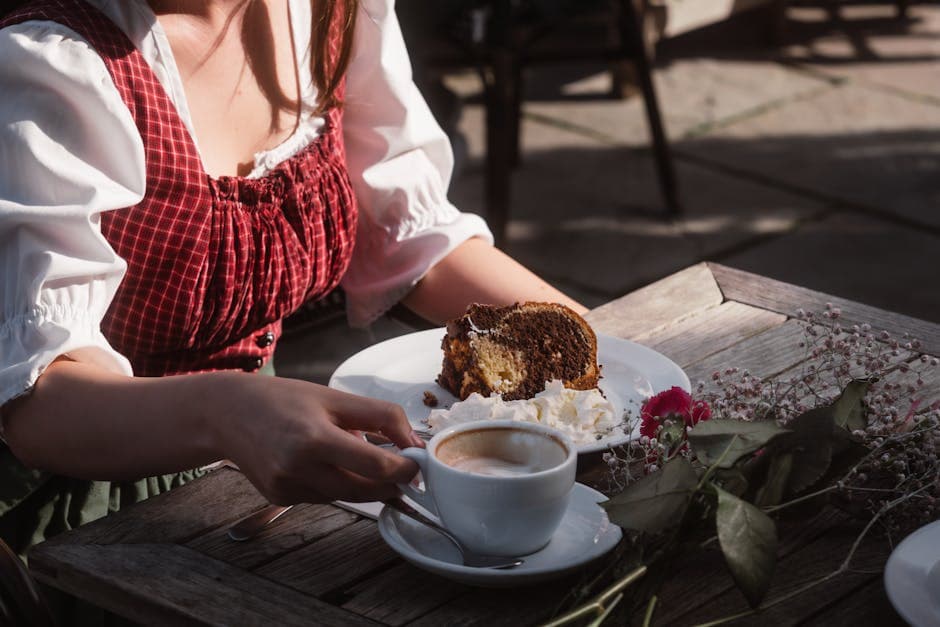
Les cafés viennois, classés au patrimoine mondial de l'UNESCO, servent du mélange et des einspänner avec du strudel et de la tourte – des institutions de restauration, pas de plats à emporter.
Cuisinez les mains libres
Profitez de plans de repas IA, d'un mode cuisine pas à pas et de vos recettes enregistrées dans l'appli gratuite Bento.
Planifiez vos repas, suivez votre jeûne et créez votre liste de courses — gratuit
Le tableau de bord MyCookingCalendar fonctionne directement dans votre navigateur, sans téléchargement.
German & Austrian Cuisine: 28 Traditional Recipes
Explore hearty German and Austrian cooking with 28 traditional recipes from breads to schnitzel to strudel.
8 Recipes to Use Up Leftover Egg Whites
Made a custard, carbonara, or lemon curd and now have a bowl of egg whites with nowhere to go? Eight real recipes — meringue, macarons, pavlova, an omelette — built specifically around egg whites.
8 Recipes to Use Up Leftover Mashed Potatoes
Made too much mash for dinner? Eight real recipes — shepherd's pie, colcannon, boxty, potato-filled dumplings — that are actually built around already-mashed potato.

Vienna's most elegant dish — prime beef simmered in a fragrant vegetable broth until silky tender, served with creamed spinach, rösti and apple-horseradish sauce.

Austria's imperial torn pancake — a golden, airy, rum-soaked scrambled pancake dusted with icing sugar and served with warm plum compote.

Austria's most iconic dish: veal escalope pounded paper-thin, breaded in a soufflé-light coating and fried in clarified butter until golden with the characteristic 'souffle' — served with lemon and lingonberry jam.

A thick, torn and caramelised pancake with raisins, dusted in icing sugar and served with plum compote — Austria's most beloved dessert with a royal history.

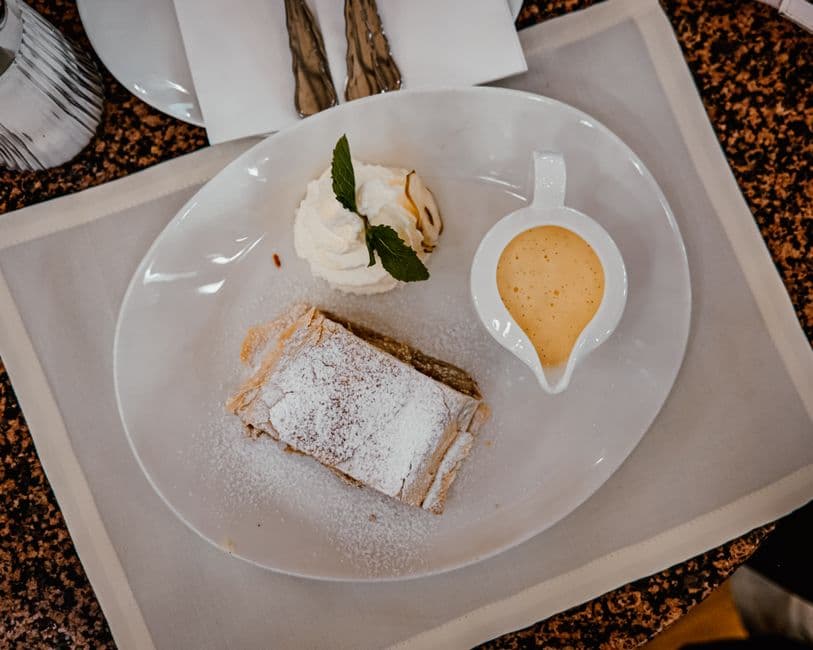
Paper-thin hand-pulled dough filled with spiced apples, raisins and breadcrumbs — the crown jewel of Viennese pastry.

A rich, deeply paprika-spiced beef stew that defines Viennese coffeehouse cooking — darker, silkier and richer than its Hungarian cousin.

Vienna's most elegant boiled beef dish — tender prime boiled beef simmered in aromatic broth with root vegetables, served with horseradish cream and chive sauce.

Emperor's torn pancake — a thick, caramelized shredded pancake with raisins dusted with icing sugar, served with plum compote; Austria's most beloved dessert.

The definitive Wiener Schnitzel — veal escalope coated in just flour, egg, and breadcrumbs then pan-fried in clarified butter until the breading puffs and rises from the meat.

Austria's most iconic dish — veal pounded impossibly thin, breaded, and fried in clarified butter until golden and puffy.

Classic Viennese apple strudel — paper-thin pastry filled with cinnamon apples, raisins, and walnuts.

Vienna's beloved beef sirloin topped with a mountain of crispy fried onion rings in a rich beef jus.

Vienna's most elegant cake — hazelnut-almond meringue layers sandwiched with rum buttercream, topped with fondant.

Vienna's beloved boiled beef with marrow bones, served with apple-horseradish sauce and chive sauce.

Viennese boiled beef served with apple-horseradish sauce and roasted bone marrow — Austria's most refined main course.

Three golden soufflé dumplings representing the mountains around Salzburg — Austria's most dramatic dessert.

Austrian potato goulash with paprika, onions and frankfurt sausages — a hearty Viennese meatless weeknight dish.

Austrian cream cheese strudel with raisins and vanilla in wafer-thin flaky pastry — a Viennese coffeehouse classic.

Austria's most famous veal cutlet — pounded thin, breaded, fried in butter, served with lemon and parsley potatoes.

Vienna's icon — milk-fed veal pounded paper-thin, dredged in flour-egg-breadcrumb, swim-fried in foaming butter until golden and crisp.

Austria's torn caramelised pancake — fluffy whisked batter with rum-plumped raisins, cooked in butter, ripped into ragged pieces, dusted with icing sugar and served with plum compote.
Austrian Market Lemon Herb Rice Bowl brings austrian flavor to a practical rice bowl built with chicken thighs, butter, poppy seeds, apples and breadcrumbs, and a fresh chives finish.
Austrian Village Smoky Tomato Soup brings austrian flavor to a practical soup built with mushrooms, butter, poppy seeds, apples and breadcrumbs, and a fresh chives finish.
Austrian Garden Sesame Lime Skillet brings austrian flavor to a practical skillet dinner built with cauliflower, butter, poppy seeds, apples and breadcrumbs, and a fresh chives finish.
Austrian Harbor Charred Pepper Noodles brings austrian flavor to a practical noodle dish built with rice noodles, butter, poppy seeds, apples and breadcrumbs, and a fresh chives finish.
Austrian Mountain Green Herb Salad brings austrian flavor to a practical salad built with grilled chicken, butter, poppy seeds, apples and breadcrumbs, and a fresh chives finish.
Austrian Festival Lemon Herb Flatbread brings austrian flavor to a practical flatbread built with flatbread dough, butter, poppy seeds, apples and breadcrumbs, and a fresh chives finish.
Austrian Homestyle Smoky Tomato Traybake brings austrian flavor to a practical traybake built with sweet potatoes, butter, poppy seeds, apples and breadcrumbs, and a fresh chives finish.
Austrian Street Sesame Lime Fritters brings austrian flavor to a practical fritters built with salted fish, butter, poppy seeds, apples and breadcrumbs, and a fresh chives finish.
Austrian Golden Charred Pepper Breakfast Plate brings austrian flavor to a practical breakfast plate built with beans, butter, poppy seeds, apples and breadcrumbs, and a fresh chives finish.
Austrian Weeknight Green Herb Dessert brings austrian flavor to a practical dessert built with coconut, butter, poppy seeds, apples and breadcrumbs, and a fresh chives finish.
A thin, pounded veal cutlet coated in a delicate, puffy breadcrumb crust, fried until golden and served with lemon.
Slow-poached beef in a rich vegetable broth, sliced thin and served with apple-horseradish sauce and chive sauce.
A fluffy pancake torn into caramelized pieces while cooking, dusted with powdered sugar and served with plum compote.
A deeply savory paprika-braised beef stew with a mountain of caramelized onions, thicker and less soupy than its Hungarian cousin.
Paper-thin hand-stretched pastry rolled around spiced apples, raisins and breadcrumbs, baked until golden and flaky.
Half-moon dumplings filled with a tangy farmer's cheese, potato and mint mixture, boiled and served with browned butter.
A dense chocolate sponge cake layered with apricot jam and coated in a glossy dark chocolate glaze, Vienna's most famous cake.
A classic Viennese beef goulash topped with a fried egg, a sliced frankfurter and a tangy pickled cucumber.
A clear beef broth studded with soft, tender semolina dumplings, a simple, comforting first course of Austrian home cooking.
Thinly sliced warm potatoes dressed in a tangy broth, vinegar and mustard dressing, the classic Austrian companion to schnitzel.
Whole fresh apricots wrapped in a soft potato or quark dough, boiled, then rolled in buttery cinnamon breadcrumbs.
A pan-seared beef steak topped with a mountain of crispy fried onions, a classic Viennese restaurant staple.
Soft, pillowy yeasted rolls baked close together and filled with apricot or plum jam, brushed with butter, a beloved Austrian teatime treat.
A crumbly, spiced ground-almond and hazelnut pastry shell filled with tart red currant jam and topped with a lattice crust.
Rye bread topped with a paprika-spiced cheese spread flecked with caraway and onion — a beloved Austrian tavern snack, liptauer.
Torn caramelized pancake pieces baked with a custard until golden — a bread-pudding-style take on Austria's beloved kaiserschmarrn.
Tender beef and pork patties seasoned with marjoram and black pepper, pan-fried until golden — Austria's everyday fleischlaberl.
A hearty bean soup simmered with smoked sausage and a touch of paprika-driven heat — a warming Austrian farmhouse stew.
A soft, folded omelette filled with a generous mix of fresh garden herbs and a touch of sour cream — a simple, refined Austrian breakfast.
Light, fluffy semolina dumplings simmered in a clear beef broth with fresh chives — a beloved Austrian soup, grießnockerlsuppe.
Whole trout baked and finished with a nutty brown butter and toasted almonds — an Alpine Austrian fish dish, forelle blau style adapted.
Thin, delicate crepes filled with sugar and a squeeze of fresh lemon, rolled and dusted with powdered sugar — Austria's beloved palatschinken.
Warm sliced potatoes dressed in a tangy vinegar and mustard dressing with chives — Austria's classic no-mayonnaise potato salad, erdäpfelsalat.
A whole chicken rubbed with marjoram, garlic and black pepper and roasted until deeply golden — a straightforward Austrian Sunday dinner.
Roasted peppers, onion and potatoes baked with a warm paprika and caraway seasoning — a hearty Austrian vegetable side dish.
Buttery almond crescent cookies rolled in vanilla sugar — Austria's beloved Christmas cookie, vanillekipferl.
Torn, caramelized Austrian pancake pieces brightened with lemon zest and fresh herbs, dusted with powdered sugar.
A hearty Austrian pearl barley bowl with roasted garlic, mushrooms and melted Alpine cheese.
Pan-seared Alpine lake fish over buttery pepper rice, finished with a squeeze of lime and fresh dill.
A tangy Austrian lentil salad with lemon, mustard vinaigrette, red onion and fresh herbs, served warm or at room temperature.
Classic Austrian stuffed peppers filled with rice, ground beef and roasted garlic, simmered in a light tomato sauce.
A creamy Austrian paprika chicken casserole with bell peppers, baked with a light sour cream and lime finish.
A crisp breaded pork schnitzel served burger-style with a bright lemon and fresh herb sauce.
A warm Austrian semolina pudding, lightly spiced with cracked pepper, topped with a tart lime-berry compote.
A festive Austrian roast goose plate with red cabbage and crisp turmeric-golden roasted potatoes.
L'escalope viennoise est en tête, suivie du bœuf bouilli Tafelspitz, du gulasch, des boulettes de pain, du Käsespätzle et d'une tradition de desserts exceptionnelle : apfelstrudel, Sachertorte, Kaiserschmarrn et Salzburger nockerl. La culture des cafés viennois – mélange, einspänner, tables en marbre, journaux – est elle-même reconnue par l'UNESCO. La cuisine mélange les héritages hongrois, bohèmes, italiens et balkaniques raffinés de la Vienne impériale.
Ils partagent des escalopes, des raviolis, des saucisses et de la bière, mais la cuisine autrichienne est l'héritière la plus cosmopolite de l'empire des Habsbourg : paprika gulasch de Hongrie, knödel et powidl de Bohême, et une culture des desserts bien plus profonde (Mehlspeisen). L'escalope viennoise doit être du veau, tandis que l'escalope allemande est du porc. L'Autriche privilégie également les plats de bœuf bouilli comme le Tafelspitz, rare sur les menus allemands, et l'huile de pépins de citrouille en Styrie.
Veau — en Autriche, le nom « Wiener schnitzel » est légalement protégé et ne peut décrire qu'une escalope de veau panée. La même préparation à base de porc doit être étiquetée « Schnitzel Wiener Art » (à la viennoise). Les caractéristiques sont une escalope fine et uniformément pilée, une panure légère qui gonfle et se plisse de la viande (soufflieren) et une friture dans beaucoup de beurre clarifié, servie simplement avec du citron.
Le Kaiserschmarrn est indulgent et rapide : une pâte à crêpes épaisse aux raisins secs, cuite dans du beurre, déchirée en morceaux, caramélisée avec du sucre et servie avec une compote de prunes (zwetschkenröster). Pour le salé, essayez le Tiroler gröstl : des pommes de terre poêlées, des oignons et du bacon garnis d'un œuf au plat. Le schnitzel lui-même convient également aux débutants si vous gardez l'huile chaude et la côtelette fine.
En 1832, Franz Sacher, un apprenti de seize ans, improvisait un gâteau au chocolat dense avec de la confiture d'abricots et un glaçage au chocolat lorsque son chef de cuisine tomba malade avant un banquet pour le prince Metternich. Son fils fonda plus tard l'Hôtel Sacher, et une bataille judiciaire de plusieurs décennies avec la pâtisserie Demel au sujet du titre « original » prit fin en 1963 : l'Hôtel Sacher obtint le droit au sceau, tandis que Demel vend sa propre version.