
NouveauDîner
Plov
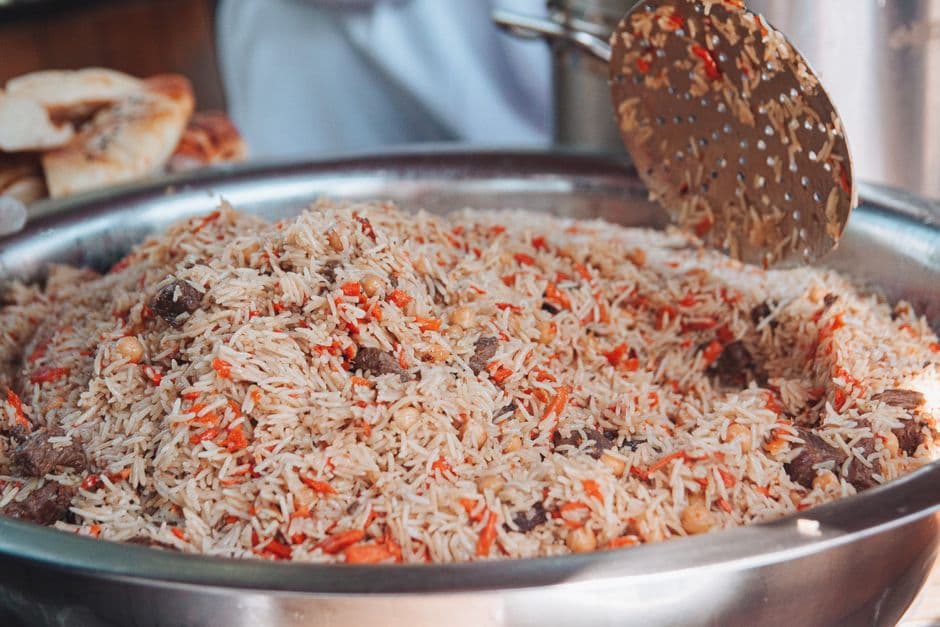
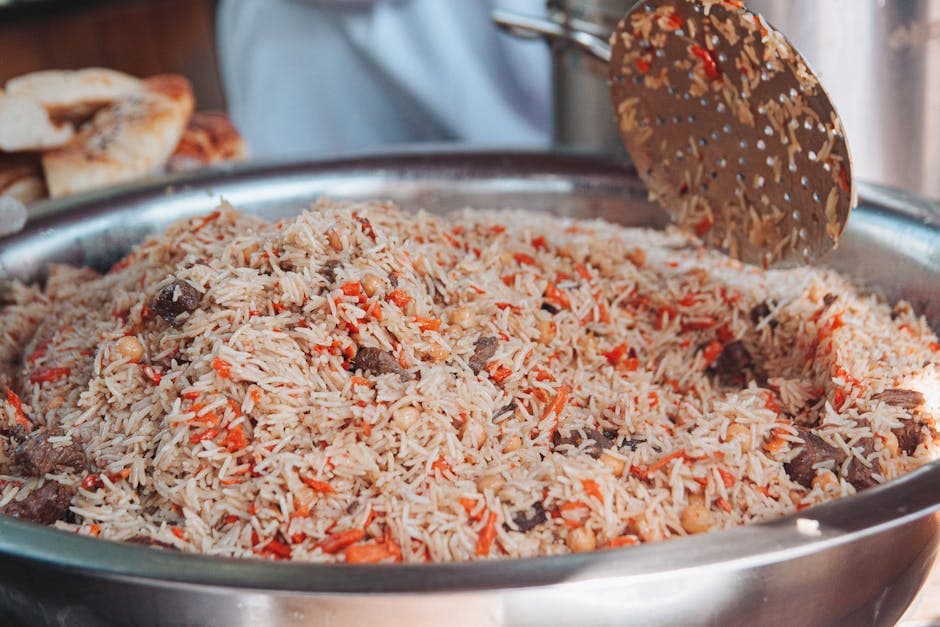
Le légendaire pilaf au riz d'Ouzbékistan — agneau, carottes, oignons et bouillon épicé cuits ensemble dans un kazan pour créer le plat le plus aimé d'Asie centrale.
115 min680 kcalMoyen
★4.9(654)
Plov, samsa, lagman : une cuisine copieuse de la Route de la Soie venue du cœur de l'Asie centrale.
D'autres recettes construites autour des mêmes ingrédients principaux.
Suivez ce que vous mangez
Photographiez votre repas pour enregistrer calories et macros, lancez des minuteurs de jeûne et suivez votre hydratation avec l’app gratuite SnapCal.
Planifiez vos repas, suivez votre jeûne et créez votre liste de courses — gratuit
Le tableau de bord MyCookingCalendar fonctionne directement dans votre navigateur, sans téléchargement.
Le légendaire pilaf au riz d'Ouzbékistan — agneau, carottes, oignons et bouillon épicé cuits ensemble dans un kazan pour créer le plat le plus aimé d'Asie centrale.

Un bouillon clair et doré d'agneau avec des pois chiches, de la pomme de terre, de la carotte, de l'oignon et des herbes fraîches — la soupe la plus bien-aimée et nourissante d'Asie centrale.
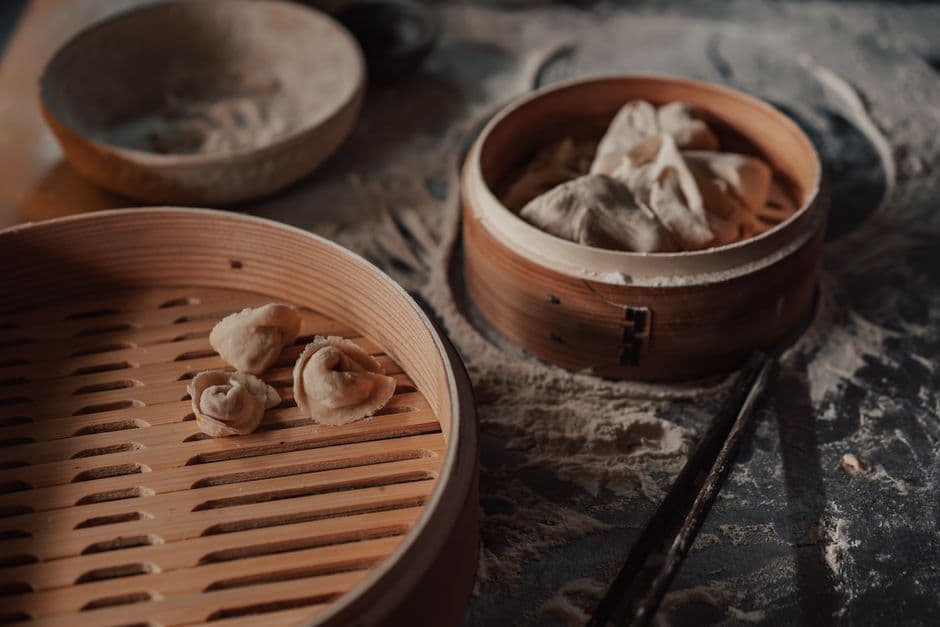
Les dumplings généreux de taille cuits à la vapeur remplis d'agneau épicé, oignon et courge, servis avec sauce crème aigre et herbes — le plat royal de la cuisine d'Asie centrale.

Un ragoût sans remuer du Ouzbékistan d'agneau couches, pomme de terre, carotte, oignon et herbes scellées fermées et cuites lentement à la vapeur — simplement trompeuse et profondément savoureux.
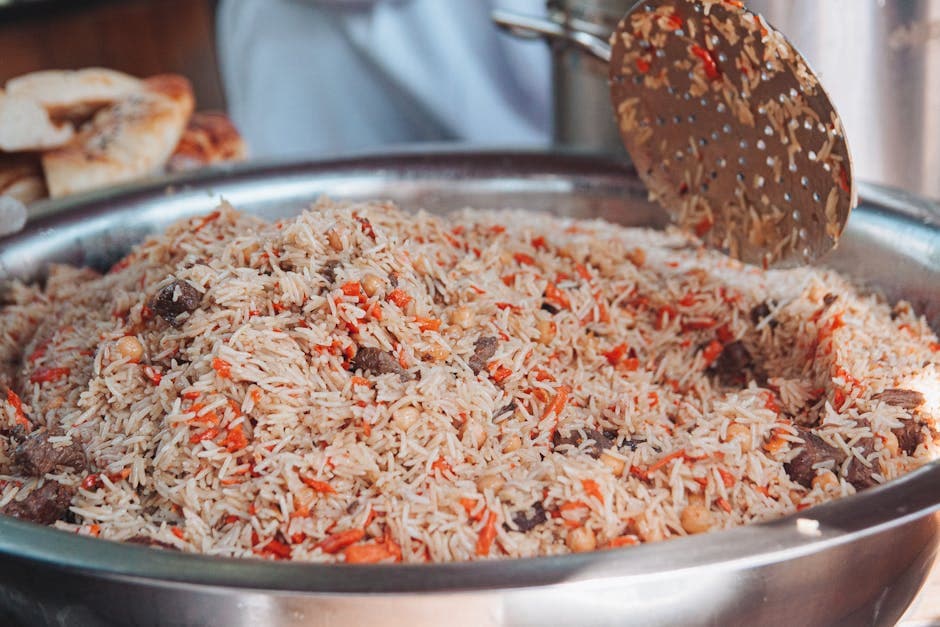
Le plat de riz ancien de Samarkand — l'agneau et le riz cuits dans un kazan avec les grains secs et séparés caractéristiques du plov ouzbek, parfumés avec du cumin et garnis d'ail entier et de coing.
Des pâtisseries d'agneau ouzbek cuites au tandoor — des pâtisseries triangulaires feuilletées fourrées d'agneau épicé et d'oignon, cuites dans un four en argile jusqu'à ce que l'extérieur se brise et l'intérieur crépite.
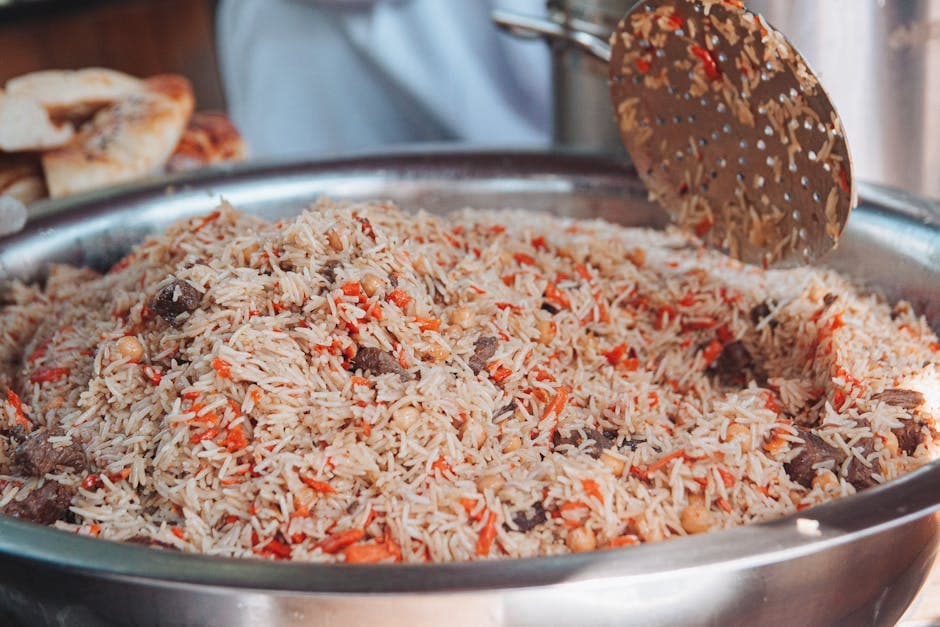
Le plat de nouilles nomade de l'Ouzbékistan — des nouilles coupées à la main servies avec de la viande de cheval ou d'agneau bouillie dans un bouillon clair et aromatique, garni d'oignons dorés frits.

La grande soupe d'agneau et de légumes d'Asie centrale — riche, aromatique et profondément nourrissante.

Minuscules boulettes ouzbèkes fourrées d'agneau et d'oignon, servies dans un bouillon clair ou du yaourt — le réconfort d'Asie centrale.

Soupe ouzbèke au riz avec agneau tendre, tomates et pois chiches — un cousin plus léger et plus bouilli du plov.

Halva ouzbek riche et beurré à la semoule parfumée au beurre et à la vanille — un sucre de célébration sans pareil.

Ragoût ouzbek stratifié d'agneau, de légumes et d'herbes cuisiné complètement scellé — pas de liquide ajouté, juste de la vapeur naturelle.
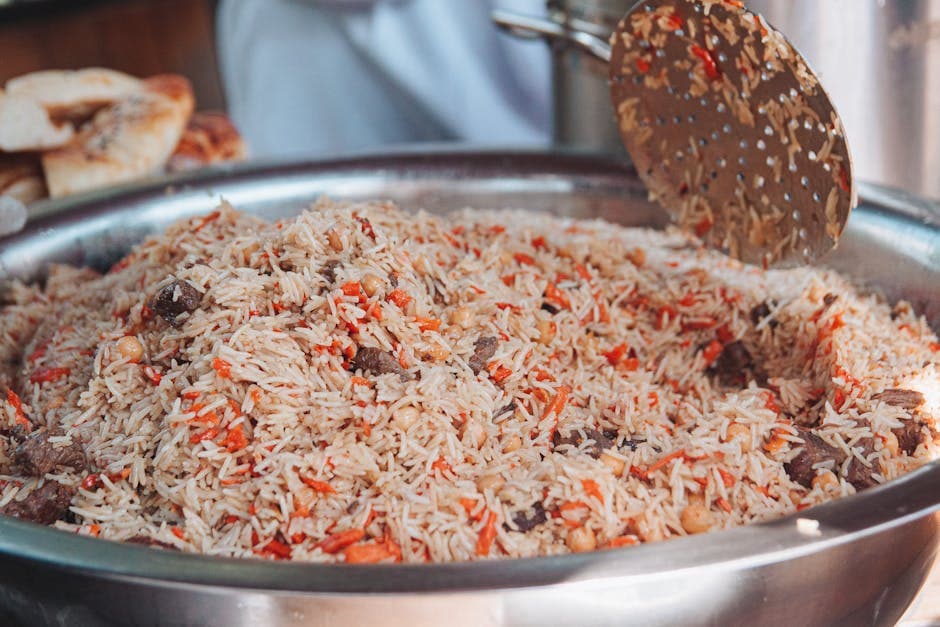
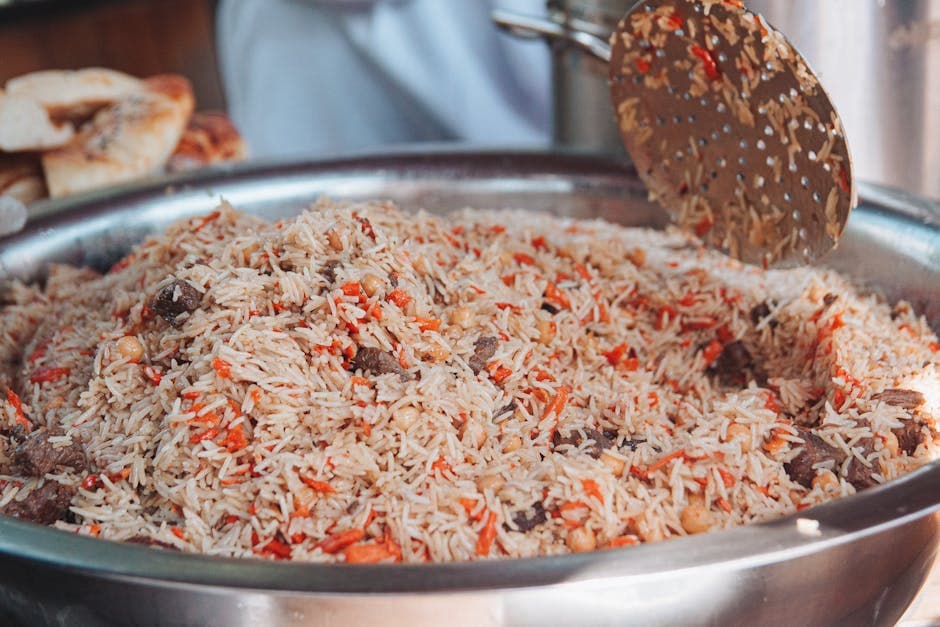
Le plus grand plat de riz d'Asie centrale — agneau, carotte et oignon cuits ensemble dans un grand kazan en fonte, puis recouverts de riz et cuits à la vapeur dans les sucs de viande. Le plat national de l'Ouzbékistan, mangé à chaque célébration.
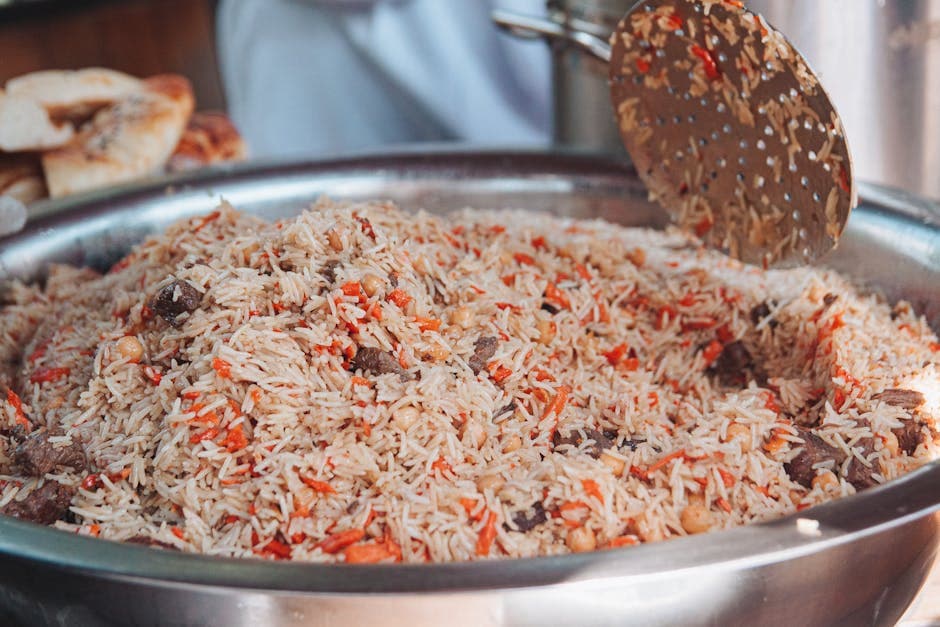
Soupe ouzbèke copieuse à l'agneau et aux légumes — un bouillon riche doré mijoté longuement avec agneau avec os, légumes entiers et épices.

Pâtisseries feuilletées rôties fourrées d'agneau épicé et d'oignon — la réponse d'Asie centrale au samosa.
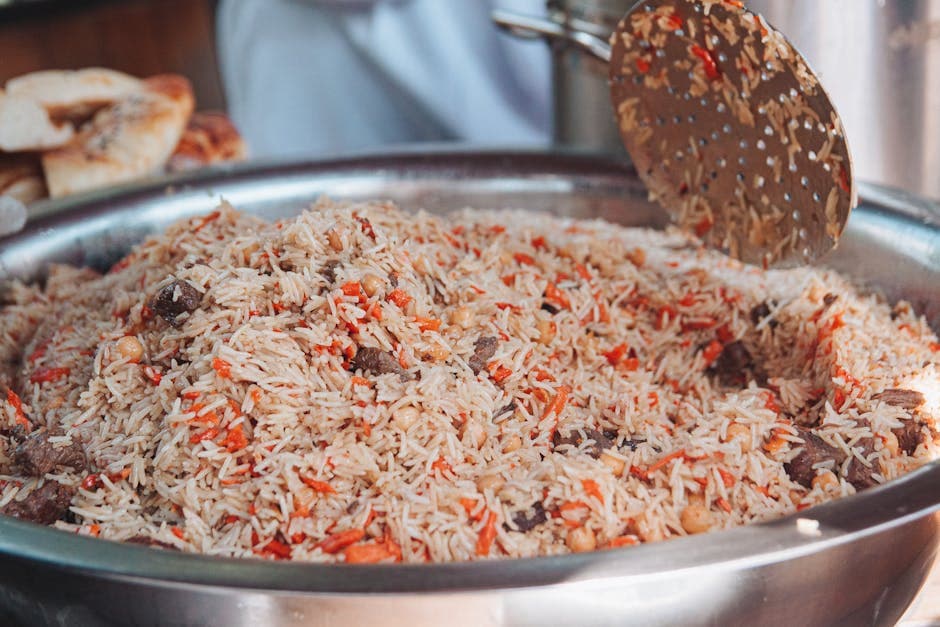
Casserole ouzbèke stratifiée d'agneau et de légumes cuits à la vapeur dans leurs propres jus — un festin simple en un seul pot.

Raviolis vapeur remplis agneau épicée et oignon — réponse ouzbek dim sum chinois, mangé chaque célébration.
Nouilles coupées à la main ouzbèques avec viande de cheval et bouillon — un plat cérémoniel servi aux mariages et à Navruz.
La soupe aux nouilles poulies de l'Ouzbékistan — des nouilles de blé étirées à la main dans un bouillon riche à l'agneau et aux légumes avec cumin et poivron sucré.
Le plat national de l'Ouzbékistan - agneau, carottes et riz cuits lentement dans un kazan unique jusqu'à ce que chaque grain brille de graisse dorée.
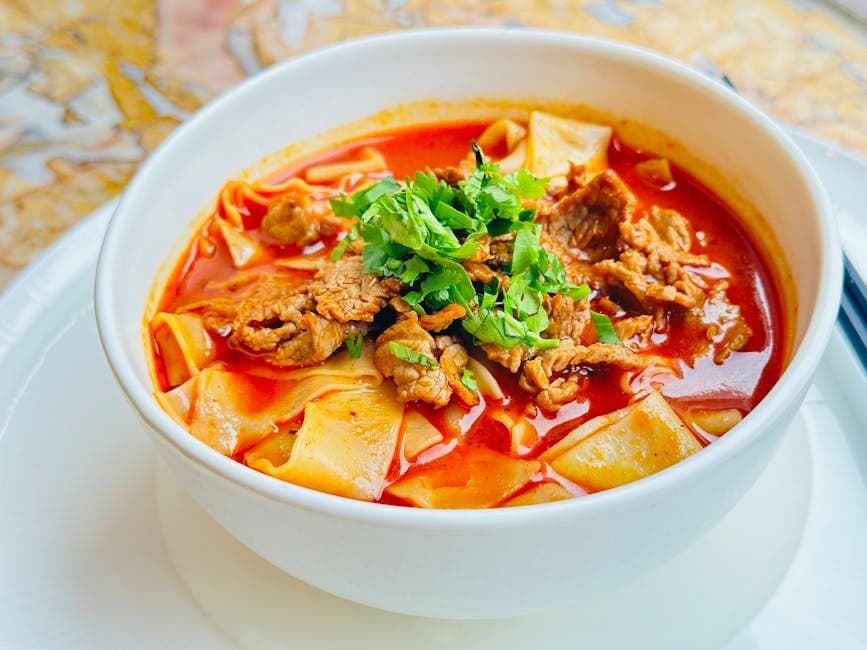
Les nouilles tirées à la main de l'Ouzbékistan dans un bouillon d'agneau profondément épicé et savoureux avec légumes — le plat de nouilles le plus emblématique de la Route de la Soie.
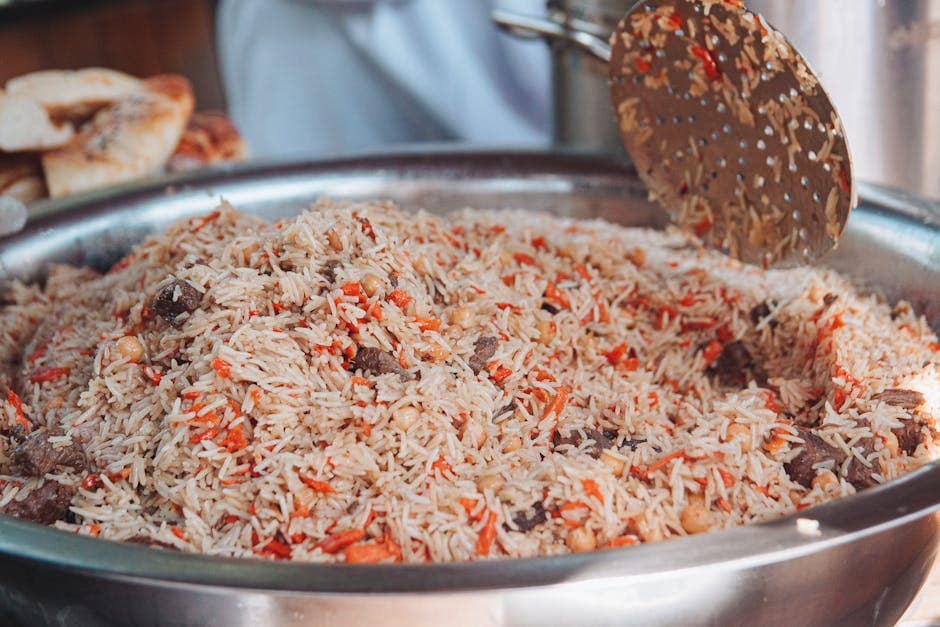
Le plat national de l'Ouzbékistan : de l'agneau, des carottes, du cumin et du riz cuits dans un seul chaudron profond jusqu'à ce que chaque grain brille de graisse épicée et que la viande se désagrège.
Le bol de riz aux herbes et au citron du marché ouzbek apporte une saveur ouzbèke à un bol de riz pratique composé de cuisses de poulet, de cumin, de carottes, d'agneau et d'oignons, et d'une finale d'aneth frais.
La soupe aux tomates fumées du village ouzbek apporte une saveur ouzbèke à une soupe pratique composée de champignons, de cumin, de carottes, d'agneau et d'oignons, et d'une finale d'aneth frais.
La poêle au sésame et au citron vert du jardin ouzbek apporte une saveur ouzbèke à un dîner à la poêle pratique composé de chou-fleur, de cumin, de carottes, d'agneau et d'oignons, et d'une finale d'aneth frais.
Les nouilles aux poivrons carbonisés du port ouzbek apportent une saveur ouzbèke à un plat de nouilles pratique composé de nouilles de riz, de cumin, de carottes, d'agneau et d'oignons, et d'une finale d'aneth frais.
La salade d'herbes vertes des montagnes ouzbèkes apporte une saveur ouzbèke à une salade pratique composée de poulet grillé, de cumin, de carottes, d'agneau et d'oignons, et d'une finale d'aneth frais.
Le pain plat au citron et aux herbes du Festival ouzbek apporte la saveur ouzbèke à un pain plat pratique construit avec de la pâte à pain plat, du cumin, des carottes, de l'agneau et des oignons, et une finale d'aneth frais.
Le plateau de tomates fumées ouzbek homestyle apporte une saveur ouzbèke à un plateau de cuisson pratique composé de patates douces, de cumin, de carottes, d'agneau et d'oignons, et d'une finition à l'aneth frais.
Les beignets au sésame et au citron vert de la rue ouzbèke apportent une saveur ouzbèke à des beignets pratiques composés de poisson salé, de cumin, de carottes, d'agneau et d'oignons, et d'une finale à l'aneth frais.
L'assiette de petit-déjeuner au poivre doré ouzbek apporte une saveur ouzbèke à une assiette de petit-déjeuner pratique composée de haricots, de cumin, de carottes, d'agneau et d'oignons, et d'une finale d'aneth frais.
Le dessert aux herbes vertes ouzbek Weeknight apporte une saveur ouzbèke à un dessert pratique composé de noix de coco, de cumin, de carottes, d'agneau et d'oignons, et d'une finale d'aneth frais.
Riz cuit dans une seule casserole sur des carottes caramélisées et de l'agneau doré, assaisonné de cumin, un plat considéré comme le trésor national de l'Ouzbékistan.
Triangles de pâte feuilletée étagés remplis d'agneau haché épicé et d'oignons, cuits au four de style tandoor jusqu'à ce qu'ils soient profondément dorés.
Grosses boulettes cuites à la vapeur remplies d'agneau haché gras, d'oignon et de citrouille, servies avec une cuillerée de yaourt et de beurre.
Un bouillon d'agneau copieux et clair mijoté avec de gros légumes comme des pommes de terre, des carottes et des poivrons, un aliment de base réconfortant d'Asie centrale.
Un pain plat rond et moelleux avec un centre décoratif estampé et des bords soufflés et cloqués, cuit traditionnellement et collé aux parois d'un tandoor chaud.
De fines nouilles coupées à la main, agrémentées de viande bouillie et d'oignons finement tranchés, un plat froid distinctif traditionnellement servi lors des célébrations ouzbèkes.
De minuscules boulettes remplies de viande hachée assaisonnée, bouillies dans un bouillon clair et servies avec une cuillerée de crème sure et d'aneth frais.
Agneau, pommes de terre, carottes et chou superposés dans une marmite épaisse et cuits dans leur propre jus sans eau ajoutée, ce qui donne des saveurs profondément concentrées.
Un bonbon dense et fondant à base de farine grillée liée à un sirop de sucre et de beurre chaud, parsemé de noix, une confiserie traditionnelle ouzbèke.
Des morceaux d'agneau et des pommes de terre frits lentement ensemble dans un chaudron épais jusqu'à ce qu'ils soient profondément dorés et tendres, un copieux favori rustique ouzbek.
Tomates et oignons tranchés finement, agrémentés d'herbes fraîches et d'une vinaigrette légère, une contrepartie simple et rafraîchissante aux riches plats ouzbeks.
Des cubes d'agneau poêlés avec des oignons, des pommes de terre et des poivrons jusqu'à ce qu'ils soient bien dorés, un dîner rustique et copieux à la poêle ouzbek.
De fines poches de pâte remplies d'un mélange d'œufs crus et de beurre, frites jusqu'à ce qu'elles soient croustillantes, ce qui donne un intérieur moelleux et crémeux.
Une soupe copieuse et teintée de tomate composée de riz, de légumes et de viande, semblable à un cousin plus léger et plus soupe du plov.
De petits morceaux de pâte frite enrobés de sirop de miel chaud et pressés en forme de monticule, collante et festive, un bonbon très apprécié d'Asie centrale.
Des pâtisseries feuilletées remplies d'un mélange vert vif d'herbes fraîches et d'oignons, un cousin végétarien plus léger de la samsa à la viande.
Un poulet entier mariné dans du yaourt et des épices, traditionnellement rôti au four tandoor jusqu'à ce que la peau devienne profondément dorée et croustillante.
Du riz cuit avec du foie finement haché et une généreuse quantité d'herbes fraîches, donnant au plat un vert profond distinctif, une spécialité juive-ouzbèke de Boukharan.
Riz cuit lentement dans une lourde marmite Kazan avec de l'agneau, des oignons dorés, des montagnes de carottes et de raisins secs, le plat national emblématique de l'Ouzbékistan, le plov.
Chaud, cuit au tandoor, sans pain déchiré et rempli d'épaisse crème kaymak, un sandwich simple et apprécié pour le petit-déjeuner ouzbek, dégusté avec du thé chaud.
Boulettes de viande d'agneau façonnées à la main et mijotées dans un bouillon de tomates piquant, un plat ouzbek maison qui fait écho aux saveurs du ragoût de dimlama bien-aimé du pays.
Des haricots mungo et du riz mijotés ensemble dans une bouillie douce et savoureuse avec de l'oignon frit et du cumin, un plat ouzbek réconfortant traditionnellement consommé en cas de maladie ou de jeûne.
De fines poches de pâte remplies d'œufs brouillés, d'herbes et d'une touche de fromage, pliées et frites jusqu'à ce qu'elles soient croustillantes, une savoureuse pâtisserie ouzbèke.
Un pudding naturellement sucré, mijoté lentement, entièrement à base de blé germé, traditionnellement cuit pendant la nuit par la communauté pour célébrer Navruz.
Carpe entière farcie d'oignon et d'aneth, frottée de cumin et cuite au four jusqu'à ce qu'elle soit tendre, une préparation ouzbèke copieuse pour les poissons d'eau douce que l'on trouve dans les rivières et les lacs du pays.
Triangles de pâte feuilletée en couches remplis d'agneau haché épicé et d'oignons, cuits dans un four de style tandoor jusqu'à ce qu'ils soient profondément dorés, la somsa bien-aimée de l'Ouzbékistan.
Tomates et oignons tranchés finement, mélangés à des herbes fraîches et une touche de vinaigre, la salade ouzbèke simple et omniprésente est servie avec du plov et des viandes grillées.
De minuscules boulettes de viande mijotées dans un bouillon clair et assaisonné, la soupe chuchvara bien-aimée de l'Ouzbékistan, souvent servie avec une cuillerée de yaourt ou de vinaigre.
Un poulet entier rôti avec une sauce épicée au cumin et arrosé d'un glaçage piquant aux tomates, apportant les saveurs caractéristiques du plov à un simple rôti familial.
Des couches de viande, de pomme de terre, de carotte, de chou et de tomate cuites lentement sans liquide ajouté jusqu'à ce qu'elles soient fondantes, le ragoût ouzbek bien-aimé connu sous le nom de dimlama.
De petits morceaux de pâte frite enrobés de sirop de miel chaud et pressés ensemble avec des graines de sésame, le chak-chak sucré festif d'Ouzbékistan et d'Asie centrale.
Crêpes moelleuses de style ouzbek à base de lait fermenté cuit au four, de poivre noir et d'une touche de miel, poêlées jusqu'à ce qu'elles soient dorées.
Un bol de riz parfumé à la manière ouzbek avec du paprika doux, des carottes caramélisées et du cumin, faisant écho aux saveurs du plov classique.
Un plat de riz parfumé d'inspiration ouzbèke avec des crevettes, agrémenté d'une sauce au yaourt rafraîchissante aux herbes (style katyk) en accompagnement.
Un bol réconfortant ouzbek de type bouillie de haricots mungo et de riz assaisonné de cumin, de poivre noir et d'oignon caramélisé.
Poivrons à la ouzbek farcis de riz épicé et d'agneau, mijotés dans un bouillon de tomates au paprika légèrement sucré.
Une cocotte étagée d'inspiration ouzbèke composée de riz, de bœuf assaisonné et d'une sauce au yogourt à l'ail et aux herbes, cuite au four jusqu'à bouillonnement.
Une galette de bœuf juteuse aux épices ouzbèkes assaisonnée de cumin, de poivre noir et d'oignon, servie façon burger avec une sauce au yaourt à l'ail.
Un dessert dense et moelleux inspiré des bonbons aux noix de sujukh d'Asie centrale, servi dans un pain de style pudding avec du miel et des noix.
Une assiette festive de plov ouzbek avec de l'agneau tendre, des oignons caramélisés, du riz teinté au safran et des fruits secs.
La cuisine ouzbèke s'est développée le long de la Route de la Soie, nourrissant les caravanes de Samarkand, de Boukhara et de la vallée de Fergana, et sa pièce maîtresse est le plov (osh) – du riz cuit dans un kazan en fonte avec de l'agneau, des carottes jaunes, des oignons, du cumin et des têtes d'ail entières, superposées et jamais remuées. Plov est tellement codifiée que chaque ville revendique son propre canon, des maîtres cuisiniers appelés oshpaz la préparent pour les mariages par centaines et l'UNESCO la classe au patrimoine culturel.
Au-delà du plov, le répertoire se concentre sur la graisse d'agneau (dumba, de mouton à grosse queue), les nouilles effilochées à la main et les fours tandyr. Les nouilles Lagman sont arrivées avec les cuisiniers Dungan et Ouïghours et sont devenues un aliment de base national sous forme de soupe ou de friture (kovurma) ; samsa - pâtisseries feuilletées à base d'agneau et d'oignons - cuites au four collées aux murs du tandyr comme le savoureux cousin du naan indien ; les manti, de grosses boulettes cuites à la vapeur composées d'agneau et d'oignons hachés à la main, sont consommées avec du yaourt suzma.
La cuisine maison est de saison et respectueuse du pain : le non, le pain tandyr rond estampillé, n'est jamais posé face contre terre ni coupé au couteau, seulement déchiré. Les repas commencent avec du chai, du melon et des salades comme l'achichuk (tomate, oignon, piment), et le kazan fait l'essentiel du travail – le même pot prépare le plov, le shurpa (soupe d'agneau et de légumes) et le dimlama, la braise à la vapeur de viande et de légumes de la fin de l'été.
Plov (oh)
Riz recouvert d'agneau, de carottes jaunes, de cumin et d'ail entier dans un kazan ; chaque région – Samarkand, Tachkent, Fergana – a sa propre version canonique.
Le Kazan
Un lourd chaudron en fonte utilisé pour le plov, le shurpa et le dimlama ; sa rétention de chaleur définit la technique ouzbèke de superposition et de cuisson à la vapeur.
Pains Tandyr et samsa
Pains non plats estampés et pâtisseries samsa feuilletées à l'agneau et à l'oignon cuites collées aux parois d'un four tandyr en argile.
Nouilles et raviolis faits à la main
Lagman a tiré des nouilles sous forme de soupe ou frites, ainsi que des manti cuits à la vapeur et de petites boulettes de chuchvara bouillies.
Graisse d'agneau et de dumba
Les moutons à grosse queue fournissent la viande et la graisse de queue fondue qui apportent de la saveur au plov, au samsa et aux brochettes (shashlik).
Culture du thé et du melon
Le thé vert servi dans des bols piala et les célèbres melons ouzbeks sucrés encadrent chaque repas du début à la fin.
La cuisine ouzbèke est connue pour le plov – du riz cuit avec de l'agneau, des carottes jaunes et du cumin dans un kazan en fonte – ainsi que pour les nouilles lagman effilochées à la main, les raviolis manti cuits à la vapeur, les pâtisseries samsa et sans pain cuites au tandyr et les brochettes shashlik. Il s'agit de la culture culinaire la plus célèbre d'Asie centrale, façonnée par le commerce de la Route de la Soie via Samarkand et Boukhara.
Le plov ouzbek est construit en couches strictes et non agitées dans un kazan : de la graisse d'agneau fondue, puis de la viande, des oignons et une épaisse couche de carottes jaunes en julienne, avec du riz et de l'eau dessus. Des têtes d'ail entières et du cumin l'assaisonnent et ne sont jamais mélangés avant de servir. Le polo persan met l'accent sur la croûte croustillante du tahdig et les herbes ; Le pulao et le biryani indiens utilisent beaucoup plus d'épices et de riz basmati.
La cuisine ouzbèke est savoureuse et riche plutôt que piquante, assaisonnée principalement de cumin (zira), de poivre noir, de graines de coriandre et d'épine-vinette. Le piment frais apparaît dans la salade achichuk et lagman peut prendre un condiment chili-ail (laza), reflétant l'influence ouïghoure, mais la chaleur est toujours facultative. La richesse vient de la graisse de queue d'agneau et de dumba, équilibrée par le thé vert, les salades et le yaourt.
Commencez par un plov fait maison dans une cocotte : faites dorer l'agneau ou le bœuf dans l'huile, ajoutez les oignons et une généreuse couche d'allumettes de carottes, assaisonnez de cumin, emboîtez dans une tête d'ail, puis ajoutez le riz et l'eau et faites cuire à la vapeur sans être dérangé. Il enseigne la technique du core layering. Le Shurpa, la soupe à l'agneau et aux légumes, est encore plus simple : il suffit de mijoter lentement.
Les essentiels sont le riz à grains moyens (le devzira est traditionnel ; le calrose fonctionne), l'agneau ou le bœuf, beaucoup de carottes et d'oignons, les graines de cumin entières, la coriandre, le poivre noir et les épine-vinettes séchées pour le plov. Un four hollandais lourd remplace le kazan. Pour un répertoire plus large, ajoutez de la farine pour nouilles et raviolis, du yaourt nature (comme le suzma) et de la graisse d'agneau ou une huile neutre.
Calculateurs et convertisseurs qui accompagnent cette page — sans inscription.
Calculateur de proportions
Divisez par deux ou doublez chaque quantité de cette recette sans calcul mental.
Convertisseur de mesures
Convertissez tasses, grammes, onces et millilitres dans les deux sens.
Convertisseur pour friteuse à air
Convertissez le temps et la température du four en réglages pour friteuse à air.