
Nouveaustarter
Smørrebrød
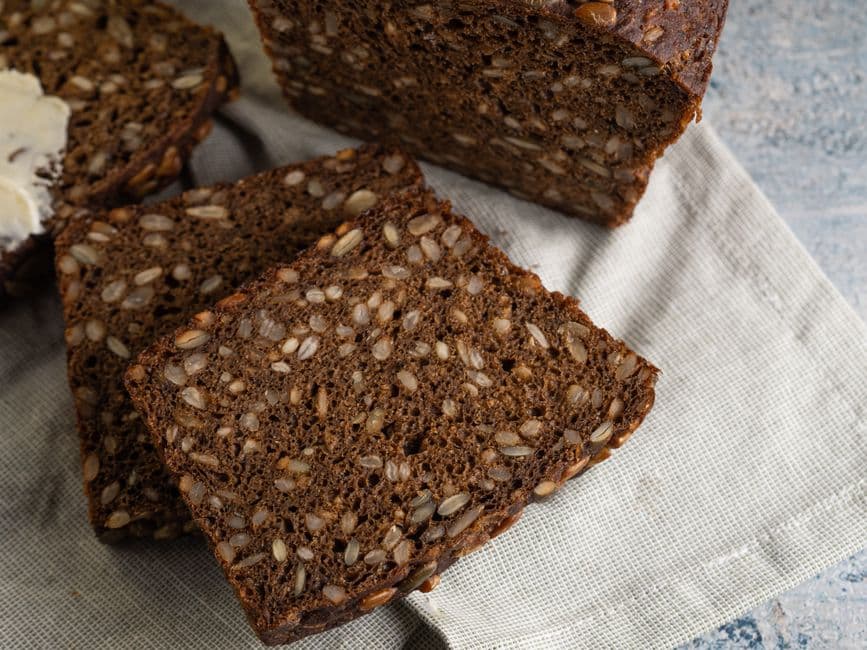
Le sandwich danois emblématique ouvert — pain de seigle foncé et dense rugbrød chargé de garnitures de hareng mariné, d'œuf et de crevette dans des compositions élégantes et artistiques.
20 min320 kcalFacile
★4.6(743)
Smørrebrød, æbleskiver, flæskesteg — une cuisine nordique élégante et copieuse.
D'autres recettes construites autour des mêmes ingrédients principaux.
Suivez ce que vous mangez
Photographiez votre repas pour enregistrer calories et macros, lancez des minuteurs de jeûne et suivez votre hydratation avec l’app gratuite SnapCal.
Planifiez vos repas, suivez votre jeûne et créez votre liste de courses — gratuit
Le tableau de bord MyCookingCalendar fonctionne directement dans votre navigateur, sans téléchargement.
Le sandwich danois emblématique ouvert — pain de seigle foncé et dense rugbrød chargé de garnitures de hareng mariné, d'œuf et de crevette dans des compositions élégantes et artistiques.

Les boules de crêpes sphériques bien-aimées du Danemark — légères et fluffy cuites dans un moule de fonte spécialisé et servies saupoudrées de sucre glace et confiture de framboises.

Galettes tendre pan-fried de porc et veau avec oignons, œuf et farine — le plat maison le plus aimé du Danemark, servi avec pommes de terre et chou rouge mariné.
L'art danois sous forme comestible : pain de seigle noir garni de hareng, saumon fumé, rôti de bœuf ou œuf, orné de garnitures traditionnelles — culture de sandwich ouvert scandinave.

Un classique de Noël danois — longe de porc rôtie lentement avec le crackling le plus croustillant imaginable, servie avec du chou rouge et des pommes de terre caramélisées.

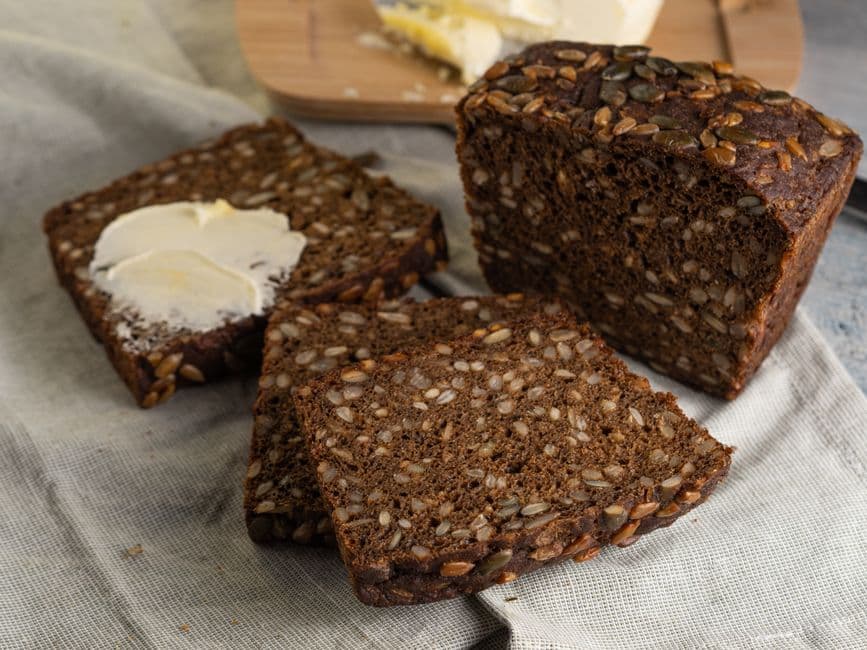
Le pain de seigle dense, acidulé et aux graines du Danemark — la fondation du smørrebrød et l'un des pains les plus nutritifs du monde.

La pâtisserie danoise originale — la pâte feuilletée et beurrée créée par les boulangers autrichiens à Copenhague dans les années 1840 qui ont donné au monde la « pâtisserie danoise », en de nombreuses formes et garnitures.

Crêpes danoises sphériques et moelleuses cuites dans un moule spécial — une tradition de Noël servie avec de la confiture et du sucre en poudre.
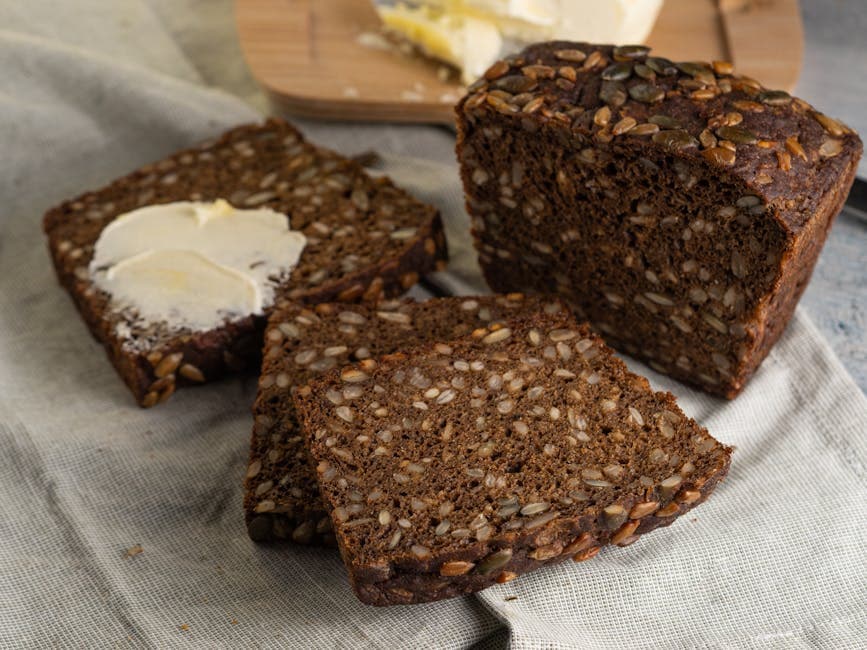
Pain de seigle fermenté dense, foncé et malteux danois — la fondation de tous les sandwichs ouverts danois.
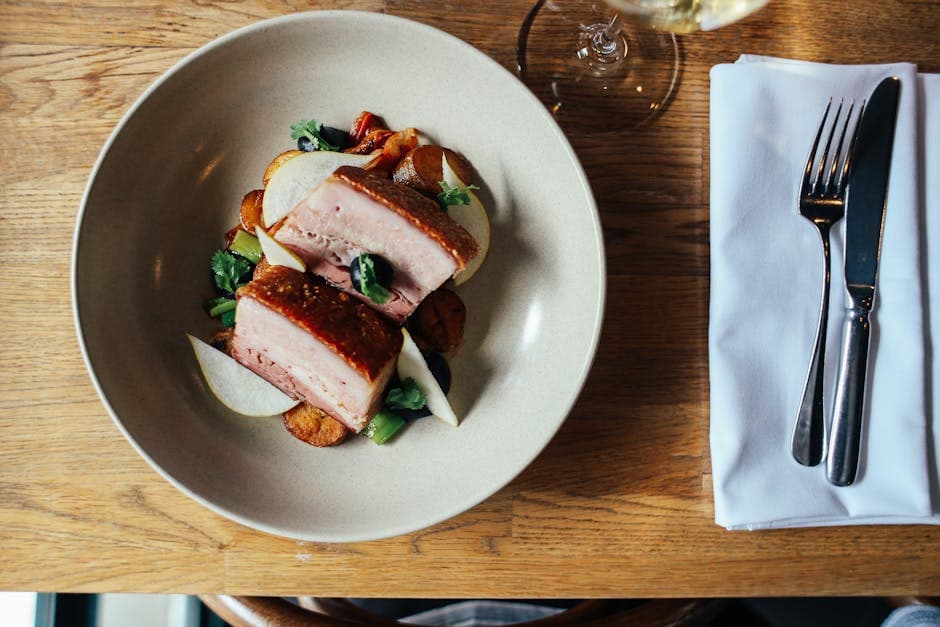
Le point central de Noël du Danemark — porc rôti lentement avec un croustillant légendaire, croustillant et cloqué.
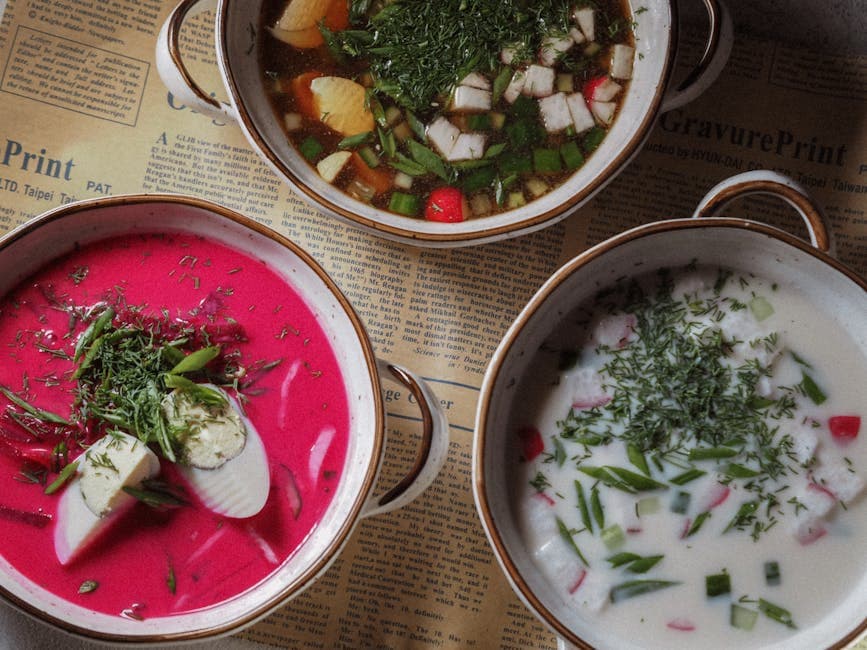
Soupe de dessert d'été danoise rafraîchissante de babeurre froid, oeufs et vanille — servie avec des biscuits kammerjunker.
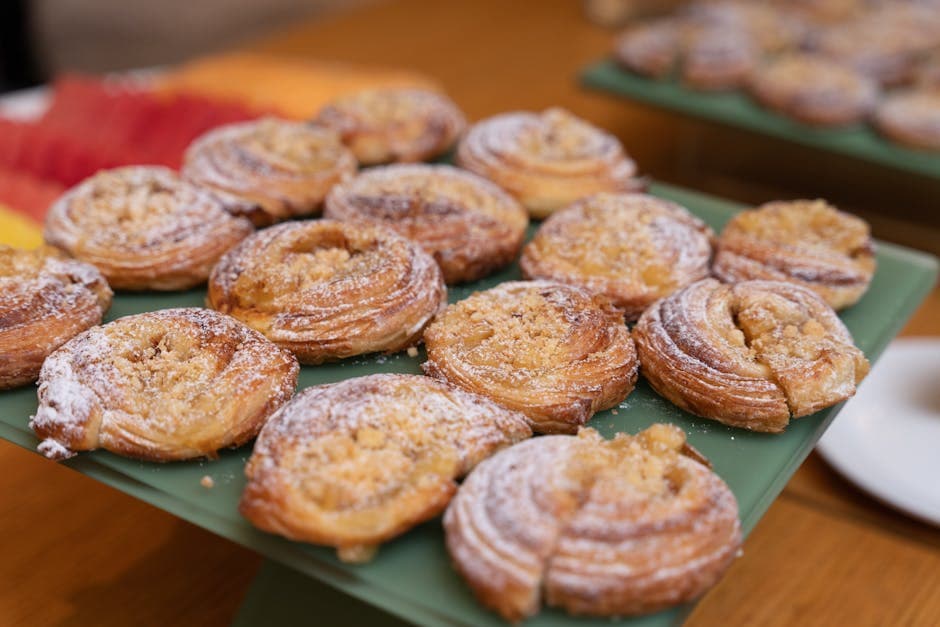
Petits pains moelleux à la cannelle danois avec beurre, sucre brun et cardamome dans la pâte — meilleur que n'importe quel autre.

Pudding de riz danois de Noël avec amandes et sauce aux cerises chaudes - chaque table cache une amande entière et un prix caché.

Pommes de terre caramélisées danoises - petites pommes de terre farineuses enrobées de beurre et de caramel doré - un accompagnement de Noël bien-aimé.
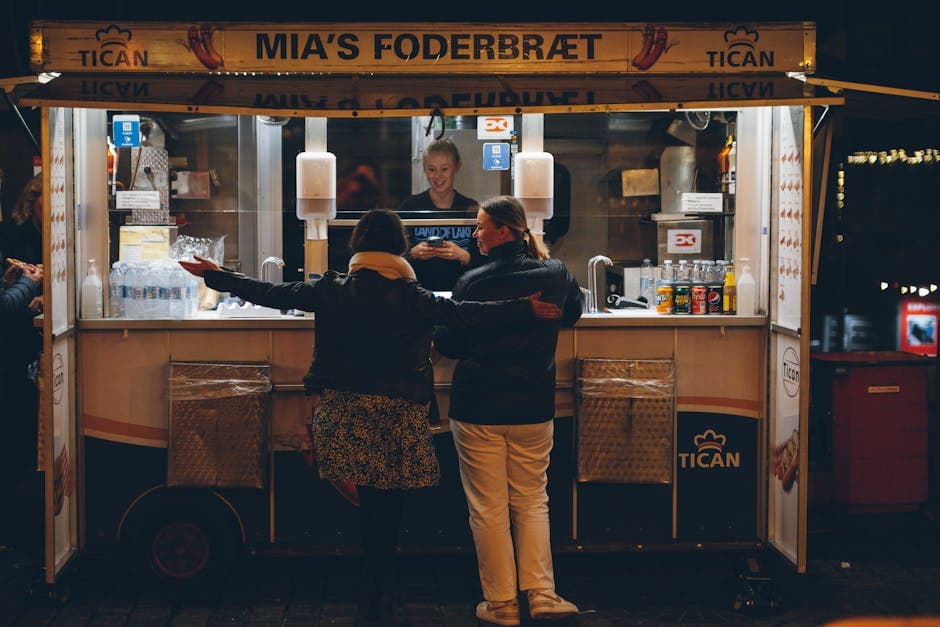
Boulettes de porc danoises poêlées — en forme plate, tendres et juleuses, servies avec des pommes de terre et sauce brune.

Jerky de poisson atlantique traditionnel fumé

Ragoût de fruits de mer riche avec poisson atlantique et pommes de terre

Agneau braisé lentement avec légumes racines

Ragoût traditionnel avec oiseau marin et légumes racines

Pain dense avec orge et céréales complètes

Boulettes de viande porc-veau frites à la poêle, servies avec chou rouge, sauce persil et pommes de terre bouillies.

Du seigle noir beurré garni de crevettes roses sucrées liées dans une mayonnaise à l'aneth, une boucle de citron, de l'aneth frais et une seule perle de caviar noir — le plus élégant des sandwichs ouverts du Danemark.
Le bol de riz au citron et aux herbes du marché danois apporte une saveur danoise à un bol de riz pratique composé de cuisses de poulet, de seigle, de beurre, d'aneth et de légumes marinés, ainsi qu'une finition à l'aneth frais.
La soupe aux tomates fumées du village danois apporte une saveur danoise à une soupe pratique composée de champignons, de seigle, de beurre, d'aneth et de légumes marinés, avec une finale d'aneth frais.
La poêle au sésame et au citron vert du jardin danois apporte une saveur danoise à un dîner à la poêle pratique composé de chou-fleur, de seigle, de beurre, d'aneth et de légumes marinés, et d'une finale d'aneth frais.
Les nouilles aux poivrons carbonisés Danish Harbour apportent une saveur danoise à un plat de nouilles pratique composé de nouilles de riz, de seigle, de beurre, d'aneth et de légumes marinés, et d'une finale d'aneth frais.
La salade danoise aux herbes vertes des montagnes apporte une saveur danoise à une salade pratique composée de poulet grillé, de seigle, de beurre, d'aneth et de légumes marinés, et une finale d'aneth frais.
Le pain plat au citron et aux herbes du Festival danois apporte la saveur danoise à un pain plat pratique construit avec de la pâte à pain plat, du seigle, du beurre, de l'aneth et des légumes marinés, et une finition à l'aneth frais.
Le plateau de cuisson aux tomates fumées de style maison danois apporte la saveur danoise à un plateau de cuisson pratique composé de patates douces, de seigle, de beurre, d'aneth et de légumes marinés, ainsi qu'une finition à l'aneth frais.
Les beignets danois au sésame et au citron vert apportent une saveur danoise à des beignets pratiques composés de poisson salé, de seigle, de beurre, d'aneth et de légumes marinés, et une finale d'aneth frais.
L'assiette de petit-déjeuner danoise au poivre doré apporte la saveur danoise à une assiette de petit-déjeuner pratique composée de haricots, de seigle, de beurre, d'aneth et de légumes marinés, et d'une finition d'aneth frais.
Le dessert danois aux herbes vertes Weeknight apporte une saveur danoise à un dessert pratique à base de noix de coco, de seigle, de beurre, d'aneth et de légumes marinés, et une finale d'aneth frais.
Une épaisse galette de bœuf haché poêlée recouverte d'oignons doux mijotés et d'une simple sauce à la poêle.
Pain de seigle garni de fines tranches de porc ou de veau roulé aux herbes, un sandwich ouvert danois classique.
Crêpes feuilletées rondes et moelleuses cuites dans une poêle spéciale à fossettes, saupoudrées de sucre en poudre et servies avec de la confiture.
D'épaisses tranches de poitrine de porc frites jusqu'à ce qu'elles soient profondément croustillantes, servies avec des pommes de terre bouillies et une sauce crémeuse au persil blanc.
Riz au lait réfrigéré plié avec de la crème fouettée et des amandes hachées, servi avec une sauce chaude aux cerises, un dessert de Noël bien-aimé.
Chou frisé finement haché mijoté dans une sauce crémeuse semblable à de la béchamel, un plat d'accompagnement de Noël traditionnel danois servi avec du rôti de porc ou du canard.
Un rôti de porc à la peau profondément marquée, rôti jusqu'à ce que les crépitements se brisent, la pièce maîtresse du dîner de Noël danois.
Une compote légèrement épaissie et soyeuse de fruits rouges mélangés servie fraîche avec une généreuse couche de crème froide.
Une salade de mayonnaise crémeuse épicée au curry parsemée d'œuf haché, de cornichons et de pomme, une garniture smørrebrød populaire.
Petites boulettes de porc mijotées dans une sauce au curry douce et crémeuse avec des carottes et des pommes, servies sur du riz.
Petites pommes de terre bouillies enrobées d'un enrobage de caramel brillant au beurre, un plat d'accompagnement de Noël traditionnel danois.
Produits laitiers danois de culture épais et piquants surmontés d'une garniture de chapelure de seigle grillée sucrée et croquante, un petit-déjeuner quotidien bien-aimé.
Pâte feuilletée et beurrée enroulée en spirale autour d'une garniture de remonce aux amandes douces, à l'origine de ce que le monde appelle le « danois ».
Une crêpe aux œufs épaisse et moelleuse parsemée de ciboulette, garnie de bacon croustillant et servie avec du pain de seigle noir.
Une saucisse de porc fraîche grossièrement moulue et parfumée au piment de la Jamaïque, poêlée et servie avec du chou braisé et des pommes de terre bouillies.
Un riche pâté de foie de porc cuit au four, parsemé de bacon, une garniture smørrebrød bien-aimée servie chaude avec des champignons frits.
Seigle beurré garni de saumon fumé, d'aneth et d'une tartinade crémeuse au raifort — un sandwich ouvert danois classique, smørrebrød.
Pommes de terre étagées cuites à la crème avec des graines de carvi — un plat d'accompagnement danois simple et réconfortant construit à partir des classiques du garde-manger nordique.
De tendres boulettes de viande de porc et de veau poêlées, légèrement aplaties et dorées — la frikadeller quotidienne bien-aimée du Danemark, servie avec des pommes de terre et de la sauce.
Une soupe épaisse et copieuse aux pois cassés mijotée avec du bacon et des légumes-racines – une soupe d'hiver traditionnelle danoise, gule ærter.
Une omelette moelleuse pliée avec de la ciboulette fraîche, du persil et de l'aneth, agrémentée d'un filet de citron vert : un petit-déjeuner danois léger aux herbes.
Des flocons d'avoine crémeux mijotés dans du lait, agrémentés d'un filet de citron carbonisé et de miel — un petit-déjeuner danois simple et réconfortant, havregrød.
De délicats filets de plie cuits avec des tomates fraîches et de l'aneth — un dîner de poisson côtier danois simple, élaboré à partir des prises les plus courantes de la mer du Nord.
Pâte feuilletée au beurre torsadée en rouleaux en forme de bretzel et enrobée de graines de sésame grillées – une friandise de boulangerie danoise construite sur une pâte feuilletée classique.
Concombres tranchés finement marinés dans une vinaigrette aigre-douce à l'aneth — une salade d'accompagnement danoise classique, agurkesalat.
Un poulet entier rôti avec des quartiers de pommes et du thym frais dans la cavité – un simple dîner danois du dimanche à base de fruits et d'herbes classiques du verger.
Chou-fleur et tomate rôtis cuits avec des herbes fraîches et une garniture légère au fromage – un simple plat d'accompagnement de légumes danois.
æbleskiver traditionnel danois, des crêpes rondes et moelleuses cuites dans une poêle spéciale, servies avec une compote de baies de basilic frais.
Un copieux bol de céréales fabriqué à partir du garde-manger smørrebrød du Danemark : grains de seigle, hareng mariné, œuf et aneth frais, égayés de citron vert.
Un plat de crevettes et de riz de style côtier danois à base de beurre noisette, d'aneth et de citron, les saveurs d'un reje smørrebrød classique.
Gule ærter, la soupe épaisse classique aux pois cassés jaunes du Danemark avec du porc fumé, servie comme bol réconfortant du dimanche.
Poivrons farcis d'une savoureuse garniture de porc et de chapelure de seigle, finis avec de l'aneth frais et un filet de citron.
Une cocotte de pommes de terre danoise crémeuse recouverte de poudre de curry douce, d'oignon et de fromage, cuite au four jusqu'à ce qu'elle soit dorée et bouillonnante.
Une juteuse galette de frikadelle de porc et de veau servie façon burger sur du pain de seigle avec une mayonnaise éclatante au basilic.
Un riz au lait de Noël danois crémeux plié avec de la crème fouettée et des amandes, surmonté d'un caramel chaud épicé au curry.
Une assiette des fêtes danoise composée de rôti de porc crépitant et de chou rouge aigre-doux, servie avec une sauce au yaourt à la menthe fraîche.
La cuisine danoise repose sur le pain de seigle, le porc, les produits laitiers et la mer. Son emblème est le smørrebrød : du seigle au levain dense (rugbrød) beurré et intégré dans des sandwichs ouverts avec des garnitures codifiées – hareng mariné à l'oignon et aux câpres, filet de poisson frit à la rémoulade, rôti de porc au chou rouge ou le « stjerneskud » aux crevettes. Les plats chauds classiques suivent la même logique copieuse : frikadeller (boulettes de porc poêlées), stegt flæsk med persillesovs (poitrine de porc croustillante à la sauce au persil, le plat national officiel) et flæskesteg rôti de porc aux crépitements.
Les traditions danoises en matière de produits laitiers et de boulangerie sont profondément ancrées. Sauces et pâtisseries au beurre et à la crème; la pâtisserie « danoise » est appelée localement wienerbrød – pain de Vienne – parce que les boulangers autrichiens ont introduit des techniques de laminage lors d'une grève des boulangers des années 1850, après quoi les Danois les ont perfectionnées avec plus de beurre et de garniture. Noël apporte le flæskesteg, le canard aux pommes et aux pruneaux, les pommes de terre caramélisées et la risalamande, le riz au lait aux amandes avec sauce aux cerises et un gibier caché aux amandes entières.
Depuis le début des années 2000, le Danemark est également le moteur de la nouvelle cuisine nordique. Le manifeste de 2004, co-écrit par Claus Meyer et René Redzepi de Noma, a recentré la cuisine sur le terroir nordique – argousier fourré, ailons, herbes de plage, fermentation et céréales patrimoniales – et a remodelé les restaurants du monde entier. À la maison, le rythme quotidien reste humble : des déjeuners au pain de seigle préparés pour l'école et le travail, des dîners communs axés sur le hygge et une forte culture du café et de la pâtisserie.
Smørrebrød
Pain de seigle beurré aux garnitures codifiées — hareng, plie frite rémoulade, rôti de porc — se déguste au couteau et à la fourchette, jamais avec les mains.
Rugbrød (pain de seigle)
Le seigle au levain dense et semé est l'aliment de base quotidien, emballé dans des boîtes à lunch dans tout le pays et la base structurelle du smørrebrød.
Porc et Frikadeller
L'héritage porcin du Danemark se reflète dans les boulettes de viande de frikadeller, le flæskesteg garni de craquelins et le plat national, la poitrine de porc croustillante avec une sauce au persil.
Hareng mariné
Le Sild séché dans du vinaigre, de la crème de curry ou des marinades au xérès ouvre toutes les tables de déjeuner danois, en particulier lors des fêtes de Noël et de Pâques.
Wienerbrød et pâtisserie au beurre
Les pâtisseries « danoises » feuilletées avec remonce, ainsi que les kanelsnegle et le gâteau de rêve (drømmekage), définissent la culture légendaire de la boulangerie.
Nouvelle pensée nordique
Le manifeste de l’ère Noma a poussé la recherche de nourriture, la fermentation et le terroir nordique dans la gastronomie mondiale et dans les habitudes familiales danoises.
Sandwichs au seigle ouverts Smørrebrød, pâtisseries danoises (wienerbrød), boulettes de viande frikadeller, rôti de porc croustillant aux craquelins, hareng mariné et hot-dogs des chariots de rue de Pølsevogn. Le Danemark est également le berceau de la nouvelle cuisine nordique – le mouvement de cueillette et de fermentation lancé autour du Noma à Copenhague – et de la culture culinaire conviviale résumée par le hygge.
Ils se chevauchent fortement – hareng, seigle, porc, baies – mais le Danemark a fait du sandwich ouvert (smørrebrød) sa pièce maîtresse tandis que la Suède a officialisé le buffet smörgåsbord et l'assiette de boulettes de viande et d'airelles. La cuisine danoise s'appuie davantage sur le beurre, les craquelins de porc et la pâtisserie feuilletée ; Suède sur airelles, poisson séché à l'aneth et soupe aux pois du jeudi. Le rugbrød danois est plus foncé et plus dense que la plupart des pains suédois.
Au Danemark, on l'appelle wienerbrød — « pain de Vienne » — parce que les boulangers autrichiens ont introduit la pâte levée feuilletée à Copenhague lors d'une grève des boulangers danois dans les années 1850. Les boulangers danois ont ensuite enrichi la technique avec plus de beurre et de remonce (une garniture crémeuse au beurre et au sucre), créant du spandauer, du kanelsnegle et des pâtisseries que le reste du monde appelle désormais simplement « danoises ».
Frikadeller : mélanger du porc haché (ou du porc et du veau) avec de l'oignon râpé, de l'œuf, de la farine ou de l'avoine et du lait, puis poêler des cuillerées dans du beurre jusqu'à ce qu'elles soient dorées. Servir avec des pommes de terre bouillies, une sauce brune ou une compote de chou blanc et du chou rouge mariné. Smørrebrød est l'autre entrée facile : du bon pain de seigle, du beurre et un assemblage minutieux de la garniture constituent tout le métier.
Canard rôti aux pommes et aux pruneaux et/ou flæskesteg (rôti de porc aux crépitements), pommes de terre bouillies et kartofler brune (pommes de terre caramélisées au beurre et au sucre), chou rouge et sauce brune épaisse. Le dessert est la risalamande – un riz au lait froid plié avec de la crème fouettée et des amandes hachées, servi avec une sauce chaude aux cerises – où trouver l'amande entière unique gagne un cochon en pâte d'amande.
Calculateurs et convertisseurs qui accompagnent cette page — sans inscription.
Calculateur de proportions
Divisez par deux ou doublez chaque quantité de cette recette sans calcul mental.
Convertisseur de mesures
Convertissez tasses, grammes, onces et millilitres dans les deux sens.
Convertisseur pour friteuse à air
Convertissez le temps et la température du four en réglages pour friteuse à air.